

Polycystic Ovary Syndrome (PCOS) stands as the single most prevalent endocrine disorder affecting women of reproductive age, impacting an estimated 6% to 20% of the global female population depending on diagnostic criteria. Characterized by a complex constellation of hormonal imbalances, irregular menstrual cycles, ovarian cysts, and metabolic disturbances, the syndrome presents significant clinical management challenges for both patients and healthcare providers. Central to the pathophysiology of PCOS is the phenomenon of insulin resistance. Clinical research demonstrates that up to 75% of women with PCOS—regardless of their body mass index (BMI)—exhibit reduced cellular responsiveness to insulin.

This metabolic dysfunction forces the pancreas to overproduce insulin in a compensatory mechanism to maintain normal blood glucose homeostasis. The resulting hyperinsulinemia is not merely a byproduct of the syndrome; it acts as a primary driver of its most distressing symptoms. Excess circulating insulin stimulates the ovaries to produce elevated levels of androgens (male hormones such as testosterone), which in turn disrupt normal follicular development, inhibit regular ovulation, and contribute directly to clinical manifestations such as hirsutism, acne, and alopecia. Furthermore, chronic hyperinsulinemia significantly increases the long-term risk of developing type 2 diabetes, gestational diabetes, dyslipidemia, and cardiovascular disease.
Given the pivotal role that insulin resistance plays in perpetuating the cycle of PCOS symptoms, medical interventions have increasingly focused on insulin-sensitizing agents. For decades, the frontline pharmacological approach has relied on prescription diabetes medications, most notably metformin. However, in recent years, natural metabolic co-factors such as inositol—specifically in the forms of myo-inositol and D-chiro-inositol—have emerged as heavily researched, highly effective dietary supplements. As patients and clinicians weigh the therapeutic options, a critical evaluation of inositol versus metformin reveals distinct pharmacological profiles, mechanisms of action, clinical efficacies, and safety considerations.

The Pharmacological Role of Metformin in PCOS Management
Metformin is a well-established biguanide class medication that has served as a cornerstone in the treatment of type 2 diabetes for decades. Its primary mechanism of action involves suppressing hepatic glucose production, decreasing intestinal absorption of glucose, and, crucially, improving peripheral insulin sensitivity by increasing glucose uptake and utilization. By lowering systemic levels of both glucose and circulating insulin, metformin indirectly reduces ovarian androgen production, thereby helping to restore normal endocrine function.
Extensive clinical trials evaluating the utility of metformin in populations with PCOS have demonstrated notable improvements in metabolic and reproductive markers. Research published in peer-reviewed endocrinology journals indicates that metformin therapy can successfully ameliorate insulin resistance, decrease serum androgen concentrations, and improve both ovulation and pregnancy rates in anovulatory women. According to clinical endocrinology experts, such as registered dietitian and PCOS specialist Angela Grassi, metformin operates through three distinct pathways to lower blood glucose and insulin: reducing glucose output from the liver, enhancing the sensitivity of muscle and fat cells to insulin, and delaying carbohydrate absorption within the gastrointestinal tract.

Interestingly, molecular research has revealed a fascinating intersection between pharmaceutical interventions and natural biochemistry: metformin has been shown to improve one of the identical intracellular insulin-signaling pathways in which myo-inositol naturally participates. Despite these established benefits, the use of metformin is frequently complicated by its tolerability profile. Because it is a potent prescription drug, its administration is often accompanied by adverse gastrointestinal effects, including nausea, severe diarrhea, abdominal cramping, lactic acidosis (in rare, high-risk cases), and potential long-term depletion of vitamin B12 levels. Furthermore, clinical trials tracking patients over six-month periods have frequently noted that while metabolic markers and ovulation rates improve, changes in body mass index (BMI) or significant weight loss are often negligible without concurrent lifestyle modifications.
The Scientific Evolution and Mechanism of Inositol
Inositol, a carbocyclic sugar structurally similar to glucose, has transitioned from a lesser-known nutritional compound to one of the most rigorously studied dietary supplements in modern reproductive endocrinology. Naturally found in a wide variety of foods—including fresh fruits, beans, grains, and nuts—inositol exists in several stereoisomers, with myo-inositol and D-chiro-inositol being the two primary forms utilized in clinical applications for PCOS.

The therapeutic rationale for inositol centers on its fundamental role as a secondary messenger within cellular insulin-signaling cascades. Every cell wall features specialized insulin receptors that function via a precise lock-and-key mechanism; insulin must bind correctly to these receptors to signal the cell to absorb glucose from the bloodstream. In women with PCOS, these receptors often function suboptimally, prompting the body to manufacture excess insulin. Myo-inositol acts as a critical structural component of these receptor pathways, enhancing cellular efficiency so that insulin can bind correctly on the first attempt. By optimizing this receptor function, inositol helps prevent the pathological overproduction of insulin.
Furthermore, once insulin successfully attaches to a cell wall, it initiates a complex series of intracellular changes. Inositol acts as a key mediator in these pathways, ensuring that the metabolic signal is properly transmitted and subsequently terminated when necessary. Systematic reviews and meta-analyses comparing myo-inositol directly against metformin have reported striking findings. Clinical data demonstrates that myo-inositol is often just as effective as metformin in improving metabolic parameters, reducing serum androgen levels, restoring spontaneous ovulatory cycles, and increasing clinical pregnancy rates, all while bypassing the harsh side effect profile associated with biguanide therapy.

Comparative Efficacy: Clinical Benefits and Drawbacks
When evaluating the comparative performance of metformin versus inositol for the management of PCOS, researchers and clinicians look closely at both therapeutic endpoints and patient tolerability. Both agents share the primary objective of reducing insulin resistance, yet their delivery systems, side effect severity, and accessibility differ markedly.
The documented advantages of Metformin include:
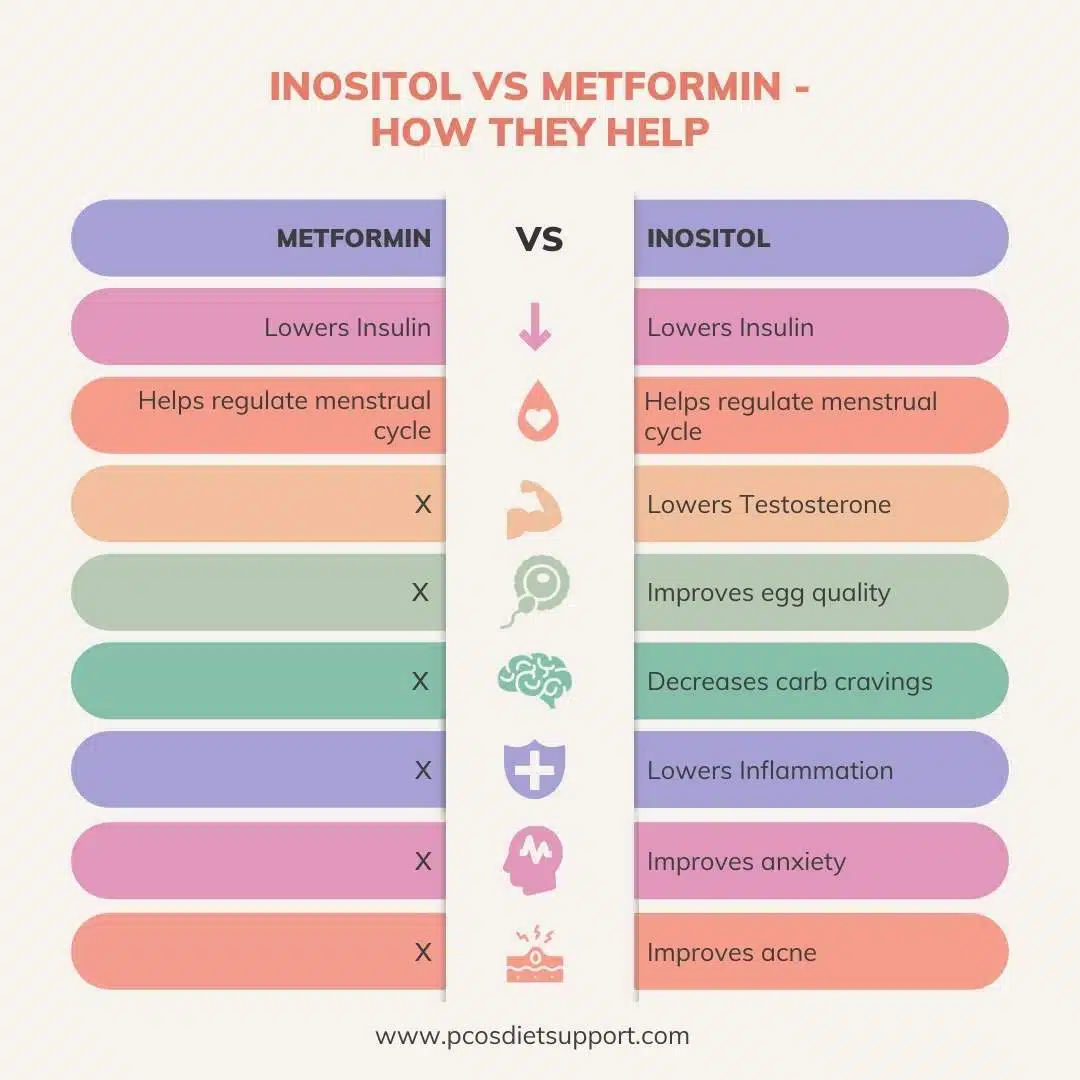
- Extensive longitudinal clinical data supporting its safety and efficacy in glucose metabolism.
- Proven ability to lower circulating androgen levels and restore menstrual cyclicity.
- Favorable impact on ovulation induction and fertility enhancement.
- Widespread availability through standard pharmaceutical distribution channels, often covered by health insurance.
Conversely, the documented drawbacks of Metformin include:
- High incidence of gastrointestinal side effects, leading to high discontinuation rates among patients.
- Risk of vitamin B12 deficiency with long-term usage.
- Minimal direct impact on weight loss or reduction in BMI without strict dietary intervention.
- Requires a formal prescription and ongoing medical supervision due to potential systemic contraindications.
The documented advantages of Inositol include:
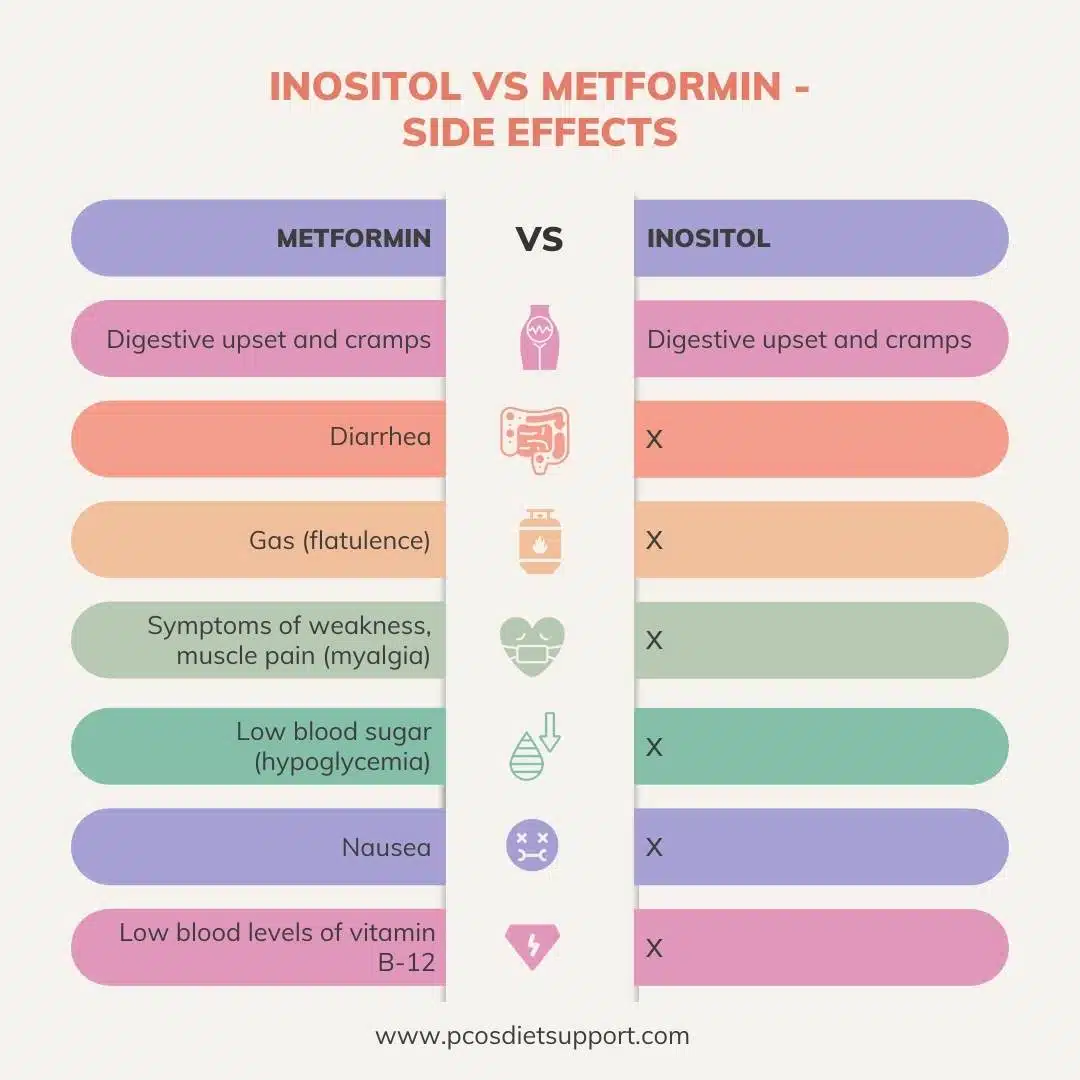
- High level of patient tolerance with a remarkably low incidence of adverse side effects.
- Equal efficacy to metformin in restoring ovulatory function and improving metabolic profiles in numerous clinical trials.
- Beneficial effects on mood regulation, anxiety reduction, and lipid profile improvements.
- Over-the-counter availability, allowing for flexible patient-led protocols under clinical guidance.
The documented drawbacks of Inositol include:
- Potential for mild gastrointestinal discomfort or headaches if taken on an empty stomach.
- Lack of universal insurance coverage, as it is classified as a dietary supplement rather than a pharmaceutical drug.
- Product variability across supplement brands, necessitating careful selection of third-party tested formulations (such as specific myo-inositol and D-chiro-inositol blends).
Combined Therapies and Clinical Guidance
A frequent clinical inquiry among patients diagnosed with PCOS is whether metformin and inositol can—or should—be administered concurrently. Because both compounds function as potent insulin sensitizers, combining them is theoretically possible and sometimes practiced in specialized endocrinology settings for severe cases of insulin resistance. However, this dual approach requires rigorous clinical oversight. Because both substances actively lower blood sugar and insulin levels, concurrent use without proper dosage monitoring can theoretically precipitate hypoglycemia (dangerously low blood sugar).

Furthermore, patients currently prescribed metformin by a physician are strongly advised to consult their healthcare provider before introducing any new supplement regimen, including over-the-counter inositol or specialized combination products like Ovasitol. Medical professionals must evaluate individual metabolic panels, liver and kidney function, and overall treatment goals to determine the safest and most effective therapeutic strategy.
As research into reproductive endocrinology continues to evolve, the medical community’s understanding of insulin sensitizers in PCOS management underscores the importance of personalized medicine. While traditional pharmaceuticals like metformin remain a foundational tool—particularly for patients with advanced metabolic dysfunction or overt type 2 diabetes—natural alternatives such as myo-inositol offer a compelling, well-tolerated pathway for symptom management. By carefully balancing clinical efficacy, side effect profiles, and individual patient health histories, modern healthcare providers can better tailor interventions to improve the long-term metabolic, reproductive, and psychological well-being of women living with PCOS.
