
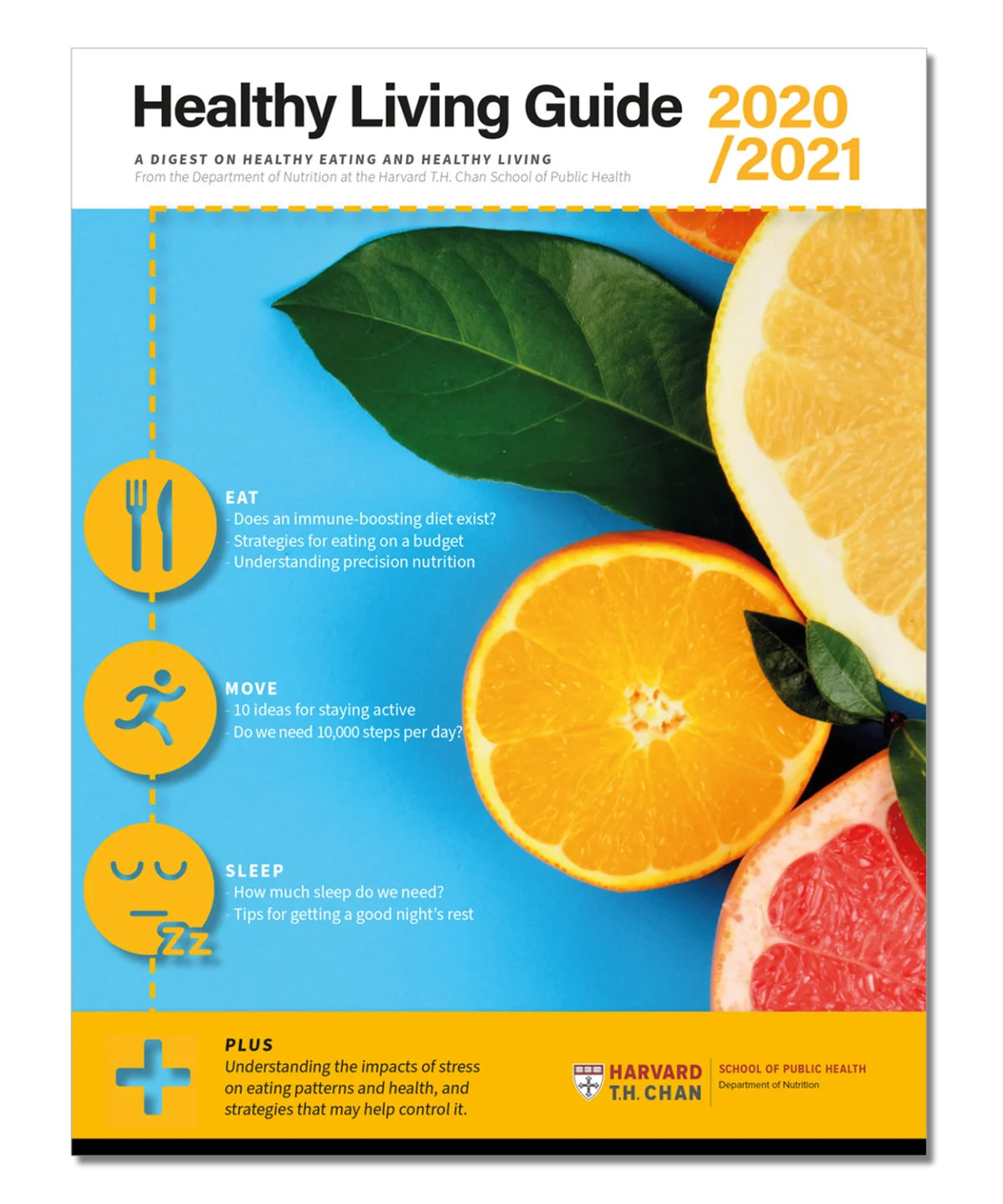
The ongoing COVID-19 pandemic, a global health crisis that began in late 2019 and significantly impacted 2020, continued to cast a long shadow over the transition into 2021. This unprecedented public health emergency has permeated nearly every facet of daily life, presenting individuals with a complex tapestry of unique challenges. These challenges range from disrupted access to essential resources, including nutritious food, to significant financial instability and widespread emotional distress. As the world grappled with the multifaceted consequences of the pandemic, the importance of maintaining a robust immune system and overall well-being became more pronounced than ever.
While the scientific community continues to investigate specific dietary interventions that might bolster defense against COVID-19, a broad consensus has emerged regarding the critical role of a healthy lifestyle in supporting immune function. Beyond its direct impact on immunity, a substantial body of research underscores the profound longevity benefits associated with adopting key healthy habits. A landmark study, highlighted by Harvard’s T.H. Chan School of Public Health, revealed that individuals who consistently adhere to five core lifestyle practices—namely, consuming a healthy diet, engaging in regular physical activity, maintaining a healthy body weight, moderating alcohol consumption, and abstaining from smoking—can expect to live more than a decade longer compared to their counterparts who do not.
The implications of these habits extend beyond mere lifespan, influencing the quality of those additional years. Research further indicates that adopting these five foundational habits during middle age is associated with an increased number of years lived free from debilitating chronic diseases. This includes a reduced risk of developing conditions such as type 2 diabetes, cardiovascular disease, and various forms of cancer. The prospect of not only living longer but also living healthier, more vibrant lives free from the burdens of chronic illness represents a significant societal and personal benefit.
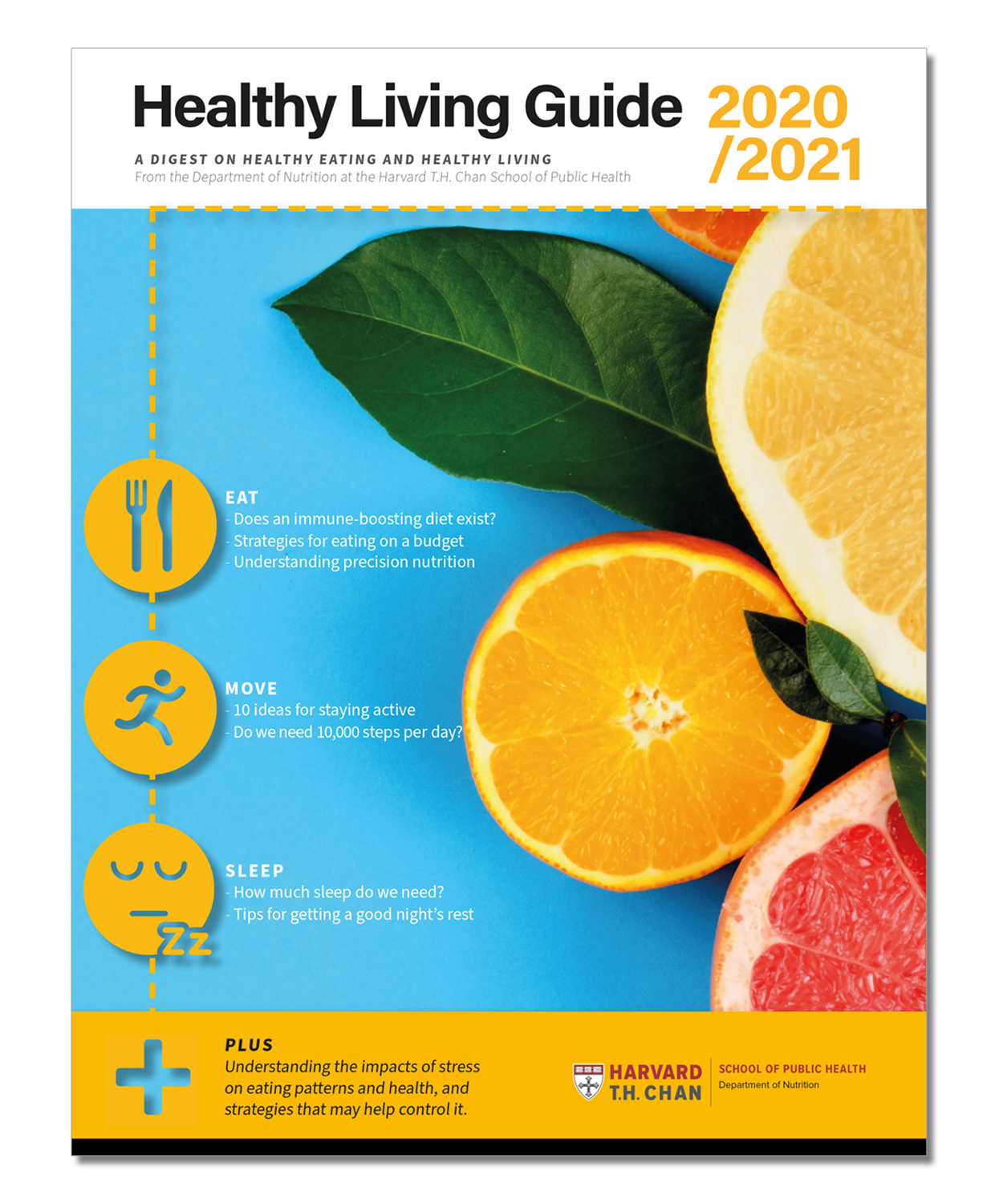
Acknowledging that the consistent practice of healthy habits can be a formidable undertaking, especially amidst prevailing global uncertainties, resources such as the "Healthy Living Guide" have been developed. This guide aims to provide practical tips, actionable strategies, and accessible information to support individuals in their pursuit of a healthier lifestyle. In these particularly challenging and unpredictable times, embracing opportunities to cultivate well-being—whether through experimenting with new, nutritious recipes, incorporating regular exercise, or engaging in fulfilling hobbies—can offer not only physical health benefits but also a much-needed sense of purpose and enjoyment.
The "Healthy Living Guide" is made available in a downloadable PDF format, offering printable tip sheets and concise summaries designed for easy reference. For those seeking more in-depth information, the guide also provides links to comprehensive online articles. This dual approach caters to diverse learning preferences, enabling individuals to engage with the material in a way that best suits their needs and circumstances. The initiative reflects a proactive effort to empower individuals with the knowledge and tools necessary to navigate health challenges and enhance their overall quality of life.
The Pandemic’s Health Landscape: Food Access, Income, and Emotional Well-being
The COVID-19 pandemic’s impact on public health has been far-reaching and deeply personal. For many, the disruption to daily routines and economic stability has had a direct effect on their ability to access and afford nutritious food. Supply chain interruptions, job losses, and increased reliance on food assistance programs have become common themes in communities worldwide. This has, in turn, exacerbated existing health disparities and created new vulnerabilities, particularly for low-income households and essential workers.
The economic fallout from the pandemic has been substantial. Widespread business closures and reduced economic activity led to significant income disruptions for millions. This financial strain often forces difficult choices between essential needs, with healthy food frequently being sacrificed in favor of housing, utilities, or medical expenses. The World Health Organization (WHO) has consistently highlighted the link between socioeconomic factors and health outcomes, and the pandemic has served as a stark reminder of this interconnectedness. Reports from organizations like the United Nations Food and Agriculture Organization (FAO) have documented a global increase in food insecurity, directly attributable to pandemic-related economic shocks.
Beyond the tangible impacts on food and finances, the pandemic has also taken a significant toll on mental and emotional well-being. Increased social isolation due to lockdowns, fear of infection, grief over lost loved ones, and uncertainty about the future have contributed to a surge in reported cases of anxiety, depression, and stress. The Centers for Disease Control and Prevention (CDC) in the United States, for example, has reported elevated levels of mental health concerns among the general population. This emotional distress can, in turn, negatively influence health behaviors, leading to increased consumption of unhealthy foods, reduced motivation for physical activity, and poorer sleep quality, creating a detrimental feedback loop.
The Five Pillars of Longevity and Well-being: A Deeper Dive
The foundation of a healthy and long life, as elucidated by extensive research, rests upon five critical lifestyle choices. These pillars, when integrated into daily life, create a powerful synergy that promotes both longevity and vitality.
-
Healthy Eating: This encompasses a balanced intake of nutrient-dense foods, emphasizing fruits, vegetables, whole grains, lean proteins, and healthy fats. It involves limiting processed foods, excessive sugar, saturated and trans fats, and sodium. The Mediterranean diet, for instance, is frequently cited as a model for healthy eating, characterized by its abundance of plant-based foods, fish, and olive oil, and has been linked to reduced risk of heart disease and certain cancers. Nutritional guidelines from leading health organizations consistently advocate for a dietary pattern that prioritizes whole, unprocessed foods.
-
Regular Physical Activity: The recommended guidelines from the World Health Organization (WHO) suggest at least 150 minutes of moderate-intensity aerobic activity or 75 minutes of vigorous-intensity aerobic activity per week, along with muscle-strengthening activities at least two days a week. Regular exercise not only improves cardiovascular health, strengthens muscles and bones, and helps manage weight, but also plays a crucial role in mood regulation and stress reduction. Studies published in journals like The Lancet have demonstrated that physical inactivity is a significant risk factor for numerous chronic diseases, comparable in impact to smoking.
-
Maintaining a Healthy Body Weight: This is often achieved through a combination of balanced nutrition and regular exercise. A healthy body weight, typically measured by Body Mass Index (BMI), reduces the strain on the body’s systems and lowers the risk of developing obesity-related health issues such as type 2 diabetes, hypertension, and sleep apnea. The U.S. Department of Health and Human Services provides extensive resources on healthy weight management, emphasizing sustainable lifestyle changes over rapid weight loss.
-
Moderating Alcohol Consumption: Excessive alcohol intake is a known contributor to a wide range of health problems, including liver disease, cardiovascular issues, certain cancers, and mental health disorders. Health organizations generally recommend limiting alcohol consumption to one drink per day for women and up to two drinks per day for men. This moderation is key to mitigating the negative health impacts associated with alcohol.
-
Abstaining from Smoking: Tobacco use remains one of the leading preventable causes of death globally. Smoking is a primary risk factor for lung cancer, heart disease, stroke, and respiratory illnesses. The benefits of quitting smoking are profound and immediate, with health markers improving significantly soon after cessation. Public health campaigns and resources from organizations like the WHO and national health departments are dedicated to supporting individuals in their efforts to quit smoking.
The "Healthy Living Guide": Empowering Individuals in Uncertain Times
The development of resources like the "Healthy Living Guide" represents a strategic response to the health challenges exacerbated by the COVID-19 pandemic. The guide’s overarching objective is to equip individuals with practical, evidence-based strategies to foster a healthier lifestyle, even amidst significant societal disruption.
The guide is structured to be accessible and actionable, offering both printable materials for immediate use and links to more detailed online content. This approach acknowledges that individuals have varying preferences and access to technology. The printable tip sheets and summaries provide convenient, at-a-glance information, ideal for quick reference or for those who prefer a tangible resource. The inclusion of a "Healthy Living Bingo Challenge," as suggested by accompanying imagery, further illustrates the guide’s aim to make healthy habits engaging and achievable through gamification. Such challenges can motivate individuals to try new activities and incorporate a variety of healthy practices into their routines, transforming the pursuit of well-being into an enjoyable endeavor.
The content within the guide is designed to address the multifaceted nature of healthy living, moving beyond mere dietary advice to encompass a holistic approach to well-being. This includes practical advice on meal planning, incorporating physical activity into busy schedules, stress management techniques, and strategies for maintaining healthy sleep patterns. By offering a comprehensive suite of resources, the guide seeks to empower individuals to take proactive steps towards improving their health and resilience.
Broader Implications and Future Outlook
The sustained impact of the COVID-19 pandemic has underscored the critical importance of public health initiatives that promote healthy lifestyles. As societies emerge from the immediate crisis, there is a growing recognition of the need for long-term strategies to address chronic diseases and build more resilient populations. The insights gained from the pandemic experience are likely to inform future public health policies and interventions, with a greater emphasis on preventative care and the promotion of healthy behaviors.
The research highlighted by Harvard’s T.H. Chan School of Public Health, demonstrating the significant life extension and increased years of disease-free living associated with healthy habits, provides a compelling case for continued investment in public health education and accessible resources. The "Healthy Living Guide" exemplifies such an investment, offering practical tools that can contribute to improved individual and community health outcomes.
The challenge moving forward will be to ensure that these resources are widely disseminated and accessible to all segments of the population, particularly those who have been disproportionately affected by the pandemic. Addressing systemic barriers to healthy living, such as food deserts, lack of safe recreational spaces, and socioeconomic inequalities, will be crucial in achieving equitable health outcomes. The long-term implications of fostering a culture of healthy living are profound, promising not only longer lifespans but also a higher quality of life for individuals and a healthier, more productive society overall. The ongoing commitment to providing accessible and actionable health information, like that found in the "Healthy Living Guide," is a vital step in this direction.
