
The COVID-19 pandemic catalyzed a profound shift in public understanding and personal strategies for mitigating the spread of respiratory illnesses, moving beyond traditional vaccine-centric approaches to encompass a broader spectrum of environmental and behavioral interventions. Experts and informed individuals have increasingly focused on airborne transmission as the primary mode of spread for many pathogens, prompting a re-evaluation of public health guidelines and personal protective measures. This comprehensive guide, informed by evolving scientific consensus, outlines key tools and resources for individuals seeking to reduce their risk of infection in an increasingly complex microbial landscape.
The Evolving Science of Germ Transmission: Beyond Droplet Dogma
For decades, the prevailing understanding of respiratory disease transmission, often termed "droplet dogma," held that pathogens primarily spread via large droplets expelled during coughs and sneezes, falling rapidly to surfaces or within a short distance. This paradigm underpinned many early pandemic responses, emphasizing handwashing, surface sanitization, and the "six-foot rule." However, rigorous scientific investigation, particularly by a tenacious cohort of researchers around early 2021, thoroughly debunked this model for COVID-19 and, by extension, many other respiratory viruses. It is now widely accepted that pathogens like SARS-CoV-2 transmit predominantly through aerosols – microscopic airborne particles that can remain suspended in the air for extended periods and travel significant distances, much like smoke.
This critical shift in understanding renders many traditional control measures, such as plexiglass barriers and most cloth masks, largely ineffective against airborne transmission, though they may retain some utility against other types of germs or larger droplets. The implication is clear: to minimize infection risk, individuals must focus on reducing the inhalation of shared exhaled air. Furthermore, the notion that "getting sick helps your immune system" is a pervasive misconception. Evidence suggests that severe infections, including COVID-19, can in fact dysregulate the immune system, potentially increasing susceptibility to subsequent infections. Another crucial point is the variability of COVID-19 symptoms across individuals and variants; a mild cough or even a general feeling of being "off" could indicate an infection, challenging the reliability of self-diagnosis or rapid antigen tests, especially if improperly administered.
Monitoring Indoor Air Quality with CO2 Sensors
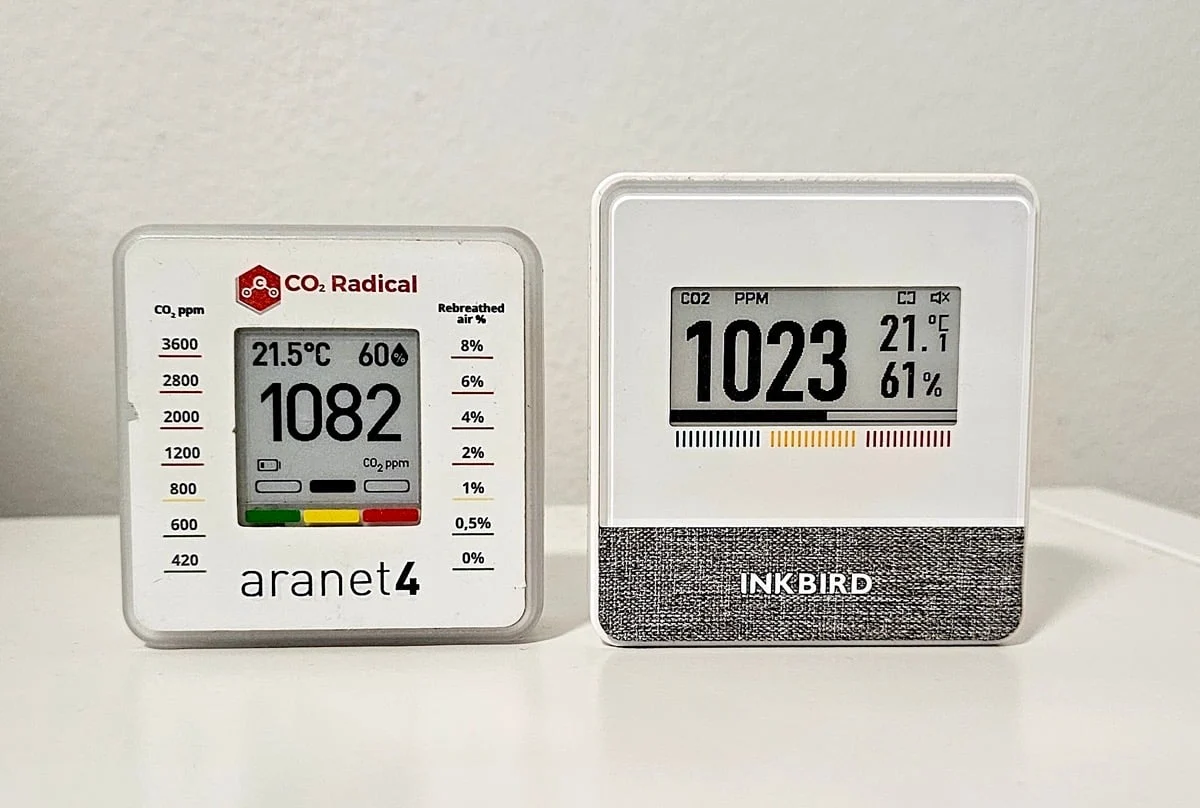
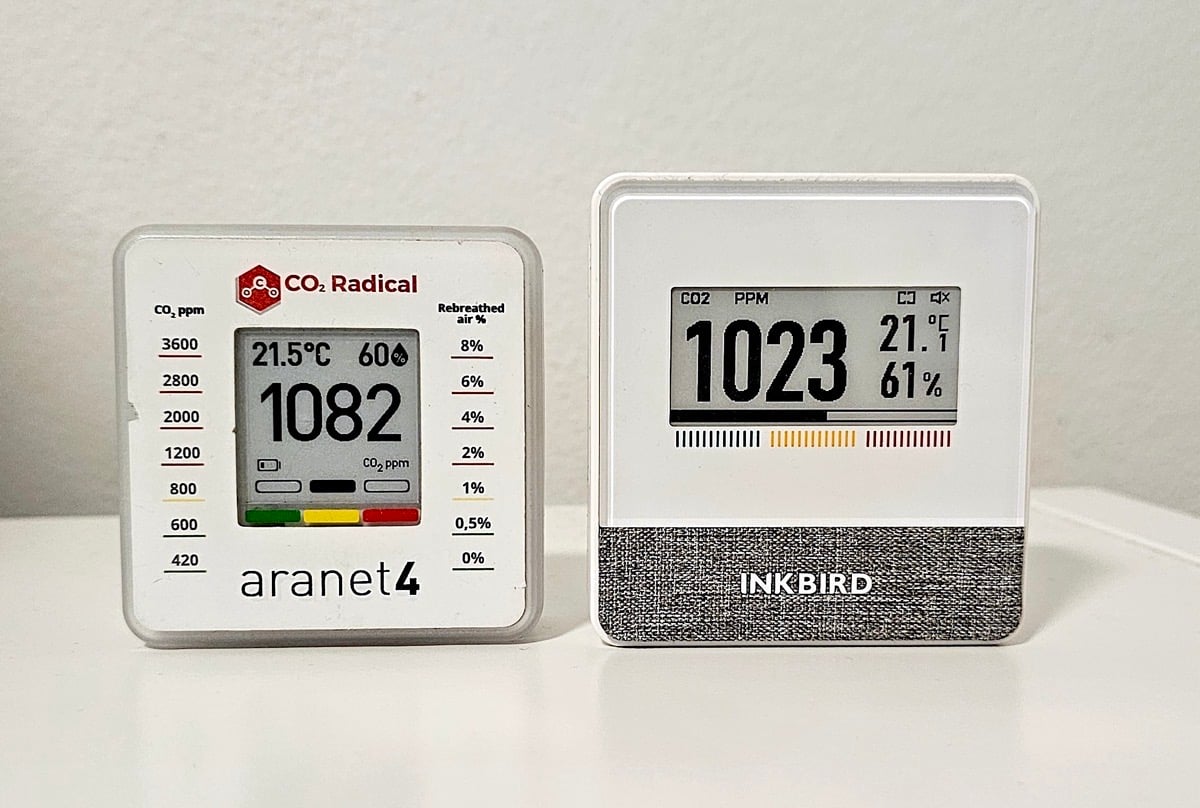
One of the most practical tools for assessing airborne infection risk in indoor environments is a portable CO2 monitor. Carbon dioxide, exhaled by humans, serves as a reliable proxy for the concentration of exhaled breath in an enclosed space. Higher CO2 levels indicate a greater accumulation of shared air, and consequently, a higher potential for airborne pathogen transmission. For context, outdoor CO2 levels typically hover around 400-450 parts per million (ppm).
Portable devices, such as the Aranet4 Home or Inkbird monitors, provide real-time data, allowing individuals to make informed decisions about their environment. For instance, an uncrowded room with a crossbreeze might register low CO2, while a seemingly well-ventilated gym with blasting air conditioning or a crowded warehouse could surprisingly harbor high levels. Personal guidelines often suggest that CO2 levels below 600 ppm indicate relatively good ventilation, minimizing risk to close-range interactions. Levels exceeding 1000 ppm, however, warrant caution, suggesting poor ventilation and a significantly increased risk of widespread airborne transmission, prompting considerations for mask-wearing or limiting exposure duration.
Beyond infection control, CO2 monitoring offers additional benefits. Studies have linked elevated indoor CO2 levels to reduced cognitive function and increased fatigue. Many individuals have discovered, through monitoring, that their homes or offices suffer from inadequate ventilation, leading to actionable changes like opening windows, which can improve sleep quality and overall well-being. This technology effectively "lifts the fog" on unseen environmental risks, transforming abstract concerns into quantifiable data points. It is important to note that while CO2 levels reflect air exchange, they do not account for active air purification systems like HEPA filters, which can clean air even in poorly ventilated spaces (e.g., modern aircraft cabin filtration systems, which are highly effective when running, but often inactive during ground operations).
Respirators: Advanced Personal Protective Equipment
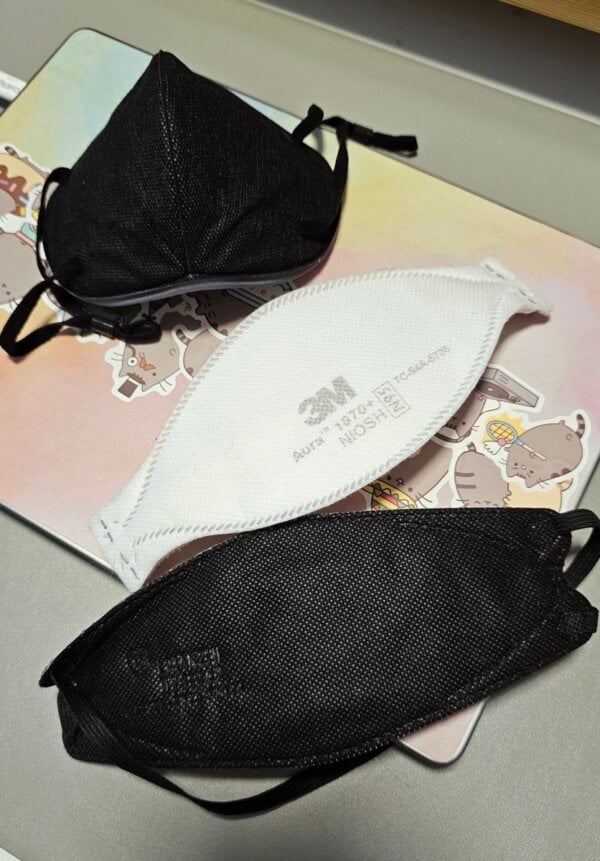
Respirators, such as N95, P2, KN95, and KF94 masks, represent the gold standard in personal protection against airborne pathogens. Unlike surgical or cloth masks, which primarily protect others from the wearer’s exhalations, respirators are designed to create a tight seal around the face and filter at least 95% of airborne particles, thus effectively protecting the wearer.
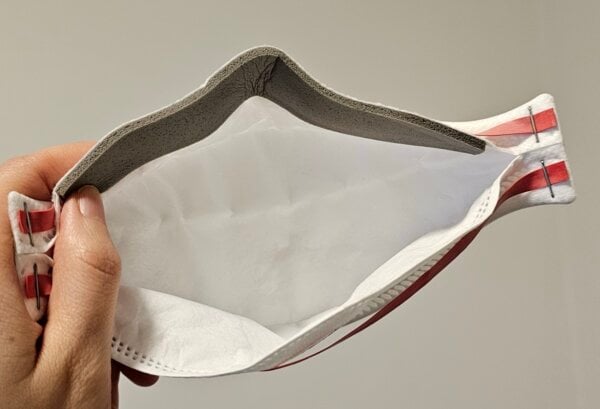
The effectiveness of a respirator hinges on its fit. While occupational settings mandate rigorous fit testing, individuals can achieve substantial protection through a simple "seal check" – inhaling sharply to feel the mask pull inward and checking for air leaks around the edges. Soft, boat-shaped designs like the 3M Aura are frequently cited for their high filtration efficiency (often enhanced by electrostatic materials) and broad fit compatibility, reportedly sealing well on over 90% of faces. Headstraps generally provide a superior, more consistent seal compared to earloops.
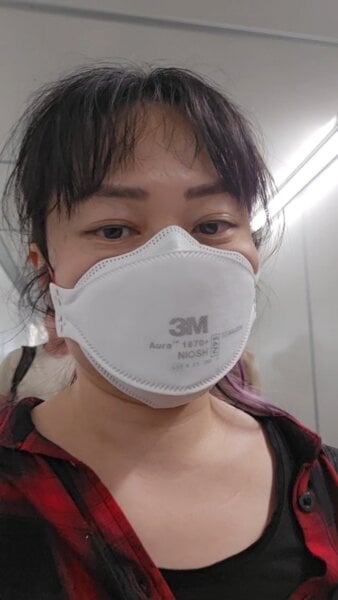
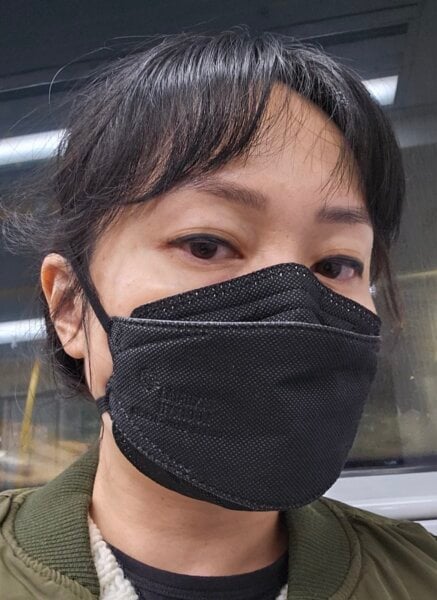
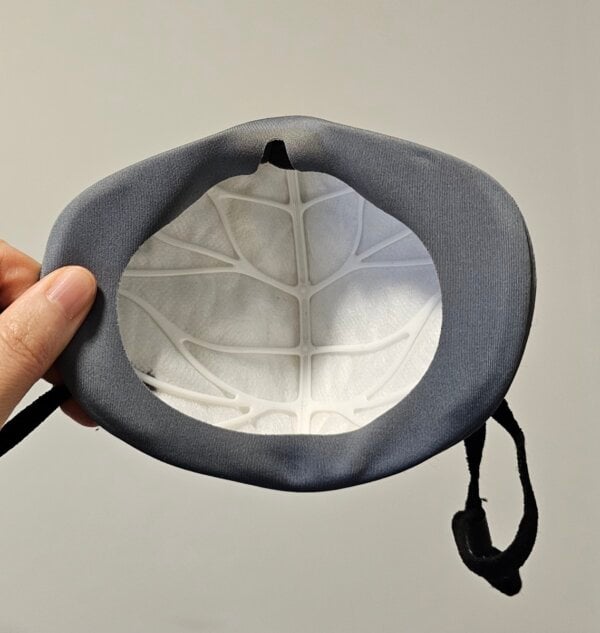
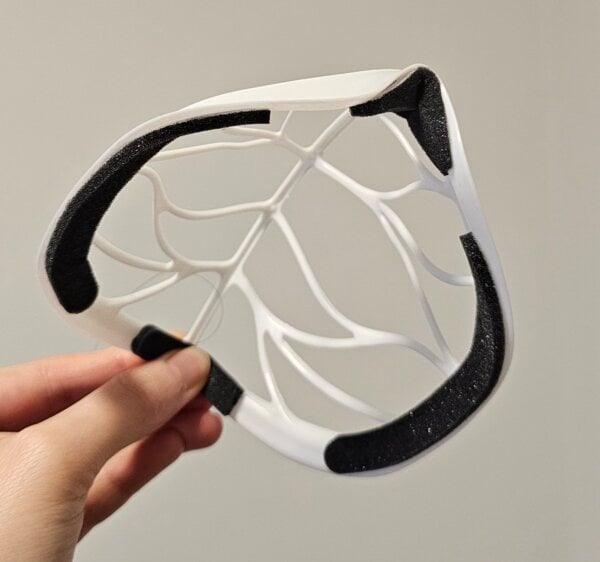
Respirators are durable; they can be reused until the filter material becomes noticeably difficult to breathe through or the seal deteriorates. Cost-effectiveness has also improved, with many high-quality N95s available for a few dollars each, especially when purchased in bulk. Innovations in design, such as the Zimi Air, which features an internal frame and gasket, aim to improve comfort, minimize facial marks, and accommodate makeup, addressing common barriers to consistent use. Even with earloops, Zimi’s design can approximate the seal of headstrap masks due to its adaptive gasket.
Beyond infection prevention, respirators offer ancillary health benefits. Many users report reduced incidence of nosebleeds on planes due to the increased humidity maintained within the mask, and protection against pollen, smoke, and general air pollution. Consistent use is particularly advised in high-risk environments such as crowded indoor spaces, public transport, healthcare settings, and during periods of high community viral transmission.
Targeted Air Purification Technologies
Beyond general ventilation and personal respirators, specialized air purification technologies offer enhanced localized protection.
-
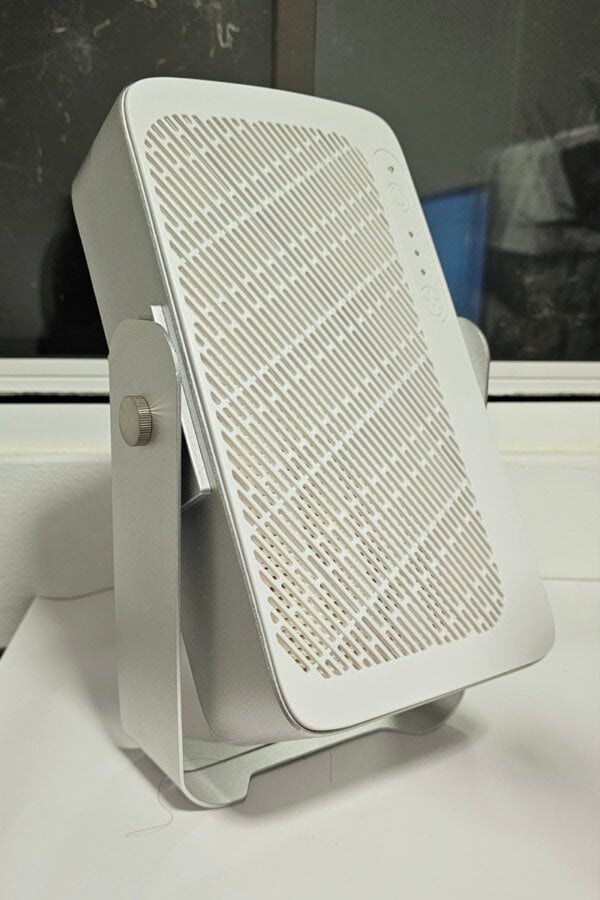
Laminar Air Flow Purifiers: Traditional air purifiers typically generate turbulent airflow, meaning the cleaned air quickly mixes with ambient, potentially contaminated air. Laminar flow purifiers, exemplified by devices like the AirFanta 4Lite, are engineered to maintain a focused, unidirectional stream of clean air over a longer distance. This creates a "personal clean air zone," allowing individuals to breathe significantly cleaner air even in shared, potentially compromised environments, such as while eating in a restaurant. Wearable versions, like the AirFanta Wear, aim to provide a similar, albeit smaller, clean air envelope around the mouth and nose, though they are not a substitute for a well-fitting respirator.
-
Far-UVC Technology: Far-UVC light, specifically at a wavelength of 222 nanometers, represents a promising frontier in airborne pathogen control. Unlike conventional germicidal UVC (which can damage human skin and eyes), 222 nm Far-UVC has demonstrated efficacy in inactivating airborne viruses and bacteria while posing minimal harm to human tissues. This is because its photons are largely absorbed by the outermost layer of dead skin cells and the tear film of the eye, preventing deeper penetration. Companies like Nukit are developing and responsibly deploying Far-UVC devices, such as portable torches, for targeted applications in high-traffic areas, offering an additional layer of disinfection. While research continues to refine safety protocols and product specifications, Far-UVC holds significant potential for broad application in public spaces, healthcare facilities, and transportation, offering a passive, continuous air disinfection solution.
General Air Purifiers: Enhancing Room-Level Air Quality
For broader room-level air quality improvement, conventional air purifiers equipped with High-Efficiency Particulate Air (HEPA) filters are invaluable. These devices effectively remove airborne particles, including viruses, bacteria, pollen, dust, and smoke. The efficacy of an air purifier is often measured by its Clean Air Delivery Rate (CADR), indicating how quickly it cleans a room of specific pollutants, and its ability to achieve a certain number of Air Changes Per Hour (ACH).
Deploying air purifiers in classrooms, offices, hotel rooms, and homes significantly reduces the concentration of airborne pathogens. Resources like Clean Air Stars provide tools to help consumers select appropriate models based on room size and desired CADR. While some individuals may delve into calculating optimal placement and airflow patterns, simply choosing a high-CADR unit and positioning it away from walls can provide substantial benefits. The DIY Corsi-Rosenthal Box, a homemade air purifier constructed from furnace filters and a box fan, emerged during the pandemic as an accessible, cost-effective solution for improving indoor air quality.
Proactive Personal Hygiene: Nasal Rinses and Sprays
While not a primary defense against airborne transmission, nasal rinses and sprays offer supplementary protective measures by targeting pathogens that may have entered the nasal passages.
-
Nasal Rinses: Studies have shown that saline nasal irrigation can reduce the duration and severity of common colds and allergies. The mechanism involves physically washing away viruses, bacteria, and allergens trapped in nasal mucus before they can establish a full infection. While not a substitute for clean air, performing a nasal rinse after potential high-risk exposures (e.g., crowded events, dental appointments) is a low-risk practice that could reduce viral load in the nasal cavity. Products like Neilmed bottles and sachets are widely used for this purpose, emphasizing the use of sterile water to prevent rare but serious infections.
-
Nasal Sprays: Various nasal sprays are being explored for their potential to block viral entry or inactivate viruses on contact within the nasal passages. These can include formulations with barrier-forming polymers, antiviral agents, or compounds that alter local pH. However, consistent and effective delivery of active ingredients to the entire nasal mucosa remains a challenge. While research is ongoing, and some products show promise, they are generally not yet considered a standalone primary preventive measure but rather a potential adjunct to other strategies.
Monitoring Community Viral Levels and Broader Implications
Staying informed about community viral transmission levels, akin to checking a UV index for sun exposure, allows for more informed decision-making regarding personal risk. Wastewater surveillance has emerged as a critical public health tool, tracking the presence and concentration of viruses like SARS-CoV-2 in sewage, offering an early and comprehensive indicator of community infection rates independent of individual testing behaviors. When wastewater levels are high, individuals might choose to limit high-risk activities or increase personal protective measures.
The integration of these strategies – enhanced ventilation, personal respirators, targeted air purification, and proactive hygiene – signifies a broader societal recognition of airborne disease challenges. This paradigm shift holds significant implications for public health, urban planning, building codes, and workplace safety. Widespread adoption of improved indoor air quality standards could lead to healthier populations, reduced absenteeism, decreased healthcare burdens, and increased productivity. Challenges remain, including overcoming institutional inertia, ensuring equitable access to protective technologies, and fostering sustained public education and behavioral change. However, the collective knowledge gained from recent global health crises provides a robust framework for building more resilient and healthier communities in the future.
