
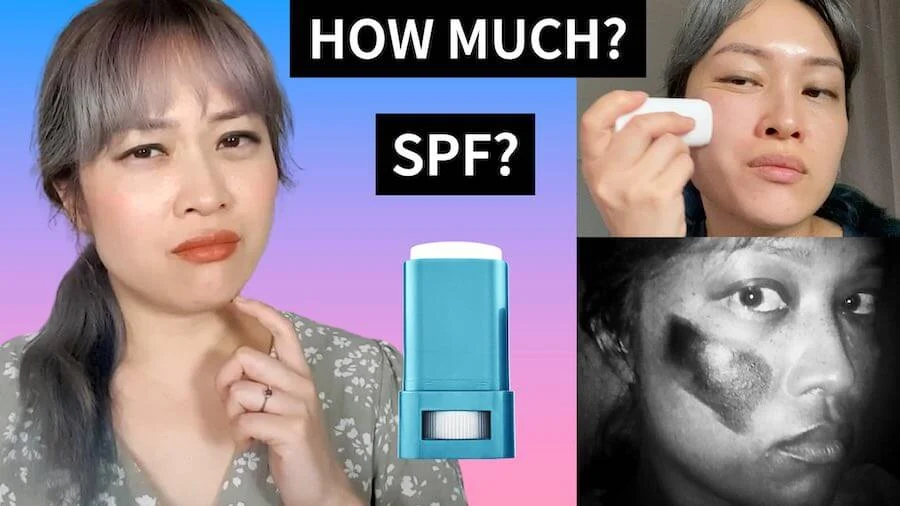
Sunscreen sticks have rapidly gained popularity as a convenient, mess-free alternative to traditional fluid lotions for on-the-go UV protection. Promoted heavily for midday reapplication, travel, and outdoor activities, these solid formats promise effortless skin defense. However, achieving the necessary coverage to meet a product’s labeled Sun Protection Factor (SPF) has long remained a subject of debate among dermatologists and cosmetic chemists. To demystify these application challenges, recent scientific investigations conducted by skincare educator and chemist Michelle Wong—known widely as Lab Muffin Beauty Science—have shed light on the exact quantities needed, the limitations of standard application advice, and the practical realities of using solid sunscreen products.
Background Context of Sunscreen Stick Testing
The standard laboratory testing for SPF—establishing a coverage rate of two milligrams per square centimeter ($2text mg/cm^2$)—is heavily dependent on weight. For an average adult face, this equates to roughly 0.76 grams of product per application. While weighing fluid lotions is relatively intuitive through volumetric approximations like the "two-finger rule," solid stick formulations lack straightforward guidelines.
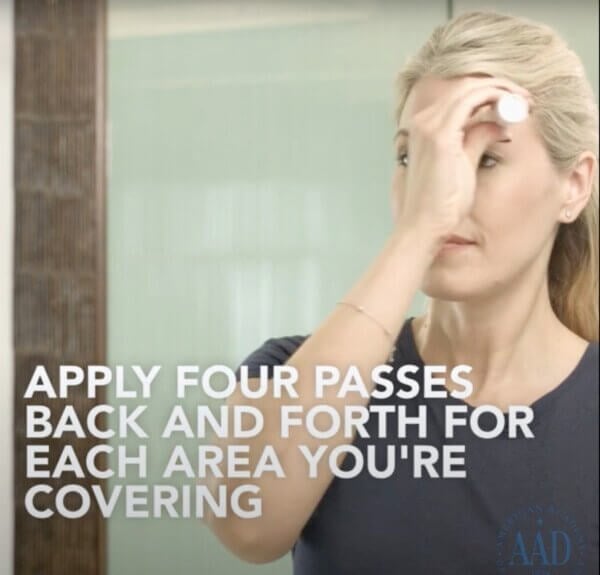
Historically, advisory bodies such as the American Academy of Dermatology (AAD) have suggested applying roughly four passes of a sunscreen stick to ensure adequate coverage. However, the exact methodology behind this recommendation has lacked transparent empirical backing, leading many skincare professionals to question whether four casual swipes genuinely provide the labeled SPF protection. To address these gaps, scientific evaluations were initiated to quantify the mass applied during typical usage, analyze the time spent on the skin, and assess whether standard consumer habits align with regulatory protection standards.
Chronology of the Experimental Investigation
The testing regimen was executed systematically across multiple phases to evaluate popular chemical and mineral Korean sunscreen sticks, specifically utilizing products from brands such as Tocobo, Abib, and Benton.
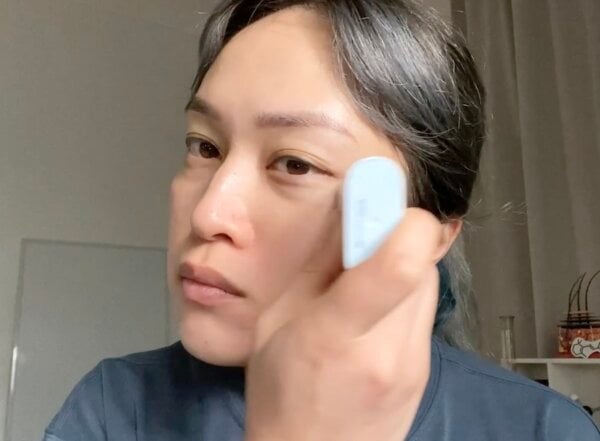
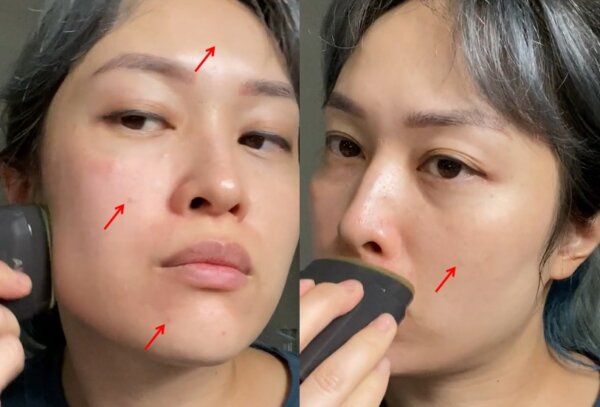
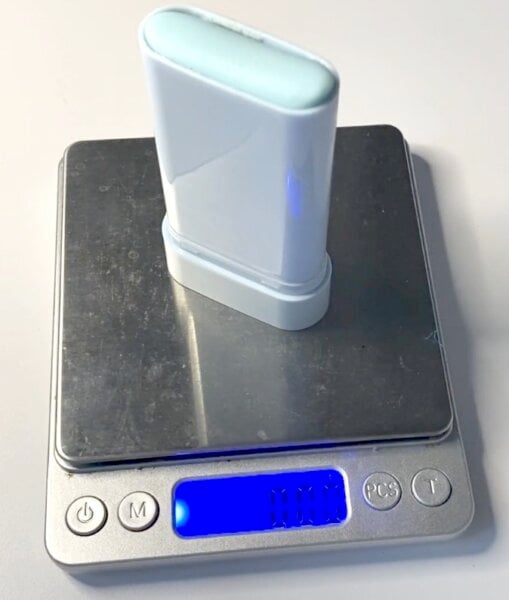
In the initial face-testing phase, high-precision jewelry scales accurate to 0.01 grams were used to weigh the sunscreen sticks before and after application. The researcher applied what was subjectively perceived as a "generous" layer while recording the process in selfie mode. Because initial trials revealed that consumers vastly overestimate the quantity applied in a single pass, subsequent layers were added sequentially, culminating in a three-layer test for each product.
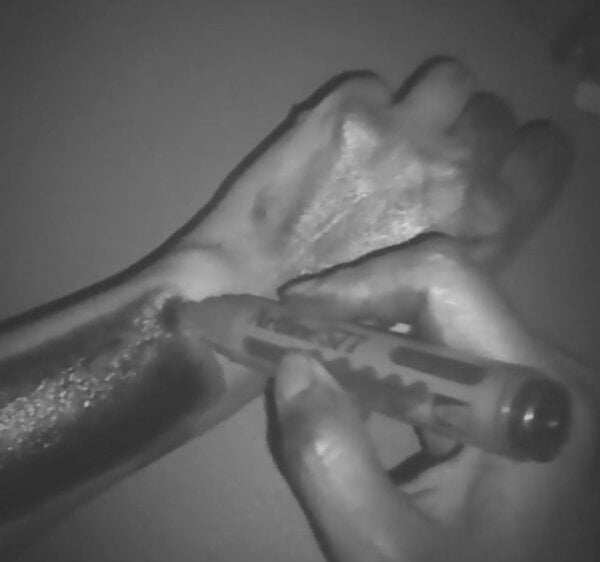
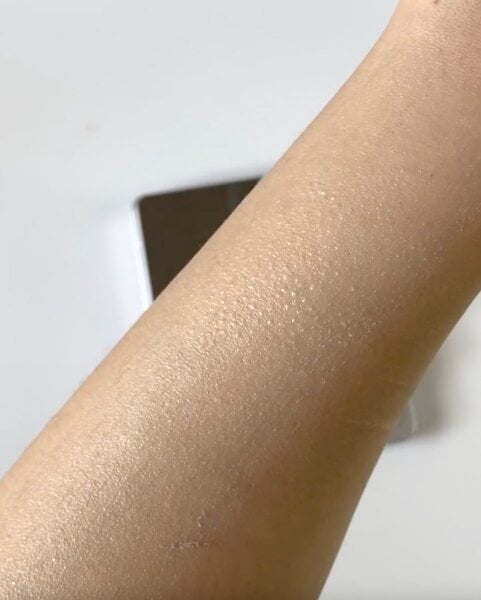
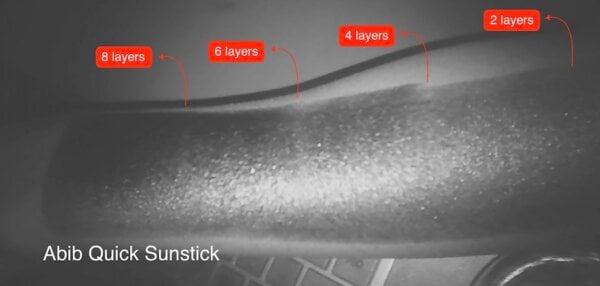
To create a more generalized benchmark for consumers lacking scales, video footage was converted to a constant frame rate, allowing for the precise measurement of cumulative time the stick remained in contact with the skin. Later phases expanded the investigation to flat surface areas on the arm, utilizing UV cameras and markers to calculate transfer rates, surface area dimensions, and the precise number of passes required to achieve standard regulatory density.
Supporting Data and Findings

The empirical data gathered during the experiments revealed significant discrepancies between consumer expectations and actual physical transfer rates. During face testing, a single generous application of the tested sticks yielded an average of only about one-third of the required 0.76 grams necessary for full label protection.

Specifically, the first layer yielded an estimated SPF equivalent ranging merely from 16.4 to 21.7, despite the sticks maintaining skin contact for periods ranging between 43 and 78 seconds. Even after three consecutive layers—a process that took nearly four times as long as applying a standard fluid lotion—the total mass applied averaged only 0.64 grams, failing to reach the optimal threshold while creating an unmanageable, greasy residue.

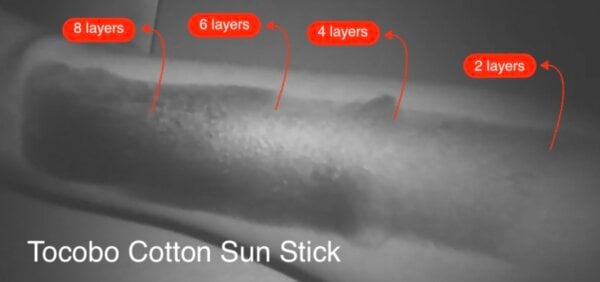
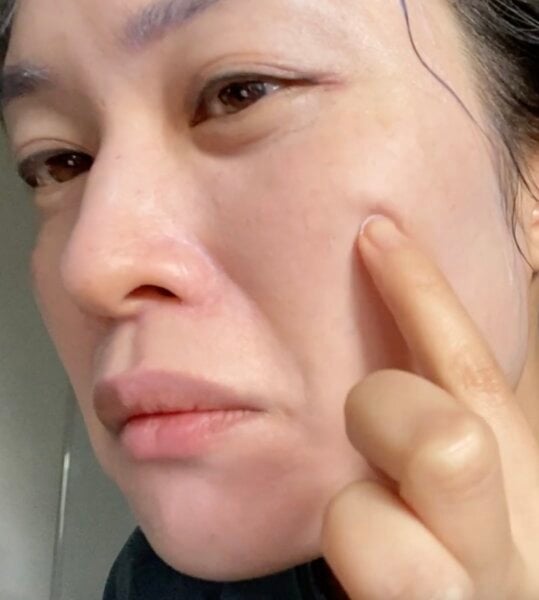
Further testing on the flat surface of the arm demonstrated extreme variance based on pressure and product texture. Achieving the benchmark density of $2text mg/cm^2$ required approximately 16 to 21 passes for the waxy Tocobo stick, and a staggering 40 to 64 passes for the slicker Abib formulation. The data highlighted a fundamental limitation of stick formulations: after a certain threshold, the surface becomes too slippery, causing subsequent passes to transfer negligible amounts of product onto the skin. Furthermore, UV camera imaging exposed a high frequency of missed areas, particularly around complex facial contours such as the bridge of the nose, eyebrows, brow bones, and hairline, due to the poor ergonomics of solid sticks compared to human fingertips.

Official Responses and Dermatological Consensus
While formal regulatory bodies continue to advocate for the convenience of stick sunscreens for targeted reapplication, independent dermatological consensus increasingly aligns with the findings of independent cosmetic scientists. Experts emphasize that while the AAD’s recommendation of four passes may offer some degree of superficial defense, it is mathematically insufficient to achieve the maximum advertised SPF on the label, especially when applied hastily.

Dermatologists stress that solid sticks should not be relied upon as a primary defense mechanism during prolonged, high-intensity sun exposure. Instead, official guidance suggests reserving sticks for minor touch-ups over existing protection or for easily accessible, flat body areas where thorough cross-hatching passes can be deliberately executed.

Broader Impact and Practical Implications

The implications of these findings extend heavily into everyday consumer habits and public health communication regarding UV safety. Sunburns and long-term photoaging often occur not because a sunscreen lacks efficacy in a laboratory setting, but due to widespread under-application in real-world environments.
For everyday consumers, relying solely on a quick swipe of a sunscreen stick across the face provides a false sense of security, often delivering a fraction of the advertised protection. Furthermore, the sensory trade-offs are substantial: achieving adequate protection via a stick requires multiple heavy layers, resulting in a thick, slippery texture that compromises cosmetic wearability and collects debris.

Ultimately, independent scientific testing underscores that traditional fluid lotions remain the superior choice for primary, full-face sun protection due to their predictable weight, ease of spreading, and uniform coverage. Sunscreen sticks retain undeniable utility for targeted reapplication over makeup, children’s cheekbones, or ears when fluid formats are unavailable, provided users understand that significantly more time, pressure, and multiple overlapping passes are mandatory to achieve meaningful coverage.
