
In recent years, an influx of viral social media posts, sensationalized wellness blog entries, and misleading video content has popularized a dangerous narrative: the claim that sunscreen, rather than ultraviolet radiation from the sun, is the primary driver of skin cancer. This counterintuitive and scientifically unfounded hypothesis has migrated from fringe online forums into mainstream public discourse, leaving healthcare professionals, dermatologists, and science communicators scrambling to address real-world patient anxieties. In casual conversations and clinical settings alike, the public is increasingly asking how to debunk claims that attempt to invert decades of established dermatological consensus.
To understand how this misinformation took root, it is necessary to examine the core arguments driving the trend. Promoters of anti-sunscreen narratives typically rely on distorted interpretations of observational data, historical cancer registries, and exaggerated fears regarding chemical formulations. When subjected to rigorous scientific scrutiny, however, these claims collapse under the weight of robust experimental research, clinical trials, and toxicological evaluations.
Decoding Misinterpreted Data: The Fallacy of Observational Studies
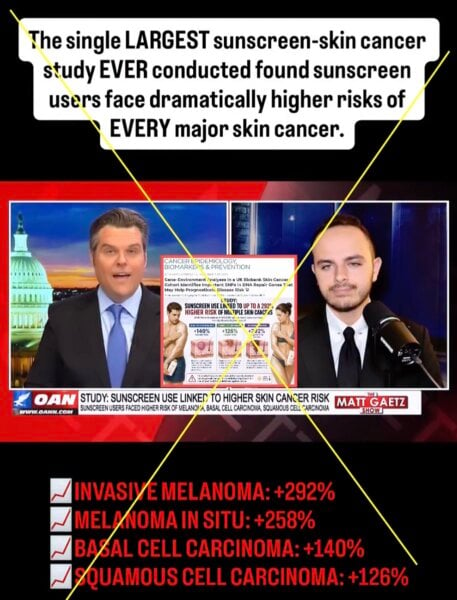
A primary pillar of the anti-sunscreen movement involves citing observational studies that appear to show a positive correlation between sunscreen use and an increased incidence of skin cancer. A prominent example frequently shared online is the UK Biobank study, which has been leveraged in sensationalized headlines to suggest that frequent sunscreen users develop malignancies at higher rates than non-users.
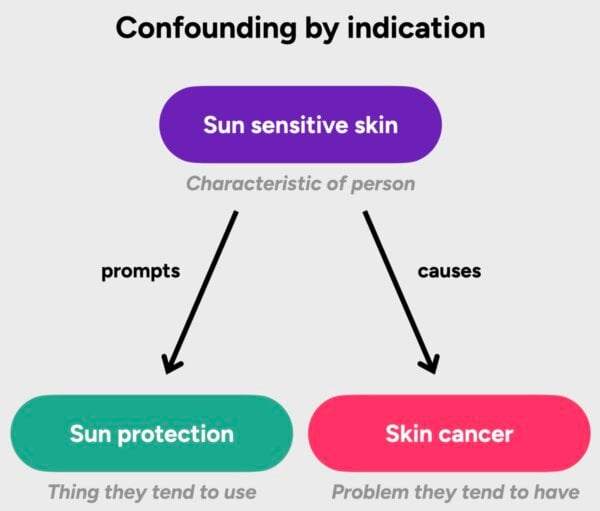
Dermatologists and epidemiologists emphasize a fundamental tenet of scientific research: correlation does not imply causation. Observational studies track people behaving in their natural environments without experimental controls. In these settings, individuals who apply sunscreen are often those who spend significantly more time outdoors, possess lighter skin types that burn easily, or engage in recreational activities under intense sunlight. Consequently, the statistical signal showing higher cancer rates among sunscreen users is the result of confounding variables—specifically, a person’s underlying sun sensitivity and cumulative ultraviolet exposure—rather than the topical lotions they apply.
When researchers isolate these variables or turn to experimental designs, the inverse relationship becomes clear. The gold standard for establishing causality in medicine is the randomized controlled trial (RCT), which actively controls for confounding factors by randomly assigning participants to intervention and control groups.
The Nambour Trial: The Gold Standard in Sunscreen Research
The definitive evidence refuting claims that sunscreen causes skin cancer comes from the landmark Nambour Trial, conducted in Australia. This long-term, randomized controlled trial remains the largest and most rigorous experimental study investigating the relationship between daily sunscreen use and skin cancer development.
In the trial, participants were divided into groups instructed to apply broad-spectrum sunscreen daily versus those who followed their usual habits. The findings, published and followed up over decades in prestigious medical journals including The Lancet and the Journal of Clinical Oncology, provided unequivocal results. Daily sunscreen users demonstrated a statistically significant reduction in the development of both basal cell carcinomas and squamous cell carcinomas. Furthermore, long-term follow-ups revealed that regular sunscreen use cut the incidence of invasive melanoma—the most dangerous form of skin cancer—in half compared to the control group.
Despite the strength of these findings, critics frequently point to rising overall rates of skin cancer diagnoses over the past century to argue that broad-spectrum sun protection has failed.
Historical Context and Rising Skin Cancer Statistics
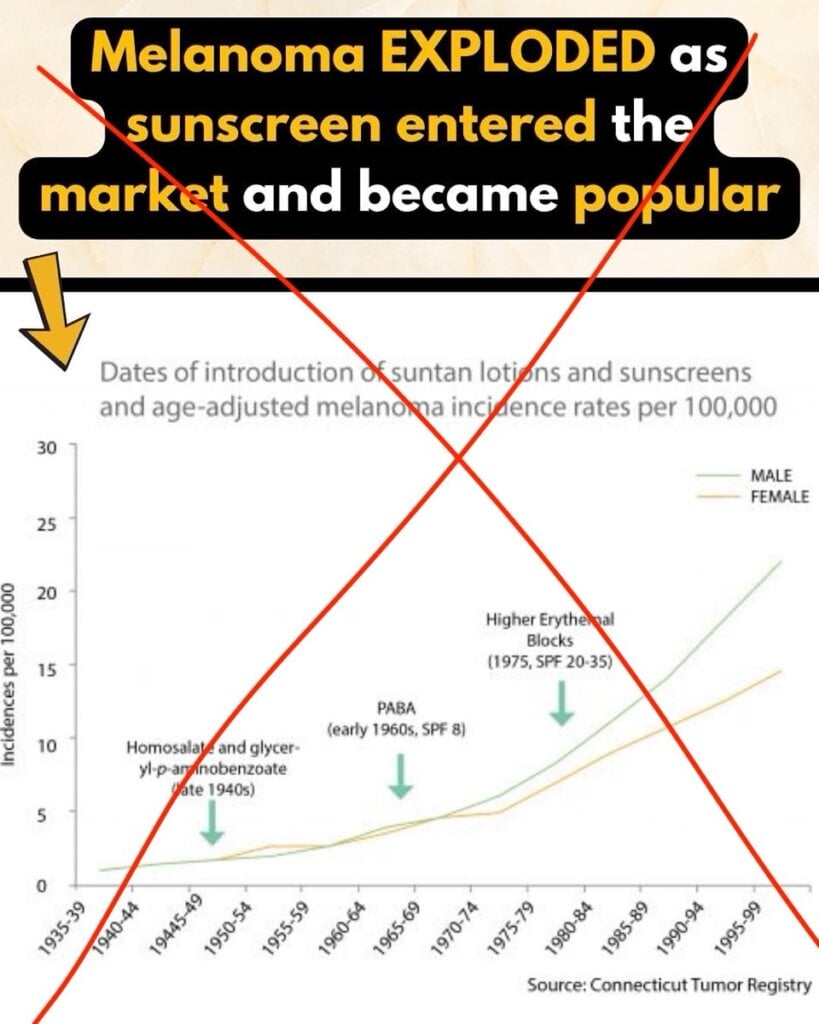
Another common argument advanced by skeptics utilizes historical data, such as cancer registry graphs from Connecticut dating back to the 1940s, which illustrate a sharp upward trajectory in melanoma diagnoses alongside the commercialization and popularization of sunscreen.
Public health experts explain that this rise in diagnoses reflects several concurrent societal shifts rather than a toxic reaction to UV filters. First, public health awareness campaigns launched in the latter half of the 20th century dramatically increased skin cancer screening rates, leading to the early detection of localized lesions that previously went unrecorded. Second, diagnostic criteria have evolved, resulting in the classification of certain early-stage atypical growths as in-situ melanomas that historically would not have been counted as invasive cancers.
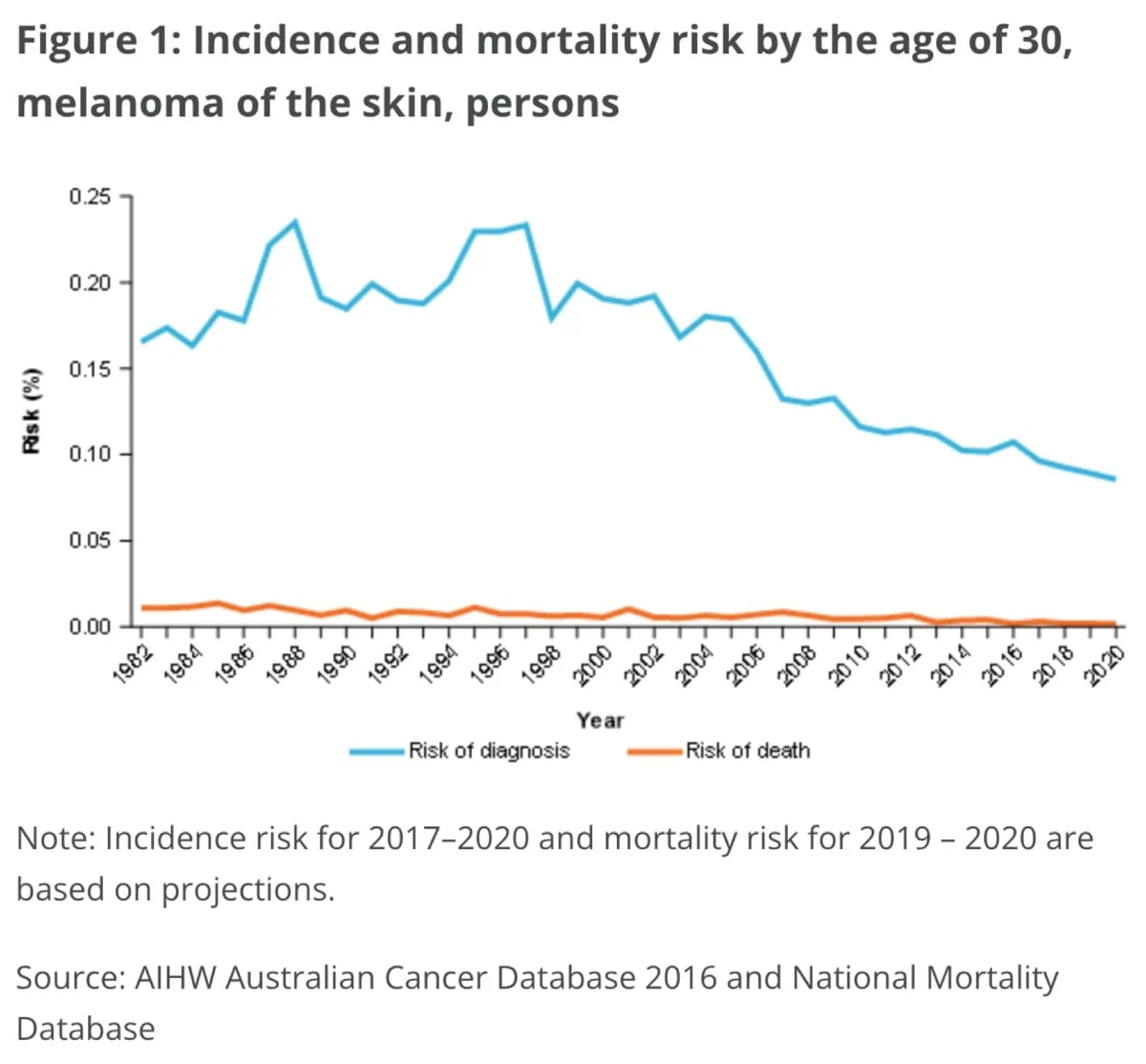
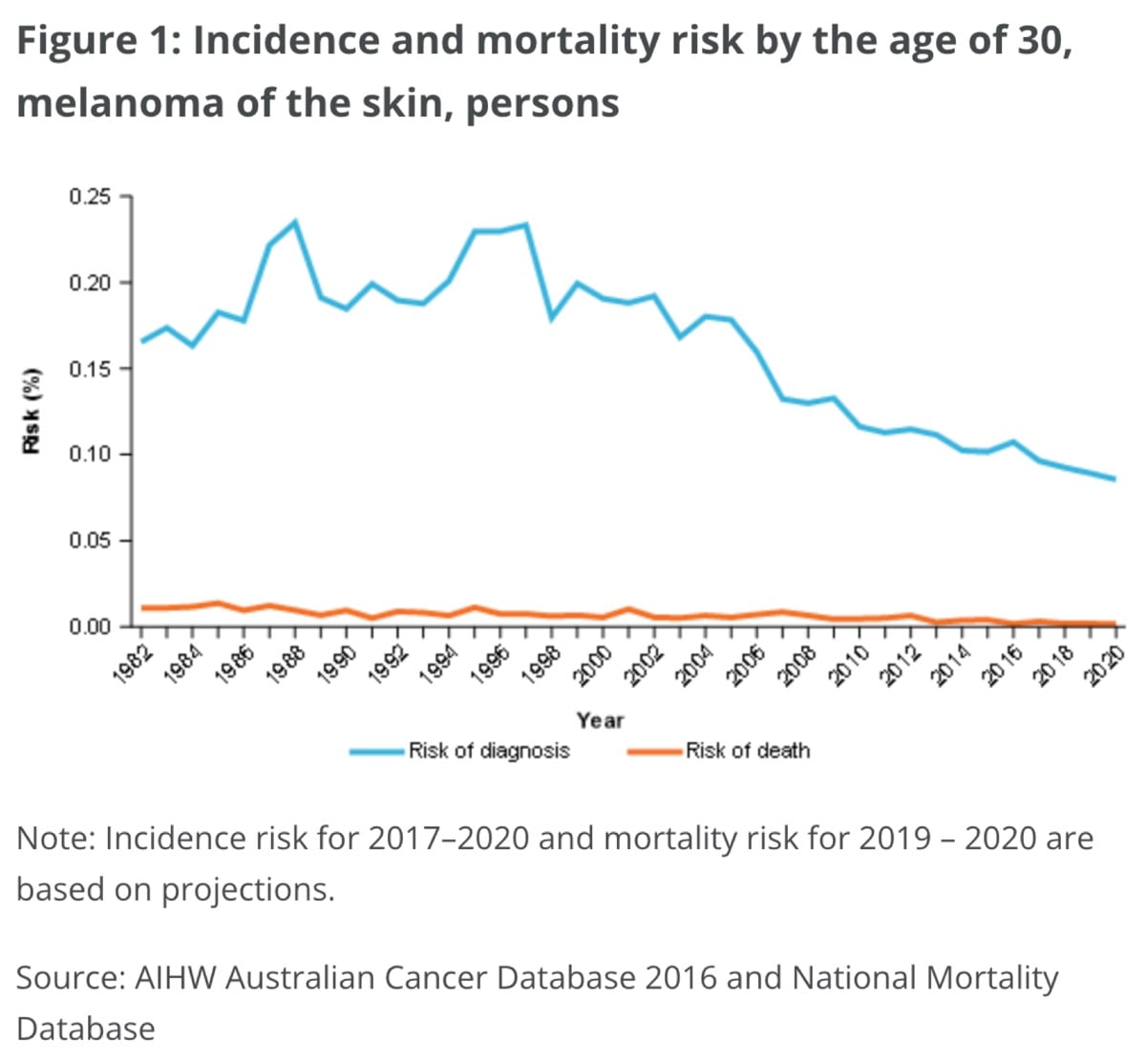
Furthermore, lifestyle changes since the 1940s—such as increased access to affordable air travel, tropical vacations, outdoor leisure culture, and changing fashion trends that expose more skin to sunlight—have drastically elevated cumulative ultraviolet exposure across the global population. When researchers evaluate specific demographics, such as younger populations in high-radiation countries like Australia who have grown up with lifelong, consistent sun-protection campaigns, incidence rates of melanoma are actually stabilizing or declining, directly mirroring the success of public health interventions.
Addressing Concerns Over UVA Protection and Misuse
Critics of modern sunscreens also argue that many formulas historically offered inadequate protection against ultraviolet A (UVA) radiation—which penetrates deeper into the skin and contributes to aging and carcinogenesis—thereby providing a false sense of security that encourages prolonged sun exposure.
While it is true that early commercial sunscreens focused primarily on blocking UVB rays to prevent sunburn, the regulatory landscape and cosmetic chemistry have transformed drastically. For decades, regulatory agencies worldwide have mandated strict standards for broad-spectrum protection, requiring sunscreens to filter both UVB and UVA wavelengths proportionally.
Dermatological organizations acknowledge that human error in application remains a significant hurdle. Studies show that consumers frequently apply only a fraction of the recommended amount of sunscreen, leaving them vulnerable to UV damage. However, public health experts emphasize that the solution to improper application is better consumer education and improved product design—such as the adoption of high-SPF formulations and consistent reapplication—rather than abandoning photoprotection altogether.
Unpacking Peripheral Myths: Benzene, Coral Reefs, and Blood Absorption
As skepticism regarding sunscreens has grown, critics have expanded their arguments beyond cancer statistics to target the safety of specific chemical components, environmental impacts, and systemic absorption.
The Benzene Controversy
Concerns regarding benzene contamination in sunscreens gained traction following independent laboratory analyses that detected trace amounts of the chemical in certain aerosol batches. Public health toxicologists have clarified that benzene is an industrial pollutant and a known human carcinogen linked specifically to hematologic malignancies, such as leukemia, rather than dermal cancers. Regulatory reviews and comprehensive epidemiological studies, including data from the National Health and Nutrition Examination Survey (NHANES), have confirmed that the minute levels detected in isolated sunscreen batches do not pose a measurable clinical risk, and regular sunscreen users frequently exhibit lower blood benzene levels than non-users due to general environmental avoidance behaviors.
Environmental Impact on Coral Reefs
Environmental anxieties regarding chemical UV filters—particularly oxybenzone—destroying coral reefs have also been weaponized to discourage sunscreen use. While early laboratory studies suggested toxicity to coral larvae under extreme, non-environmental concentrations, a comprehensive 2022 review by the National Academies of Sciences, Engineering, and Medicine concluded that broad bans on chemical sunscreens were not supported by rigorous field science. Consensus among marine biologists indicates that the existential threats to coral reefs are global climate change, warming ocean temperatures, and coastal pollution, rather than the minor trace amounts of sunscreen washed off by swimmers.
Systemic Absorption and Endocrine Disruption
Regulatory studies conducted by the U.S. Food and Drug Administration (FDA) demonstrated that active chemical sunscreen ingredients can be absorbed through the skin and detected in the bloodstream under maximal use conditions. While these findings generated consumer alarm, clinical toxicologists note that systemic absorption does not equate to toxicity. Regulatory frameworks in Europe and other international jurisdictions apply rigorous margins of safety—often incorporating a 100-fold safety factor—ensuring that the systemic presence of these compounds falls well below thresholds capable of disrupting endocrine function or causing adverse health effects.
The Scientific Consensus
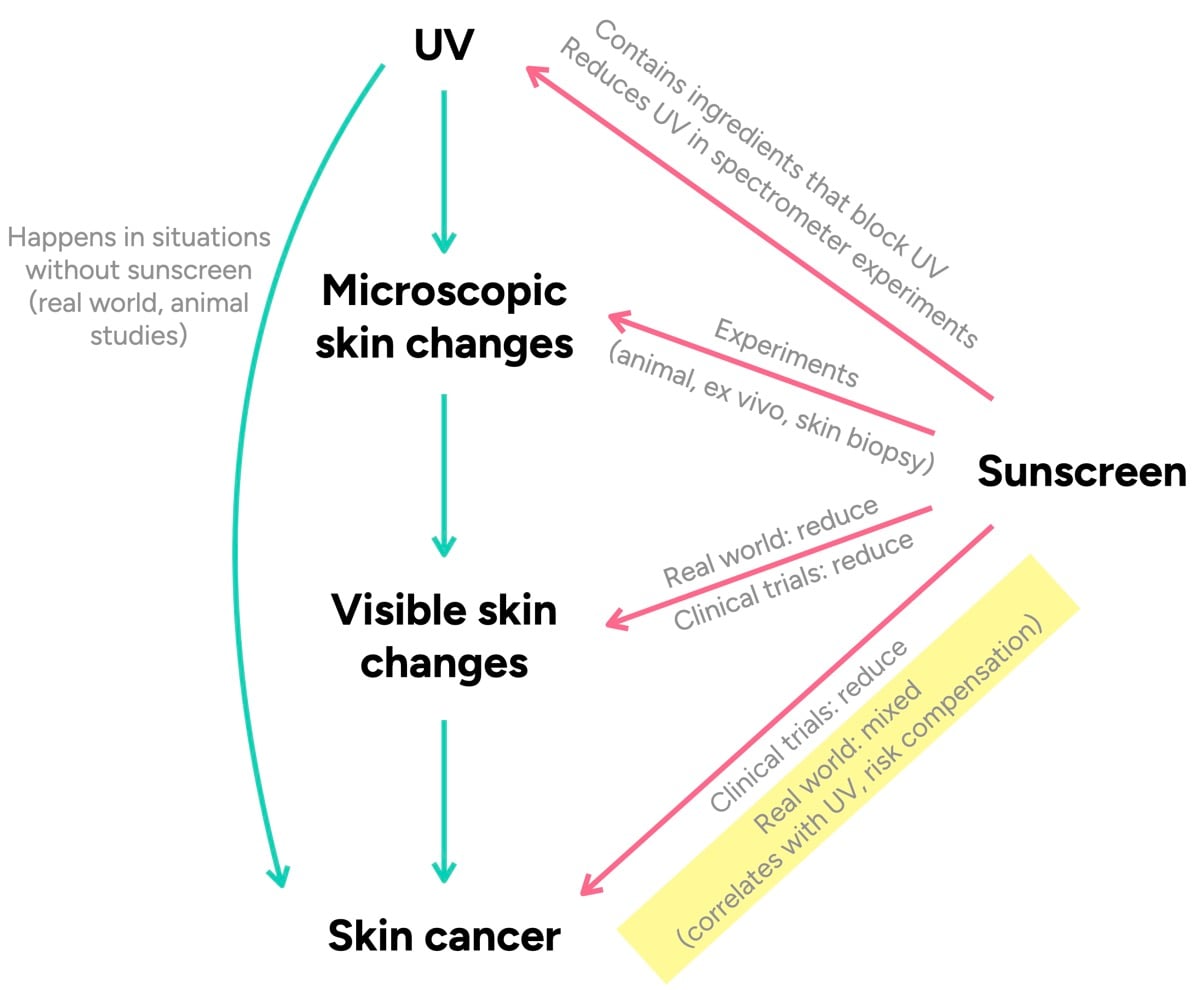
The scientific foundation supporting the safety and efficacy of sunscreen is built upon a cohesive body of evidence spanning experimental human trials, animal models, in vitro cellular studies, and molecular checkpoints. UV radiation possesses sufficient energy to break chemical bonds, generating photoproducts that damage DNA, induce cellular mutations, and trigger neoplastic transformation.
Topical sunscreens intercept this process by absorbing, reflecting, or scattering ultraviolet photons before they penetrate the epidermis, successfully preventing the microscopic and macroscopic cellular changes that culminate in skin cancer.
As misinformation continues to circulate across digital platforms, medical professionals stress that the overwhelming weight of empirical research validates sunscreen as an indispensable tool in cancer prevention. Maintaining rigorous sun-safety practices—including seeking shade, wearing protective clothing, and applying broad-spectrum sunscreen—remains one of the most effective methods for mitigating the devastating global burden of skin malignancies.
