
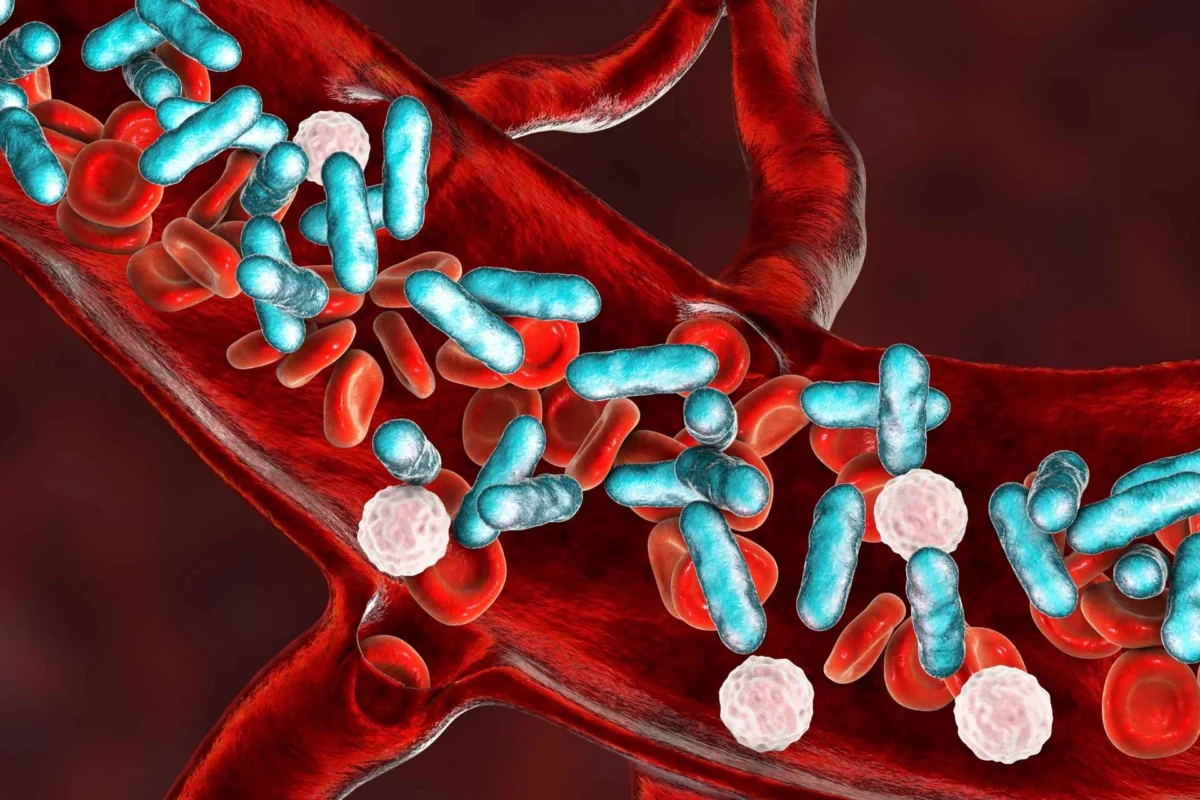
Sepsis remains one of the most formidable and complex challenges in modern critical care medicine, accounting for millions of hospital admissions and deaths globally each year. While clinical science has long understood that the human body’s response to infection dictates the trajectory of sepsis, the underlying factors that cause patients with identical genetic backgrounds and seemingly similar infections to experience wildly divergent outcomes have remained elusive. Now, groundbreaking immunological and microbiological research has shed new light on this clinical paradox, revealing that the composition of an individual’s pre-existing gut microbiome can actively prime the immune system to either survive or succumb to severe systemic infections.
At the center of this discovery is a specific intestinal microbe, Sangeribacter muris KT1-3. According to recent experimental findings, the presence of this bacterium in the gastrointestinal tract significantly worsens the lethality of sepsis. It achieves this by hyper-activating the immune system’s inflammatory pathways, specifically through the Toll-like receptor 4 (TLR4) signaling axis. This revelation bridges a critical knowledge gap in immunology, connecting the dots between commensal gut flora, immune cell priming, and fatal hyper-inflammation. As researchers continue to map the complex ecosystem of the human microbiome, these findings open up novel therapeutic horizons that could fundamentally change how clinicians assess sepsis risk and manage critically ill patients.
The Enigma of Variable Sepsis Outcomes in Genetically Identical Populations
For decades, medical researchers have puzzled over why patients exposed to the same pathogens experience drastically different clinical courses. In standard laboratory settings, researchers utilizing genetically identical mice infected with the exact same dose of a pathogen—such as Acinetobacter baumannii, a notorious hospital-acquired bacterium capable of causing severe sepsis—frequently observed profound disparities in survival rates. Some subjects rapidly deteriorated into septic shock and multi-organ failure, while others mounted a controlled immune response and fully recovered.
Traditional hypotheses focused heavily on subtle genetic mutations, stochastic variations in initial pathogen load, or minor environmental differences. However, the rapidly expanding field of microbiome research pointed toward another major variable: the trillions of microorganisms residing in the gastrointestinal tract. While it has long been established that a balanced gut microbiome helps train the developing immune system and protect against pathogen colonization, the possibility that specific commensal bacteria could actively prime the body for catastrophic inflammation during a subsequent systemic infection remained largely unproven until now.
To investigate this hypothesis, a team of microbiologists and immunologists set out to determine whether variations in the baseline gut microbiota of genetically identical mice could account for the vast differences in survival observed during Acinetobacter baumannii infections. By analyzing the microbial profiles of subjects prior to infection, researchers isolated a distinct correlative factor: subjects harboring high abundances of Sangeribacter muris KT1-3 suffered significantly higher mortality rates than those whose microbiomes lacked or had low levels of the microbe.
Mechanistic Insights: How Sangeribacter muris KT1-3 Amplifies TLR4-Driven Inflammation
To understand how a gut microbe influences an infection occurring outside the gastrointestinal tract, researchers examined the cellular and molecular mechanisms at play during the progression of sepsis. Sepsis is fundamentally a disease of dysregulated inflammation. When the immune system detects an invading pathogen, it releases a cascade of signaling proteins known as cytokines to rally defense mechanisms. However, in sepsis, this response spirals out of control, resulting in a cytokine storm that damages healthy tissues, induces vascular collapse, and leads to organ failure.
The experimental data revealed that Sangeribacter muris KT1-3 acts as a molecular instigator well before the onset of systemic infection. The bacterium interacts with and primes specific immune cells, predominantly macrophages—the front-line scavenger cells of the immune system responsible for detecting foreign invaders and initiating inflammatory responses.
Ordinarily, macrophages mount a proportional defense. However, in the presence of Sangeribacter muris KT1-3, these macrophages undergo a functional shift. They become hyper-reactive, hypersensitive to subsequent bacterial stimuli. When Acinetobacter baumannii enters the system, its outer membrane components—specifically lipopolysaccharides (LPS)—are recognized by Toll-like receptor 4 (TLR4), a critical immune sensor designed to detect Gram-negative bacteria.
In mice colonized with Sangeribacter muris KT1-3, the TLR4 signaling pathway goes into overdrive. Instead of a balanced defensive cascade, the primed macrophages unleash an overwhelming, destructive flood of inflammatory cytokines. This unchecked escalation accelerates tissue damage, lowers the threshold for septic shock, and dramatically increases mortality. Consequently, the presence of a single microbial species in the gut transforms a manageable immune challenge into a fatal systemic crisis.
Broader Implications for Human Health and Clinical Practice
While the initial studies were conducted in murine models, the translational implications for human medicine are profound. The human gastrointestinal tract harbors a complex, highly individualized ecosystem consisting of hundreds of bacterial species. If certain human commensals function similarly to Sangeribacter muris KT1-3 by priming TLR4 pathways and exacerbating inflammatory cascades, it could explain why human sepsis patients exhibit such diverse responses to standard therapies.
Currently, clinical risk stratification for sepsis relies heavily on vital signs, biochemical markers of organ dysfunction, and general scoring systems like SOFA (Sequential Organ Failure Assessment) or APACHE II. These tools assess the body’s status after sepsis has already taken hold. However, incorporating microbiome profiling into emergency or pre-surgical evaluations could eventually allow physicians to identify patients at high risk of hyper-inflammation before an infection occurs.
Furthermore, this discovery opens up innovative preventative and therapeutic strategies. If high-risk microbial signatures are identified in patients—such as those preparing for major elective surgeries where hospital-acquired infections are a significant risk—targeted interventions could be deployed. These might include selective decontamination of the gut, precision prebiotics, targeted narrow-spectrum antibiotics, or fecal microbiota transplantation (FMT) designed to suppress pro-inflammatory taxa and replace them with protective, anti-inflammatory microbial communities.
Future Directions in Microbiome-Targeted Sepsis Research
The identification of Sangeribacter muris KT1-3 as a driver of sepsis severity marks a significant milestone in microbiome research, yet it also underscores how much remains unknown. Moving forward, the scientific community faces several critical research priorities.
First, researchers must determine whether direct human counterparts to Sangeribacter muris KT1-3 exist within the human enterotype. While bacterial strains vary significantly between mice and humans, parallel inflammatory pathways and analogous microbial taxa likely play similar priming roles in human gastrointestinal tracts. Large-scale metagenomic sequencing studies of patients admitted to intensive care units with severe infections will be essential to map human microbial risk factors.
Second, scientists need to explore the metabolic cross-talk between these specific gut bacteria and host immune cells. Understanding the exact metabolites, signaling molecules, or structural components produced by Sangeribacter muris KT1-3 that trigger macrophage priming will enable the development of pharmacological inhibitors capable of blocking this process without requiring total disruption of the microbiome.
Finally, clinical trials will eventually be required to test whether manipulating the gut microbiota can actively improve outcomes in septic patients. Designing interventions that can safely and rapidly modulate immune reactivity in acutely ill patients represents a formidable pharmacological challenge, but the potential rewards in lives saved are immense.
Conclusion: A Paradigm Shift in Critical Care
The revelation that gut bacteria can prime the body for catastrophic inflammation redefines our understanding of sepsis as a systemic disease influenced by our microscopic resident communities. By demonstrating how Sangeribacter muris KT1-3 amplifies TLR4-driven inflammation and deepens vulnerability to infections like Acinetobacter baumannii, researchers have provided a vital piece of the clinical puzzle.
As medical science moves toward increasingly personalized approaches to patient care, the microbiome is rapidly transitioning from a passive backdrop of human health into an active, manageable target for therapeutic intervention. Ultimately, unlocking the secrets of how our gut flora communicates with our immune system may soon provide the key to stopping sepsis before it begins, offering new hope to millions of patients worldwide.
