
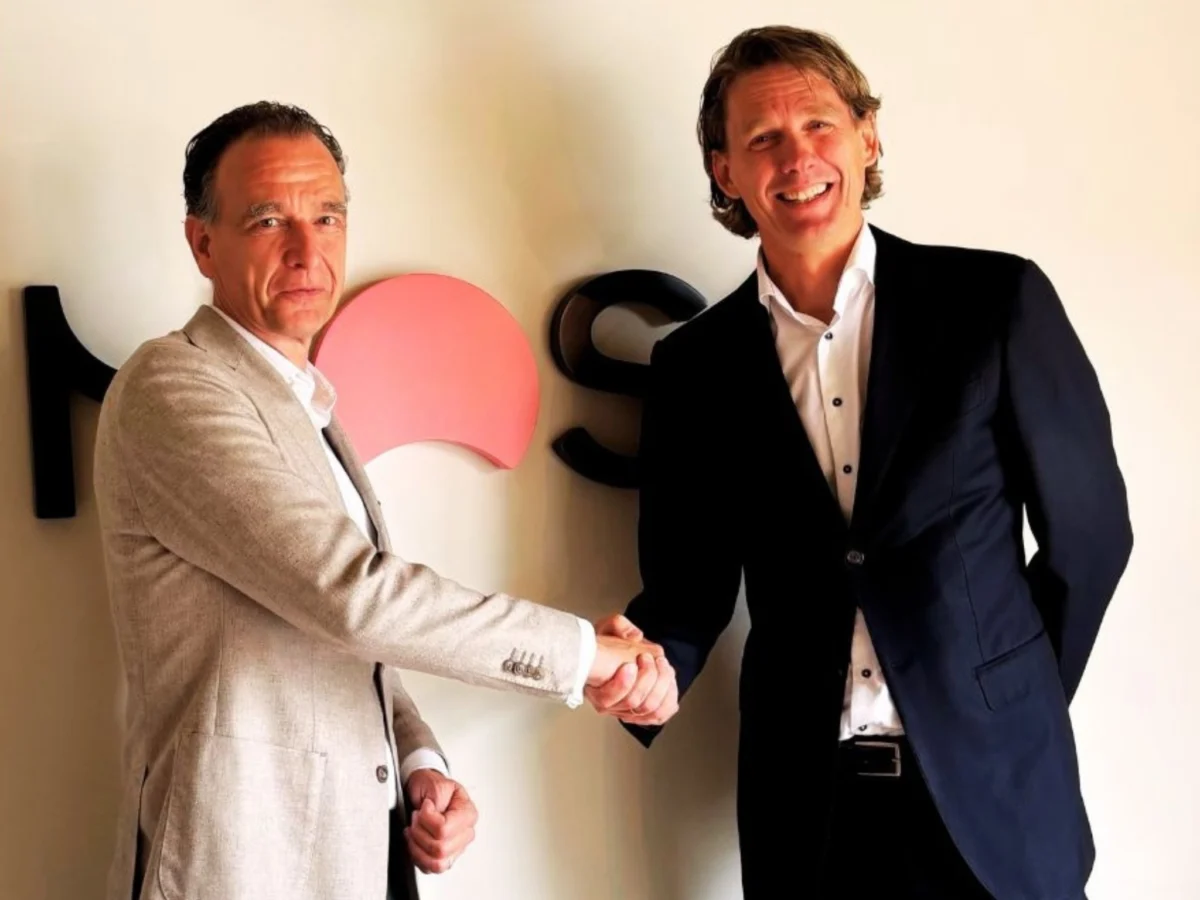
Mosa Meat, a leading Dutch company at the forefront of cultivated meat innovation, has announced the reception of a €875,000 (approximately $1 million USD) loan from Invest International, a state-owned investment firm. This significant financial injection is earmarked to bolster Mosa Meat’s efforts in navigating complex international regulatory landscapes and to facilitate its strategic market entry across the globe. The funding comes at a pivotal moment for the company, following a substantial €15 million (approximately $17.6 million USD at the time of the previous funding round) capital raise just seven months prior, which was intended to accelerate its path to market.
The repayable deployment capital contribution, channeled through Invest International’s Development Accelerator program, underscores a growing governmental commitment to fostering the growth of Dutch companies with disruptive technologies. Invest International, which operates under the purview of the Dutch Ministry of Finance and the Dutch development bank FMO, aims to support Mosa Meat in validating new strategic markets, forging crucial production and supply chain partnerships, and meticulously preparing for market entry in key regions including Singapore, the United Kingdom, the United States, Canada, Australia, and New Zealand.
"Mosa Meat has demonstrated that its technology works. We know that cultivated meat can be produced. The next challenge is gaining access to international markets, navigating regulatory frameworks, reaching consumers, and scaling production," stated Jeroen Plag, Chief Investment Officer at Invest International. His remarks highlight the multifaceted nature of bringing a novel food technology from the laboratory to the global consumer, a journey fraught with scientific, logistical, and regulatory hurdles.
Navigating the Global Regulatory Maze and Production Scale-Up
The cultivated meat sector, while brimming with potential, faces a unique set of challenges that extend beyond scientific feasibility. Invest International’s strategic focus on supporting Mosa Meat’s international expansion directly addresses these critical areas. The loan is intended to assist the company in overcoming obstacles related to regulatory approval, establishing robust production capabilities, and building reliable supply chains – all essential components for successful global commercialization.
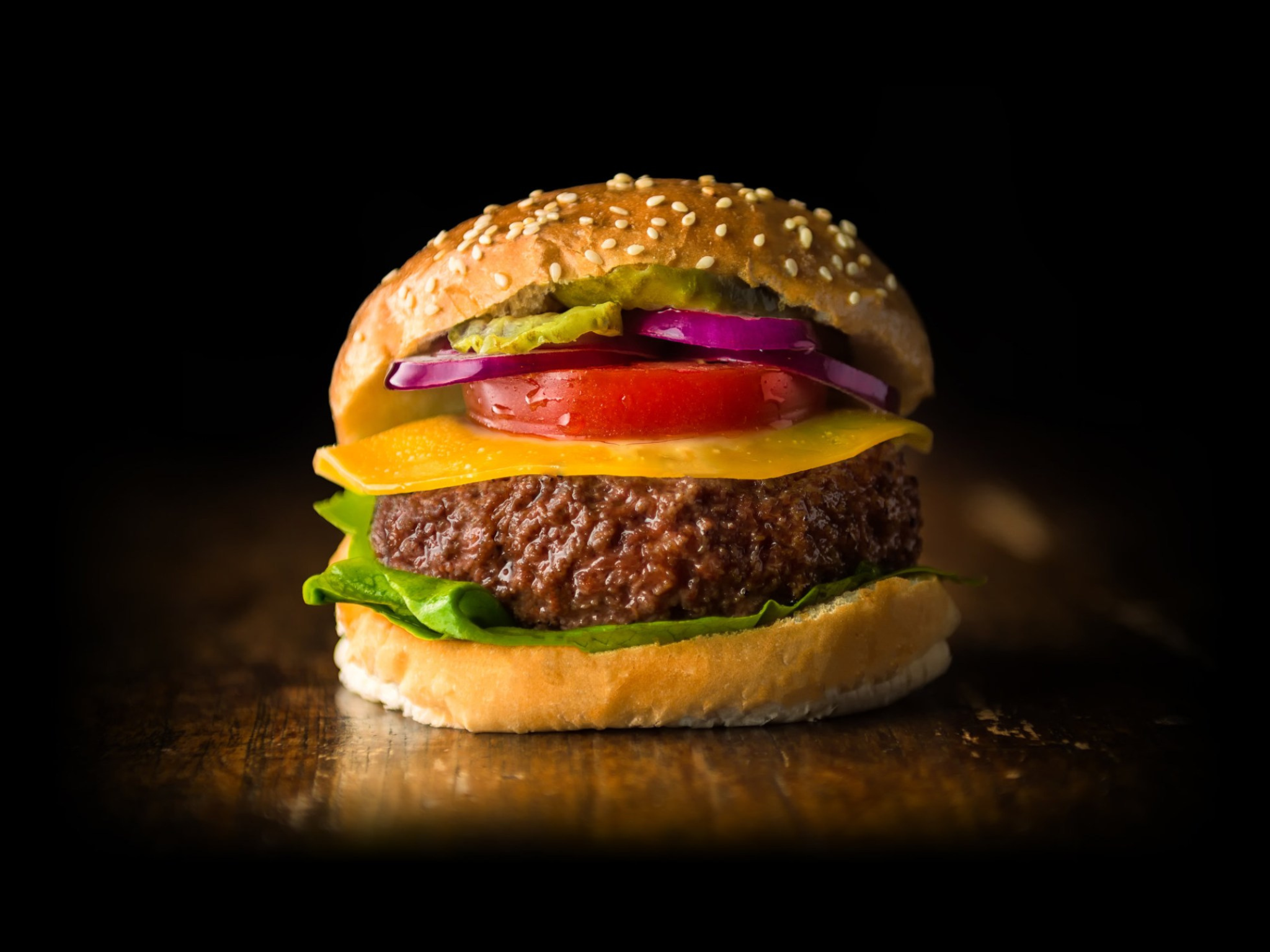
Mosa Meat, renowned for unveiling the world’s first cultivated burger in 2023, is currently focused on commercializing cultivated beef fat. This ingredient, when blended with plant-based components, allows for the creation of hybrid products such as hamburgers, meatballs, and empanadas, offering a familiar taste and texture profile to consumers while incorporating the benefits of cultivated meat.
The company has been proactive in pursuing regulatory approvals. In the past year, Mosa Meat has submitted comprehensive dossiers to several key regulatory bodies. These include applications to the European Food Safety Authority (EFSA), which oversees regulations across all 27 European Union member states, Switzerland’s Federal Food Safety and Veterinary Office, and the United Kingdom’s Food Standards Agency (FSA). These submissions represent critical steps towards gaining market access within these significant economic blocs.
Invest International emphasized that the transition from laboratory-scale innovation to commercial production requires substantial capital and strategic planning. "Mosa Meat faces regulatory, production scale-up, and market entry hurdles before its cultivated products can reach supermarket shelves," the investor noted. The Development Accelerator scheme is designed to provide precisely the kind of support needed to bridge this gap, facilitating the move towards international commercialization and long-term sustainability.
The complexities of regulatory frameworks vary significantly across different jurisdictions. While the European Union has a novel food regulation in place, it has been criticized for its intricate and lengthy approval process, which can take up to six years. Other regions are developing their own regulatory pathways for cultivated meat at varying speeds. Singapore, for instance, has emerged as a global leader, granting the world’s first approval for cultivated meat in 2020 and subsequently authorizing four additional cell-cultured products. The United States has cleared five cultivated meat products to date, and the joint regulator for Australia and New Zealand has permitted two such innovations.
Jeroen Plag further elaborated on the strategic importance of supporting Dutch innovation on a global scale. "The Netherlands has built a strong global reputation as an innovator in agriculture and food technology," he stated. "By supporting Dutch companies with breakthrough technologies in their international scale-up journey, we help ensure that valuable knowledge, innovation, and economic activity remain anchored in the Netherlands. At the same time, we strengthen the international position of Dutch solutions and contribute directly to the resilience and earning capacity of the Dutch economy." This perspective highlights the dual benefit of such investments: advancing cutting-edge technology while bolstering national economic interests.
A Resilient Sector Amidst Shifting Investment Trends
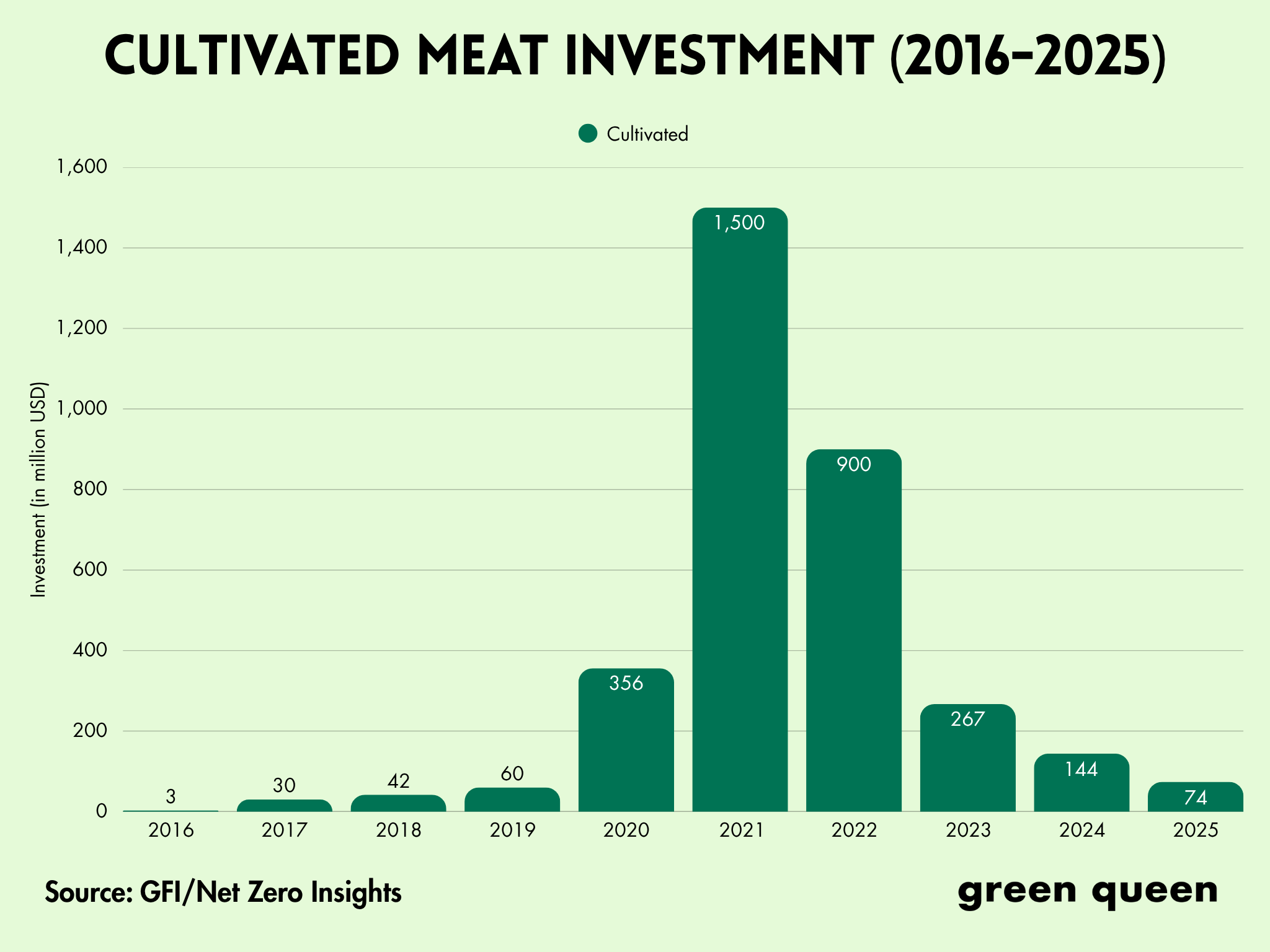
The cultivated meat sector has experienced a significant recalibration in investor sentiment over the past few years. While 2021 saw a peak in funding, with startups in the space raising approximately $1.5 billion USD, subsequent years have witnessed a considerable slowdown. In 2025, the total annual funding for cultivated meat companies was approximately $74 million USD, a stark decline from previous highs.
Despite this challenging investment landscape, Mosa Meat has managed to secure substantial funding, amassing over $157 million USD to date. This impressive fundraising achievement includes backing from notable figures such as actor Leonardo DiCaprio and a successful crowdfunding round in 2025 that raised €3.7 million (approximately $3.9 million USD). Mosa Meat’s ability to attract significant capital positions it as one of the most well-funded entities in the cultivated meat arena.
A significant portion of the total funding raised in the sector in 2025 was attributed to Mosa Meat, representing roughly 23% of the year’s total. This strong performance is largely due to the company’s demonstrable progress in cost reduction, a critical factor for the widespread adoption of cultivated meat. The company’s initial two burger prototypes in 2013 incurred production costs of approximately $330,000 USD each. Through relentless innovation and process optimization, Mosa Meat has managed to reduce these costs by an astonishing 100,000-fold and anticipates further reductions as it nears regulatory approval.
The hybrid approach, which combines cultivated fat with plant-based proteins, has been instrumental in driving down production costs. Fat is a key determinant of flavor and texture in meat products. By leveraging cultivated fat in conjunction with plant-based ingredients, Mosa Meat is able to create familiar and appealing food products efficiently. This strategy is widely regarded as the most viable pathway for the medium-term commercialization of cultivated meat.
Infrastructure and Future Outlook
Mosa Meat’s commitment to scaling production is evident in its operational infrastructure. The company operates four facilities, including what it claims to be the world’s largest cultivated meat plant located in Maastricht. This facility is equipped with a 1,000-liter bioreactor, capable of producing tens of thousands of cultivated hamburgers. Across all its sites, Mosa Meat maintains a substantial footprint of 7,340 square meters (79,007 square feet).
The company, which holds B Corp certification, has indicated that it anticipates receiving regulatory approval in the United Kingdom first. However, recent shifts in the UK’s regulatory alignment with European Union single market rules could potentially impact the progress of novel food regulatory advancements previously made by the FSA. Mosa Meat has been an active participant in a regulatory sandbox program operated by the FSA, which is scheduled to conclude in early 2027.
"The investment from Invest International is helping us bridge the gap between breakthrough science and commercial reality, bringing that vision within reach," expressed Maarten Bosch, CEO of Mosa Meat. His statement underscores the transformative impact of the funding in moving the company from research and development towards tangible market presence.
Bosch articulated an ambitious vision for the future: "I dream of the day when people can enjoy cultivated beef burgers. Perhaps in some of the world’s most innovative restaurants first, and eventually in some of the world’s largest burger chains. That’s when we’ll know we’re truly reshaping the food system." This forward-looking statement encapsulates the ultimate goal of Mosa Meat and the broader cultivated meat industry – to fundamentally alter the global food system by offering sustainable, ethical, and delicious alternatives to conventional meat production. The partnership with Invest International represents a critical step in realizing this transformative vision.
