
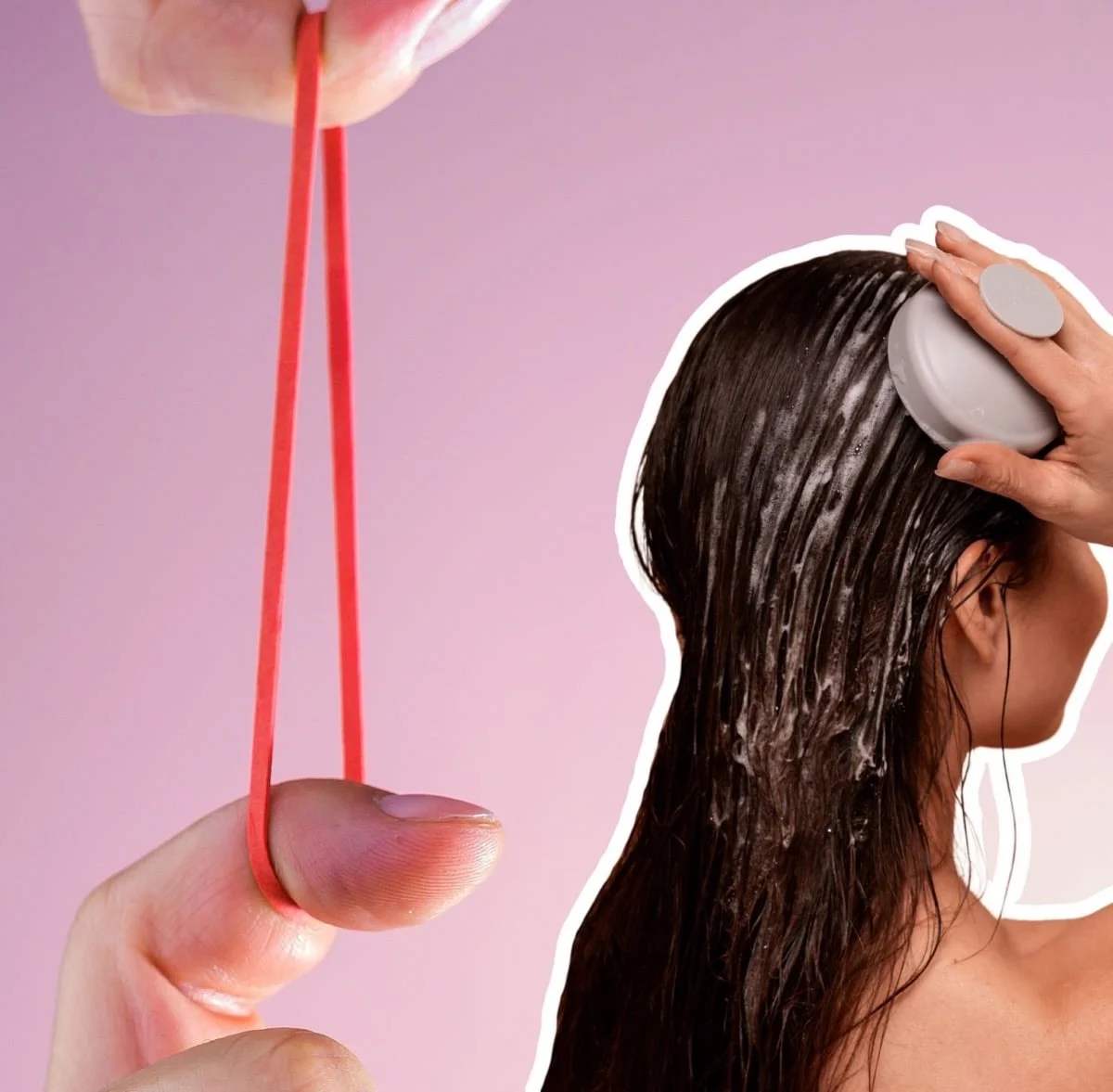
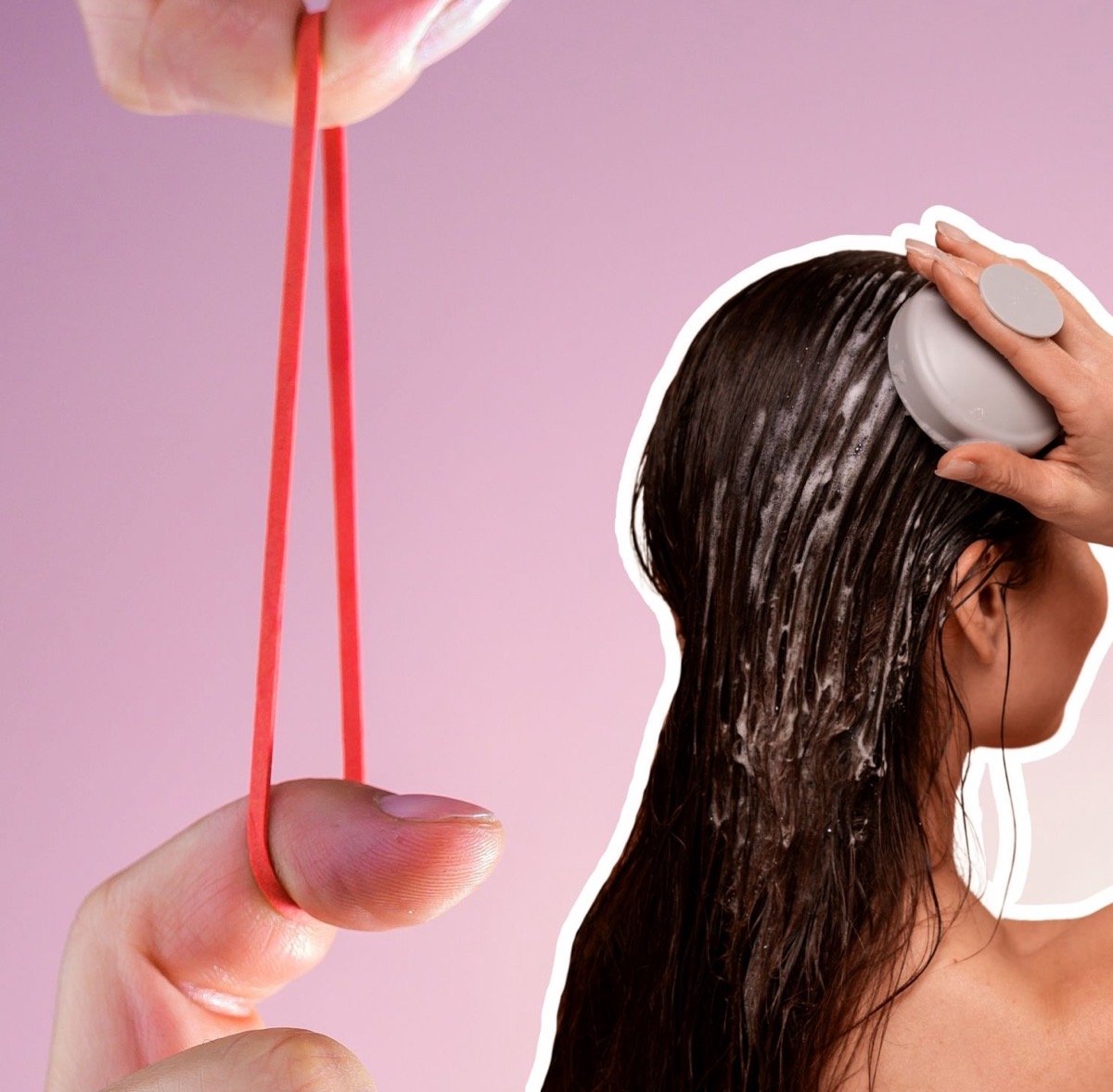
For decades, the beauty and wellness industries have perpetuated a pervasive theory regarding hair care: that the repetitive cycle of wetting and drying hair causes cumulative, inherent damage. Commonly referred to in consumer forums, influencer tutorials, and even select academic literature as “hygral fatigue,” this concept has long been used to caution consumers against frequent hair washing. However, recent scientific analysis and dermatological insights indicate that this widely accepted belief is a misconception. Water absorption and desorption alone do not structurally degrade human hair fibers, challenging foundational rules of modern hair maintenance routines.
To understand why hygral fatigue remains a staple of hair care folklore, one must examine how the concept permeated mainstream beauty culture. Over the past twenty years, as natural hair care communities expanded online, routines favoring low-manipulation and infrequent cleansing gained traction. Within these spaces, the rubber-band analogy became ubiquitous: advocates claimed that just as stretching and releasing a rubber band repeatedly eventually causes it to snap, swelling hair with water and letting it dry causes microscopic fatigue. While this metaphor offers a neat visual explanation, it fundamentally misrepresents the biochemistry of human hair.
At the molecular level, hair and rubber bands operate under entirely different physical laws. Rubber bands rely on permanent chemical cross-links that, when strained beyond a certain point, snap permanently, building up structural fissures over time. Hair, conversely, interacts with water primarily through temporary hydrogen bonds. When water molecules penetrate the hair shaft, they temporarily break and rearrange these hydrogen bonds. Once the hair dries, the water evaporates, and the hydrogen bonds readily reform in their previous or newly shaped configurations without incurring permanent degradation. Because subatomic particles like protons and electrons do not wear down from repetitive bonding and unbonding, the cyclical absorption of water leaves the core chemical architecture of the hair intact.
Despite the resilience of hydrogen bonds, the debate surrounding hygral fatigue has persisted in part due to selective interpretations of historical peer-reviewed literature. Proponents of the hygral fatigue hypothesis frequently cite laboratory studies to substantiate claims that wet-dry cycles compromise hair integrity. A prominent example is a 2011 study investigating various hair-drying methods, which evaluated the physical effects of air drying versus heat styling from differing distances. Researchers in this trial observed distinct microscopic bulges on air-dried hair samples, subsequently attributing these structural anomalies to prolonged swelling induced by moisture retention during the natural drying process.
Independent cosmetic scientists and dermatological researchers have since scrutinized these conclusions. Air drying is a universal baseline across human populations and laboratory settings alike; if ambient evaporation inherently caused structural bulges, such phenomena would be ubiquitously documented across trichological research. Instead, mainstream scientific consensus points toward external anomalies unique to that specific experimental batch—such as pre-collection UV degradation or underlying sample trauma—as the likely culprits behind the observed bulges. Consequently, the evidence linking standard water exposure to inherent structural failure remains unconvincing.
The persistence of the hygral fatigue narrative is further intertwined with scientific literature surrounding topical treatments, most notably coconut oil. Several foundational studies published between 1999 and 2007 investigated whether pre-shampoo treatments of coconut, mineral, or sunflower oils could shield hair from moisture absorption and hypothesized damage. While these papers casually utilized the term hygral fatigue, they routinely referenced one another without providing empirical validation that the condition naturally occurs in healthy hair.
Furthermore, the mechanism by which coconut oil allegedly prevents moisture intake has faced methodological challenges. Dynamic vapor sorption assays measuring the weight of oil-treated hair across varying humidity levels initially suggested that coconut-coated hair absorbed a lower percentage of water. However, subsequent analyses by cosmetic chemist Trefor Evans revealed that these findings likely stemmed from experimental artifact. Because the hair fibers weighed marginally more following the application of the oil, calculating water absorption as a percentage of total fiber weight artificially skewed the mathematical ratio, making the absorbed water appear proportionally smaller.
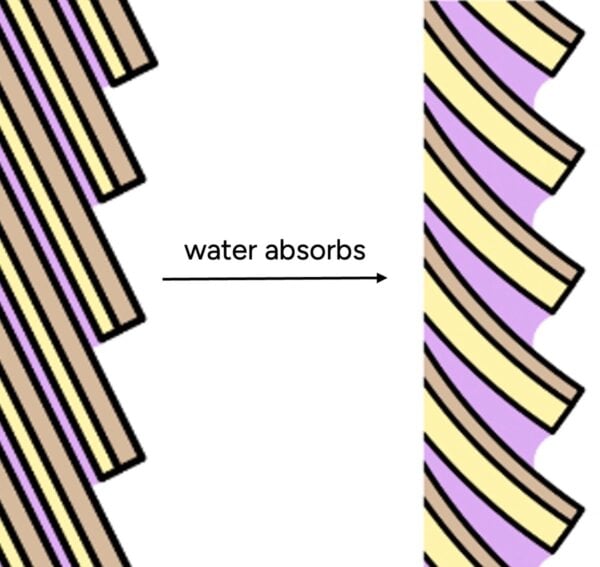
Physical constraints also render complete moisture exclusion nearly impossible. Human hair cuticles resemble overlapping pinecone scales, leaving microscopic gaps along every edge. It is chemically improbable for viscous lipid treatments to entirely seal these minuscule openings against ubiquitous water vapor molecules. Consequently, the internal moisture content of a human hair strand is primarily governed by environmental relative humidity rather than topical sealants.
This biochemical reality does not negate the cosmetic benefits of oils. While coconut oil may not act as an impermeable waterproof shield, it serves vital mechanical functions. Research indicates that coconut oil possesses a low molecular weight and unique affinity for hair proteins, allowing it to penetrate deeper into the cell membrane complex—the lipid "mortar" situated between the structural "bricks" of the hair cortex. By occupying these internal pathways, coconut oil helps cushion the fiber against internal friction and mechanical cracking. Furthermore, surface oils act as external lubricants, smoothing the cuticle and significantly reducing friction-induced damage during routine grooming activities such as brushing and combing.
The implications of these scientific findings extend directly to consumer habits and daily hygiene routines. Recognizing that water itself is chemically benign to hair shifts the focus of hair damage prevention away from arbitrary shampoo restrictions and toward mechanical management. While wetting hair does not cause hygral fatigue, water does temporarily alter the physical state of the fiber. When fully saturated, hair exhibits increased elasticity and heightened vulnerability to tensile stress. Consequently, hair is mechanically more fragile while wet, making it susceptible to breakage if subjected to aggressive towel-drying, tight styling, or rough detangling.
Therefore, frequency of washing is less a matter of preventing internal water fatigue and more a management strategy for physical handling. Individuals who wash their hair daily do not inherently degrade their hair proteins through water exposure alone; rather, they subject their hair to repeated cycles of mechanical manipulation during lathering, rinsing, and detangling. Safeguarding hair health requires gentle handling techniques during these vulnerable wet states, utilizing conditioning agents to restore slip, and employing appropriate thermal protection during subsequent drying phases. Ultimately, discarding the myth of hygral fatigue liberates consumers from restrictive washing schedules, refocusing hair care science on what truly matters: mechanical gentleness and structural lubrication.
