
The multi-billion-dollar global haircare industry has long built its marketing narratives on a foundational paradox: the promise of deeply "hydrating" hair. From heavy conditioning masks to daily leave-in mists, consumers are constantly encouraged to pump moisture back into their strands to achieve a soft, smooth, and healthy mane. However, a growing body of cosmetic science and dermatological research reveals a stark disconnect between commercial terminology and molecular reality. Far from being a straightforward beverage for parched strands, water sits at the center of a complex web of chemical interactions that challenge almost every deeply ingrained consumer habit regarding hair maintenance.
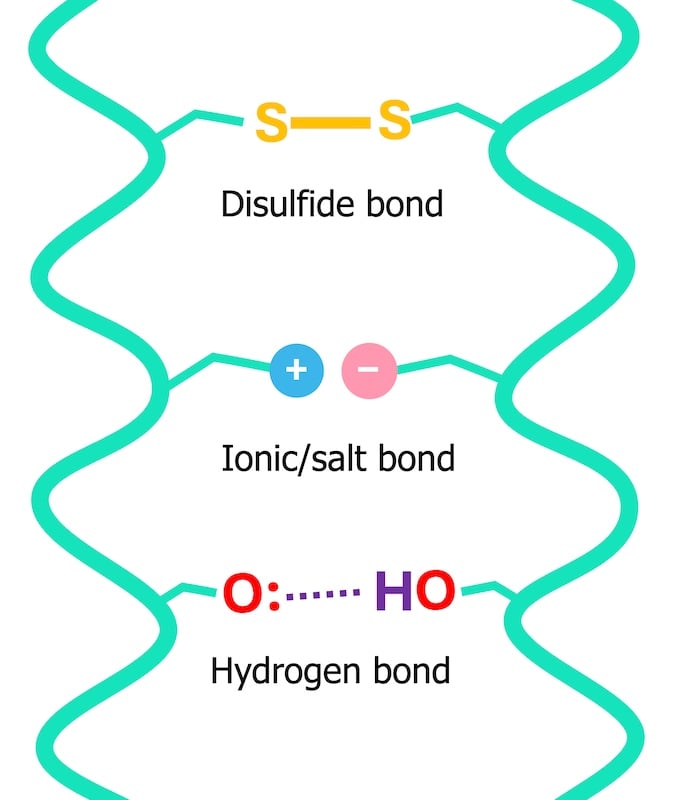
To unravel these contradictions, researchers have had to look past industry marketing and examine the actual structural composition of human hair. At its core, hair is primarily composed of tough fibrous proteins known as keratins. These structural proteins are held together by various molecular bonds that dictate both the strength and shape of a strand. These linkages are broadly categorized into permanent chemical connections, such as disulfide bonds, and temporary, weaker connections, including hydrogen bonds and salt linkages.
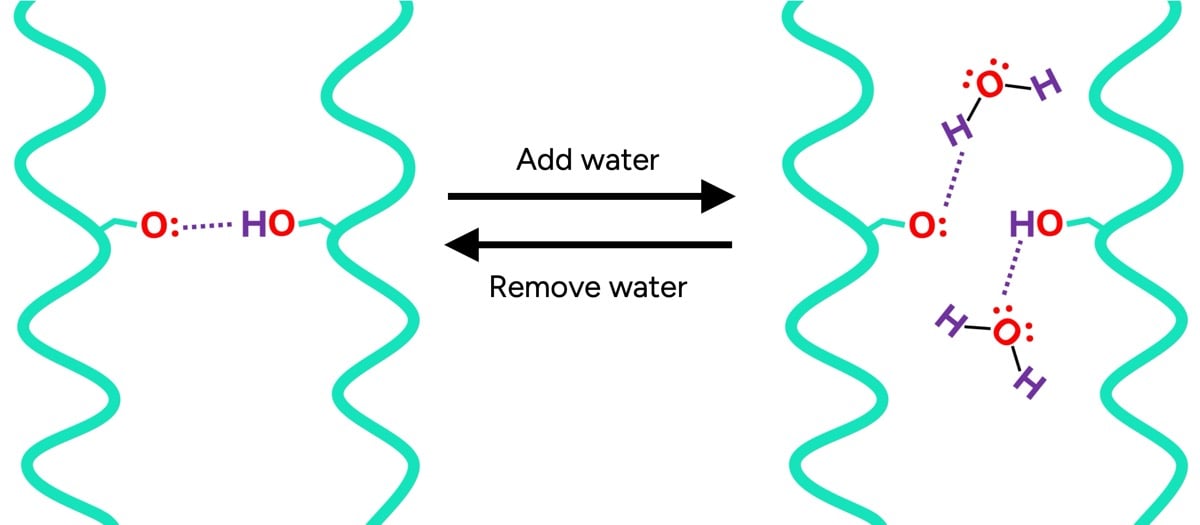
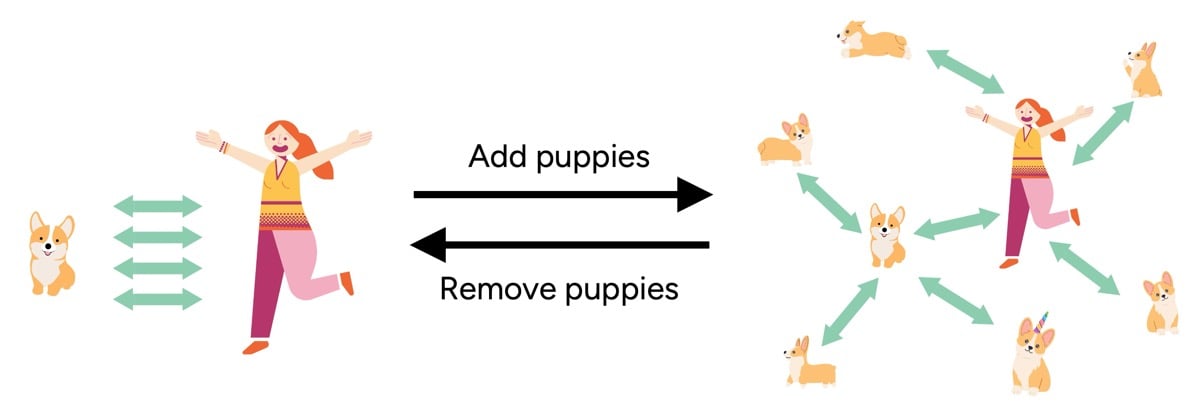
The inner core of the hair fiber, particularly the cortex, is exceptionally sensitive to moisture. In a dry environment, temporary hydrogen bonds act as a microscopic molecular glue, holding adjacent protein chains tightly to one another. When water is introduced to the hair shaft, these protein chains abandon their bonds with each other in favor of forming new hydrogen bonds with the incoming water molecules. Consequently, wet hair possesses significantly fewer internal bonds holding its structural matrix together than dry hair does. This fundamental chemical shift fundamentally alters the physical characteristics of the hair fiber, transforming it from a stiff, brittle structure into a stretchier, highly elastic state.
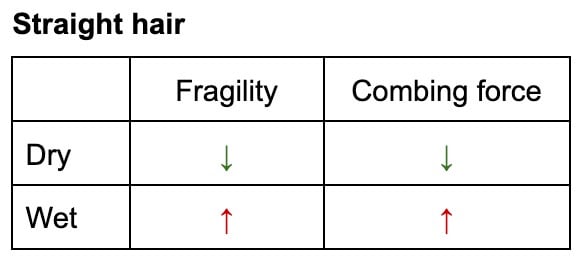
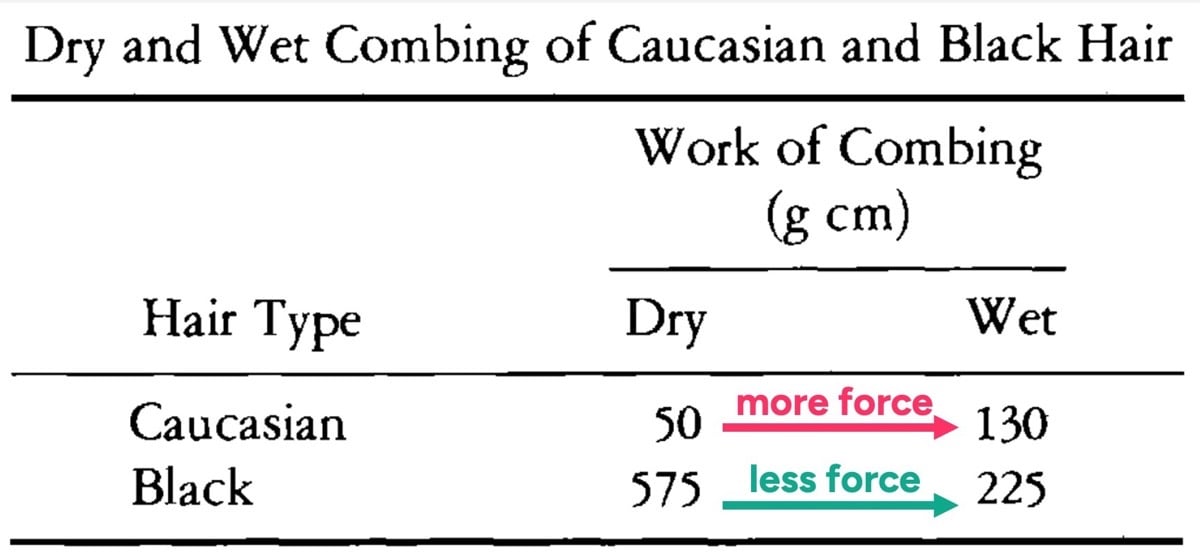
This molecular vulnerability to water explains why the physical act of detangling hair yields such vastly different outcomes depending on hair texture. For individuals with straight hair, wet detangling often introduces a higher risk of structural damage. Although straight hair becomes more elastic and stretchable when wet, the temporary loss of internal bonds leaves it structurally weaker. Furthermore, water increases surface friction between individual strands, causing them to cling together. Combing straight hair in this weakened, high-friction state requires mechanical force that can easily push the fiber past its elastic limit, resulting in breakage.
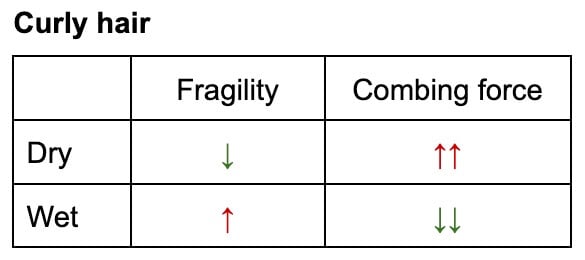
Conversely, the physical dynamics shift when dealing with curly and coily hair textures. For curly hair, detangling while wet is significantly less damaging. Although the individual fibers remain mechanically weaker due to water exposure, the geometric configuration of curls introduces a looser overall shape that drastically reduces mechanical resistance and tangling. The presence of water allows curly strands to glide past one another more fluidly, minimizing cumulative snagging and lowering overall mechanical damage during grooming.
Perhaps the most counterintuitive finding in modern hair science is how water content dictates tactile perception. Human intuition dictates that higher moisture content should equate to a smoother, more moisturized feel. In laboratory evaluations, however, the opposite has been consistently observed. In a widely cited study examining consumer perception versus scientific metrics, participants consistently rated hair samples with lower water content as feeling more moisturized, smoother, less tangled, and less damaged compared to fully saturated samples.
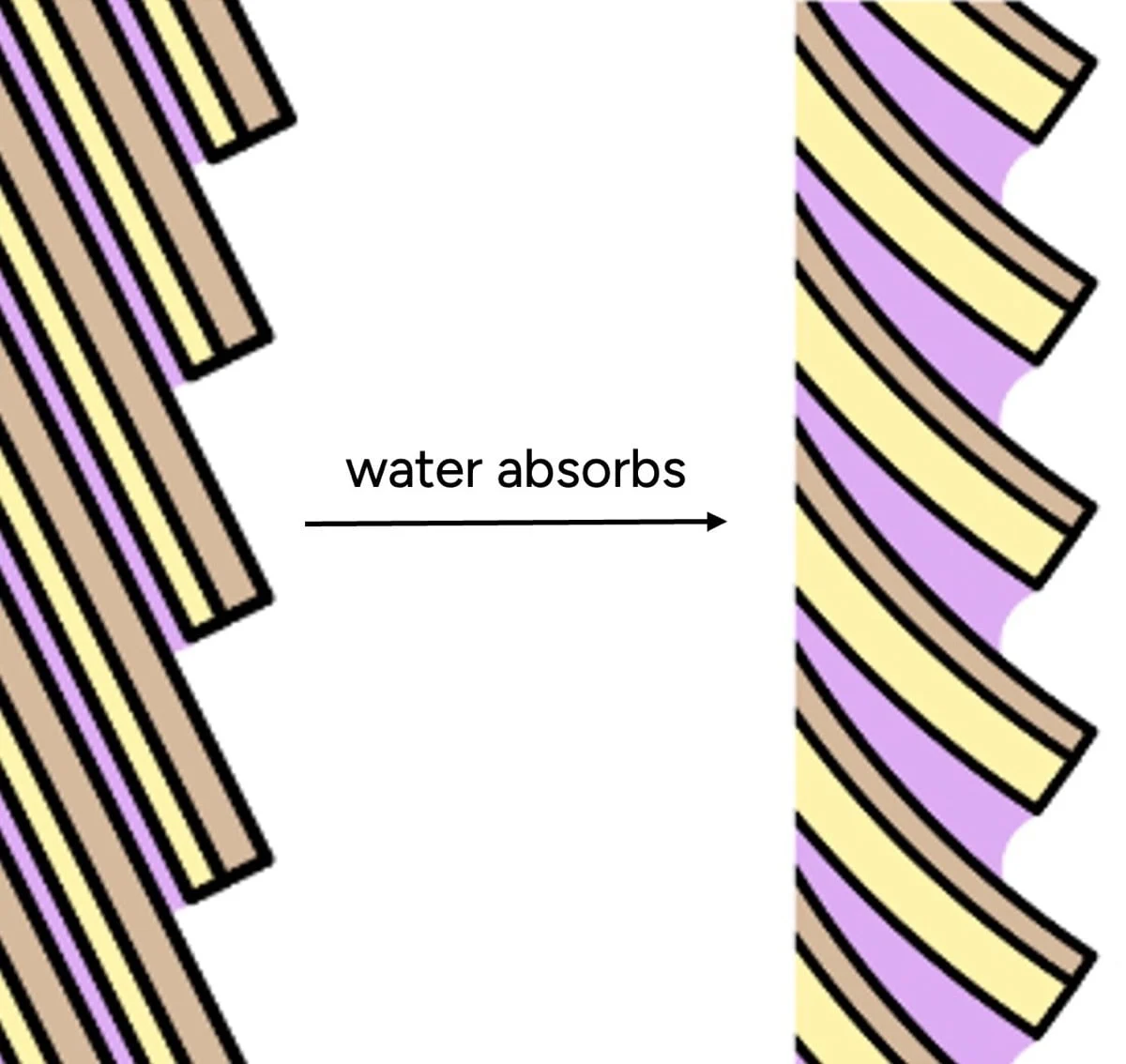
This sensory illusion stems from the microscopic topography of the hair cuticle—the outermost protective layer of overlapping cellular scales. Under dry conditions, these scales lie relatively flat, presenting a smooth surface to the touch. When water is introduced, the underlying structures of the cuticle absorb moisture unevenly. The endocuticle at the base of each scale and the cell membrane complex acting as intercellular cement swell substantially faster and larger than the upper portions of the scales. This differential swelling forces the cuticle scales to lift outward, creating a microscopically rough, bumpy terrain. Additionally, water acts as a high-friction fluid medium. Together, the elevated scales and fluid-induced friction generate a tactile sensation that human skin registers as rough, grippy, and therefore "dry," despite the presence of excess water.
To mitigate this rough texture, the cosmetic industry relies heavily on conditioning agents. Conventional hair conditioners typically utilize oily compounds, such as silicones or fatty alcohols, which deposit a microscopic film over the cuticle scales. This artificial coating mimics the natural lipid layer—known as the F-layer—that is progressively stripped away from human hair through environmental weathering, heat styling, and chemical processing. By smoothing down the raised cuticle scales and lubricating the surface, these lipid deposits reduce friction and restore the tactile sensation of smoothness, regardless of the underlying water content within the core.
The relationship between water and hair also explains why washing and conditioning provide a comprehensive reset that simple leave-in products cannot replicate. Water acts as an effective distribution vehicle, allowing conditioning agents to spread evenly across the surface of the hair fiber. More importantly, the combination of warm water and surfactants breaks temporary hydrogen bonds, temporarily placing the hair into a highly flexible, pliable state reminiscent of softened candle wax. This structural plasticity allows thermal styling tools, curling techniques, and natural curl-clumping phenomena to reset the hair’s macroscopic shape. Through a process called self-assembly, water forms surface tension bridges that pull wet, parallel strands together into defined curl clumps, which subsequently dry into more uniform formations.
Furthermore, proper washing and soaking help reverse microscopic structural fatigue known as cuticle buckling. When hair is dried too rapidly using high heat from a blow dryer, or when it undergoes excessive mechanical stretching of around 15 percent, the individual cuticle scales can shrink or deform unevenly. This buckling creates localized surface distortion that scatters light and increases friction. Soaking the hair in water and allowing it to dry under controlled conditions permits the protein matrix to relax and return to its baseline conformation, effectively smoothing out localized microscopic buckling.
Maintaining optimal hair health ultimately requires navigating a delicate middle ground, much like managing skin hydration. While skin that is water-logged from prolonged immersion becomes fragile and prone to breakdown, overly dry skin becomes stiff and susceptible to cracking. Hair exhibits a similar equilibrium. Excessive dryness deprives the fiber of necessary flexibility, reducing its shock-absorbing capacity during mechanical grooming such as brushing and leading to the accumulation of micro-cracks that culminate in fiber breakage. Furthermore, extremely dry hair under low-humidity conditions suffers from heightened static electricity buildup, resulting in flyaways and frizz as unmitigated electrical charges repel individual strands.
Conversely, excessive moisture retention brings its own vulnerabilities, primarily the temporary loss of tensile strength and increased surface roughness. Historically, some haircare circles popularized the concept of "hygral fatigue"—the hypothesis that the repeated expansion and contraction of hair fibers swelling with water would permanently damage the internal cortex. Contemporary cosmetic science, however, has largely challenged this notion, demonstrating that normal washing and drying cycles do not inherently degrade the permanent disulfide bonds responsible for long-term structural integrity. Instead, the primary risk associated with wet hair remains mechanical trauma caused by improper handling while the hair is in its temporarily weakened, elastic state.
Industry analysts and cosmetic chemists emphasize that consumers should shift their focus away from chasing elusive "hydration" levels and instead prioritize mechanical protection and lipid replenishment. The chemical function of water in haircare is not to serve as a permanent nutrient, but rather as a transient physical modifier that softens the hair structure during cleansing, styling, and conditioning. Whether a product is explicitly marketed as a hydrating formula or a standard smoothing treatment, the ultimate tactile and structural outcome depends on how effectively the formulation protects the cuticle layer, reduces friction, and maintains structural integrity across varying environmental conditions.
