
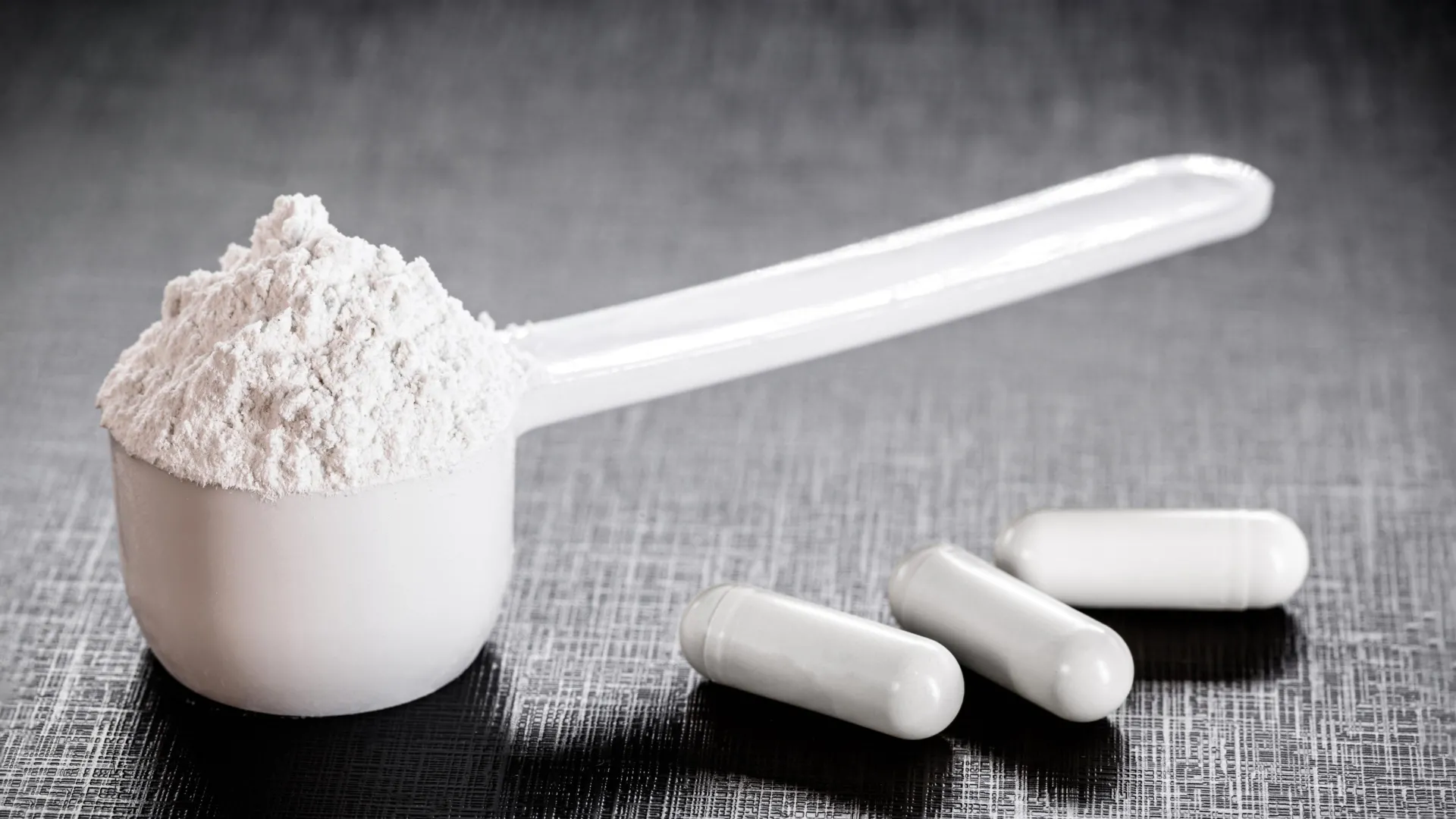
The world of sports supplementation is often dominated by the pursuit of physical prowess, with creatine monohydrate standing as a titan among ergogenic aids. For decades, athletes and fitness enthusiasts have relied on this naturally occurring compound to enhance strength, power, and muscle growth. However, a growing body of scientific inquiry is now shifting the spotlight to a far more complex and critical arena: the human brain and its intricate relationship with mental well-being. A recent systematic review, published in the esteemed journal Brain Medicine, has delved into the emerging evidence suggesting that creatine’s benefits might extend significantly beyond the athletic field, potentially offering a novel therapeutic avenue for individuals grappling with depression.
This groundbreaking research, led by Bassam Jeryous Fares, a student at the University of Ottawa’s Faculty of Medicine, meticulously examined existing clinical trials to ascertain whether creatine could play a role in supporting the brain’s energy metabolism and, consequently, alleviate depressive symptoms. The findings, while promising in their implications, underscore the complex and often nuanced nature of scientific discovery. The review paints a picture of cautious optimism, revealing that while some studies have documented statistically significant improvements in depression scores, others have yielded no discernible benefit, leaving the scientific community with more questions than definitive answers. This divergence in outcomes highlights the critical need for further, more robust research before any definitive clinical recommendations can be made.
Unpacking the Evidence: A Deep Dive into the Review
Rather than embarking on new experimental research, the team at the University of Ottawa undertook a comprehensive analysis of previously published studies. Their systematic review meticulously sifted through the available literature, ultimately identifying six distinct reports that encompassed five randomized controlled trials. In these trials, participants were administered either creatine or a placebo – an inactive substance – without knowledge of which they were receiving. This "blinding" is a cornerstone of robust clinical research, designed to minimize bias and ensure that observed effects are attributable to the treatment itself rather than participant expectations.
The geographical diversity of these included studies is noteworthy, with research originating from South Korea, the United States, Brazil, Israel, and India. Collectively, these trials began with 238 participants, of whom 126 were assigned to receive creatine and 112 to a placebo. The average age of participants was 36 years, with a notable majority being women. In fact, two of the five studies specifically enrolled only female participants, a demographic factor that may hold significance for future research directions.
The scope of the trials varied, with four focusing on individuals diagnosed with Major Depressive Disorder (MDD), a common and often debilitating mental health condition. One study, however, included participants with Bipolar Disorder who were experiencing a depressive episode. The heterogeneity in study design and methodology presented a significant challenge for the researchers. Due to these substantial differences, a single, overarching statistical analysis combining all the data was not feasible. Instead, the review team opted for a more granular approach, evaluating each individual study’s findings to identify consistent patterns and divergences.
A Dichotomy of Results: Mixed Fortunes in Depression Studies
The systematic review’s findings presented a decidedly mixed landscape, reflecting the intricate nature of depression and its potential biochemical underpinnings. Two of the five analyzed trials, both of which involved women diagnosed with Major Depressive Disorder, reported that creatine supplementation provided tangible additional benefits.
In one particularly compelling study, participants who received five grams of creatine daily in conjunction with the established antidepressant medication escitalopram demonstrated considerably greater reductions in depressive symptoms after an eight-week period compared to their counterparts who took escitalopram with a placebo. The magnitude of this improvement was substantial, as measured by conventional statistical benchmarks. On the Hamilton Depression Rating Scale (HAM-D), a widely recognized clinical assessment tool, the effect size (Cohen’s d) was 1.13, indicating a large effect. Furthermore, a higher proportion of participants in the creatine group achieved clinical remission, a state of significant symptom reduction or absence.
Another study explored the synergy between creatine and Cognitive Behavioral Therapy (CBT), a cornerstone of psychotherapy for depression. In this trial, participants undergoing CBT who also received creatine exhibited a more pronounced decrease in depression symptoms, as assessed by a standard diagnostic scale, than those who received CBT alongside a placebo. These two studies, in particular, offered a glimmer of hope, suggesting that creatine might potentiate the effects of existing treatments for depression in specific populations.
However, the narrative shifts dramatically when examining the remaining three trials. These studies, in contrast, found no statistically meaningful benefit from creatine supplementation for depressive symptoms. One investigation reported that neither a daily dose of five grams nor ten grams of creatine improved symptoms in individuals whose depression had proven resistant to conventional antidepressant medications. This finding is particularly relevant, as it suggests creatine may not be a universal solution for treatment-resistant depression.
Another study failed to show any advantage of creatine over a placebo among adolescent girls, even when various dosages were explored. This age and gender-specific outcome further complicates the picture, hinting at potential differential responses based on developmental stage and biological sex.
A third trial, which involved participants diagnosed with Bipolar Disorder experiencing a depressive episode, also yielded no observed improvement in symptoms with creatine supplementation. This finding is of significant clinical importance.
A Crucial Safety Caveat: Hypomania and Mania Concerns
Beyond the efficacy questions, the review also brought to light a critical safety concern. In two participants with Bipolar Disorder who received creatine, the development of hypomania or mania was observed. These episodes represent significant mood shifts and can be destabilizing for individuals with this condition. This observation strongly suggests that creatine may not be a universally safe intervention and could potentially trigger adverse mood events in susceptible individuals, particularly those with underlying bipolar disorder. This finding underscores the importance of careful patient selection and monitoring if creatine were ever to be considered as a therapeutic option for depression.
The Brain’s Energy Nexus: The Rationale Behind Creatine’s Potential
The underlying scientific rationale for investigating creatine’s impact on depression is rooted in the brain’s extraordinary energy demands. The brain is one of the most metabolically active organs in the body, requiring a constant and substantial supply of energy to perform its complex functions, from thought and emotion to motor control and sensory processing.
Creatine is best known for its role in muscle cells, where it helps to rapidly regenerate adenosine triphosphate (ATP), the universal energy currency of cells. ATP fuels virtually all cellular processes. However, the brain also relies heavily on this phosphocreatine system for energy homeostasis. Previous research has identified alterations in brain creatine metabolism in individuals experiencing mood disorders. This has led scientists to hypothesize that disruptions in the brain’s cellular energy production pathways could, in turn, contribute to the pathophysiology of depression.
Furthermore, emerging evidence suggests that creatine may also influence the delicate balance of neurotransmitters, chemical messengers that are crucial for mood regulation. Specifically, there is interest in creatine’s potential to modulate dopamine and serotonin levels. These neurotransmitters are key targets for many existing antidepressant medications, and their dysregulation is strongly implicated in the development and maintenance of depressive disorders.
However, the authors of the review are quick to emphasize that these proposed mechanisms remain largely theoretical. The existing studies predominantly demonstrate correlations rather than establishing direct causation. That is, they show that altered creatine metabolism might be associated with depression, but they do not definitively prove that disruptions in creatine metabolism directly cause the disorder. Depression is a multifaceted condition influenced by a complex interplay of genetic, environmental, and biological factors, and creatine’s role, if any, is likely to be one piece of a much larger puzzle.
"The signal is interesting, but it is not a verdict," stated Bassam Jeryous Fares, the review’s lead author. "Two trials pointed one way and three pointed another. That is not the kind of evidence on which you change clinical practice. It is the kind that tells you the question is worth further exploration."
Nicholas Fabiano, the corresponding author of the review and a psychiatry resident at the University of Ottawa, echoed this sentiment, urging caution. "Creatine appears to be a safe intervention. The adverse events we found were limited to mild gastrointestinal discomfort. We cannot yet reliably say that creatine helps with depressive symptoms or if the findings are generalizable to everyone."
The Imperative for Larger, More Refined Studies
The researchers involved in this systematic review are unequivocal in their assertion that the current body of evidence is too limited to advocate for the routine use of creatine as a treatment for depression. The clinical trials examined, while valuable, suffer from several limitations that hinder broad clinical applicability.
Firstly, the trials were relatively small in sample size, which can limit the statistical power to detect smaller but potentially meaningful effects. Secondly, the participant demographics were not representative of the general population. As noted, women constituted a disproportionately larger segment of the study populations, and two studies included exclusively female participants. This gender imbalance raises questions about the generalizability of findings to men.
Moreover, the methodological quality of the studies varied. While two studies were assessed as having a low risk of bias, meaning their methodologies were robust and less prone to errors that could skew results, the remaining three raised some concerns. These concerns primarily related to the methods used for participant assignment to treatment groups and the handling of missing data, both of which can introduce bias and affect the reliability of the findings. Consequently, the conclusions drawn from these studies cannot yet be confidently applied to diverse patient populations.
The systematic review explicitly calls for larger, more robust, and longer-duration clinical trials. Extending study durations beyond the typical eight weeks is crucial to assess the sustained efficacy and safety of creatine for depression. Researchers also recommend investigating creatine’s effects when administered in conjunction with other therapeutic modalities, such as exercise, which is well-established for its mood-boosting benefits.
Furthermore, future studies should explore whether different dosages of creatine yield varying outcomes. While it might be intuitive to assume higher doses lead to greater benefits, this is not always the case, and higher doses can also increase the risk of adverse effects. Understanding the dose-response relationship is paramount for optimizing therapeutic potential.
Interestingly, findings from animal studies may offer additional insights. Experiments in rodents have indicated that creatine can influence depression-like behaviors differently in male and female subjects. This observation could potentially help explain why the human studies that yielded the most promising positive results involved predominantly female participants. If sex-specific biological mechanisms are at play, future human trials may need to stratify participants by sex or explore sex-specific treatment protocols.
A Promising Horizon, Yet an Uncharted Territory
For the present moment, creatine remains an intriguing scientific possibility rather than a proven therapeutic intervention for depression. A compound long associated with the tangible gains of muscle building is now capturing the attention of scientists who are diligently searching for novel and effective strategies to combat the pervasive and often devastating impact of depression. The journey from a popular sports supplement to a potential clinical tool is long and arduous, requiring rigorous scientific validation at every step.
The peer-reviewed research article, titled "Creatine as a treatment for depression," was published in Brain Medicine and made available through Open Access on June 30, 2026. This accessibility ensures that the latest findings are readily available to the scientific community, fostering further research and collaboration in this burgeoning field. The ongoing exploration of creatine’s neurobiological effects represents a significant development, pushing the boundaries of our understanding of both brain function and the multifaceted nature of mental health disorders. As research progresses, the hope is that creatine, or compounds that leverage its unique biochemical pathways, may one day offer a new avenue of hope for those struggling with the profound challenges of depression.
