

Polycystic Ovary Syndrome (PCOS) represents one of the most prevalent endocrine disorders among women of reproductive age, affecting approximately 8% to 13% of the global population. For those navigating the complexities of this condition, the transition into pregnancy requires a specialized approach to nutrition and supplementation. Medical experts emphasize that while prenatal vitamins are a standard recommendation for all expectant mothers, women with PCOS face unique metabolic and hormonal challenges that necessitate a more targeted micronutrient profile. The strategic selection of prenatal vitamins serves not only to support fetal development but also to mitigate the specific risks associated with PCOS, such as insulin resistance, chronic inflammation, and an increased susceptibility to gestational complications.
The Critical Role of Prenatal Supplementation in PCOS Pregnancies
Prenatal vitamins are formulated to bridge the nutritional gaps that may occur during the demanding period of gestation. For women with PCOS, these supplements are particularly vital. The condition is often characterized by systemic inflammation and metabolic dysfunction, which can interfere with the absorption and utilization of certain nutrients. By adhering to a rigorous supplementation regimen, expectant mothers can significantly reduce the incidence of common pregnancy-related ailments, including nausea and constipation, while providing the foundational elements required for the healthy development of the baby’s vital organs and skeletal structure.
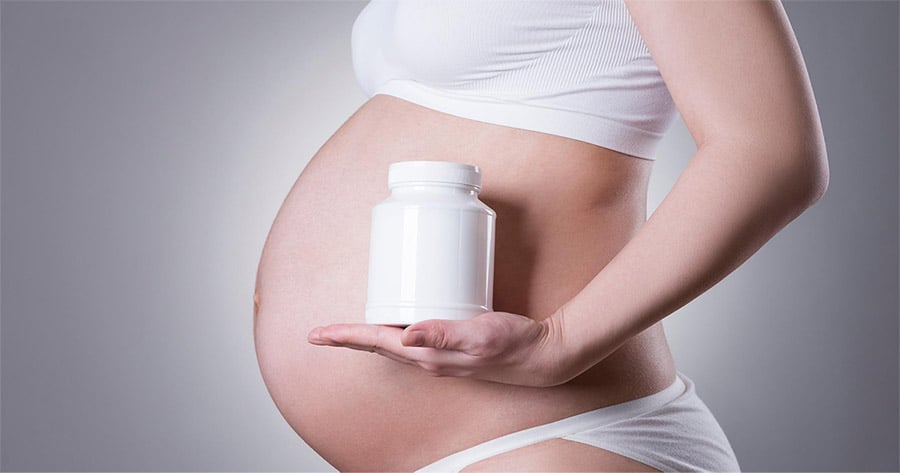
Furthermore, the American College of Obstetricians and Gynecologists (ACOG) notes that the physiological demands of pregnancy increase the requirement for several key vitamins and minerals. For the PCOS patient, these requirements are often higher due to the body’s struggle with glucose regulation and hormonal balance. Supplementation acts as a preventative measure against neural tube defects, low birth weight, and maternal anemia, ensuring that both the mother and the developing fetus maintain optimal health throughout the forty-week gestation period.
Chronology of Supplementation: Preconception to Postpartum
The timeline for starting prenatal vitamins is a crucial factor in their efficacy. Clinical guidelines suggest that the ideal window to begin supplementation is at least three months prior to attempted conception. This "preconception phase" is critical because many of the baby’s most vital systems, including the neural tube, begin to form in the very early weeks of pregnancy—often before a woman is aware she has conceived.
For women with PCOS, this early start is even more imperative. Poor egg quality is a frequent byproduct of the hormonal imbalances associated with the syndrome. Starting a regimen that includes antioxidants and specialized nutrients early can help improve oocyte (egg) health. However, medical professionals reassure those who have already conceived that beginning a prenatal routine immediately upon discovery of pregnancy still offers significant protective benefits for the duration of the term.

Essential Nutrients: A Data-Driven Analysis of PCOS Requirements
When evaluating prenatal vitamins for PCOS, five core nutrients emerge as the most critical based on recommendations from the American Pregnancy Association and current clinical research.
Folate and the Prevention of Developmental Defects
Folate, or Vitamin B9, is perhaps the most recognized prenatal nutrient. It is indispensable for the development of the spinal cord and brain. While the general recommendation for pregnant women is 400 micrograms (mcg) daily, some specialists suggest higher doses for women with PCOS who may have metabolic variations. Research published in the journal Nutrients indicates that folate supplementation not only prevents neural tube defects but may also reduce the risk of heart defects and oral clefts by as much as 20% to 30%. For those with the MTHFR gene mutation—which is sometimes seen in conjunction with PCOS—methylated folate (5-MTHF) is often preferred over synthetic folic acid for better bioavailability.
Iron and Oxygen Transport
Iron requirements nearly double during pregnancy to support the increased blood volume and the development of the placenta. The recommended daily intake is 27 milligrams (mg). PCOS patients are at a specific risk for iron-deficiency anemia, which can lead to fatigue for the mother and developmental delays for the infant. Clinical data suggests that maintaining adequate iron levels is essential for ensuring that the fetus receives sufficient oxygen through the umbilical cord.

Calcium and Skeletal Integrity
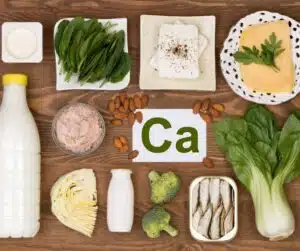
During gestation, the fetus will prioritize its own skeletal development, drawing calcium from the mother’s bones if dietary intake is insufficient. To prevent maternal bone density loss and ensure the baby develops strong teeth and bones, a daily intake of 1,000 mg of calcium is recommended. For women with PCOS, who may already be at a higher risk for certain metabolic bone issues later in life, this supplementation is a critical safeguard.
Vitamin D: The PCOS Deficiency Crisis
Perhaps the most striking statistic regarding PCOS and nutrition is that approximately 80% of women with the condition are deficient in Vitamin D. Vitamin D acts more like a pro-hormone than a vitamin, influencing insulin sensitivity and androgen levels. In the context of pregnancy, it is vital for calcium absorption and the prevention of spina bifida. The American Pregnancy Association recommends up to 4,000 IU daily for those with confirmed deficiencies. Proper Vitamin D levels have been linked to improved fertility outcomes and a lower risk of preeclampsia in PCOS patients.
Omega-3 Fatty Acids and Inflammation Control
Omega-3 fatty acids, specifically Docosahexaenoic acid (DHA), are fundamental for fetal brain and eye development. For the mother with PCOS, Omega-3s serve a dual purpose: they are potent anti-inflammatory agents. Chronic low-grade inflammation is a hallmark of PCOS that contributes to insulin resistance. Clinical studies have shown that 300 mg of DHA daily can help lower androgen levels and improve the lipid profile of the mother, while simultaneously reducing the risk of preterm labor.
Market Analysis: Top Prenatal Vitamin Recommendations for PCOS
Given the specific needs of the PCOS population, certain products have garnered endorsements from both users and healthcare providers for their ingredient transparency and clinical-grade formulations.
-
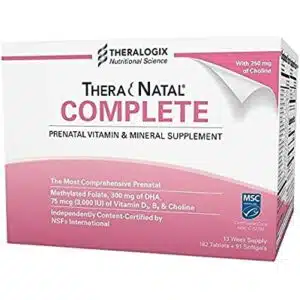
TheraNatal Complete Prenatal Vitamins: Produced by Theralogix, this supplement is frequently cited as the gold standard for PCOS. It features a comprehensive blend of methylated folate, high-dose Vitamin D, and DHA. Theralogix is known for independent NSF International certification, ensuring that the contents match the label and are free from contaminants.
-
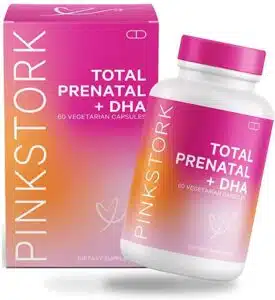
Pink Stork Total Prenatal Vitamin: This option is noted for its inclusion of a wide spectrum of trace minerals, such as selenium, chromium, and manganese. Chromium is particularly relevant for PCOS, as it has been shown in some studies to assist with glucose metabolism and insulin signaling.
-
Nature Made Prenatal with Folic Acid + DHA: This provides a more accessible, cost-effective option that still adheres to the core requirements of 200 mg of DHA and the necessary folic acid levels. It is USP (U.S. Pharmacopeia) verified, which is a key indicator of quality for over-the-counter supplements.
Preconception vs. Prenatal: Addressing Egg Quality
A significant distinction exists between standard prenatal vitamins and preconception supplements. For the PCOS community, the preconception phase often requires the addition of Coenzyme Q10 (CoQ10). This antioxidant is essential for mitochondrial function within the egg cells. As women with PCOS often struggle with oxidative stress, CoQ10 can help improve the energy production of the oocyte, potentially leading to higher fertilization rates and healthier embryos.
Additionally, the use of Inositol—specifically a 40:1 ratio of Myo-inositol to D-chiro-inositol—has become a cornerstone of PCOS fertility management. Clinical trials have demonstrated that Inositol can restore ovulation, improve egg quality, and lower insulin levels more effectively than some pharmaceutical interventions. When combined with a high-quality prenatal, these nutrients create a robust environment for conception.
Broader Implications: Mitigating Pregnancy Risks
The implications of proper supplementation extend far beyond the first trimester. Women with PCOS are statistically at a higher risk for gestational diabetes and preeclampsia. Gestational diabetes occurs when the body cannot produce enough insulin to handle the increased glucose demands of pregnancy—a problem exacerbated by the baseline insulin resistance of PCOS.
Medical analysis suggests that a combination of Vitamin D, Inositol, and a low-glycemic diet can reduce the risk of gestational diabetes by nearly 50% in high-risk groups. Furthermore, the monitoring of blood pressure and glucose tolerance remains a priority for healthcare providers managing PCOS pregnancies. Supplementation should be viewed as one component of a comprehensive care plan that includes regular medical screenings and lifestyle modifications.
Conclusion and Medical Outlook
The management of PCOS during pregnancy through targeted nutrition is a dynamic field of maternal-fetal medicine. While the foundation of prenatal care remains the "core five" nutrients—folate, iron, calcium, vitamin D, and omega-3s—the specific metabolic profile of PCOS requires a more nuanced approach. By initiating a high-quality supplement regimen early and focusing on nutrients that address insulin sensitivity and inflammation, women with PCOS can achieve pregnancy outcomes comparable to those without the condition.

Expectant mothers are encouraged to consult with their obstetricians or reproductive endocrinologists to tailor their vitamin intake based on blood work and individual health markers. As research continues to evolve, the integration of specialized supplements like Inositol and CoQ10 into standard prenatal care for PCOS marks a significant advancement in supporting the reproductive health of millions of women worldwide.
