
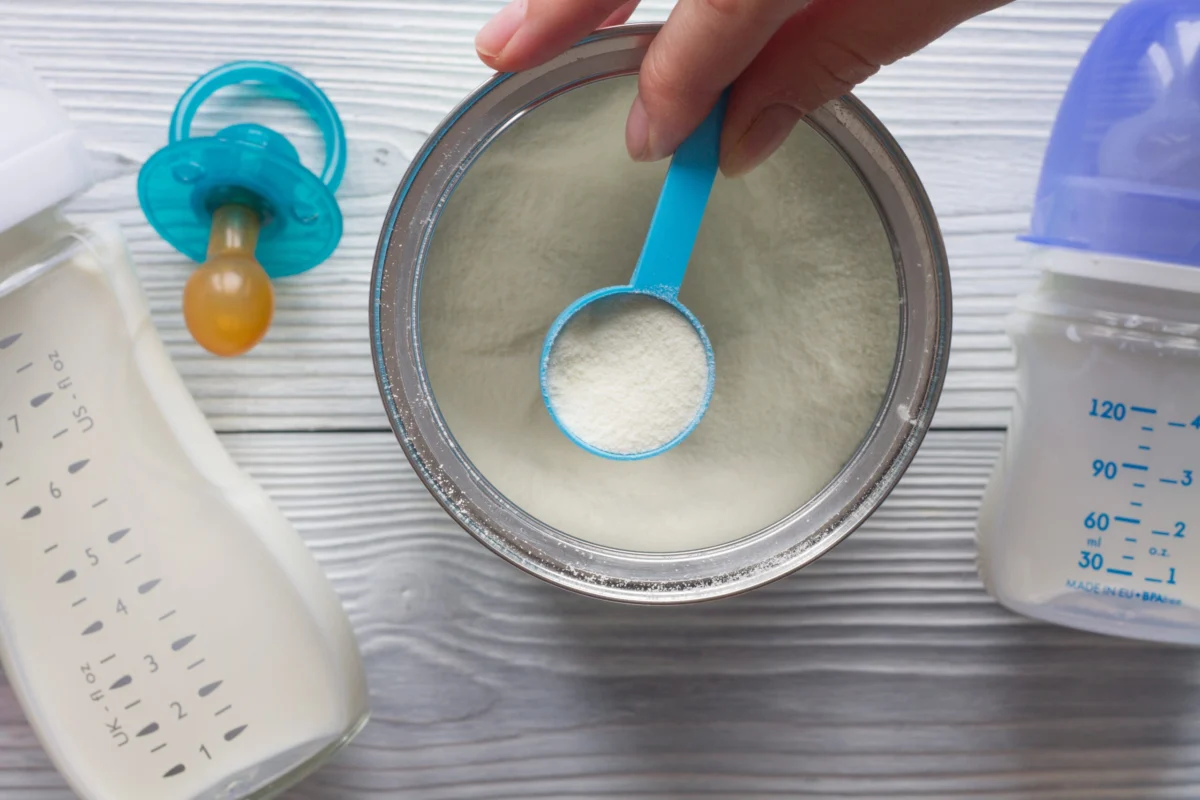
The United States has grappled with alarming shortages of infant formula in recent years, a crisis primarily exacerbated by pandemic-related disruptions to global supply chains. This scarcity poses significant challenges for families, particularly when human milk is not accessible or sufficient for an infant’s nutritional needs. While breastfeeding is widely encouraged as the optimal source of infant nutrition, it is not always a practical or feasible option for all mothers. Factors such as early return to work, limited access to lactation support systems, or medical conditions in the infant—including allergies, metabolic or gastrointestinal disorders, or disabilities that impede breastfeeding—can necessitate the use of formula. The severity of these shortages has underscored the critical importance of a reliable and accessible supply of safe infant nutrition.
The Genesis of a Crisis: Pandemic-Induced Vulnerabilities
The COVID-19 pandemic unleashed unprecedented pressure on global supply chains, and the infant formula industry was no exception. The intricate manufacturing and distribution networks, which often rely on specialized ingredients, sterile production facilities, and just-in-time delivery, proved vulnerable to widespread disruptions. Factory closures due to outbreaks, labor shortages, transportation bottlenecks, and increased demand as parents stocked up contributed to a growing imbalance between supply and demand.
This vulnerability was amplified by the highly concentrated nature of the U.S. infant formula market. For decades, a handful of major manufacturers have dominated the industry, meaning that a significant disruption at even one facility could have a nationwide impact. In early 2022, this vulnerability was starkly exposed.
A Critical Juncture: The Abbott Nutrition Recall and Its Aftermath
A pivotal moment in the unfolding crisis was the February 2022 voluntary recall of certain powdered infant formulas produced at Abbott Nutrition’s Sturgis, Michigan, facility. The U.S. Food and Drug Administration (FDA) initiated an investigation following reports of infant illnesses, including hospitalizations and two deaths, linked to bacterial contamination, specifically Cronobacter sakazakii and Salmonella Newport. The investigation uncovered insanitary conditions at the plant, leading to the recall of Similac, Alimentum, and EleCare powdered formulas.
This recall, while a necessary public health measure, had a devastating immediate impact. Abbott Nutrition is one of the largest manufacturers of infant formula in the U.S., and the Sturgis facility was a significant production hub. The closure and subsequent recall removed a substantial portion of the market’s supply, particularly of specialized formulas for infants with complex medical needs. The reputational damage and the extensive remediation required at the facility meant that production was halted for an extended period.
The Ripple Effect: A National Shortage Unfolds
The Abbott recall acted as a catalyst, transforming existing supply chain strains into a full-blown national shortage. Retailers reported shelves bare of formula, and desperate parents resorted to extensive searches, online appeals, and even the risky practice of making homemade formulas or watering down existing ones.
Timeline of Key Developments:
- Early 2020 – Late 2021: Initial pandemic-related supply chain disruptions begin to affect various sectors, including infant formula, though often managed through existing inventory and diversified sourcing.
- February 17, 2022: Abbott Nutrition announces a voluntary recall of specific powdered infant formulas from its Sturgis, Michigan, facility following FDA investigation into bacterial contamination and infant illnesses.
- February – April 2022: The impact of the recall becomes acutely apparent. Retailers report widespread stockouts. Public and media attention intensifies.
- May 2022: The U.S. government launches Operation Fly Formula, an initiative to expedite the importation of infant formula from overseas. The FDA announces steps to streamline the review and import process for foreign-manufactured formulas.
- May 11, 2022: President Biden invokes the Defense Production Act to prioritize the production and distribution of infant formula.
- June 2022: The Sturgis facility begins producing formula again, but full production capacity is not immediately restored. Additional imports begin to arrive.
- Late 2022 – Early 2023: The acute shortage begins to ease, with shelves gradually restocking. However, concerns about long-term supply chain resilience remain.
Data Highlights the Severity of the Shortage:
Reports from data analytics firms painted a stark picture of the unfolding crisis:
- National Out-of-Stock Rates: By May 2022, national out-of-stock rates for infant formula at retailers across the U.S. surged dramatically. Data from firms like Datasembly indicated that these rates peaked at over 40% in some weeks, a significant increase from pre-crisis levels, which were typically in the single digits.
- Specific Formula Availability: The impact was disproportionately felt for specialized formulas. For infants with allergies or metabolic disorders, the scarcity of hypoallergenic and amino acid-based formulas was particularly acute, leaving parents with few or no alternatives.
- Retailer Data: Major retailers like Target, Walmart, and Kroger implemented purchase limits on infant formula to prevent hoarding and ensure broader availability, a measure rarely seen for such a fundamental necessity.
What Families Were Advised to Do (and Not to Do):
In the face of panic and scarcity, public health officials and pediatricians issued crucial guidance:
What You Can Do Now:
- Consult Your Pediatrician: Always discuss infant feeding with your child’s doctor. They can provide guidance on appropriate formula alternatives and address concerns about your baby’s nutritional needs.
- Check Multiple Retailers: Expand your search to different stores, including pharmacies, big-box retailers, and smaller local shops.
- Explore Online Retailers: While online availability was also strained, some options might exist. Be wary of unofficial sellers and ensure the product is from a reputable source.
- Consider Formula Exchange Programs: Community groups and online forums sometimes facilitate the exchange of safely stored, unopened formula.
- Explore WIC Program Options: For eligible families, the Special Supplemental Nutrition Program for Women, Infants, and Children (WIC) can provide specific guidance and authorized formula options.
What Not to Do:
- Do Not Make Homemade Formula: Homemade formulas can lack essential nutrients and may contain harmful bacteria if not prepared under sterile conditions, posing serious health risks to infants.
- Do Not Water Down Formula: Diluting formula can lead to malnutrition and electrolyte imbalances, which can be dangerous for infants.
- Do Not Buy Formula from Unfamiliar Online Sellers or Abroad Without Verification: The FDA has strict regulations for infant formula safety. Importing formula directly from foreign countries without FDA oversight may expose infants to unapproved ingredients or unsafe production practices.
- Do Not Hoard Formula: While understandable to want to ensure a supply, hoarding exacerbates the shortage for other families.
Official Responses and Policy Interventions
The severity of the crisis prompted a multi-pronged response from the U.S. government:
- Operation Fly Formula: Launched in May 2022, this initiative leveraged the Defense Production Act to prioritize the production and delivery of infant formula. It facilitated the air transport of millions of pounds of formula from overseas, specifically sourcing products that met U.S. safety and nutritional standards.
- FDA Streamlining Efforts: The FDA took steps to ease regulatory hurdles for the importation of infant formula, allowing foreign manufacturers to temporarily import products into the U.S. while ensuring they met safety standards. This involved granting enforcement discretion for certain products and ingredients.
- Congressional Action: Lawmakers held hearings to investigate the causes of the shortage and explore legislative solutions. The focus was on understanding the vulnerabilities in the supply chain and developing strategies to prevent future crises.
Broader Impact and Long-Term Implications
The infant formula crisis had far-reaching consequences, extending beyond the immediate struggle for parents:
- Erosion of Trust: The inability of the U.S. to ensure a consistent supply of a basic necessity like infant formula led to a loss of trust in the robustness of its food supply chains and regulatory oversight.
- Disproportionate Impact on Vulnerable Populations: Families relying on WIC, lower-income families, and those with infants requiring specialized formulas were disproportionately affected, highlighting existing inequities in access to healthcare and nutrition.
- Focus on Supply Chain Resilience: The crisis served as a stark reminder of the need for greater resilience in critical supply chains. This includes diversifying manufacturing bases, strengthening domestic production capabilities, and improving inventory management strategies.
- Re-evaluation of Market Concentration: The dominance of a few manufacturers in the infant formula market was scrutinized. Discussions arose about fostering greater competition and supporting smaller, domestic producers.
Future Directions: Preventing Recurrence
An article published in the American Journal of Clinical Nutrition outlined critical action steps to prevent a recurrence of severe formula shortages in the future. These recommendations underscore the need for a comprehensive, multi-faceted approach:
- Diversifying the U.S. Infant Formula Market: This involves encouraging new domestic manufacturers to enter the market and supporting existing smaller producers. Policies could include grants, tax incentives, and streamlined regulatory pathways for new entrants.
- Strengthening U.S. Manufacturing Capacity: Investing in domestic production facilities, including ensuring that plants meet high safety and quality standards, is crucial for reducing reliance on foreign imports and mitigating the impact of global supply chain disruptions.
- Enhancing FDA Oversight and Enforcement: The FDA plays a critical role in ensuring the safety and quality of infant formula. This includes robust pre-market review, regular facility inspections, and swift enforcement actions when necessary. Strengthening the FDA’s capacity and resources for infant formula oversight is paramount.
- Improving Supply Chain Transparency and Data Collection: A more granular understanding of the infant formula supply chain, including production volumes, ingredient sourcing, and distribution networks, is needed. This data can help identify vulnerabilities early and inform proactive interventions.
- Developing National Stockpiling and Emergency Response Plans: Similar to strategies for other essential goods, a national reserve of infant formula or the capacity to rapidly scale up production during emergencies could provide a critical buffer against shortages.
- Ensuring Continued Access to Specialized Formulas: The crisis highlighted the unique challenges faced by infants requiring specialized formulas. Policies should ensure a stable and readily available supply of these vital products, potentially through dedicated manufacturing quotas or emergency import protocols.
- Supporting Breastfeeding While Acknowledging Formula’s Necessity: While promoting breastfeeding remains a public health priority, policy and societal structures must also support mothers who rely on formula. This includes ensuring affordable access, adequate parental leave, and comprehensive lactation support.
The infant formula shortage was a painful lesson in the fragility of essential supply chains. Addressing the underlying issues requires sustained political will, strategic investment, and a commitment to ensuring that all infants in the United States have access to safe, nutritious, and readily available food. The long-term health and well-being of a generation depend on these systemic changes.
