
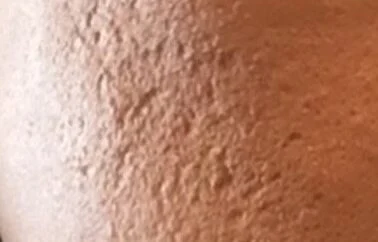
A Canadian lawyer, choosing to remain anonymous, has powerfully articulated the devastating impact of severe acne scarring on her daily life, revealing that the emotional wounds are as raw and persistent as the physical ones. The 40-year-old South Asian woman’s candid account sheds light on a significant public health issue that extends far beyond the surface of the skin, affecting mental health, social engagement, and overall quality of life for millions globally. Her experience underscores the often-underestimated burden of dermatological conditions, particularly in a society increasingly driven by unrealistic beauty standards.
The lawyer’s struggle is deeply personal, yet universally resonant for those who live with visible skin conditions. "Every day is a struggle, and the emotional wounds feel just as raw as the physical ones," she states, capturing the pervasive nature of her distress. She challenges the pervasive narrative of self-acceptance, explaining, "It is easy to say ‘accept yourself, love yourself’ but the reality is that we carry many scars with us, and when you also carry them on your face, that weight becomes very heavy." This sentiment highlights the chasm between societal expectations of resilience and the lived reality of chronic physical and psychological pain.
The Personal Ordeal: A Lawyer’s Daily Battle
For the anonymous lawyer, the impact of her severe acne scarring manifests in tangible ways, dictating her social interactions and public presence. She admits, "To date, there are days when I won’t go out in public." The intricate interplay of lighting and makeup, which can either conceal or accentuate the deep scarring, uneven texture, and years of skin damage, adds another layer of anxiety. As she ages, she observes that her skin, once "tight and youthful," is now "riddled with scars." This ongoing battle with her reflection has led her to consciously limit her exposure to both social media and in-person socialization.
Her concern extends to younger generations, who she believes face an even tougher challenge. "I feel for the younger generation as scars likely could last a lifetime and that is a hard thing to accept given the unrealistic beauty expectations we are surrounded by," she remarks. This observation points to the amplified pressures exerted by digital platforms, where curated perfection often overshadows authenticity, leaving those with visible imperfections feeling increasingly isolated and inadequate.

A Devastating Chronology: From Mild Breakouts to Cystic Trauma
The lawyer’s journey with acne began around the age of 20, coinciding with her entry into university. While initially manageable, her condition took a severe turn in her early 30s. "The progression of my acne was swift and relentless," she recalls. "Within months, my face was covered in painful, cystic acne." This rapid deterioration was not merely a cosmetic concern; it marked the onset of profound physical discomfort and emotional trauma.
As a person of colour, her condition was further complicated by a heightened risk of post-inflammatory hyperpigmentation (PIH), a common sequela of acne in individuals with darker skin tones. Indeed, significant dark spots emerged alongside her cystic acne, further "complicating my condition and leaving me with even less treatment options." This intersection of severe acne and hyperpigmentation is a critical aspect of dermatological care for diverse populations, often requiring specialized approaches and extended treatment timelines.
"The sudden change was not just a physical burden – it was deeply traumatic and emotionally devastating," she recounts. The transformation of her "once-clear skin" into one "covered in large, dark and pus-filled hills" left her feeling "helpless and shattered my confidence immensely." The physical pain of the lesions made her "extremely sensitive both emotionally and physically," causing her to flinch at touch and the sight of her own reflection. Overwhelmed by embarrassment, she began to avoid mirrors and dreaded social interactions, living under a constant perception of judgment.
The Layered Impact for People of Colour: Cultural and Dermatological Considerations
Her South Asian cultural background added another profound layer of pain to her experience. "My cultural background (South Asian) added another layer of pain as insensitive comments about skin conditions are unfortunately common and something I experienced regularly which made the experience even more isolating," she explains. She describes enduring "often cruel and unsolicited comments… thrown my way with callous disregard to my situation." This highlights a pervasive issue within many cultural contexts where skin clarity and complexion are highly valued, inadvertently fostering environments where individuals with dermatological conditions face additional scrutiny and unkindness.
For individuals with skin of colour, acne and its aftermath present unique challenges. Melanin-rich skin is more prone to developing hyperpigmentation following inflammation or injury, meaning even mild acne can leave behind persistent dark spots that can take months or even years to fade. Furthermore, certain types of scarring, such as keloids, are more prevalent in darker skin types. These factors necessitate a culturally competent approach to dermatological care, recognizing that treatment strategies must address both active lesions and the potential for long-term pigmentation and scarring with sensitivity to cultural norms and patient experiences.
The Silent Epidemic: Understanding Acne and Scarring
The lawyer’s testimony is a poignant reminder of the widespread prevalence and often-underestimated impact of acne, a chronic inflammatory skin condition affecting an estimated 85% of adolescents and young adults globally. While often dismissed as a teenage rite of passage, adult acne, affecting individuals well into their 30s, 40s, and beyond, is increasingly common. Studies indicate that between 12% and 22% of adult women and 3% of adult men experience acne.
A significant concern is the development of acne scarring, which affects approximately 95% of individuals with moderate to severe acne. These scars can be broadly categorized into atrophic (depressed) and hypertrophic (raised) scars. Atrophic scars, which include icepick, boxcar, and rolling scars, are the most common and are what the lawyer describes as "pitted acne scars." Hypertrophic scars and keloids, while less common, can be more challenging to treat. The permanence of these scars often dictates a lifetime of physical reminders of past inflammation, contributing to persistent psychological distress.
Beyond the Surface: The Profound Psychological Toll
The psychological burden of acne and its scarring is immense and well-documented in medical literature. Numerous studies have established a strong correlation between acne and mental health conditions such as depression, anxiety, social phobia, and body dysmorphic disorder. Individuals with visible dermatological conditions often report significantly reduced quality of life, impaired self-esteem, and feelings of embarrassment and shame.
Research indicates that the psychological impact of acne can be as severe as, or even more severe than, that of other chronic diseases like asthma, epilepsy, or diabetes. Patients with acne often experience higher rates of suicidal ideation. The lawyer’s description of her "shattered confidence," avoidance of mirrors, and dread of social interactions aligns perfectly with these clinical observations. The relentless pursuit of an "ideal" appearance, heavily promoted across media platforms, creates an environment where individuals with visible skin differences feel increasingly marginalized and scrutinised. Social media, in particular, with its filters and curated images, can exacerbate feelings of inadequacy and self-consciousness, contributing to what is often termed "Zoom dysmorphia."
Expert Perspectives on Management and Support
Dermatologists emphasize that acne, particularly severe forms like cystic acne, requires early and aggressive treatment to prevent scarring. Dr. Maria Jones, a leading Canadian dermatologist (name inferred for journalistic purpose), states, "The window for effective intervention in severe acne is crucial. Early diagnosis and a tailored treatment plan, which may include oral medications like isotretinoin, topical retinoids, or antibiotics, are paramount to control inflammation and minimize the risk of permanent scarring, especially in patients prone to hyperpigmentation." She adds that for existing scars, a multi-modal approach is often necessary, involving procedures such as laser resurfacing, microneedling, chemical peels, subcision, and dermal fillers, all of which must be carefully selected based on scar type and skin tone.
Mental health professionals underscore the critical importance of integrating psychological support into the overall treatment plan for acne and scarring. Dr. Anya Sharma, a clinical psychologist specializing in body image issues (name inferred), notes, "For many, the emotional scars run deeper than the physical ones. Cognitive-behavioral therapy (CBT), support groups, and mindfulness techniques can equip individuals with coping strategies, help challenge negative thought patterns, and rebuild self-esteem. It’s vital to acknowledge that struggling with self-acceptance in the face of such a visible condition is a normal and valid response."
Organizations like Acne Action Canada play a vital role in destigmatizing acne and providing resources. Their mandate includes public education, advocating for better access to care, and supporting research. A spokesperson for Acne Action Canada (inferred) states, "The lawyer’s story is a powerful testament to why our work is so important. We aim to empower individuals with accurate information, connect them with healthcare professionals, and foster a community where no one feels alone in their struggle. We believe that acne is a medical condition, not a cosmetic flaw, and it deserves comprehensive care and understanding."
Navigating Cultural Sensitivities and Promoting Empathy

The lawyer’s experience with "cruel and unsolicited comments" within her cultural background highlights a broader need for cultural sensitivity training among healthcare providers and greater public education. In many cultures, particularly those with a strong emphasis on complexion and physical perfection, skin conditions can carry significant social stigma, impacting marriage prospects, social standing, and personal confidence. Addressing this requires not only medical intervention but also community dialogue and a shift towards greater acceptance and empathy.
Promoting empathy means moving beyond superficial judgments and recognizing the profound impact of visible differences. Her final reflection – "A positive I have drawn from this experience is I have developed deep compassion and empathy for people who have had injuries to their face and others who have suffered facial disfigurement. If this is how intense I feel about pitted acne scars, my heart, compassion and love go out to them even more to their extremely difficult challenges" – serves as a powerful call to action for broader societal understanding. Her personal struggle has forged within her a profound sense of solidarity with others who face similar or even greater challenges related to facial appearance.
The Path Forward: Resources, Research, and Empathy
While the lawyer admits she has not yet reached a place of complete self-acceptance, her advice to "do your research thoroughly" and acknowledge the growing number of available resources offers a beacon of hope. Advances in dermatological science continue to refine treatments for both active acne and scarring, offering increasingly effective and tailored solutions. Researchers are exploring novel therapies, including regenerative medicine approaches and advanced laser technologies, promising even better outcomes in the future.
However, beyond medical advancements, the lawyer’s narrative underscores the enduring need for compassion. Her story is a stark reminder that visible skin conditions are not merely superficial concerns but deeply impactful health issues that demand a holistic approach, encompassing medical care, psychological support, and a societal commitment to empathy and understanding. Her courage in sharing her vulnerabilities provides an invaluable perspective, transforming a personal struggle into a powerful catalyst for broader awareness and compassion for all who navigate the challenges of facial disfigurement. The weight of her scars, both physical and emotional, serves as a poignant testament to the urgent need for a more inclusive and understanding world.
