
The landscape of men’s grooming has undergone a seismic shift over the past decade, evolving from a minimalist, soap-and-water routine into a sophisticated, multi-billion-pound industry. What was once defined by a simple bar of soap and the occasional application of basic pomade has transitioned into a complex regimen of specialized shampoos, texturizing clays, and precision styling tools. As the global men’s grooming market continues its upward trajectory—with industry analysts projecting the sector to exceed $80 billion by the end of the decade—the abundance of choices has left many consumers navigating a paradox of selection, where the search for quality often leads to confusion and unnecessary expense.

Historical Context and Market Evolution
Historically, the mid-20th-century male grooming routine was tethered to utility. Products were few, performance was secondary to availability, and the concept of "hair health" was rarely a consumer priority. The shift began in the early 2010s, driven by the resurgence of traditional barbering and the democratization of style information through digital platforms. By 2020, the UK market alone had surged to an estimated £94 million valuation, signaling a permanent change in how men view personal presentation. This growth was not merely a result of increased marketing; it was fueled by an expanding demographic of men seeking professional-grade results at home. Today’s market is characterized by a "skinification" of hair care, where ingredients once reserved for facial moisturizers—such as hyaluronic acid, peptides, and botanical extracts—are now standard in high-end men’s hair formulations.
The Biological Foundation: Hair Health and Nutrition
True hair care begins internally, long before a product is applied to the scalp. Trichologists, such as those at the renowned Philip Kingsley clinic, emphasize that hair is a non-essential tissue, meaning the body is the last to benefit from the nutrients we consume. A consistent deficiency in protein, the building block of keratin, often manifests as brittle or thinning hair. Clinical data suggests that integrating a consistent intake of protein-rich foods—including eggs, lean poultry, and legumes—at breakfast and lunch can significantly improve the structural integrity of hair follicles.
Furthermore, the role of complex carbohydrates is often overlooked. Hair cells are among the fastest-growing in the human body, requiring a steady supply of glucose to maintain their metabolic rate. Dehydration also plays a critical role in scalp health; a dry, tight, or flaky scalp is frequently the result of systemic fluid deficiency rather than a lack of topical moisturizing. Conversely, high-fat dairy, excessive alcohol consumption, and diets heavy in refined sugars have been clinically linked to the exacerbation of inflammatory scalp conditions like seborrheic dermatitis. Addressing these internal factors is the first step in any effective grooming protocol.

The Chemistry of Cleansing: Shampoo and Conditioner
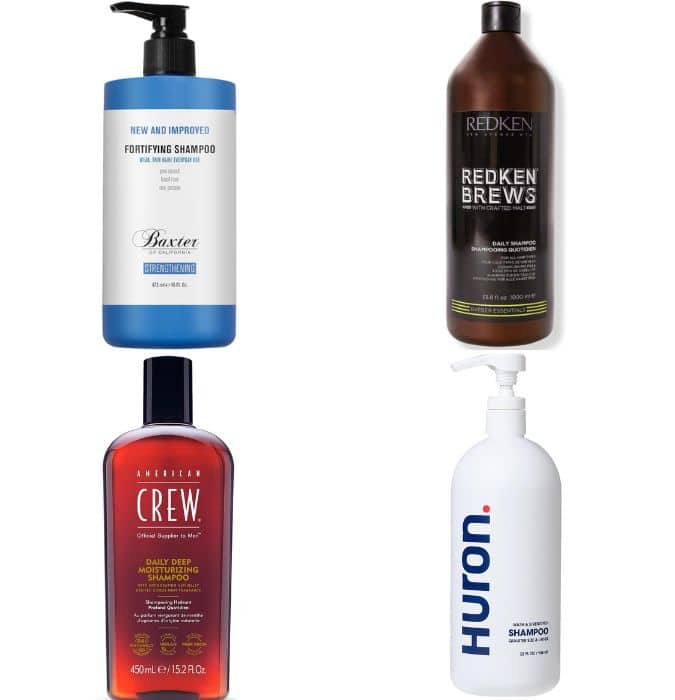
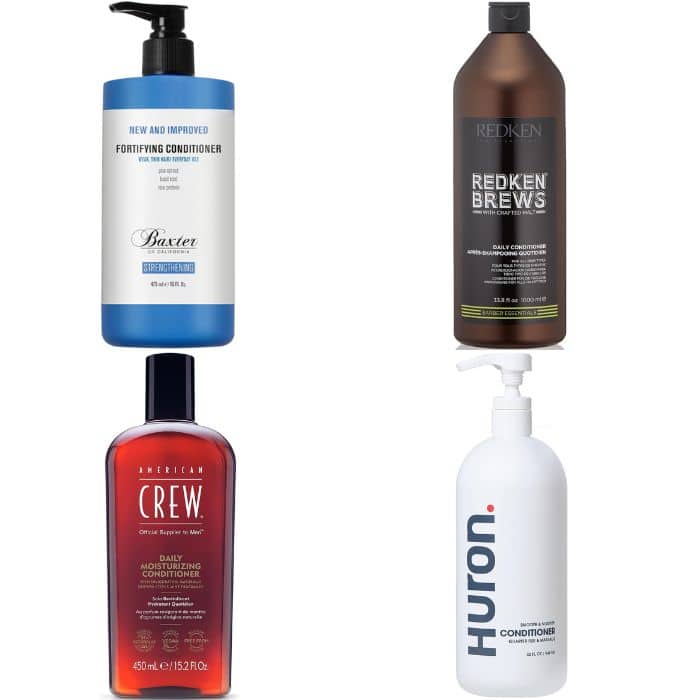
The modern approach to cleansing is defined by moderation. While the cultural habit of daily shampooing persists, industry experts now advocate for a more nuanced approach. Shampoo functions by emulsifying sebum—the natural oil produced by the scalp—along with product buildup and environmental pollutants. However, excessive washing can strip the hair of its protective lipid barrier, leading to dryness and frizz.

Barbershop professionals, such as those at the London-based institution Ruffians, recommend a frequency of two to three times per week for most hair types. For those who exercise daily or live in high-humidity environments, a daily rinse with warm water—without the use of surfactant-heavy shampoo—can often suffice to remove surface-level residue. When selecting a product, the trend is moving toward sulfate-free formulations. Sodium lauryl sulfate (SLS), while an effective foaming agent, has been identified as a primary irritant for sensitive scalps. Similarly, the removal of parabens and certain silicones has become a benchmark for quality, as silicones can create a "false shine" that masks the underlying health of the hair while causing long-term buildup.

Styling Methodology: The "Less is More" Philosophy
The transition from a "drip" of hair product to an excessive, cake-like application is a common pitfall. The modern professional approach favors a graduated application: starting with a small, pea-sized amount and emulsifying it thoroughly between the palms before applying. This ensures even distribution and prevents the dreaded "greasy" look.
Rest days are equally vital. Consistent, heavy product use can obstruct the hair follicle and scalp pores. Implementing "rest days" allows the scalp to regulate its own sebum production, contributing to a healthier environment for hair growth.

Categorizing Modern Styling Products
The diversity of contemporary products serves specific hair types and desired aesthetics. Understanding the chemical differences between these products is essential for achieving professional results:
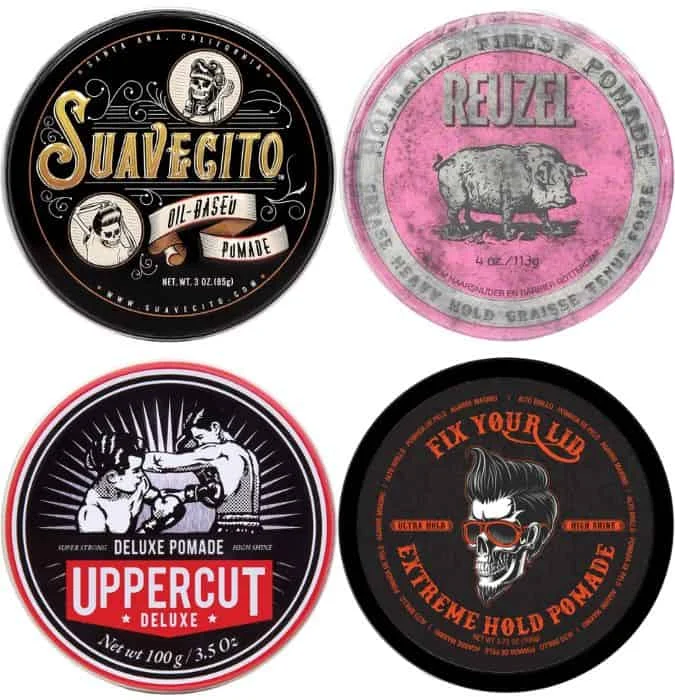
- Pomades: Historically oil-based, these are the heavy hitters of the styling world. Modern water-based versions offer similar hold but with improved washability. They are best suited for medium-to-thick hair that requires high structure, such as pompadours or slicked-back styles.
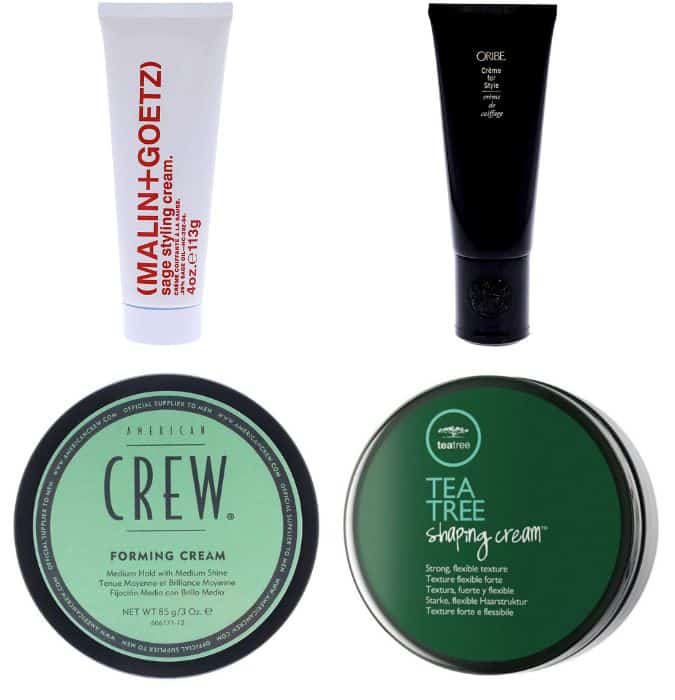
- Styling Creams: These mimic the natural oils of the hair, providing a low-to-medium hold with a natural finish. They are the ideal choice for fine or thinning hair, as they do not weigh the hair down.
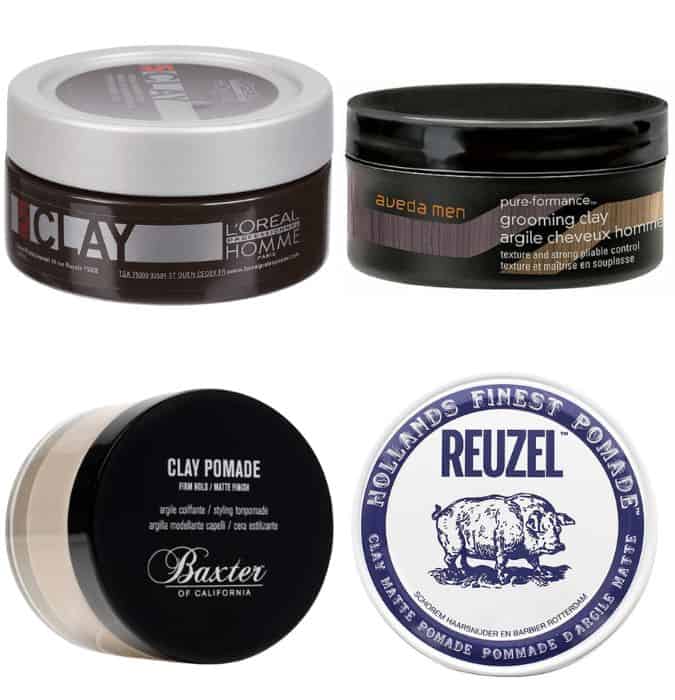
- Clays: Formulated with natural bentonite or kaolin, clays absorb excess oil and add volume. They are the go-to for matte-finish, textured styles like messy quiffs. The mineral content in these clays can also assist in detoxifying the scalp.
- Sea Salt Sprays: A recent innovation in men’s grooming, these sprays use saline to mimic the texture achieved after a day at the beach. They are excellent for adding grip and volume to fine hair, serving as a perfect pre-styler for heavier products.
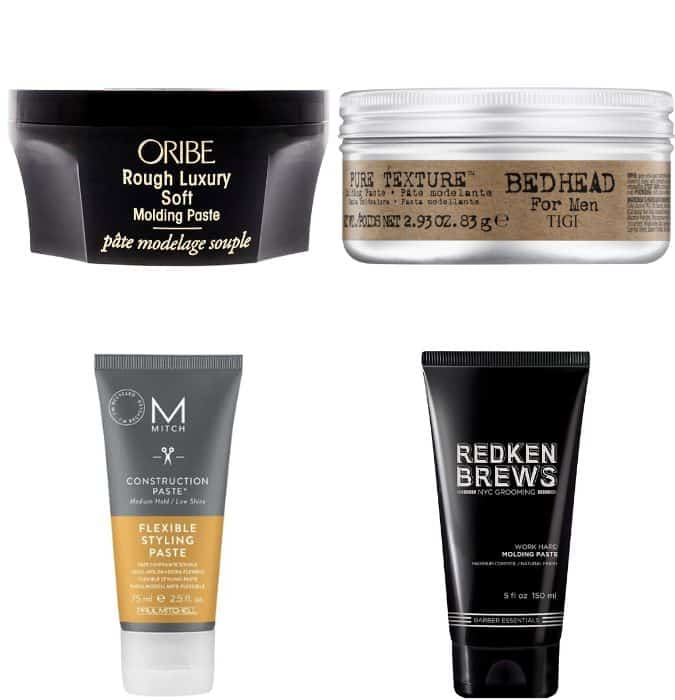
- Pastes: The versatile "all-rounder." Pastes offer a pliable hold that can be reworked throughout the day, making them suitable for almost any hair length or texture.
The Role of Precision Tools
Investment in quality hardware is as important as the product itself. A hair dryer is not merely a tool for speed; it is an essential styling instrument. Using a dryer with a minimum of 1800 watts, combined with ceramic and tourmaline technology, minimizes thermal damage while maximizing volume. The "cool shot" feature on high-end dryers is often underutilized; it is, in fact, the most effective way to lock a style in place by sealing the hair cuticle.

Similarly, the choice of comb or brush dictates the health of the scalp. Metal combs are increasingly viewed as detrimental, as they can cause micro-lacerations to the hair shaft. Saw-cut, individually molded plastic or horn combs offer a smoother surface that prevents breakage. For longer styles, a vent brush is superior for distributing natural oils from the scalp to the ends, ensuring the hair remains hydrated and protected from environmental stressors.
Implications and Future Trends
As we move through 2026, the focus of the men’s hair care industry is shifting toward transparency and sustainability. Consumers are demanding more information regarding the ethical sourcing of ingredients and the environmental impact of plastic packaging. This has led to the rise of "refillable" product models and a preference for brands that utilize biodegradable materials.

Furthermore, the integration of personalized hair care—where products are formulated based on individual DNA or scalp analysis—is moving from a niche service to a mainstream offering. The implications for the average consumer are clear: the future of grooming is not found in the sheer volume of products on the shelf, but in the intelligent selection of a few, high-quality items that align with one’s specific biological needs and lifestyle. By prioritizing scalp health, understanding product chemistry, and utilizing the correct tools, men can achieve professional, sustainable results that transcend fleeting trends.
