
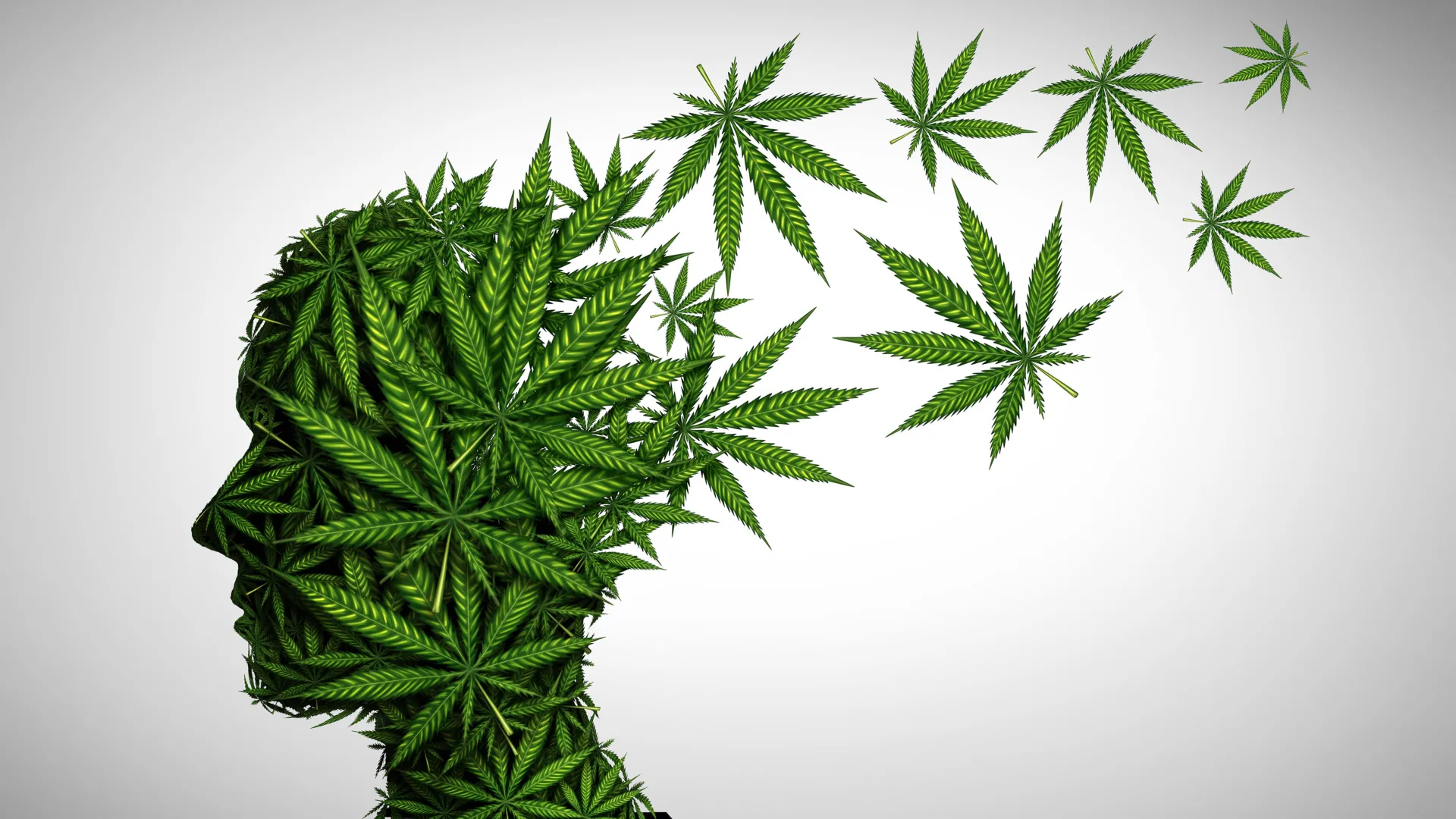
As cannabis use continues its upward trajectory among the nation’s senior population, experts at Stanford Medicine are issuing a critical warning: contemporary marijuana products are significantly more potent than many older adults may realize, presenting a spectrum of potential health risks that demand careful consideration. This surge in usage, coupled with evolving product formulations, necessitates a more informed approach to cannabis consumption within this demographic.
The Evolving Landscape of Cannabis and an Aging Population
Eloise Theisen, a geriatric nurse practitioner specializing in cannabis therapy at Stanford Medicine, found herself drawn into the field after a personal experience with chronic pain following a severe car accident. Her journey led her to observe a growing trend among patients, particularly in oncology settings, who were either already using cannabis or contemplating its use, often without the guidance of medical professionals. "I found that our patients were going to use it whether their providers approved of it or not," Theisen stated. "Many of our patients were older, and they had risks that needed to be evaluated and addressed before they started using cannabis."
The increasing acceptance and accessibility of both medical and recreational cannabis across the United States have contributed to a notable rise in its use among adults over 65. This demographic shift presents a complex challenge for healthcare providers and researchers alike. Despite the growing user base, significant gaps remain in our understanding of cannabis’s long-term effects on the aging body and brain. The federal prohibition of marijuana continues to impede comprehensive research, creating a void in evidence-based medical guidance.
Many older adults turn to cannabis in the hope of alleviating persistent issues such as chronic pain, insomnia, and anxiety. However, Smita Das, MD, PhD, a clinical associate professor of psychiatry and behavioral sciences at Stanford Medicine, emphasized that a broad medical consensus on cannabis’s efficacy in treating these conditions has yet to be established. This lack of definitive scientific backing, combined with the potent nature of modern products, underscores the urgency of the warnings issued by Stanford experts.
The Potency Paradox: Today’s Cannabis is Not Your Grandfather’s Marijuana
A central concern raised by Stanford Medicine specialists is the dramatic increase in the potency of cannabis products compared to those available decades ago. In the 1970s, marijuana typically contained between 1% and 4% tetrahydrocannabinol (THC), the primary psychoactive compound responsible for the "high." Today, legal cannabis flower commonly averages around 20% THC, with some strains reaching as high as 35%. The implications of this threefold to tenfold increase in THC concentration are significant, particularly for older adults whose bodies may process substances differently.
Beyond traditional flower, highly concentrated forms of cannabis—including oils, edibles, and concentrates—can boast THC levels approaching 90%. The use of synthetic marijuana products, such as Spice or K2, which are illegal in many jurisdictions, further amplifies this concern due to their even greater potency and association with severe adverse events, including cardiac issues.
"We’re trying to catch up in our understanding of how that drastic of an increase in the psychoactive ingredient is impacting the brain and the body," explained Claudia Padula, PhD, an assistant professor of psychiatry and behavioral sciences. This heightened potency is a likely contributor to a concerning rise in accidental overconsumption. A Canadian study that examined emergency room visits before and after nationwide cannabis legalization revealed a near tripling of cannabis poisoning cases among adults over 65. "There are so many different formulations and so many different strengths," Dr. Das noted. "This is really not the cannabis of the ’70s."
Cardiovascular and Cognitive Risks: A Growing Concern for Seniors
The potential impact of regular cannabis use on cardiovascular health is a significant area of focus for researchers. While cannabis research is still evolving, several studies have indicated a link between consistent cannabis consumption and an increased risk of cardiovascular disease. Joseph Wu, MD, PhD, director of the Stanford Cardiovascular Institute, highlighted this as particularly concerning for older adults, given that heart disease remains the leading cause of death in the United States.
Dr. Wu’s research team has observed in animal studies that THC can trigger inflammation in blood vessels. Epidemiological research has further corroborated these findings, associating regular cannabis use in humans with a 29% increase in heart attack risk and a 20% increase in stroke risk. While these risks may be lower than those associated with heavy tobacco or alcohol use, the reality for many cannabis users is the concurrent use of other substances. The combination of cannabis with cigarettes, alcohol, or both can compound cardiovascular dangers. Furthermore, smoking cannabis has been linked to an increased risk of lung cancer and cancers of the head and neck.
Dr. Wu cautioned that smoking and vaping cannabis appear to induce more inflammation than edible products, though edibles are not without their own risks. "There is no safe amount of cannabis," he stated. "Low doses and occasional use are still associated with vascular inflammation. Abstinence is the safest option for heart health."
Beyond cardiovascular concerns, Theisen also monitors for other adverse effects in older patients using cannabis, including dizziness, confusion, falls, and the exacerbation of cognitive issues such as dementia. Older adults generally metabolize cannabis more slowly than younger individuals, meaning the drug can remain in their system for extended periods, leading to prolonged and potentially unexpected effects. This slower metabolism also elevates the risk of dangerous interactions with prescription medications.
A notable example involves cannabidiol (CBD), a non-intoxicating cannabis compound. CBD can interfere with the enzymes responsible for metabolizing various medications, including blood thinners. This interference can lead to increased drug levels in the body, heightening the danger of bleeding. In some instances, cannabis use can also diminish the effectiveness of prescribed medications.
The Illusion of Innocuity: Understanding Cannabis Addiction
A pervasive misconception surrounding cannabis is its perceived lack of addictive potential. However, Dr. Das emphasized that current research strongly suggests otherwise. Studies indicate that approximately 30% of regular cannabis users may develop cannabis use disorder, a condition characterized by the drug’s significant impact on an individual’s daily life, including withdrawal symptoms, the need for escalating doses, and interference with personal relationships and responsibilities.
While cannabis addiction rates may be lower than those for alcohol, Dr. Das pointed out that many healthcare providers do not routinely inquire about cannabis use among older adults. "I’m noticing that older adults may not necessarily be disclosing cannabis use to their providers unless specifically asked," she observed. "This isn’t a population we traditionally think about in terms of using cannabis." This oversight can mean that for some seniors, their primary care physician might be the first healthcare professional to broach the subject of cannabis use.
For individuals seeking to reduce or cease their cannabis consumption, open communication with a doctor or addiction specialist is crucial. Evidence-based treatments, such as cognitive behavioral therapy, have demonstrated effectiveness in managing substance use disorders. "Empowering individuals by helping them understand the criteria of a substance use disorder can then help them decide, ‘Is this something I want to talk about?’" Dr. Das suggested. "On the clinician side, we can do a lot to make substance use part of the conversation. What are they using the cannabis for? And if somebody wants to stop using, we need to stick with them through the difficult part of stopping."
Dr. Padula’s ongoing research into how the brain responds to environmental cues in individuals with cannabis use disorder and other addictions utilizes functional MRI scans. Her findings suggest that individuals who relapse after treatment often exhibit heightened sensitivity to drug-related environmental signals.
The Therapeutic Promise and Research Limitations
While the risks associated with potent cannabis products are substantial, research also suggests potential therapeutic benefits for certain conditions, though the evidence base remains limited and often mixed. Studies have indicated differing motivations for cannabis use across age groups. A 2017 study led by Dr. Padula involving medically licensed cannabis users found that younger adults (18-30) were more likely to use cannabis for boredom or social reasons. Middle-aged users frequently reported insomnia, while adults aged 51-72 most commonly cited cancer, chronic pain, or other long-term medical conditions as reasons for their use.
It is important to note that the Food and Drug Administration (FDA) has not approved cannabis itself for widespread medical treatment. However, two cannabis-related compounds have received FDA approval: CBD for specific forms of childhood epilepsy and dronabinol (a synthetic cannabinoid) for treating nausea and appetite loss in patients undergoing cancer chemotherapy or those with HIV/AIDS. Additionally, cannabis compounds have shown promise for managing muscle spasms associated with multiple sclerosis, a condition for which cannabis is approved in some countries, though not yet in the United States.
The marketing of CBD products for pain, sleep issues, anxiety, and substance use disorders is widespread. However, robust scientific evidence to support many of these claims remains limited. Research into cannabis for chronic pain has yielded inconsistent results, with some studies reporting pain relief while others highlight significant placebo effects. Dr. Das contributed to a statement from the American Psychiatric Association that opposes the use of cannabis as a psychiatric treatment due to the current lack of evidence demonstrating its effectiveness for psychiatric disorders.
In the realm of palliative care, Eloise Theisen has observed the utility of cannabis for patients facing life-limiting illnesses. Many of these patients utilize cannabis to manage cancer-related symptoms, particularly pain, and often seek alternatives to opioid medications, which carry substantial risks of serious side effects and addiction. Research has shown that some chronic pain patients who use cannabis report a reduction in their opioid consumption. Theisen also noted that many patients find cannabis can contribute to a sense of well-being. "THC has gotten a bad rap over the years, but in very small doses it can be therapeutic," she remarked. "There’s also a lot of stigma around its effects of euphoria. In our patients who may have months to a few years to live, still being able to experience joy is really important."
The Imperative of Open Dialogue: Bridging the Information Gap
Despite differing perspectives on the precise medical utility of cannabis, Stanford Medicine experts universally agree on one critical point: older adults must engage in honest and open conversations with their healthcare providers before initiating cannabis use. Theisen strongly advocates for patients to seek guidance from medical professionals rather than relying on advice from dispensary staff or experimenting independently.
In the early years following the legalization of cannabis in various states, Theisen frequently encountered patients who had inadvertently consumed extremely high doses of THC edibles due to inadequate or misunderstood instructions. "Patients would sometimes end up in the emergency department, or they would not want to take it again because they thought, ‘This isn’t going to work for me,’" she recalled.
The challenge of accessing reliable information about cannabis remains a significant hurdle. Healthcare providers play a vital role in assisting patients to evaluate the appropriateness of cannabis for their individual needs, discuss potential alternatives, and identify specific risks associated with pre-existing medical conditions or current medication regimens.
"Your primary care physician will know the constellation of your medical conditions and other medications you might be on," Dr. Padula emphasized. "Talking to your doctor and letting them know not only what you’re prescribed, but what you’re using recreationally, will help formulate a way to do it in as safe a manner as possible." This collaborative approach, informed by expert guidance and open communication, is essential for navigating the complex landscape of cannabis use among America’s aging population.
