
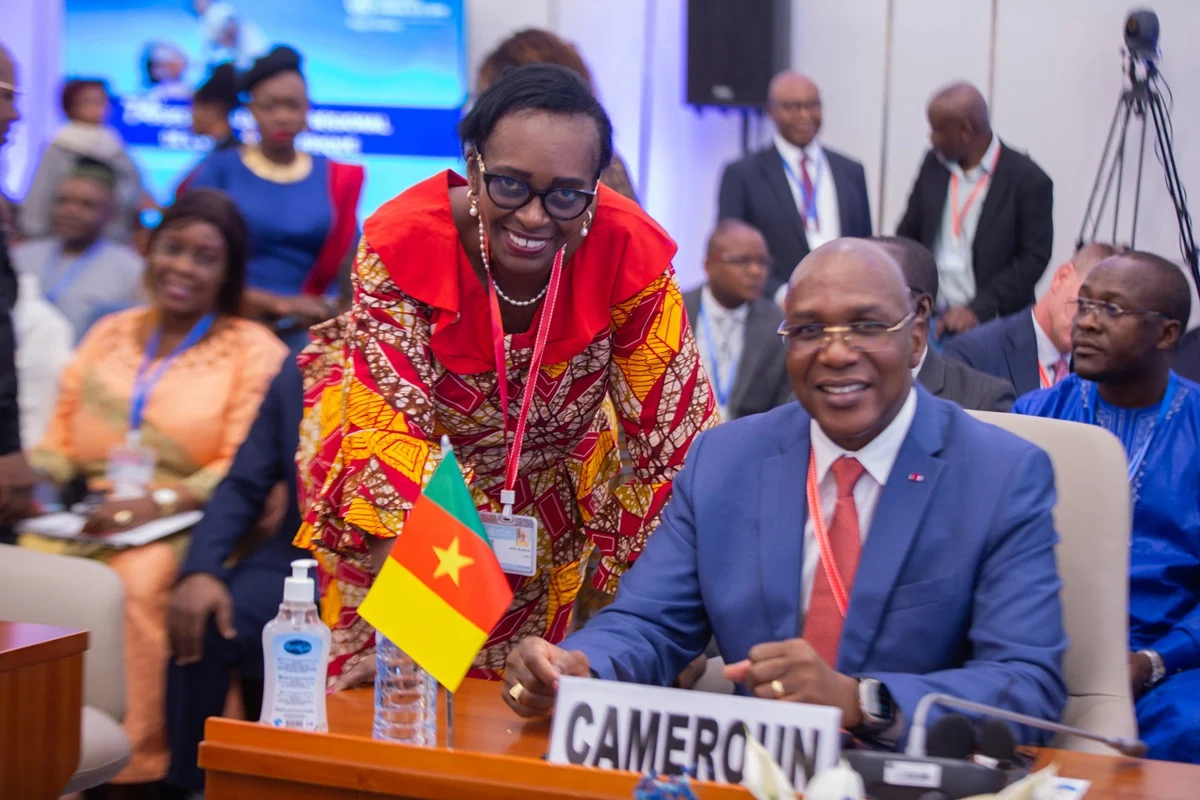
In a landmark display of collective fiscal responsibility and regional solidarity, 14 African nations and a coalition of global philanthropic partners have committed more than US$ 45 million to the World Health Organization (WHO) Investment Round. This financial infusion, announced during the WHO Regional Committee for Africa, represents a pivotal shift toward a more sustainable and predictable funding model for the United Nations’ lead health agency. The initiative, now in its third month, seeks to stabilize the WHO’s core operations over the next four years, ensuring that the organization remains the cornerstone of global health governance amidst an era of increasing epidemiological volatility.
The pledges were formalized as heads of state and ministers of health from across the continent gathered to deliberate on the future of African health security. By securing these commitments, the African Region has positioned itself at the forefront of a global effort to transform how the WHO is financed—moving away from a reliance on earmarked, short-term project funding toward a model based on flexible, multi-year contributions.
The Genesis of the Investment Round: A Shift in Strategy
The WHO Investment Round is not merely a fundraising campaign; it is a strategic institutional reform. Launched at the 77th World Health Assembly in May 2024, the initiative was developed in response to chronic challenges in the organization’s financing structure. For decades, the WHO has struggled with a budget heavily dependent on voluntary, highly restricted contributions. This often forced the agency to prioritize specific donor-led programs rather than the broader, systemic health goals defined by its member states.
The Investment Round is designed to secure funding that is, by definition, flexible, predictable, and resilient. Flexibility ensures that the WHO can allocate resources where they are most needed, rather than where specific donors dictate. Predictability allows for long-term strategic planning, which is essential for managing multi-year public health programs such as disease eradication, immunization campaigns, and the strengthening of primary healthcare systems. Resilience, meanwhile, is sought through the diversification of the donor base, reducing the organization’s vulnerability to the domestic political shifts of any single major financier.
Chronology of the Initiative
The journey to this historic commitment began years prior to the May 2024 launch, as the COVID-19 pandemic exposed the severe vulnerabilities within the global health architecture.
- 2020–2022: The COVID-19 pandemic acted as a catalyst for a global debate on the necessity of a well-funded WHO. Independent panels, including the Independent Panel for Pandemic Preparedness and Response, called for a fundamental reform of the organization’s financing.
- May 2024: The WHO Investment Round is officially launched at the World Health Assembly. The target is set to mobilize sufficient resources for the WHO’s 14th General Programme of Work (GPW 14).
- August 2024: Preparatory discussions intensify across regional committees. Member states begin internal budget reviews to determine potential contribution levels.
- August 2024 (Regional Committee Meeting): The 14 African nations formalize their pledges, marking the first significant regional block of support in the current round.
Data and Contributions: Who is Leading the Effort?
The participating African nations that have pledged support include Botswana, Cabo Verde, Chad, Congo, Ethiopia, Gambia, Mauritius, Namibia, Niger, Rwanda, Senegal, Seychelles, South Africa, and the United Republic of Tanzania. These nations represent a diverse cross-section of the continent, spanning different economic profiles and healthcare challenges.
In addition to state commitments, a robust array of institutional and philanthropic partners have pledged support or signaled their intent to provide funding later in the year. These include:
- The Helmsley Charitable Trust
- World Diabetes Foundation
- Roche
- Kuwait Fund for Arab Economic Development
- Bill & Melinda Gates Foundation
- African Development Bank
- WHO Foundation
The involvement of the African Development Bank is particularly significant, as it signals a growing recognition that health is an economic imperative. Health security is now viewed by regional leaders as a prerequisite for the continent’s economic development, particularly in the context of the African Continental Free Trade Area (AfCFTA).
Perspectives from Leadership
Dr. Tedros Adhanom Ghebreyesus, the WHO Director-General, expressed his gratitude during the committee proceedings, noting that the African Region’s support is a testament to their commitment to global solidarity. “I thank our African Region Member States for actively supporting WHO’s first Investment Round to mobilize predictable and flexible resources needed for our core work over the next four years,” Dr. Tedros stated. He emphasized that the financial backing provided by these nations is essential for the agency’s ability to support member states in building resilient health systems capable of weathering future crises.
Dr. Matshidiso Moeti, the WHO Regional Director for Africa, underscored the pragmatic necessity of this funding. “A strong, predictable and sustainably financed WHO is essential for our region and the world to meet the multiple health threats we face,” Dr. Moeti remarked. Her leadership throughout the Regional Committee meeting focused on the "value proposition" of the WHO—the idea that every dollar invested in the organization results in a multiplier effect, as it supports regional efforts to prevent disease and manage public health emergencies more effectively.
Implications for Global Health Architecture
The significance of the US$ 45 million pledge extends beyond the monetary value. It acts as a political signal to other regions and the international community that the Global South is not merely a recipient of aid but an active financier of global public goods.
Strengthening Primary Healthcare
The flexible nature of these funds will allow the WHO to pivot away from crisis-only mode toward the long-term objective of Universal Health Coverage (UHC). By investing in primary healthcare, nations can reduce the burden of both communicable diseases—such as malaria, HIV, and tuberculosis—and the rising tide of non-communicable diseases (NCDs) like diabetes and hypertension.
Resilience Against Future Pandemics
The COVID-19 pandemic highlighted that no nation is safe until all are safe. The WHO’s ability to coordinate a global response hinges on its technical capacity and its rapid-response mechanisms. The Investment Round aims to ensure that the WHO has the "surge capacity" to act at the first sign of a disease outbreak, potentially saving billions of dollars in long-term economic damage that occurs when outbreaks spiral into pandemics.
Addressing the Funding Gap
Despite the success of this regional push, the WHO still faces a substantial funding gap to reach its total goal for the GPW 14 cycle. The current funding model is still characterized by a high degree of "earmarking," where donors specify exactly how funds should be used. While this provides accountability, it often leaves core functions—such as standard-setting, research, and technical advice—underfunded. The success of this Investment Round will be measured not just by the total dollars raised, but by the percentage of that funding which is "unearmarked" or "thematically flexible."
The Path Forward: Sustaining Momentum
The Investment Round is slated to continue through the remainder of the year, with various pledging events planned across other WHO regions. The success of the African Region has set a high bar for other regions, including Europe, the Americas, and Southeast Asia.
For the international community, the challenge remains to maintain this momentum. The World Health Assembly in 2025 will likely serve as a secondary checkpoint to assess whether the pledges made during these committee meetings are successfully converted into signed agreements and cash transfers.
As the global health landscape becomes increasingly complex, characterized by the intersection of climate change, urbanization, and aging populations, the role of a well-resourced WHO becomes more critical. The actions of the 14 African nations demonstrate a pragmatic understanding of the modern world: that health is a collective asset requiring sustained, shared investment. Whether this model of regional leadership can inspire a new era of global cooperation in health financing remains one of the most significant open questions in contemporary international relations.
By securing these funds, the WHO moves one step closer to its mission of promoting, providing, and protecting health and well-being for all—a vision that, thanks to the commitment of the African region, now rests on a more secure financial foundation than it has in decades. The coming months will be decisive as the international community observes whether this regional initiative can serve as the catalyst for a truly global transformation of how the world funds its most critical health institution.
