
As the world continued to navigate the complexities of a "new normal" throughout 2021, marked by a gradual reintegration of pre-pandemic routines alongside newly adopted habits, consumer behaviors surrounding food and eating demonstrated a notable shift. A comprehensive U.S. consumer survey conducted by the Food Insight organization revealed a decrease in certain pandemic-induced dietary patterns that had been prevalent in 2020. Specifically, the percentage of Americans reporting increased snacking habits declined from 32% in 2020 to 18% in 2021. Similarly, the number of individuals who stated they were "eating more in general" dropped from 20% to 11% over the same period. This suggests a partial return to pre-pandemic eating schedules for a significant portion of the population.
However, this shift was not uniform across all food-related behaviors. The same survey indicated a decrease in the proportion of consumers cooking at home, falling from 60% in 2020 to 47% in 2021. This trend could be attributed to a variety of factors, including the reopening of restaurants and increased social engagements, allowing individuals to dine out more frequently. Conversely, the survey findings also underscored persistent and significant disparities in food security across different demographic groups, highlighting the ongoing challenges faced by vulnerable populations in accessing adequate and nutritious food.
Beyond the realm of nutrition and dietary habits, the lingering impact of the COVID-19 pandemic continued to manifest in diverse and individual ways. The emergence of new disease variants served as a stark reminder of the ongoing global health crisis and underscored the critical imperative for accelerated vaccination efforts worldwide. Particular attention was drawn to the urgent need for increased vaccine accessibility in low- and lower-middle-income countries, where vaccination rates lagged significantly due to logistical challenges, resource constraints, and vaccine nationalism. This disparity in global health equity remains a paramount concern for international public health organizations.
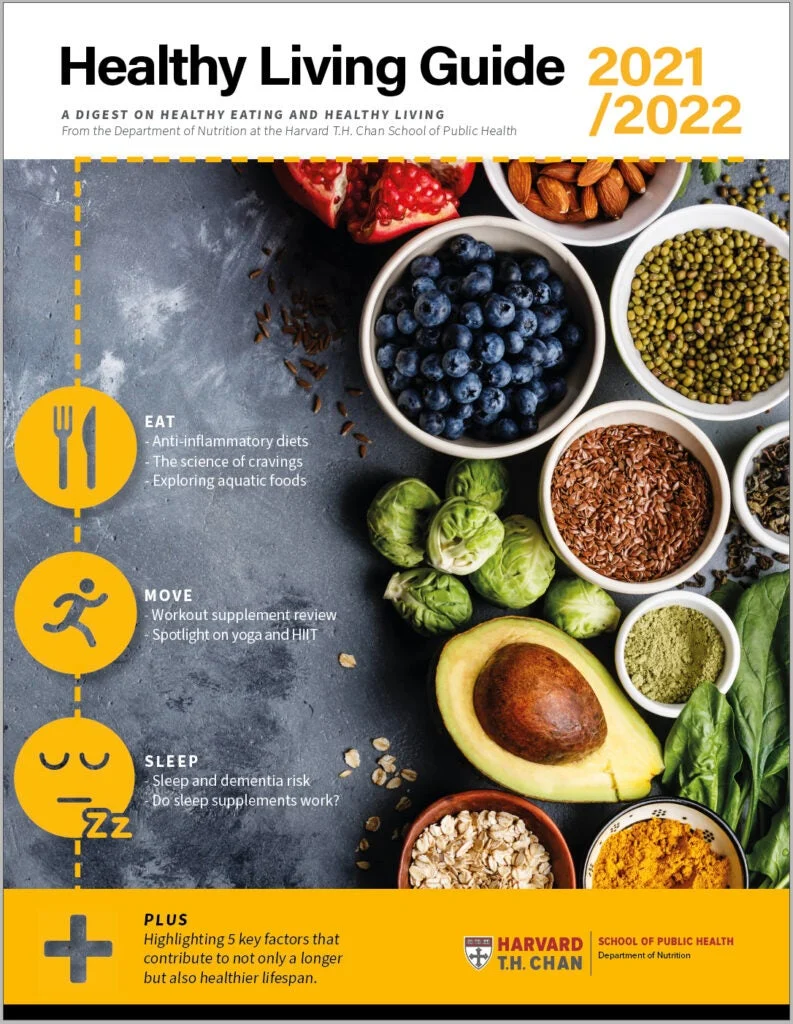
In light of these evolving circumstances and the persistent health challenges, a renewed emphasis on promoting healthy behaviors remains crucial. The latest edition of the Healthy Living Guide, released in early 2022, aims to provide individuals with practical guidance and evidence-based information to foster well-being. This year’s guide revisits the foundational pillars of healthy living: balanced eating, regular physical activity, and sufficient sleep. It incorporates selected research highlights, offering insights into the latest scientific understanding of these key areas. Furthermore, the guide delves into popular nutrition and lifestyle topics, providing a closer examination of current trends and their implications for personal health. The publishers express their hope that the guide will serve as a valuable resource for readers, contributing to a healthier and more fulfilling 2022.
Understanding the Shifting Consumer Landscape in Food and Nutrition
The period between 2020 and 2021 represented a dynamic phase in how Americans approached their dietary habits. The initial shock of the COVID-19 pandemic in 2020 spurred significant changes, including a surge in home cooking and increased consumption of snacks as individuals adapted to lockdowns and remote work. As society began to cautiously reopen and resume more traditional activities in 2021, these behaviors naturally evolved. The Food Insight survey data provides a quantifiable measure of this evolution, indicating a moderation of some of the more extreme dietary shifts observed in the earlier stages of the pandemic.
The decline in reported increased snacking from 32% to 18% suggests a return to more structured meal patterns for many. This could be linked to the resumption of office work, where informal snacking might be less prevalent than in a home environment. Similarly, the drop in individuals reporting "eating more in general" from 20% to 11% could reflect a greater sense of normalcy and control over daily routines, potentially leading to more mindful consumption.
However, the decrease in home cooking from 60% to 47% warrants further analysis. While the reopening of restaurants undoubtedly played a role, other contributing factors might include the cumulative fatigue of extensive home cooking, a desire for convenience, or a renewed focus on social dining experiences. This trend could have implications for public health if it leads to a decrease in the consumption of home-prepared meals, which are often perceived as healthier due to greater control over ingredients and portion sizes. Public health initiatives may need to address this by promoting healthy dining-out options or encouraging simplified, nutritious home cooking strategies.
Food Security: A Persistent and Growing Concern
Amidst the shifts in consumer eating habits, the issue of food security remained a critical concern, with survey data highlighting significant disparities. Food security, defined as the state of having reliable access to a sufficient quantity of affordable, nutritious food, was disproportionately affected by the economic fallout of the pandemic. Low-income households, communities of color, and individuals in regions with limited access to grocery stores were more likely to experience food insecurity.
The economic disruptions caused by widespread job losses and reduced working hours in 2020 and 2021 exacerbated existing inequalities. Supply chain disruptions also contributed to price increases for essential food items, making it harder for vulnerable populations to afford nutritious options. Organizations working to combat food insecurity reported increased demand for their services, including food banks and community meal programs. These challenges underscore the need for sustained policy interventions aimed at strengthening food assistance programs, improving access to healthy food in underserved areas, and addressing the root causes of poverty and economic inequality.
The Unfolding Global Health Crisis: Variants and Vaccination Imperatives
The COVID-19 pandemic continued to present a formidable global health challenge throughout 2021 and into 2022. The emergence of new, more transmissible variants of the SARS-CoV-2 virus, such as Delta and Omicron, demonstrated the virus’s ability to adapt and posed renewed threats to public health systems worldwide. These variants necessitated ongoing public health measures, including mask mandates, social distancing, and enhanced testing and tracing protocols.
The scientific community responded with rapid development and deployment of vaccines. However, global vaccination efforts faced significant hurdles. While high-income countries achieved high vaccination rates, many low- and lower-middle-income countries struggled to access sufficient vaccine supplies. This was due to a complex interplay of factors, including vaccine nationalism, where wealthier nations secured large quantities of vaccines, and logistical challenges in distribution and administration in resource-limited settings.
The World Health Organization (WHO) and other international health bodies repeatedly emphasized the critical need for global vaccine equity. Their rationale was twofold: firstly, it is a matter of ethical imperative to protect all populations from a deadly disease. Secondly, from a pragmatic public health standpoint, widespread vaccination globally is essential to curb the spread of the virus and prevent the emergence of new, potentially more dangerous variants that could undermine global efforts to control the pandemic. As of early 2022, significant gaps remained in global vaccination coverage, underscoring the ongoing urgency for increased international cooperation and resource allocation to ensure equitable vaccine access.
Core Pillars of Healthy Living: A Continued Focus
Against this backdrop of evolving societal behaviors and persistent global health concerns, the Healthy Living Guide’s emphasis on the fundamental principles of well-being remains particularly relevant. These principles, namely balanced eating, regular physical activity, and adequate sleep, are interconnected and form the bedrock of a healthy lifestyle.
Balanced Eating: The guide aims to provide clarity on what constitutes a healthy diet in the current environment. This involves focusing on nutrient-dense foods, such as fruits, vegetables, whole grains, lean proteins, and healthy fats. It encourages limiting processed foods, added sugars, and unhealthy fats, which are often associated with increased risk of chronic diseases like heart disease, diabetes, and obesity. The guide likely offers practical tips on meal planning, portion control, and making healthier choices when dining out, acknowledging the trend away from exclusive home cooking. Research consistently demonstrates that a balanced diet plays a pivotal role in immune function, energy levels, and overall physical and mental health.
Physical Activity: Regular engagement in physical activity is another cornerstone of healthy living. The guide likely reiterates recommendations for moderate-intensity aerobic exercise for at least 150 minutes per week, or vigorous-intensity aerobic exercise for at least 75 minutes per week, along with muscle-strengthening activities at least two days a week. The benefits of physical activity extend beyond weight management; it improves cardiovascular health, strengthens bones and muscles, enhances mood and cognitive function, and reduces the risk of numerous chronic diseases. As life returns to a more active rhythm for some, the guide may offer advice on integrating exercise into busy schedules or finding enjoyable forms of physical activity.
Adequate Sleep: Sleep is often an overlooked but crucial component of health. The guide likely emphasizes the importance of quality sleep for physical recovery, cognitive function, emotional regulation, and immune system health. Recommendations typically suggest 7-9 hours of quality sleep per night for adults. Poor sleep is linked to a host of health problems, including impaired concentration, increased stress levels, weakened immunity, and a higher risk of chronic diseases. The guide may offer strategies for improving sleep hygiene, such as establishing a regular sleep schedule, creating a conducive sleep environment, and avoiding stimulants before bedtime.
Research Highlights and Topical Deep Dives
The Healthy Living Guide 2021-2022 edition promises to feature "selected research highlights" and "a closer look at some popular nutrition and lifestyle topics." This suggests that the content will be informed by the latest scientific findings, offering readers up-to-date information. For example, research highlights might delve into emerging findings on the gut microbiome and its impact on health, the role of specific nutrients in immune support, or the long-term effects of pandemic-related lifestyle changes.
The exploration of popular nutrition and lifestyle topics could address current trends such as plant-based diets, intermittent fasting, or the use of wearable technology for health monitoring. By providing evidence-based analysis of these topics, the guide aims to equip readers with the knowledge to make informed decisions about their health and well-being, distinguishing between fad trends and scientifically supported practices.
Testing Healthy Living Knowledge
A unique feature of the guide is the inclusion of a "Test your healthy living knowledge" section. This interactive element encourages readers to engage with the material and reinforce their learning. The hint that answers can be found within the previous year’s Healthy Living Guide (2020-2021) suggests a continuity of core principles while also implying that the new edition will build upon that foundation with updated information and new insights. This approach serves as a valuable tool for self-assessment and encourages a deeper dive into the resources provided.
Broader Implications and Future Outlook
The trends observed in consumer behavior and the ongoing challenges of the pandemic underscore the dynamic nature of public health. The shifts in eating habits, particularly the decrease in home cooking, highlight the need for continued public health messaging that promotes healthy choices in various settings, including restaurants and convenience food options. The persistent issue of food insecurity demands sustained attention and policy interventions to ensure equitable access to nutritious food for all.
Globally, the imperative for equitable vaccine distribution and strengthened public health infrastructure remains paramount. The emergence of variants serves as a reminder that the pandemic is not yet over and requires a coordinated global response.
The Healthy Living Guide, by revisiting and reinforcing the fundamental principles of healthy eating, physical activity, and sleep, offers a timely and practical resource for individuals seeking to improve their well-being. Its focus on evidence-based information and exploration of current trends positions it as a valuable tool in navigating the complexities of modern health and promoting a healthier future. The commitment to providing accessible, actionable advice reflects a recognition that individual health is influenced by a confluence of personal choices, societal factors, and global health dynamics. As individuals continue to adapt to a post-pandemic world, the principles of healthy living remain a constant and vital guide.
