
As the world navigated the unprecedented challenges of 2020 and transitioned into 2021, the pervasive influence of the COVID-19 pandemic continued to reshape daily life. For a significant portion of the global population, this public health crisis introduced a cascade of unique and individualized impacts. These ranged from disruptions in food access and income instability to widespread emotional distress. Amidst this backdrop of uncertainty, the importance of maintaining robust health and well-being has never been more apparent. While definitive scientific evidence linking specific dietary factors to a reduced risk of COVID-19 infection remains elusive, the fundamental understanding that a healthy lifestyle is crucial for bolstering immune system function is firmly established.
The benefits of a healthy lifestyle extend far beyond immediate immune support. Extensive research, including studies highlighted by Harvard T.H. Chan School of Public Health, consistently demonstrates the profound long-term advantages of adopting key health-conscious habits. Individuals who consistently engage in five core practices – maintaining a healthy diet, exercising regularly, managing a healthy body weight, limiting alcohol consumption, and abstaining from smoking – have been shown to live significantly longer lives. Data indicates that adherence to these five habits can add more than a decade to one’s lifespan compared to those who do not.
Furthermore, the positive impact of these lifestyle choices is not solely measured in years gained but also in the quality of those years. A landmark study revealed that adults who adopted these five healthy habits during middle age experienced a greater number of years free from chronic diseases. This includes a reduced incidence and delayed onset of debilitating conditions such as type 2 diabetes, cardiovascular disease, and various forms of cancer. This crucial finding underscores the preventative power of a healthy lifestyle, offering a pathway to not just longevity but also to a more vibrant and disease-free existence.
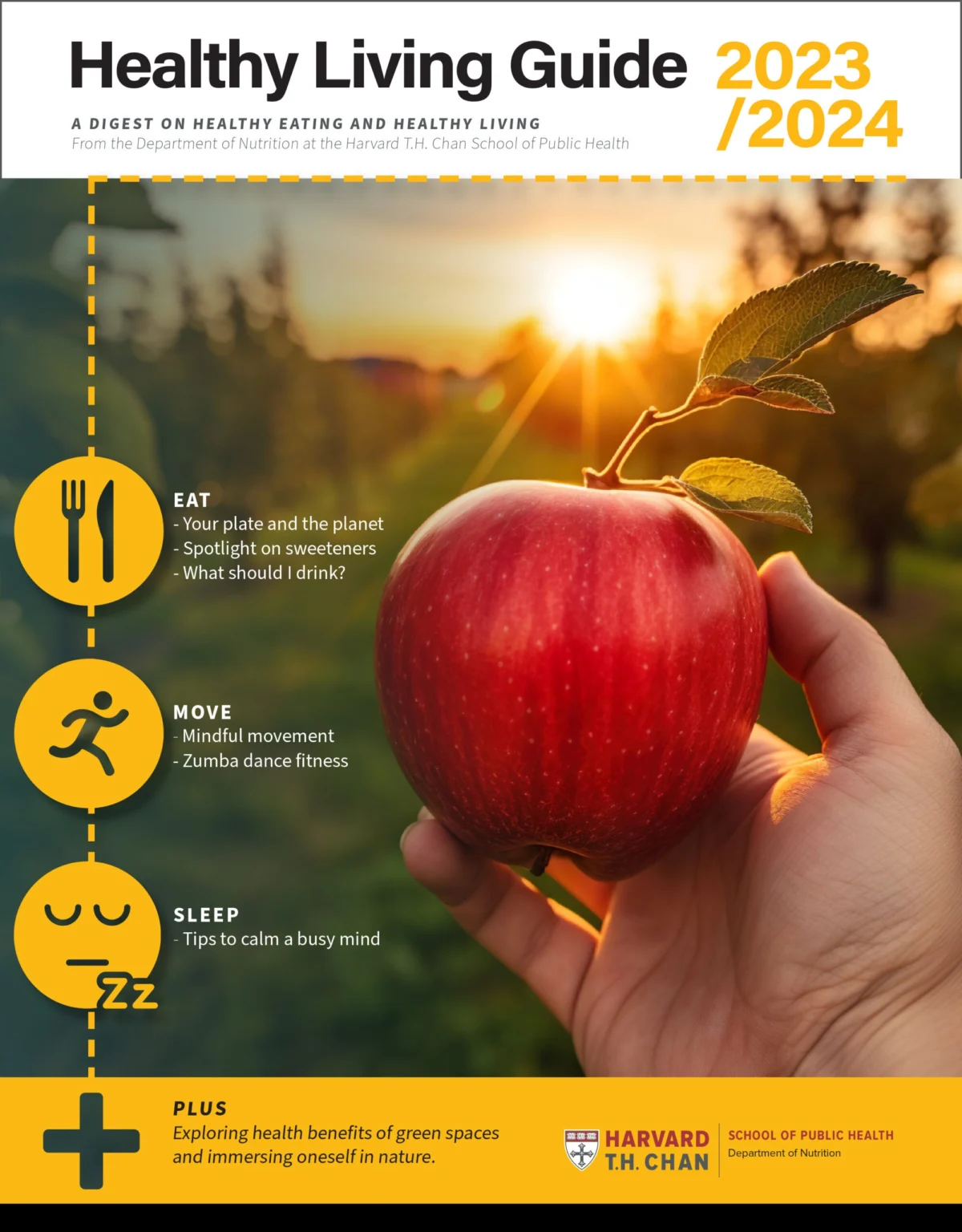
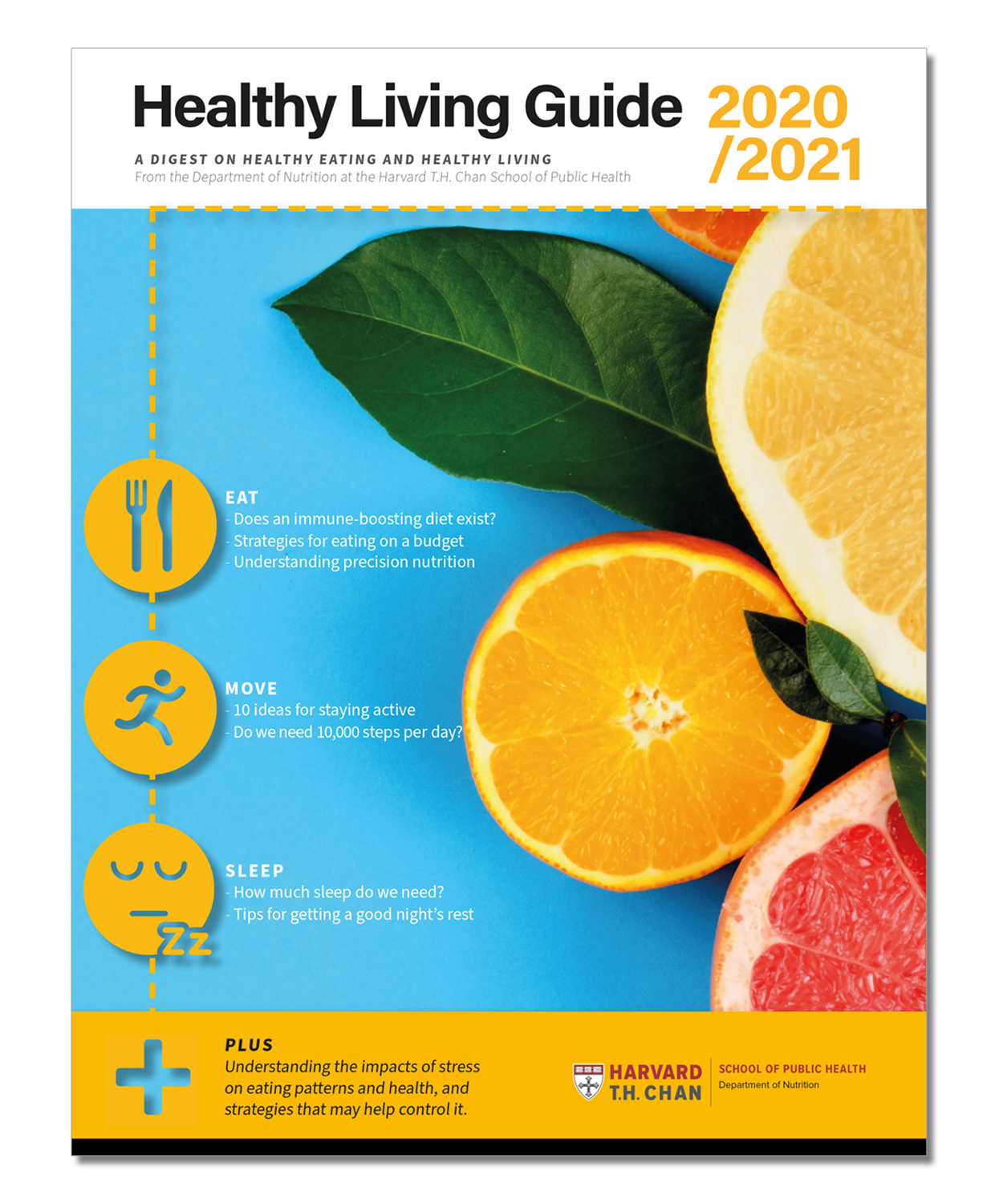
Recognizing that the implementation of healthy habits can present significant challenges, particularly during times of heightened stress and disruption, the development of resources like the "Healthy Living Guide" becomes instrumental. This guide, created with the explicit aim of offering practical tips and actionable strategies, seeks to empower individuals to make positive changes. In an era marked by profound uncertainty, the encouragement to prioritize healthy living, even in small, manageable steps, is paramount. The guide suggests that by embracing opportunities to try new recipes, incorporate regular exercise, or cultivate fulfilling hobbies, individuals can not only improve their health but also discover avenues for enjoyment and personal growth.
The "Healthy Living Guide" serves as a comprehensive resource, offering both downloadable printable tip sheets and summaries, alongside access to extensive online articles. This dual approach caters to diverse learning preferences and accessibility needs. The visual component of the guide, often featuring engaging graphics and clear layouts, aims to demystify complex health information and make it more digestible for a broad audience. For instance, a "Healthy Living Bingo Challenge," often included in such guides, transforms the pursuit of healthy habits into an interactive and motivating experience, encouraging users to tick off various healthy activities and aim for completion.
The Enduring Impact of the COVID-19 Pandemic on Health Behaviors
The COVID-19 pandemic, which began with the initial outbreak in late 2019 and rapidly escalated into a global health emergency throughout 2020 and into 2021, acted as a catalyst for both challenges and potential transformations in public health. Governments worldwide implemented stringent measures, including lockdowns, social distancing protocols, and restrictions on public gatherings, to curb the spread of the virus. These measures, while necessary from a public health perspective, had profound and multifaceted consequences on individual lifestyles and access to resources.
Timeline of Key Developments and Their Health Implications:
- Early 2020: The rapid global spread of COVID-19 led to widespread lockdowns and a dramatic shift in daily routines. For many, this meant a sudden cessation of regular physical activity, including gym closures and restrictions on outdoor recreation. The immediate impact was a potential decline in physical fitness and an increase in sedentary behavior.
- Mid-2020: As lockdowns persisted and the economic fallout of the pandemic became apparent, food security emerged as a significant concern for many households. Job losses, reduced working hours, and disruptions to supply chains led to increased food insecurity, forcing individuals to make difficult choices regarding nutrition. This period saw a rise in reliance on less healthy, more affordable food options.
- Late 2020 – Early 2021: The prolonged nature of the pandemic and its associated stressors, including isolation, anxiety about health, and financial worries, contributed to a documented increase in mental health challenges. Emotional eating and a decline in motivation for self-care activities, such as exercise and healthy meal preparation, became more prevalent.
- Ongoing: Despite the development and rollout of vaccines in late 2020 and early 2021, the pandemic continued to influence health behaviors. The emphasis on maintaining a strong immune system became a prominent public discourse, driving interest in nutrition and healthy living, even as practical barriers persisted.
The pandemic’s disruption of traditional healthcare access also played a role. Non-essential medical appointments were often postponed, and the focus shifted to managing acute COVID-19 cases. This meant that routine health screenings, chronic disease management, and preventative care may have been less accessible, potentially leading to a delayed diagnosis or exacerbation of existing health conditions.
Supporting Data: The Long-Term Benefits of Healthy Habits
The scientific consensus on the benefits of healthy living is robust and supported by extensive data. Studies have consistently demonstrated a strong correlation between adherence to healthy lifestyle choices and improved health outcomes.
- Longevity: A comprehensive study published in BMJ in 2018 analyzed data from over 110,000 individuals and found that those who adopted five key healthy lifestyle factors – maintaining a healthy weight, engaging in regular physical activity, eating a healthy diet, moderating alcohol consumption, and not smoking – lived, on average, 7.4 years longer than those who did not. This underscores the significant impact of these habits on overall lifespan.
- Chronic Disease Prevention: Research from the Harvard T.H. Chan School of Public Health has further elucidated the preventative power of these habits. Their findings indicate that middle-aged adults who adhered to these five lifestyle factors were likely to live approximately 10 years longer and, crucially, with a significantly reduced risk of developing major chronic diseases. This included a 71% reduction in the risk of cardiovascular disease and a 50% reduction in the risk of cancer. The reduction in type 2 diabetes risk was also substantial, highlighting the broad protective effects.
- Quality of Life: Beyond mere extension of life, healthy habits contribute to a higher quality of life. Studies on healthy aging consistently show that individuals who maintain good physical and mental health throughout their lives experience greater independence, improved cognitive function, and enhanced overall well-being in their later years. This translates to more years spent actively participating in life, free from the limitations imposed by chronic illness.
- Economic Impact: The societal cost of chronic diseases is immense, encompassing healthcare expenditures, lost productivity, and reduced quality of life. By reducing the incidence of these diseases, healthy lifestyles can lead to significant economic benefits, both at the individual and societal levels.
These data points provide a clear and compelling rationale for prioritizing healthy eating and healthy living, not just as individual pursuits but as public health imperatives.
Official Responses and Guidance
In response to the ongoing health crisis and the heightened awareness of the importance of well-being, public health organizations and governmental bodies have issued numerous recommendations and resources. While specific directives may vary by region and evolve with scientific understanding, a consistent message has emerged:
- World Health Organization (WHO): The WHO has consistently emphasized the role of a healthy diet in supporting immune function. They recommend a diet rich in fruits, vegetables, whole grains, and lean proteins, while limiting processed foods, sugar, and unhealthy fats. They also advocate for regular physical activity, adequate sleep, and stress management as crucial components of overall health. During the pandemic, the WHO issued specific guidance on maintaining healthy diets amidst food access challenges and recommended strategies for staying active while adhering to physical distancing measures.
- National Health Institutes (e.g., NIH in the US): National health bodies have echoed these sentiments, often providing detailed guidelines on nutrition, physical activity, and mental health. They have also supported research into the links between lifestyle factors and infectious disease resistance. Many have launched public awareness campaigns to promote healthy behaviors and provide accessible information to the public.
- Public Health Agencies (e.g., CDC in the US): Local and national public health agencies have played a critical role in disseminating information and providing practical advice. During the pandemic, they have offered guidance on safe food handling, strategies for maintaining mental well-being, and resources for accessing healthy food options. The development of tools like the "Healthy Living Guide" aligns with the public health mission of empowering individuals with the knowledge and resources to make informed health decisions.
These official responses reflect a consensus among health experts that while immediate medical interventions are vital for managing infectious diseases, long-term health and resilience are fundamentally built upon sustained healthy lifestyle practices.
Broader Impact and Implications
The sustained focus on healthy eating and healthy living, amplified by the crucible of the COVID-19 pandemic, carries significant broader implications for individuals and society.
Individual Empowerment and Resilience: The pandemic highlighted the interconnectedness of physical and mental health. By empowering individuals with the knowledge and tools to adopt healthier habits, societies can foster greater personal resilience in the face of future health crises. This includes not only building stronger immune systems but also enhancing emotional coping mechanisms and reducing the burden of chronic diseases that can exacerbate the severity of infectious illnesses.
Shifting Public Health Priorities: The experience of the pandemic has likely accelerated a shift in public health priorities, placing a greater emphasis on preventative care and lifestyle interventions. This could lead to increased investment in public health programs that promote healthy eating, physical activity, and mental well-being. Furthermore, it may spur innovation in how health information is disseminated, leveraging digital platforms and community-based initiatives to reach diverse populations.
Economic Considerations: While the immediate economic impacts of the pandemic have been severe, a long-term focus on healthy living could yield significant economic benefits. A healthier population is a more productive workforce, and a reduced burden of chronic diseases can lead to lower healthcare costs. This underscores the economic rationale for investing in public health infrastructure and promoting healthy lifestyles.
Behavioral Science and Public Engagement: The pandemic has also provided a unique opportunity to study behavioral science in action. Understanding the factors that drive or hinder the adoption of healthy behaviors during times of crisis can inform future public health campaigns and policy interventions. The success of resources like the "Healthy Living Guide" demonstrates the demand for practical, accessible, and engaging information that supports positive behavioral change.
In conclusion, while the COVID-19 pandemic presented unprecedented challenges, it also served as a potent reminder of the fundamental importance of healthy eating and healthy living. The evidence is clear: these practices are not merely elective choices but foundational pillars for individual well-being, longevity, and societal resilience. As the world continues to adapt, the insights gained and the resources developed during this period will undoubtedly shape future approaches to health promotion and disease prevention. The commitment to fostering a healthier population, equipped with the knowledge and support to thrive, remains a critical imperative.
