
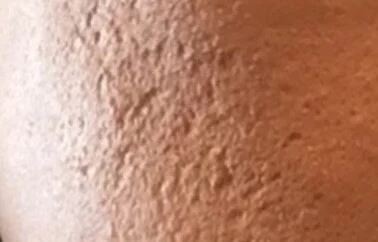
A Canadian lawyer, navigating the complexities of her profession and daily life, openly shares the pervasive impact of severe acne scarring, articulating a struggle that extends far beyond the physical realm. "Every day is a struggle, and the emotional wounds feel just as raw as the physical ones," states the anonymous 40-year-old South Asian woman, whose poignant testimony underscores the often-underestimated burden of dermatological conditions. Her experience challenges simplistic notions of self-acceptance, highlighting the profound psychological weight carried by individuals whose physical appearance deviates from pervasive societal beauty standards. "It is easy to say ‘accept yourself, love yourself’ but the reality is that we carry many scars with us, and when you also carry them on your face, that weight becomes very heavy," she explains, shedding light on the isolating and often debilitating reality for those living with visible skin conditions.
The Personal Ordeal: A Chronology of Impact
The lawyer’s journey with acne began subtly in her early twenties, coinciding with her entry into university, a period often marked by new stresses and hormonal shifts. Initially, it was manageable, perhaps dismissed as typical adult acne. However, the condition took a dramatic and devastating turn in her early thirties. "The progression of my acne was swift and relentless," she recounts, describing how within months, her face became "covered in painful, cystic acne." This rapid escalation was not merely a physical discomfort but a deeply traumatic and emotionally devastating experience. Cystic acne, characterized by large, red, and painful lesions deep within the skin, is particularly prone to causing significant scarring due to its destructive nature. For individuals with skin of colour, such as the lawyer, the condition carries an additional layer of complexity: hyperpigmentation. "Being a person of colour meant I was at a higher risk for hyperpigmentation, which indeed occurred alongside my acne, leaving me with significant dark spots and further complicating my condition and leaving me with even less treatment options." This post-inflammatory hyperpigmentation (PIH) results in dark spots or patches that can persist for months or even years after the active lesions have healed, often being as distressing as the scars themselves.
The sudden transformation of her once-clear skin profoundly shattered her confidence. She recalls feeling "helpless" and becoming "extremely sensitive both emotionally and physically, flinching at the pain and the sight of my reflection." The pervasive embarrassment led to a gradual withdrawal from social interactions and a deliberate avoidance of mirrors. This chronological account of her experience illustrates a common trajectory for individuals with severe, late-onset acne, where the initial physical symptoms rapidly morph into a complex interplay of physical disfigurement, psychological distress, and social isolation. The swiftness of the change left little time for adjustment, compounding the trauma and making the acceptance of her new reality an almost insurmountable challenge.
The Weight of Visibility: Living with Facial Scars

Today, at 40, the physical manifestations of her past struggles remain indelibly etched on her face, continuing to dictate aspects of her daily life and social engagement. "To date, there are days when I won’t go out in public," she admits, detailing how specific lighting conditions and even makeup application can accentuate the "deep scarring, uneven texture and years of damage." The natural process of aging further exacerbates the appearance of these scars; as skin loses its youthful elasticity and tightness, existing scars can become more pronounced. This persistent visibility translates into a conscious effort to limit social media engagement and in-person socialization. Her statement, "I try to limit social media and in person socialization to the extent that I can," highlights the ongoing battle against external perceptions and internal feelings of self-consciousness.
The lawyer expresses profound empathy for younger generations grappling with similar challenges, acknowledging the relentless pressure of "unrealistic beauty expectations" amplified by digital platforms. The omnipresence of filtered and curated images on social media creates an unattainable standard of flawless skin, making the acceptance of permanent facial scars an even harder reality for young individuals. This sentiment underscores a broader societal issue where the visual culture increasingly valorizes unblemished perfection, leaving little room for natural variations or the visible remnants of past struggles. Her own experience, now compounded by the effects of aging on scarred skin, provides a stark perspective on the lifetime burden of such conditions, extending well beyond the active phase of acne itself.
A Deeper Look at Acne Scarring and Hyperpigmentation
Acne vulgaris, a chronic inflammatory skin condition, affects an estimated 85% of adolescents and young adults globally, with a significant proportion experiencing persistent or adult-onset acne. While many cases resolve without lasting marks, a substantial number, particularly those with severe inflammatory forms like cystic acne, are left with permanent scarring. These scars arise when the skin’s dermal layer is damaged during the healing process of inflammatory lesions. There are several types of acne scars, including:
- Ice Pick Scars: Deep, narrow, V-shaped scars that extend into the dermis.
- Boxcar Scars: Broad, oval or round depressions with sharply defined vertical edges.
- Rolling Scars: Broad depressions with sloping edges, giving the skin a wavy, uneven appearance.
- Hypertrophic and Keloid Scars: Raised scars, more common on the body but can occur on the face, resulting from an overproduction of collagen during healing.
The lawyer’s experience with "deep scarring" and "uneven texture" likely encompasses a combination of these types, contributing to the challenging aesthetic impact she describes.
Disparities in Skin of Colour
The issue of hyperpigmentation, which the lawyer explicitly identifies as a major concern due to her South Asian heritage, represents a significant challenge for individuals with skin of colour. Post-inflammatory hyperpigmentation (PIH) is a common sequela of acne in Fitzpatrick skin types III-VI (which include most Asian, Hispanic, and African skin tones). In these skin types, inflammation triggers an overproduction of melanin, leading to dark brown or black spots that can persist for many months or even years, often outlasting the active acne lesions. This phenomenon is often more distressing for patients of colour than the acne itself, as these dark spots can be highly noticeable and resistant to treatment.
Furthermore, treatment options for acne and scarring in skin of colour require careful consideration. Certain dermatological procedures, such as some lasers or chemical peels, carry a higher risk of causing further hyperpigmentation or even hypopigmentation (loss of pigment) if not performed with extreme precision and by practitioners experienced in treating diverse skin tones. This limitation can indeed reduce the available "treatment options," as the lawyer noted, making the management of both active acne and subsequent scarring a more intricate and potentially prolonged process for these populations. The lack of culturally competent dermatological care can exacerbate these issues, leaving individuals feeling unheard and underserved.
The Psychological and Social Burden
The psychological toll of severe acne and its scarring is well-documented and profoundly impactful. Studies consistently show that individuals with acne, particularly moderate to severe forms, experience significantly higher rates of anxiety, depression, social phobia, and body dysmorphic disorder compared to the general population. A meta-analysis published in the British Journal of Dermatology, for instance, found that acne patients have a 63% increased risk of developing depression. The emotional distress often correlates more with the perceived severity of the condition and its visibility than with objective clinical measures. For the lawyer, the feeling of "helplessness" and the shattering of her "confidence immensely" are direct reflections of these widely observed psychological consequences. The constant self-consciousness and fear of judgment lead to social withdrawal, impacting quality of life, educational attainment, and career prospects. The avoidance of social interactions and mirrors she describes is a classic coping mechanism for individuals struggling with body image issues stemming from visible skin conditions.
Societal Pressures and Cultural Nuances
Beyond general societal beauty standards, the lawyer’s cultural background adds another layer of complexity to her struggle. "My cultural background (South Asian) added another layer of pain as insensitive comments about skin conditions are unfortunately common and something I experienced regularly which made the experience even more isolating," she explains. In many South Asian cultures, clear, fair skin is often highly valued, and skin imperfections can unfortunately be a target for unsolicited and critical comments, sometimes even from family members or close acquaintances, reflecting ingrained cultural biases around beauty and purity. The experience of "cruel and unsolicited comments" thrown her way "with callous disregard" speaks to a lack of empathy and understanding that is sadly prevalent in some cultural contexts. This specific cultural pressure can significantly amplify feelings of shame, embarrassment, and isolation, making it even harder for individuals to process their condition and seek support. It transforms a personal medical issue into a public spectacle of judgment, reinforcing the internal belief that one is fundamentally flawed.
Expert Perspectives on Management and Support
Dermatological and psychological experts underscore the critical need for a holistic and integrated approach to managing severe acne and its scarring. Dermatologists emphasize the importance of early and aggressive treatment for inflammatory acne to minimize the risk of scarring. Modern dermatological interventions for active acne range from topical retinoids and antibiotics to oral antibiotics, hormonal therapies, and isotretinoin, a potent oral retinoid that effectively targets multiple causes of acne. For established scarring, a variety of treatments are available, though often costly and requiring multiple sessions:
- Laser Resurfacing: Ablative and non-ablative lasers can improve skin texture and reduce scar depth.
- Microneedling: Induces collagen production to improve scar appearance.
- Chemical Peels: Can improve surface texture and pigmentation.
- Dermal Fillers: Used to elevate depressed scars to the level of surrounding skin.
- Subcision: A surgical technique to break up fibrous bands under rolling scars.
- Punch Excision/Grafting: For deep ice pick or boxcar scars.
However, as the lawyer noted, the suitability of these treatments can be influenced by skin type, particularly for individuals prone to hyperpigmentation. Dermatologists specializing in skin of colour are crucial in tailoring safe and effective treatment plans that mitigate risks.
Mental health professionals stress that addressing the psychological burden is as vital as treating the physical symptoms. Cognitive Behavioural Therapy (CBT), support groups, and counseling can help individuals develop coping strategies, challenge negative self-perceptions, and improve self-esteem. The lawyer’s sentiment, "I wish I could offer some wisdom about accepting yourself and finding peace despite the acne and scars but I can’t — I’m not there. I still grapple with self-esteem issues," highlights the enduring nature of psychological distress and the need for sustained mental health support. Patient advocacy groups, such as the implied "Acne Action" from the source, play a crucial role in destigmatizing the condition, raising awareness, and connecting patients with resources and support networks. They often advocate for greater research into effective treatments for diverse skin types and for better access to integrated care.
The Broader Implications: A Call for Empathy and Understanding
The Canadian lawyer’s powerful testimony offers a microcosm of a much larger public health and societal challenge. The implications of severe acne scarring extend beyond individual suffering to touch upon healthcare system responsiveness, societal norms, and the imperative for empathy.

Healthcare System Challenges: There is a persistent need for healthcare systems to acknowledge and address the profound psychosocial impact of dermatological conditions. This includes fostering integrated care models where dermatologists and mental health professionals collaborate to provide comprehensive support. Furthermore, education within the medical community is essential to ensure that practitioners are equipped to manage acne and scarring effectively across all skin types, with particular sensitivity to the unique challenges faced by patients of colour regarding hyperpigmentation and suitable treatment options. Accessibility to specialized care, both dermatological and psychological, remains a barrier for many.
Redefining Beauty: The narrative implicitly challenges the narrow definitions of beauty perpetuated by media and culture. By openly discussing her struggles, the lawyer contributes to a growing movement advocating for body positivity and the acceptance of diverse appearances. This ongoing societal conversation is crucial for dismantling unrealistic beauty ideals and fostering environments where individuals are valued for who they are, not solely for their physical appearance.
The Power of Connection and Empathy: Despite her personal ongoing struggle, the lawyer has drawn a profound positive from her experience: "I have developed deep compassion and empathy for people who have had injuries to their face and others who have suffered facial disfigurement." This transformative empathy, born from her own pain, underscores the human capacity for growth even in adversity. Her realization that if her "intense" feelings stem from pitted acne scars, then her "heart, compassion and love go out to them even more to their extremely difficult challenges," is a powerful call for greater understanding and support for all who face visible differences. It highlights the shared human experience of vulnerability and the universal need for kindness and non-judgmental acceptance.
In conclusion, the Canadian lawyer’s candid account serves as a vital reminder that acne scarring is far more than a cosmetic concern. It is a chronic, often debilitating condition with deep-seated physical, emotional, and social repercussions that can last a lifetime. Her story is a testament to the resilience of the human spirit, but also a poignant call to action for society, healthcare providers, and individuals alike to cultivate greater empathy, offer robust support, and continuously challenge the narrow confines of conventional beauty standards. While she is still on her journey towards self-acceptance, her voice illuminates the path for others, emphasizing the critical importance of thorough research into available resources and the profound power of shared understanding.
