
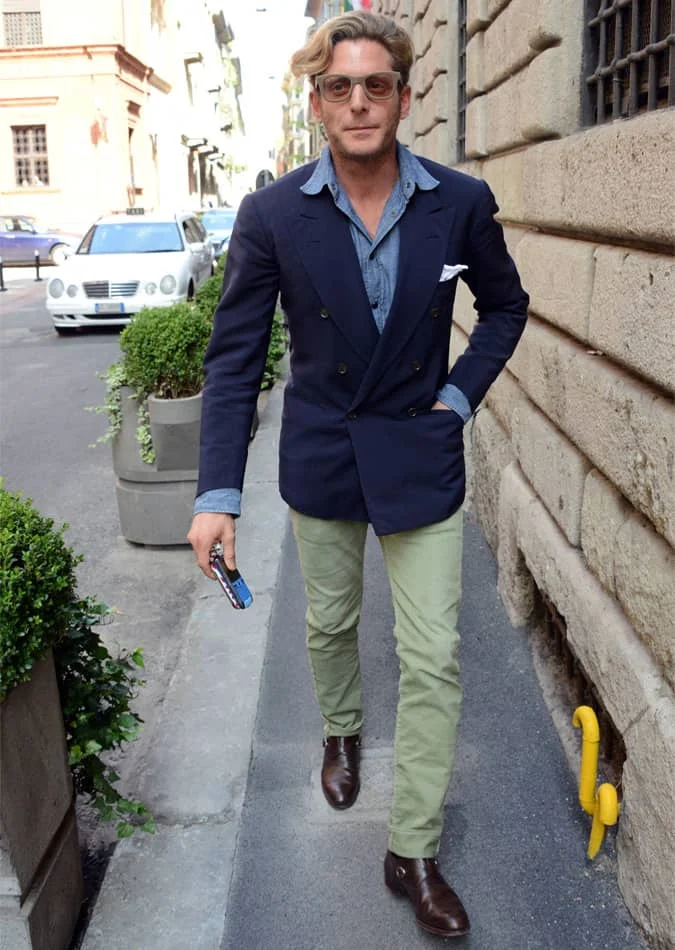
In the realm of men’s fashion, where trends often dictate rigid adherence to established norms, a subtle yet powerful aesthetic known as "sprezzatura" offers a refreshing counterpoint. Originating from 16th-century Italian courts, sprezzatura, roughly translated as "studied carelessness," is not merely about dressing poorly but about cultivating an image of effortless elegance. It’s a deliberate art of appearing unstudied, where minor imperfections and unconventional choices are embraced to convey an air of innate style and confidence. This article delves into the historical roots, modern interpretations, and practical applications of sprezzatura, exploring how it continues to influence contemporary menswear and empowers individuals to express their unique personalities through their attire.
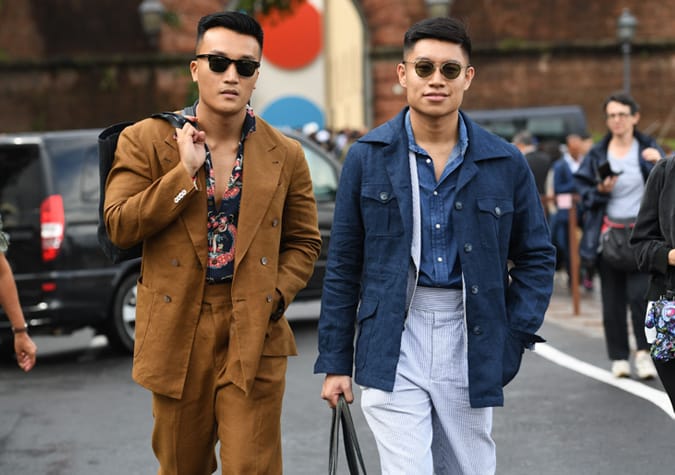
The Genesis of Sprezzatura: From Renaissance Courts to Modern Expression
The concept of sprezzatura was first formally articulated by Baldassare Castiglione in his seminal 1528 work, "The Book of the Courtier." This influential treatise served as a guide for courtiers seeking to navigate the complex social hierarchies of the Renaissance aristocracy. Castiglione proposed that true grace and charm lay not in ostentatious displays of wealth or adherence to strict etiquette, but in a cultivated nonchalance. For men of the court, this translated into an approach to dress that appeared natural and unforced, masking any conscious effort behind their appearance. The ideal courtier was to be skilled in various disciplines, from arms to letters, yet project an aura of effortless mastery. This translated visually into a style that was refined yet relaxed, sophisticated yet approachable.
The historical context is crucial: in an era where social standing was paramount, and outward appearance played a significant role in conveying status and breeding, sprezzatura offered a way to stand out without appearing to try too hard. It was a subtle rebellion against overt displays of effort, suggesting an inherent quality that transcended mere adherence to fashion rules. This philosophy of "faking it to make it," as Castiglione implied, meant that the more one practiced these principles of urbanity and grace, the more they became ingrained, appearing truly natural.
While the concept originated in Italy, its influence has been felt across cultures. The British, for instance, began to experiment with similar sartorial nuances as early as the 19th century. However, it is the Italians who have most consistently and successfully integrated sprezzatura into their national style identity. Alessandro Sartori, Artistic Director for Ermenegildo Zegna, notes that sprezzatura is "historically central to the idea of style in Italy." He highlights the Italian propensity for blending formal wear with sportswear, the playful juxtaposition of textures, and an overall organic approach to dressing that distinguishes it from more rigid, polished stereotypes.
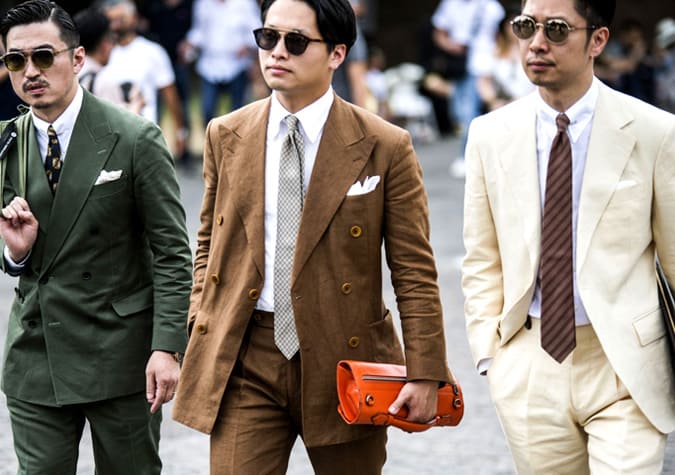
Sprezzatura in the 21st Century: A Rebellion Against Uniformity
In today’s increasingly homogenized world, where globalized fashion trends can lead to a sense of sartorial sameness, sprezzatura offers a powerful antidote. As dress codes blur and the lines between formal and casual attire become increasingly indistinct – think sneakers with suits or suits with T-shirts – the need for personal expression through style becomes even more pronounced. Sprezzatura, in this context, is not about anarchy but about intelligent subversion. It’s a means of standing out discreetly, of injecting personality into conventional attire.

The rise of social media and the democratization of fashion have also played a role. While once confined to elite circles, the principles of sprezzatura are now more accessible than ever. However, this accessibility also presents a challenge: the fine line between effortless chic and looking disheveled. The key, as always, lies in intentionality and understanding.
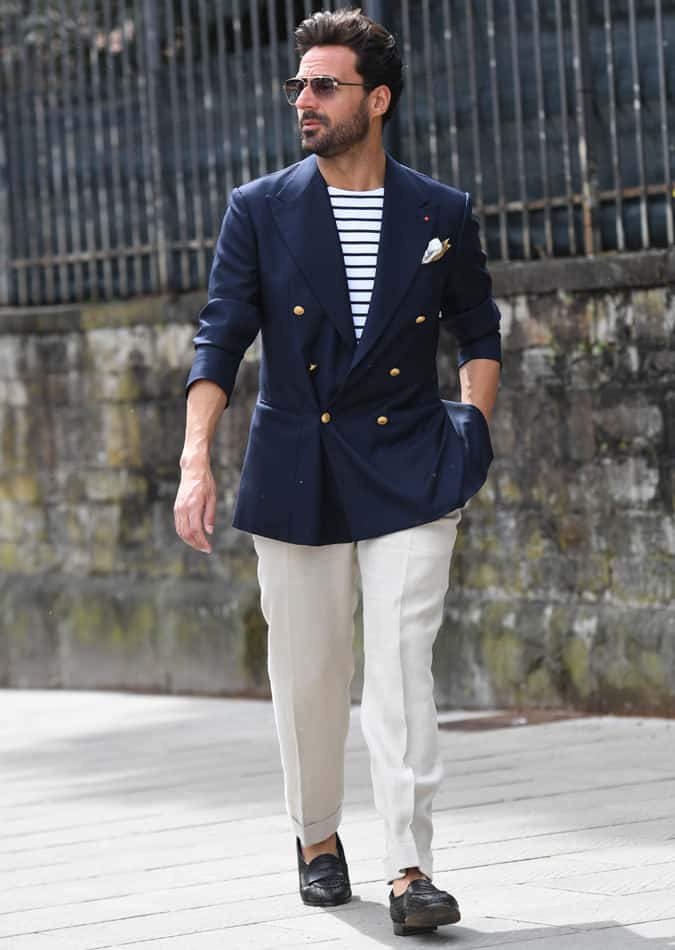
The enduring appeal of sprezzatura lies in its ability to convey a sense of cool confidence. It signals that the wearer is comfortable in their own skin and possesses an innate sense of style that doesn’t rely on conforming to every fleeting trend. It’s about making clothes work for you, rather than the other way around.

Decoding the Elements of Sprezzatura
At its core, sprezzatura is about undermining established sartorial conventions without abandoning them entirely. It’s about introducing subtle deviations that signal individuality and a relaxed attitude.

Key characteristics include:
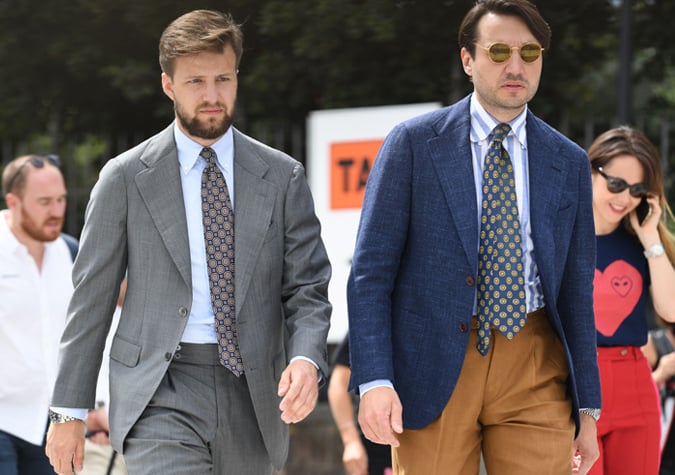
- The Art of Imperfection: This is perhaps the most recognizable aspect. A tie worn slightly askew, a shirt collar that naturally curls upwards, or a jacket left unbuttoned when protocol might suggest otherwise, are all hallmarks of sprezzatura. These are not mistakes but deliberate choices that break the monotony of perfect symmetry.
- Mixing Formal and Casual: Sprezzatura often involves the seamless integration of formal and casual elements. A beautifully tailored blazer paired with a high-quality t-shirt and jeans, or sophisticated trousers worn with stylish sneakers, exemplifies this blend. The aim is to create an ensemble that is polished yet approachable.
- Comfort and Unstructured Silhouettes: Garments that are designed for comfort and ease of movement contribute to the sprezzatura aesthetic. Unstructured blazers, for instance, with their lack of padding and lining, offer a relaxed drape that enhances the effortless feel. Textured fabrics and softer constructions also play a crucial role.
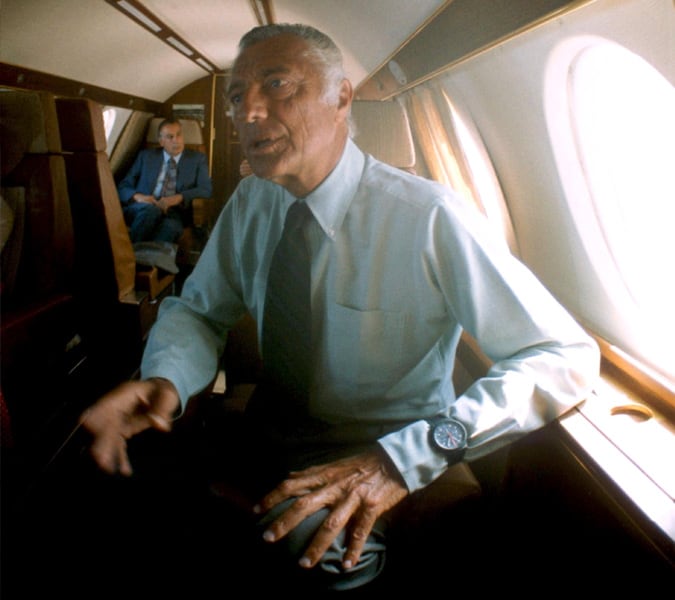
- Personal Panache: The most effective sprezzatura is deeply personal. It’s not about blindly following a set of rules but about identifying small, signature touches that reflect one’s personality. This could be the way a watch is worn (over the cuff, as famously done by Gianni Agnelli), a preferred way of knotting a tie, or a recurring color choice.
- A Touch of Rebellion: Sprezzatura offers a subtle form of rebellion against the strictures of conventional dress. It’s a quiet statement of independence, a refusal to be entirely dictated by sartorial norms. This is not about shock value but about a sophisticated assertion of individuality.
Historical Figures and Modern Icons of Sprezzatura
Throughout history, several figures have epitomized the sprezzatura aesthetic, providing timeless inspiration for contemporary style enthusiasts.
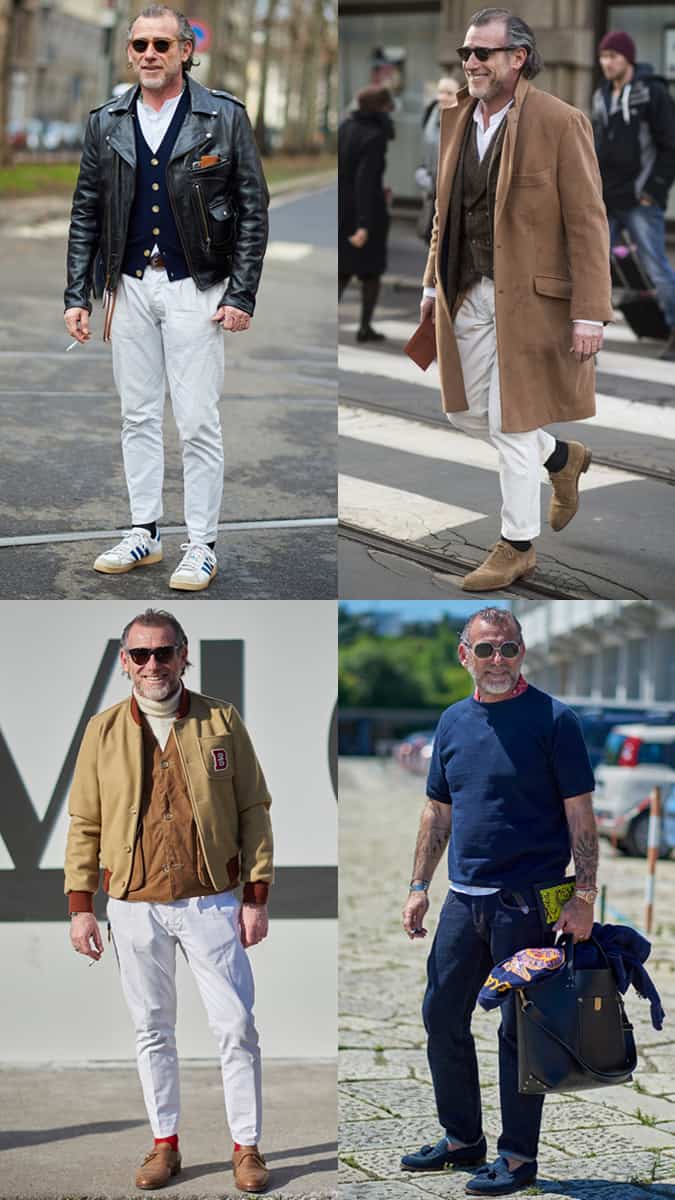
Gianni Agnelli, the scion of the Fiat automotive dynasty, is perhaps one of the most celebrated icons of sprezzatura. His sartorial choices were characterized by an effortless elegance that defied conventional rules. He famously wore his watch over his shirt cuff, left his button-down collars unbuttoned, and often wore his double-breasted suits undone – a clear departure from established etiquette. Agnelli’s style demonstrated a profound understanding that true sophistication lies in personal expression rather than rigid adherence to trends. His willingness to mix high-end tailoring with more casual elements, such as wearing slippers or hiking boots with a suit, further cemented his status as a sprezzatura master.

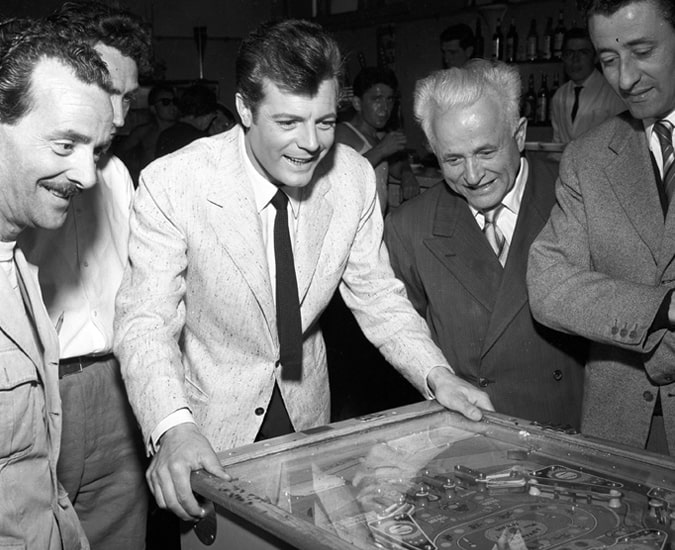
The Italian actor Marcello Mastroianni also embodied this effortless cool. Despite a professed disdain for fashion and designer labels, his impeccable tailoring was often imbued with a subtle imperfection that made his look uniquely his own. He understood the power of understated details, demonstrating that true style comes from within.

In contemporary fashion, several individuals continue to champion the sprezzatura ethos:

- Alessandro Squarzi: This Italian fashion entrepreneur is known for his signature white trousers, worn year-round with unwavering loyalty. His ability to elevate basic, comfortable clothing into stylish ensembles, incorporating t-shirts, sweaters, vintage pieces, and casual footwear, is a testament to his sprezzatura sensibility.
- Brunello Cucinelli: The founder of the eponymous luxury brand infuses his personal style with a sophisticated "scruffy edge." While often seen in impeccably tailored Italian attire, he incorporates elements like crumpled jackets worn over sweatshirts, sharp blazers with ripped jeans, or subtly mismatched suit components, creating a look that is both refined and effortlessly cool.
- Johannes Huebl: While often associated with classic and conservative style, the German model occasionally surprises with sprezzatura-inspired touches. A white double-breasted blazer, a shirt worn untucked, or a brightly colored tassel on loafers demonstrate his ability to inject subtle individuality into otherwise traditional ensembles.
- Joe Ottaway: A menswear consultant and style advisor, Ottaway’s style blends classic British tailoring with playful, contemporary elements. He masterfully combines three-piece suits with t-shirts, safari jackets with rolled sleeves, and isn’t afraid of bold color combinations within a classic palette, all executed with an air of relaxed confidence.
Key Sprezzatura Pieces and How to Wear Them
Incorporating sprezzatura into one’s wardrobe doesn’t require a complete overhaul but rather a thoughtful selection of pieces and an understanding of how to wear them.

- The Unstructured Blazer: A cornerstone of sprezzatura, an unstructured blazer offers comfort and a relaxed silhouette. Without the stiffness of traditional tailoring, it drapes naturally, conveying an effortless elegance. Wear it open, and consider undoing a couple of cuff buttons for an added touch of sprezzatura.
- The Knitted Tie: This is the most casual iteration of a tie, ideal for smart-casual attire. Its lack of stuffiness makes it a prime candidate for sprezzatura. When tying it, opt for a simple knot and resist the urge to achieve absolute perfection; a slightly imperfect knot is part of the charm.
- Pleated Trousers: Offering both comfort and a sophisticated aesthetic, pleated trousers sit higher on the waist and can elongate the legs. To inject sprezzatura, consider rolling the cuffs or pairing them with unexpected items like white sneakers, blurring the lines between formal and casual.
- The Button-Down Shirt (Worn Unbuttoned): A classic sprezzatura move, popularized by Gianni Agnelli. Leaving the top button unbuttoned (especially when wearing a tie) should appear as if done out of necessity or lack of concern, not as a deliberate fashion statement. The rest of the outfit should not be overly polished, or it risks looking affected.
- The Pocket Square: While sometimes seen as an accessory of a bygone era, a pocket square can add a crucial pop of color and personality to a suit. The key is not to match it with the tie and to place it with a casual, unfussy fold, as if it were an afterthought.
The Nuances of Sprezzatura: Dos and Don’ts
Mastering sprezzatura requires a delicate balance. It’s about looking like you’re not trying, but the reality is that it takes a conscious effort to achieve that effect.

Do:

- Understand the Context: Sprezzatura is best suited for creative or relaxed environments. It is generally inappropriate for highly formal occasions like weddings (especially as the groom) or important business meetings where traditional dress codes prevail.
- Embrace Your Signature: Identify one or two subtle quirks that become your personal style signature, like Agnelli’s watch placement. This makes the look authentic and less like an imitation.
- Commit to the Look: Sprezzatura requires conviction. A half-hearted attempt will likely result in looking unfinished or sloppy. Embrace the attitude and let it inform your styling choices.
- Consider Texture and Fabric: Opt for fabrics that have a natural drape and texture. Think wool, linen, cashmere, and textured cottons, which lend themselves to a less rigid aesthetic.
- Allow for Minor Imperfections: A slight crease, a scuffed shoe, or a bit of wear on a collar can add to the charm of sprezzatura, indicating a life lived and an appreciation for well-worn, quality items.
Don’t:

- Overdo It: The modern "Italian peacock" often seen at events like Pitti Uomo can sometimes lack the restraint and subtlety that define true sprezzatura. Less is more when it comes to these deliberate imperfections.
- Think Too Hard: If sprezzatura doesn’t come naturally, forcing it can lead to looking artificial or self-conscious. In such cases, it’s often better to stick to more conventional approaches to dressing well.
- Confuse it with Sloppiness: Sprezzatura is about appearing artfully unstudied, not simply unkempt. There is a fine line between a deliberately undone look and genuine disarray.
- Chase Trends Blindly: Sprezzatura is about timeless personal style, not fleeting fashion fads. Focus on quality pieces and how you can make them your own.
- Neglect the Fundamentals: While sprezzatura involves breaking rules, it’s built upon a foundation of well-fitting, quality garments. Even the most artfully undone tie needs to be paired with a well-cut shirt.
The Enduring Allure of Sprezzatura
Sprezzatura, the art of dressing artlessly, remains a compelling philosophy in modern menswear. It’s a testament to the idea that true style is not about rigid adherence to rules but about confident self-expression and an innate understanding of how to wear clothes with personality and panache. By embracing subtle imperfections, mixing formal and casual elements, and cultivating a personal signature, individuals can harness the power of sprezzatura to create a look that is both timelessly elegant and undeniably their own. It’s a reminder that in the pursuit of looking good, sometimes the most effective approach is to appear as though you haven’t tried at all.
