
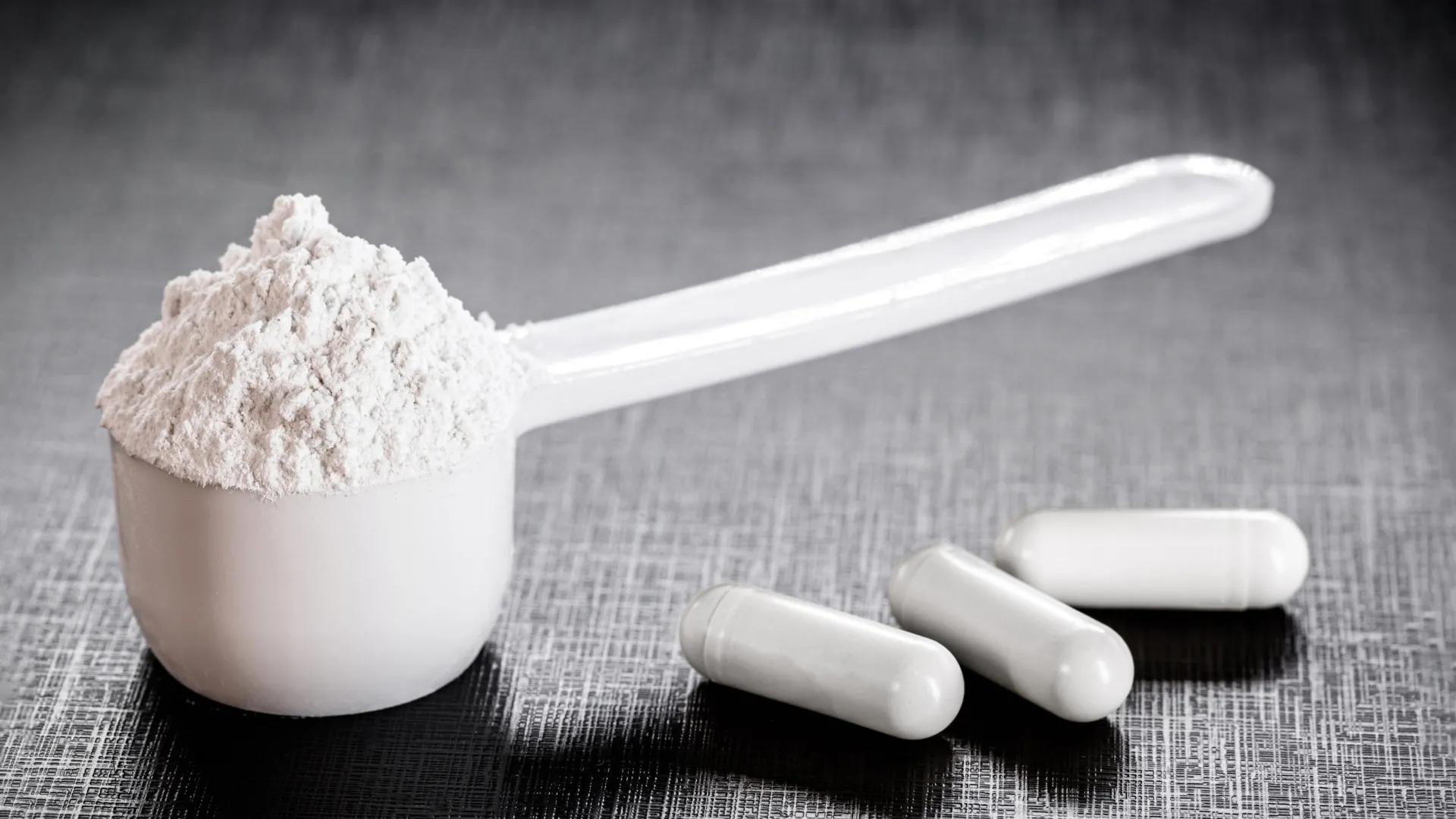
The world of sports supplements is no stranger to creatine. For decades, this naturally occurring compound, synthesized in the liver and kidneys and found in foods like red meat and fish, has been a cornerstone for athletes and fitness enthusiasts seeking to amplify strength, power, and muscle mass. Its well-established role in replenishing adenosine triphosphate (ATP), the primary energy currency of cells, has cemented its status as a go-to ergogenic aid. However, emerging research is casting a spotlight on creatine’s potential far beyond the realm of physical performance, venturing into the complex landscape of mental health, specifically depression. A recent systematic review published in the esteemed journal Brain Medicine has meticulously examined the existing clinical evidence to ascertain whether creatine might offer a novel therapeutic avenue by supporting the brain’s substantial energy requirements.
The findings of this comprehensive review, led by Bassam Jeryous Fares of the University of Ottawa, offer a nuanced picture, characterized by cautious optimism tempered by significant unanswered questions. While some of the analyzed clinical trials have reported statistically meaningful improvements in the severity of depressive symptoms, others have yielded no discernible benefits, leaving the scientific community grappling with an intriguing hypothesis rather than a definitive conclusion. This divergence in results underscores the complexity of depression and the intricate biological pathways involved, necessitating further rigorous investigation before creatine can be considered a standard treatment option.
A Deep Dive into the Clinical Landscape
Rather than initiating a new experimental study, the research team embarked on a thorough analysis of previously conducted investigations. This systematic review meticulously sifted through the available literature, identifying six published reports that encompassed five randomized controlled trials. In these trials, participants were administered either creatine or a placebo – an inert substance – without knowledge of which they were receiving, a standard practice to mitigate bias.
The geographical distribution of these studies is noteworthy, spanning South Korea, the United States, Brazil, Israel, and India. Collectively, these trials commenced with 238 participants. Of this cohort, 126 individuals were assigned to receive creatine, while 112 were allocated to the placebo group. The average age of participants hovered around 36 years, and a significant proportion of the study population comprised women, with two of the trials specifically enrolling only female participants.
The focus of these studies varied, with four trials concentrating on individuals diagnosed with major depressive disorder (MDD), a prevalent and often debilitating mental health condition. One trial, however, extended its scope to include participants with bipolar disorder who were experiencing a depressive episode. The inherent differences in the design and methodological approaches employed across these studies precluded a unified statistical analysis. Consequently, the researchers opted for an individual evaluation of each study’s outcomes, allowing for a more granular understanding of the observed effects.
A Divided Picture: Mixed Results Across Depression Trials
The systematic review unveiled a landscape of mixed and often contradictory results, painting a divided picture regarding creatine’s efficacy in alleviating depressive symptoms.
Promising Efficacy in Specific Subgroups
Two of the five analyzed trials, both of which exclusively involved women diagnosed with major depressive disorder, indicated that creatine supplementation provided tangible additional benefits. In one particularly striking study, participants who received five grams of creatine daily in conjunction with the antidepressant escitalopram demonstrated significantly greater reductions in depressive symptoms after an eight-week period compared to those who received escitalopram with a placebo. The observed improvement was substantial by conventional statistical standards, registering a Cohen’s d of 1.13 on the Hamilton Depression Rating Scale (HDRS), a widely used measure of depression severity. Furthermore, a higher proportion of participants in the creatine group achieved remission of their depressive symptoms.
In another study that contributed to the positive findings, creatine was administered alongside cognitive behavioral therapy (CBT), a well-established psychotherapeutic approach for depression. Participants who received creatine exhibited a more pronounced reduction in depression symptoms, as assessed by a standard diagnostic tool, compared to those who underwent therapy with a placebo. These results suggest a potential synergistic effect when creatine is combined with existing therapeutic modalities, particularly in specific patient populations.
Lack of Benefit in Other Studies
Conversely, the remaining three trials reported no meaningful benefit from creatine supplementation in alleviating depressive symptoms. One study investigated the effects of both five and ten grams of creatine daily in individuals whose depression had not responded to conventional antidepressant medication. This research found no improvement in symptoms for either dosage.
Another trial focused on adolescent girls, assessing the impact of different creatine dosages. Despite these varied interventions, no significant advantage over placebo was observed in this demographic. A third trial, which included individuals diagnosed with bipolar disorder experiencing depressive episodes, also failed to demonstrate any improvement in their condition with creatine use. This stark contrast in outcomes highlights the complexity of depression and the potential for individual biological differences to influence treatment responses.
Safety Considerations Emerge
Beyond efficacy, the review also brought to light an important safety consideration. Two participants within the bipolar disorder trial who received creatine supplementation experienced episodes of hypomania or mania. This observation raises a critical point: creatine may exert differential effects on individuals depending on their underlying psychiatric condition. This finding is particularly significant given the prevalence of mood disorders and the potential for self-treatment with supplements, underscoring the need for medical supervision when considering creatine for mental health purposes.
The Neurobiological Rationale: Why Creatine Might Influence the Brain
The theoretical underpinnings for investigating creatine’s role in depression are rooted in the brain’s exceptionally high energy demands. The brain, despite comprising only about 2% of an adult’s body weight, consumes approximately 20% of the body’s total energy at rest. This continuous and substantial energy requirement relies heavily on efficient cellular energy production.
Creatine’s primary function in muscle is to facilitate the rapid regeneration of adenosine triphosphate (ATP) through the creatine kinase system. ATP is the universal energy currency that powers all cellular processes. While its role in muscle energy metabolism is well-documented, the brain also possesses a similar creatine kinase system, indicating its reliance on this energy pathway. Previous research has indeed identified alterations in brain creatine metabolism in individuals experiencing mood disorders. This has fueled the scientific hypothesis that disruptions in cellular energy production within the brain could be a contributing factor to the development or persistence of depression.
Furthermore, emerging research suggests that creatine may also play a role in the regulation of neurotransmitters, including dopamine and serotonin. These crucial chemical messengers are integral to mood regulation and are precisely the targets of many widely prescribed antidepressant medications. By potentially influencing the synthesis, release, or receptor binding of these neurotransmitters, creatine could indirectly modulate mood and emotional states.
However, the authors of the review strongly emphasize that these neurobiological connections remain largely theoretical at this juncture. The existing studies, while suggestive, primarily demonstrate correlations rather than definitive proof that altered creatine metabolism directly causes depression. Depression is a multifaceted disorder influenced by a complex interplay of genetic, environmental, and biological factors, and it is unlikely that a single nutrient or pathway could be solely responsible.
"The signal is interesting, but it is not a verdict," stated Bassam Jeryous Fares, the lead author of the review and a medical student at the University of Ottawa. "Two trials pointed one way and three pointed another. That is not the kind of evidence on which you change clinical practice. It is the kind that tells you the question is worth further exploration."
Nicholas Fabiano, the corresponding author and a psychiatry resident at the University of Ottawa, echoed this sentiment, urging caution in interpreting the current findings. "Creatine appears to be a safe intervention. The adverse events we found were limited to mild gastrointestinal discomfort. We cannot yet reliably say that creatine helps with depressive symptoms or if the findings are generalizable to everyone."
The Imperative for Larger, More Robust Studies
The researchers involved in the review are unequivocal in their assertion that the current body of evidence is too limited to advocate for the routine use of creatine as a treatment for depression. The clinical trials examined were characterized by several limitations, including relatively small sample sizes. Moreover, they exhibited a disproportionate representation of women compared to men, potentially skewing the results and limiting their generalizability to the broader population.
The quality of the studies also varied, with only two trials assessed as having a low risk of bias. The remaining three raised some concerns, primarily pertaining to the methods of participant assignment to treatment groups and the handling of missing data, which can introduce uncertainty into the findings. Consequently, the conclusions drawn from these studies cannot be broadly applied to diverse patient populations or clinical settings at this time.
The review explicitly calls for larger, more comprehensive clinical trials that extend beyond the typical eight-week duration of the studies examined. Future research should also explore the potential benefits of creatine when administered in conjunction with other therapeutic interventions, such as exercise programs known to positively impact mood. Furthermore, investigating whether different dosages of creatine yield varying outcomes is crucial, while acknowledging that higher doses do not necessarily equate to greater efficacy and may increase the risk of adverse effects.
Intriguingly, insights from animal studies may offer additional clues. Experiments conducted on rodents have demonstrated that creatine can influence depression-like behaviors differently in male and female subjects. This sexually dimorphic response in animals could potentially shed light on why the human studies involving a predominantly female cohort yielded the most compelling positive results.
For the foreseeable future, creatine remains an intriguing possibility in the therapeutic landscape for depression, rather than a proven treatment. A supplement long synonymous with building muscle is now capturing the attention of scientists actively seeking innovative approaches to combatting the pervasive challenge of depression. The journey from a popular sports supplement to a potential mental health intervention is ongoing, demanding rigorous scientific inquiry and cautious optimism.
The peer-reviewed research article, titled "Creatine as a treatment for depression," was published in Brain Medicine and has been made available through Open Access, commencing June 30, 2026, allowing for broader scientific dissemination and further critical evaluation of its findings.
