
The perplexing observation that skin cancer rates continue to climb despite a concurrent increase in sunscreen use has fueled a persistent myth: that sunscreen is ineffective, or even worse, a potential cause of cancer. This seemingly contradictory trend has gained traction in various public forums, notably on social media platforms, leading to widespread misinformation and undermining crucial public health messages regarding sun protection. However, a closer examination of the data, supported by rigorous scientific inquiry, reveals that this apparent paradox is a classic case of misinterpreting correlation for causation, overlooking a multitude of confounding factors, and failing to acknowledge the demonstrable benefits of proper sun protection strategies.
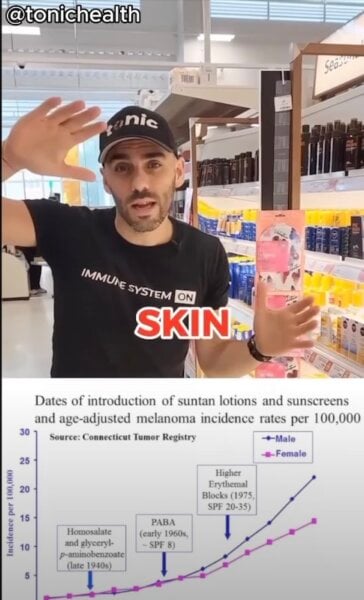
The notion that sunscreen is failing in its primary duty is often presented with a compelling but misleading visual. For instance, a viral TikTok post from @TonicHealth encapsulated this sentiment, stating: "Why is nobody talking about this? All these sunscreens are not doing the job they’re designed to do. They’re meant to protect you from the sun, right? But why then does this chart show that since 1975, the increasing skin cancer rate is going up and up and up? The more sunscreen we use. Makes no sense, right? It’s not having good health outcomes for our populations." The accompanying graph typically illustrates a steep upward trajectory in melanoma incidence over several decades. While the visual is striking, it conspicuously lacks any data point or trend line for sunscreen usage, presenting only one half of the supposed correlation and inviting a flawed conclusion.
Deconstructing the Correlation-Causation Fallacy
The fundamental flaw in arguments linking increased sunscreen use to rising skin cancer rates lies in the logical fallacy of assuming causation from mere correlation. This principle is a cornerstone of scientific literacy: just because two trends move in the same direction does not mean one causes the other. In the context of the presented charts, there isn’t even a clear correlation with sunscreen usage; rather, the data typically shows a general trend of increasing melanoma incidence in the United States that has been observed since as early as the 1930s, long before sunscreen became a widely adopted daily habit.
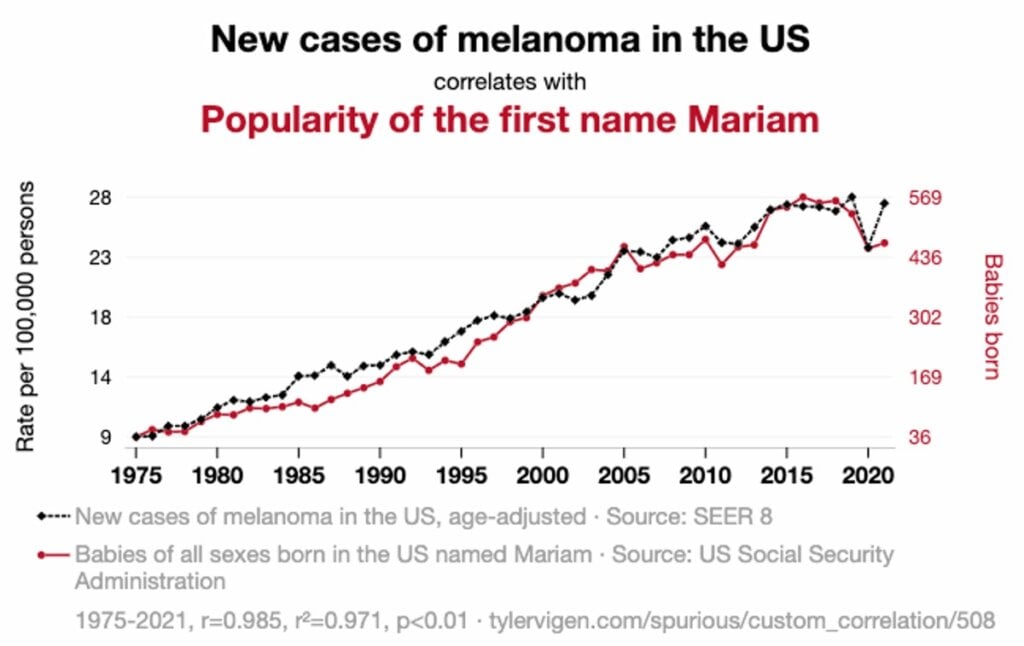
To illustrate the absurdity of inferring causation from spurious correlations, one could point to countless examples. For instance, data indicates a strong correlation between the per capita consumption of mozzarella cheese and the number of civil engineering doctorates awarded in the U.S. Similarly, the number of babies named Mariam in the U.S. shows a surprisingly strong statistical correlation with melanoma rates. Such examples, easily generated using tools like the Spurious Correlations website, highlight how coincidental trends can appear statistically significant without any underlying causal link. The rise in smartphone ownership, the increase in global internet usage, or even the growth in the number of coffee shops, all correlate with the rising skin cancer rates over the past decades, yet none are remotely considered causes. This underscores the critical need for scientific methodology, particularly controlled experiments, to establish causality.
Scientific Consensus: Sunscreen’s Proven Efficacy
Contrary to social media claims, robust scientific evidence, accumulated over decades, unequivocally demonstrates sunscreen’s effectiveness in preventing skin damage and reducing the risk of various skin cancers. The introduction of sunscreen can be traced back to the 1940s, but its widespread adoption as a public health measure only began in the 1970s. The continuing rise in skin cancer rates observed since the 1930s therefore largely predates, and is independent of, widespread sunscreen use.
To truly understand the impact of sunscreen, researchers employ methodologies designed to eliminate confounding variables inherent in real-world trends. Randomized Controlled Trials (RCTs) are the gold standard for establishing causality in medical science. In an RCT, participants are randomly assigned to different groups, with the only significant difference between groups being the intervention being studied.

One of the most extensive and influential RCTs on sunscreen was the Nambour Trial, conducted in Queensland, Australia. This study involved over 1,600 participants, all living in the same high-UV environment, of similar ages and matched skin complexions. They were divided into two groups: one applied sunscreen daily and consistently, while the other used sunscreen only at their discretion for 4.5 years. Researchers then tracked their health outcomes for an additional 10 years, providing a comprehensive 14.5-year follow-up.
The results were conclusive: if sunscreen truly caused or failed to prevent skin cancer, the daily sunscreen group would have shown higher or similar rates of skin cancer. Instead, the daily sunscreen group experienced significantly reduced incidence of melanoma, squamous cell carcinoma (SCC), and actinic keratoses (pre-cancerous lesions). Specifically, daily sunscreen users had a 40% reduction in squamous cell carcinoma over 10 years and a significant reduction in the development of new melanoma cases. Furthermore, the study revealed an unexpected bonus: daily sunscreen users were also 24% less likely to show visible signs of skin aging, such as wrinkles and sunspots, compared to the discretionary use group. These findings provide irrefutable evidence of sunscreen’s protective capabilities.
Beyond population-level studies, research at the molecular level further confirms sunscreen’s protective mechanism. Laboratory experiments involve applying varying amounts of sunscreen to skin samples, which are then exposed to UV radiation mimicking sunlight. Researchers subsequently analyze the DNA for pyrimidine dimers – specific mutations caused by UV light that are recognized as the initial step in the development of skin cancer. These studies consistently show that higher concentrations of sunscreen application lead to a significant reduction in the formation of these damaging DNA lesions, directly demonstrating how sunscreen physically blocks or absorbs UV radiation to prevent cellular damage.
Unpacking the True Drivers of Rising Skin Cancer Rates
Given the scientific evidence for sunscreen’s effectiveness, the question remains: why are skin cancer rates still increasing in many parts of the world? The answer lies in a complex interplay of demographic, behavioral, and diagnostic factors that largely overwhelm the positive impact of increased sunscreen use. These factors represent a "perfect storm" that pushes cancer rates upward, effectively masking the preventative benefits of sunscreen for the general population.
1. Increased Lifespan and Aging Populations: One of the most significant demographic shifts globally is increased life expectancy. Skin cancer, particularly melanoma, is predominantly a disease of aging, with the average age of diagnosis being around 65 years. In past decades, people often succumbed to other diseases before reaching the age where skin cancers typically manifest and are diagnosed. As people live longer and healthier lives, they have more time for cumulative sun exposure to lead to cellular mutations and for these cancers to develop and be detected.
2. Evolving Sun Exposure Patterns: Modern lifestyles have dramatically altered how people interact with the sun.
- Intermittent, Intense Exposure: The rise of affordable air travel and increased leisure time has led to a boom in "beach holidays." Many individuals, particularly those with primarily indoor occupations, expose their normally covered skin to intense, intermittent bursts of UV radiation during vacations. This pattern of exposure – infrequent but severe sunburns – is particularly implicated in the development of melanoma, more so than chronic, low-level sun exposure.
- Increased Outdoor Recreation: A greater emphasis on outdoor sports, recreation, and activities also contributes to higher overall sun exposure. Beaches, parks, and outdoor venues are more accessible and frequently visited than in previous generations.
3. The Persistence of Tanning Culture: Despite decades of public health warnings, the desire for a tanned complexion remains prevalent in many societies. A tan is often associated with health, attractiveness, and an active lifestyle. This cultural preference directly contradicts sun protection advice. The widespread emergence and popularity of UV tanning beds, which deliver concentrated doses of harmful UV radiation, further exacerbated this issue. Notably, the U.S. FDA began regulating sunscreens around the same time that commercial tanning beds started gaining popularity, indicating a societal shift towards seeking artificial tanning, often without adequate awareness of the risks.
4. Enhanced Screening and Detection: Public health campaigns, such as those promoting the "ABCDEs" of melanoma (Asymmetry, Border irregularity, Color variation, Diameter greater than 6mm, Evolving), have significantly raised awareness of skin cancer symptoms among the general public and healthcare professionals. This increased vigilance, coupled with advances in diagnostic technologies and improved training for dermatologists and general practitioners, means that more skin cancers are being identified earlier and more frequently. What appears as a rise in incidence might, in part, reflect a rise in diagnosed cases, rather than a proportional increase in the actual number of people developing the disease. This "detection bias" can inflate statistical rates without necessarily indicating a higher prevalence of the disease in the population.
The Australian Anomaly: A Blueprint for Effective Sun Protection
While global skin cancer rates generally show an upward trend, there are notable exceptions that underscore the effectiveness of comprehensive public health interventions. Australia, a country with notoriously high UV levels and a historical prevalence of skin cancer, presents a compelling counter-narrative. In Australia, particularly among younger demographics, melanoma incidence has actually begun to decrease, offering a glimmer of hope and a practical model for other nations.
Data from Australia indicates a significant decline in melanoma rates in people under 40, with rates in Australians aged 15 to 24 approximately halving since the 1980s. This remarkable reversal is largely attributed to Australia’s proactive and sustained "SunSmart" initiatives, which represent a far more coordinated and integrated public health approach to sun protection compared to many other countries.
Australia’s SunSmart strategy is distinctive because it moves beyond merely advocating for sunscreen use. It recognizes that behavioral change requires a multi-faceted approach, addressing values, convenience, and habits. Key elements of this highly successful program include:
-
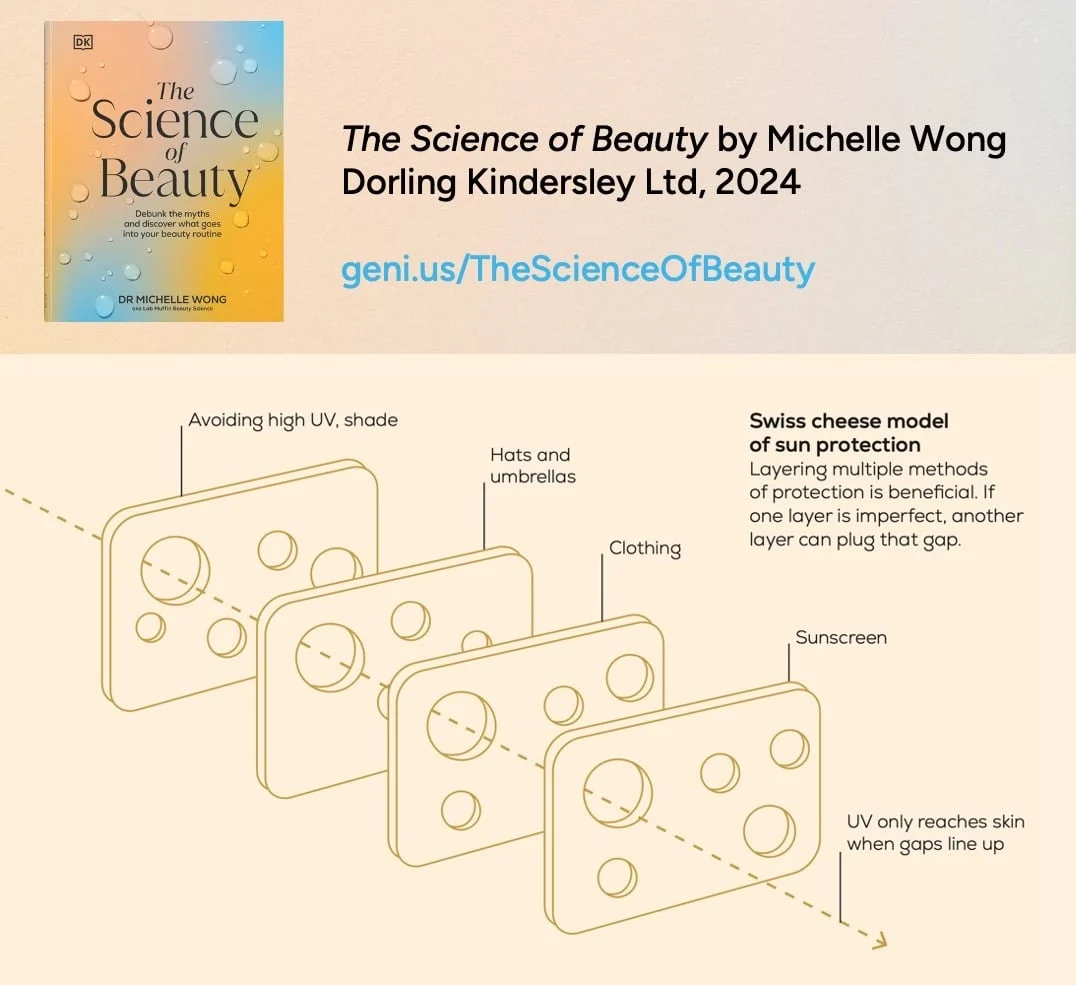
"Slip Slop Slap Seek Slide" Campaign: This iconic public health slogan, launched in 1981, has become deeply ingrained in Australian culture. It advises: "Slip on a shirt, slop on sunscreen, slap on a hat, seek shade, slide on sunglasses." This comprehensive message emphasizes a layered, multi-pronged approach to sun protection, illustrating the "Swiss cheese model" of defense, where multiple imperfect barriers combine to offer robust protection. Each layer (clothing, sunscreen, hat, shade, eyewear) provides a partial defense, and when combined, they create a highly effective shield against UV radiation, compensating for the potential weaknesses or improper application of any single method.
-
School Policies and Education: Australian schools have implemented strict sun protection policies. The "No hat, no play" rule became a standard, meaning children without a hat were required to stay in shaded areas or off the playground during peak UV times. While this policy sometimes led to "sad little kids" sitting out, it effectively instilled sun-safe habits from a young age. This policy has evolved in some areas to "no hat, play in the shade" to ensure participation while maintaining protection.
-
Mandatory School Hats: School uniforms often include specific sun-protective hats, with the legionnaire hat (featuring a long flap for neck protection) being particularly popular. Teachers actively enforced the proper wearing of these hats, ensuring the neck flap was not tucked away, reinforcing the importance of comprehensive coverage.
These initiatives demonstrate that while sunscreen is a critical tool, it functions best as part of a broader sun protection strategy that integrates behavioral changes, environmental modifications (like providing shade), and protective clothing.
Broader Implications and Moving Forward
The ongoing debate surrounding sunscreen efficacy highlights a broader challenge in public health: combating misinformation, especially when it spreads rapidly through social media. The initial premise – rising cancer rates despite increased sunscreen use – is a compelling narrative that appeals to skepticism and can quickly erode public trust in scientific consensus.
However, the scientific community’s message remains clear: sunscreen, when used correctly and consistently as part of a holistic sun protection strategy, is a vital tool in reducing the risk of skin cancer and premature skin aging. The global rise in skin cancer rates is a complex phenomenon driven by a confluence of factors, including demographic shifts, changing leisure habits, persistent cultural preferences for tanning, and improved diagnostic capabilities. These factors, rather than sunscreen itself, are largely responsible for the observed trends.
The Australian experience serves as a powerful testament to the effectiveness of coordinated public health campaigns that go beyond single-solution approaches. By integrating multiple layers of protection – protective clothing, seeking shade, hats, sunglasses, and the correct application of broad-spectrum sunscreen – and by educating populations from a young age, it is possible to mitigate the rising tide of skin cancer. Promoting scientific literacy and critical thinking about health information sourced from social media platforms will be crucial in ensuring that evidence-based practices continue to guide public health decisions and individual behaviors in the fight against skin cancer.
How to cite:
Wong M. Why are skin cancer rates rising with more sunscreen?. Lab Muffin Beauty Science. July 7, 2026. Accessed July 11, 2026.
https://labmuffin.com/sunscreen-isnt-preventing-cancer/
