
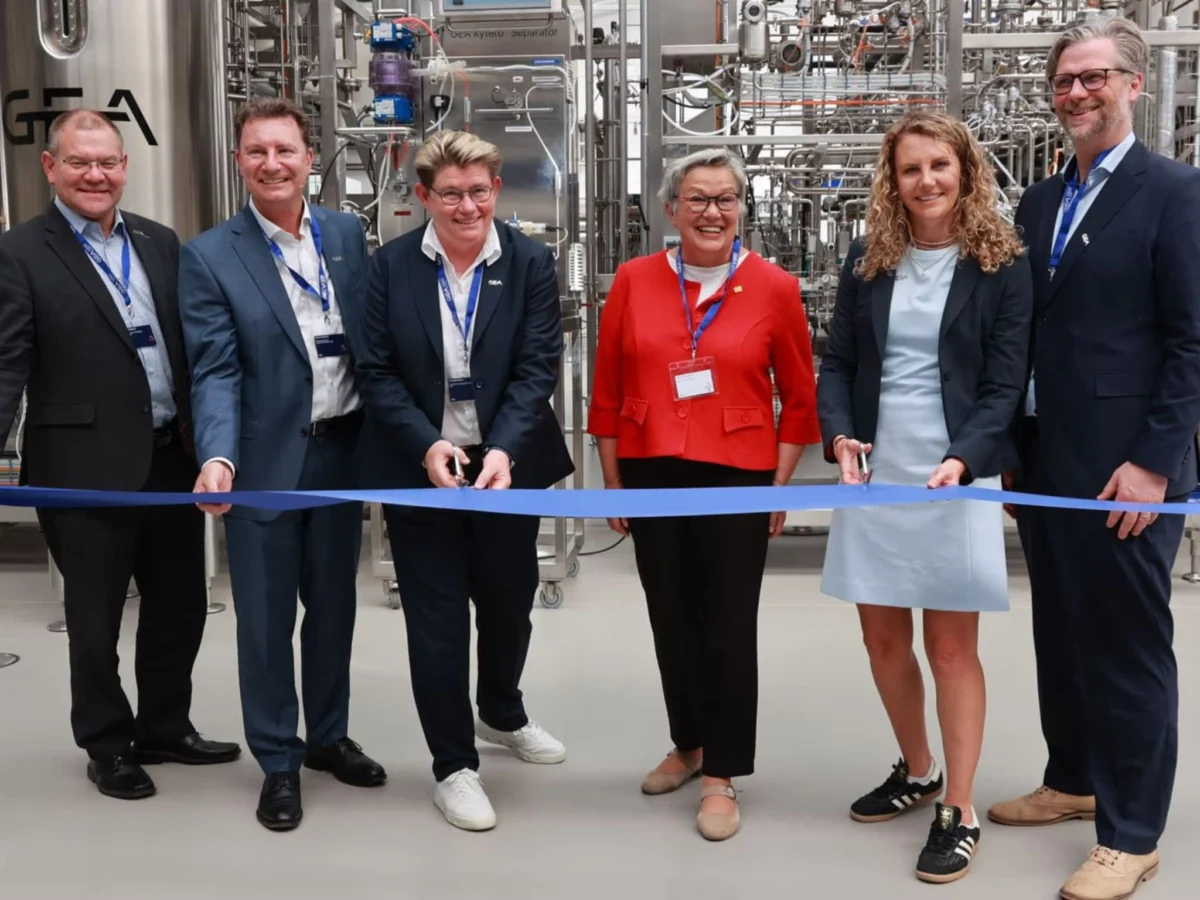
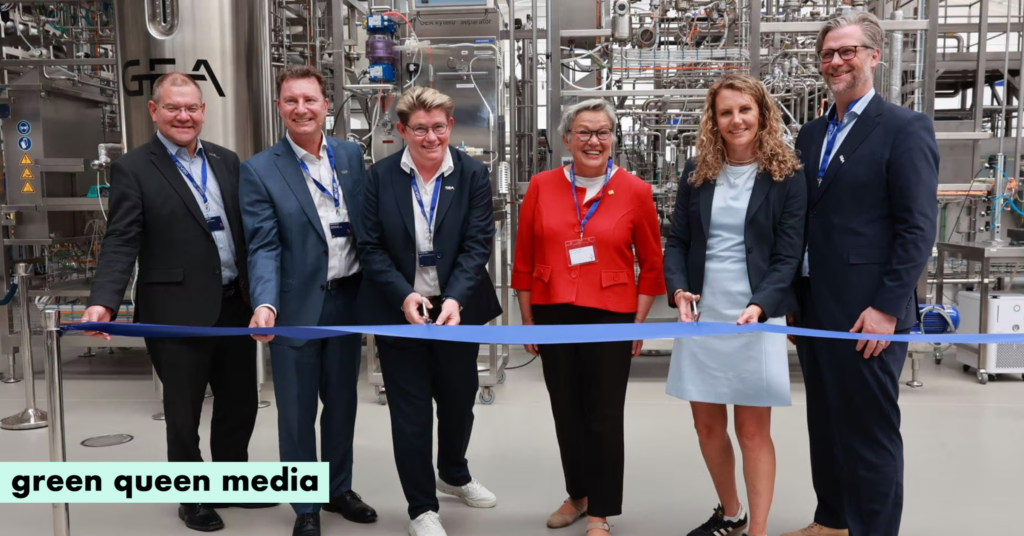
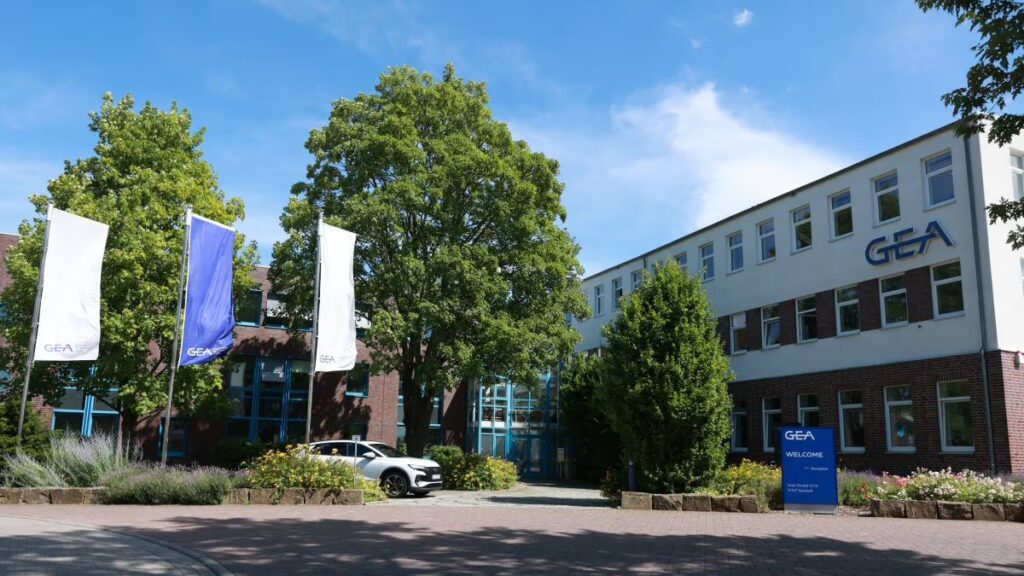
The strategic relocation of GEA’s Application and Technology Center (ATC) for future food from Hildesheim to Sarstedt signifies a substantial investment of €4 million (approximately $4.6 million) and marks a pivotal moment in the company’s commitment to advancing innovative food technologies. This move, occurring three years after the establishment of its initial novel food scale-up facility, is designed to consolidate and enhance GEA’s capabilities in a rapidly evolving sector. The existing building in Sarstedt has undergone extensive conversion and equipping to house this critical biotechnology hub, leveraging decades of accumulated process expertise in sectors like beverages, liquid dairy, and the burgeoning field of novel foods.
This consolidation is expected to bring approximately 40 additional specialists into the Sarstedt facility, augmenting the existing workforce across engineering, sales, automation, and service teams. This influx will bring the total headcount at the Sarstedt ATC to around 240 dedicated professionals. The strategic placement of the ATC in Sarstedt is designed to foster a synergistic environment, bringing GEA’s cutting-edge alternative protein and biotechnology activities – including precision fermentation and cell cultivation – into direct proximity with established engineering and comprehensive process development capabilities. This integration promises a seamless customer journey, allowing clients to engage with the same GEA teams from the earliest stages of pilot trials through to the design and implementation of full-scale industrial plants.
The Sarstedt mayor, Heike Brennecke, expressed strong support for the relocation, stating, "This new technology center strengthens Sarstedt as a place for engineering, technology, and skilled jobs. It sends a clear signal that biotechnology is being developed here and put to work." This endorsement highlights the positive economic and developmental impact the facility is expected to have on the local community.
Enhancing Investment Confidence in Food Technology
GEA’s Application and Technology Center plays a crucial role in enabling food, ingredient, and biotechnology companies to de-risk their investment decisions. Since its inception in 2023, the ATC has been instrumental in helping businesses develop and rigorously test pilot-scale production processes for a range of advanced biomanufacturing applications, including precision fermentation and cell cultivation. The primary objective of this facility is to bridge the gap between laboratory breakthroughs and viable industrial production. It provides a critical platform for food tech innovators to assess the consistency and scalability of their processes, and crucially, to identify the specific product quality parameters required for their intended applications.
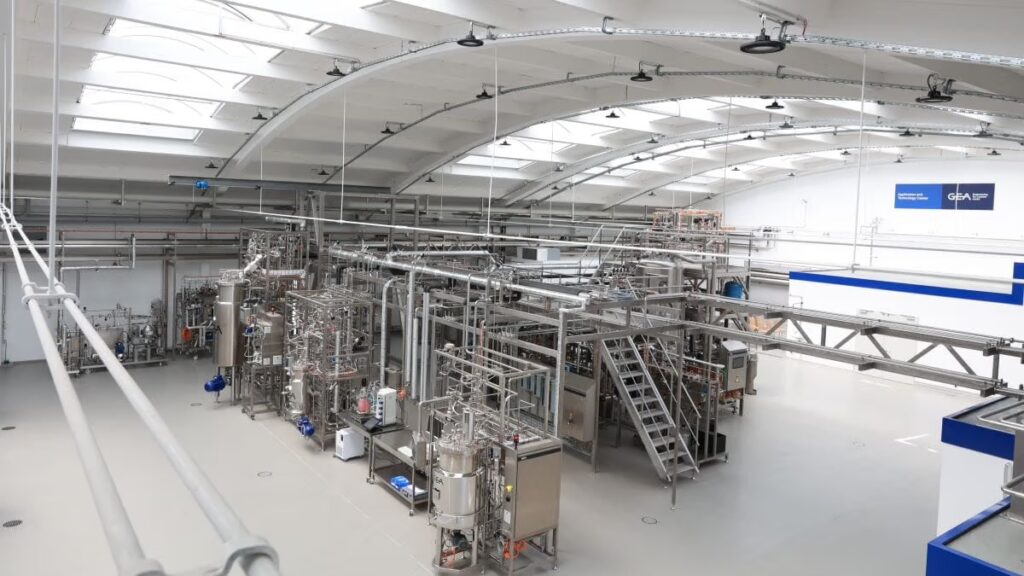
The engineering prowess at the ATC allows for the seamless integration of bioreactors, ranging in capacity from 50 to 500 liters, with both upstream and downstream processing steps. This comprehensive approach includes meticulous media preparation, efficient separation and filtration techniques, hygienic process design, and sophisticated automation. The outcome of these integrated processes is the generation of robust, data-driven insights that form a solid foundation for clients’ subsequent strategic decisions. These decisions can range from proceeding with food-grade piloting and forging partnerships with contract manufacturers to embarking on the ambitious planning of full-scale industrial production facilities.
Frederieke Reiners, VP of GEA’s new food and biotech division, emphasized the critical value proposition of the ATC: "A good lab result creates interest. A solid process creates confidence. And sometimes the most valuable outcome of a test run is a clear no – because a process isn’t stable enough yet, or the cost structure simply doesn’t hold up. Learning that early can save a company a lot of time and capital." This perspective underscores the ATC’s role not just in accelerating innovation, but also in preventing costly missteps by identifying potential challenges at an early stage.
The ATC has been actively engaged in pilot projects and collaborative work with customers for the past three years. The accumulated knowledge and experience gained from these endeavors will directly inform and enhance the operations at the new Sarstedt facility. This enhanced capability will enable a more effective transition from initial laboratory findings to assessing viability at a larger scale. By facilitating the testing of both technical and commercial assumptions, companies can significantly reduce the financial and operational risks associated with committing substantial capital to the next phase of production.
Klaus Stojentin, CEO of GEA’s nutrition plant engineering division, articulated the necessity of such facilities: "New Food and biotechnology need places where you can find out whether a promising process can actually become a viable industrial application. In Sarstedt, we bring pilot infrastructure and engineering expertise under one roof. That gives our customers a stronger basis for their next decision." This integrated approach is fundamental to navigating the complexities of bringing novel food technologies to market.
Supporting Germany’s Food Tech Ambitions
While precision fermentation and cell cultivation often capture public attention within the alternative protein landscape, GEA asserts that the applications of these biotechnologies extend far beyond. The underlying bioprocesses are versatile and can be employed to produce a wide array of essential compounds, including enzymes, amino acids, vitamins, and flavorings, serving critical roles in the food, animal feed, and healthcare industries. Although many of the fundamental process steps are transferable, the optimal design and implementation are highly dependent on specific factors such as the organism being utilized, the nature of the desired product, and its intended application.
The broader industry, however, has encountered headwinds that have tempered earlier optimistic growth projections. Key challenges include high production costs, significant scale-up complexities, navigating evolving regulatory landscapes, and a persistent scarcity of adequate financing. These factors collectively contribute to a slower pace of market penetration than initially anticipated.
GEA’s strategic objective with its ATCs is to rigorously assess the scalability and economic viability of these nascent processes, transitioning them from laboratory settings to industrial-scale production. The aim is not necessarily to replace conventional agriculture wholesale, but rather to open up supplementary production pathways for crucial ingredients. This is particularly relevant in light of escalating climate risks, the persistent threat of animal diseases, potential raw material shortages, and the inherent volatility of global supply chains. By providing robust testing and validation, GEA aims to bolster the resilience and sustainability of the food system.
The Sarstedt relocation is part of a broader global expansion of GEA’s food technology infrastructure. In the preceding year, GEA inaugurated its second ATC in Janesville, Wisconsin, backed by a substantial $20 million investment. This facility joined GEA’s existing network of food technology hubs, which includes specialized centers in Skanderborg, Denmark (focusing on bioreactors), Oelde, Germany (dedicated to cell separation technologies), and Bakel, Netherlands (concentrating on plant-based food production).
Furthermore, GEA is actively collaborating with the Biotechnology Fermentation Factory, an open-access facility located within the Nizo Food Innovation Campus in Ede, Netherlands. This partnership is geared towards developing and delivering a comprehensive precision and biomass fermentation upscaling line, further broadening GEA’s capabilities in supporting novel food production.
The strategic move of the original ATC to Sarstedt coincides with a renewed and strengthened commitment from the German government to foster the growth of the food technology sector. This commitment is exemplified by the recent release of a comprehensive biotechnology roadmap. This roadmap outlines ambitious national goals, including the establishment of a dedicated innovation hub for cultivated meat and precision-fermented foods. The initiative also aims to achieve critical technological and regulatory milestones, thereby facilitating the market entry of locally developed novel protein products. This governmental backing provides a supportive ecosystem for companies like GEA, encouraging further investment and innovation in this vital field.
The Evolution of Food Technology Infrastructure
The establishment and expansion of GEA’s Application and Technology Centers represent a tangible response to the evolving demands of the global food industry. The initial ATC, opened in 2023, served as a crucial proving ground for technologies that promise to reshape food production. It was designed to address the critical need for validated, scalable processes in areas like precision fermentation, which utilizes microorganisms to produce specific ingredients, and cell cultivation, which grows animal cells directly to create meat or dairy products without the need for animal farming.
The timeline of GEA’s investment in these centers illustrates a phased approach to building a comprehensive network. The Janesville facility, with its significant investment, likely represents an expansion of capacity and capabilities, possibly focusing on specific market needs or emerging technologies. The specialized centers in Denmark, Germany, and the Netherlands each cater to distinct segments of the food production value chain, from the core bioprocessing equipment to the final product formulation and manufacturing.
The collaboration with the Biotechnology Fermentation Factory in the Netherlands further underscores GEA’s strategy of leveraging existing infrastructure and fostering open innovation. Open-access facilities play a vital role in democratizing access to advanced technology and expertise, particularly for smaller companies or startups that may not have the resources to build their own dedicated R&D centers.
The German government’s biotechnology roadmap provides a compelling context for GEA’s recent investments. This policy initiative signals a national strategic imperative to become a leader in the future of food production. By setting clear goals for innovation hubs and market entry, the government aims to create a fertile ground for research, development, and commercialization. This proactive stance is crucial for attracting investment, nurturing talent, and ensuring that Germany remains at the forefront of biotechnological advancements in the food sector.
The implications of GEA’s investment in Sarstedt are multifaceted. Firstly, it solidifies the region as a key player in the burgeoning field of food biotechnology, creating skilled employment opportunities and fostering a local ecosystem of innovation. Secondly, by consolidating expertise and infrastructure, GEA enhances its ability to serve a growing client base, accelerating the transition of novel food concepts from laboratory to market. Thirdly, this move contributes to the broader objective of building a more resilient, sustainable, and diverse food supply chain, addressing global challenges related to food security, environmental impact, and consumer health. The integrated approach offered by the Sarstedt ATC, combining pilot-scale testing with deep engineering expertise, is essential for de-risking the substantial investments required to bring these transformative technologies to scale.
