
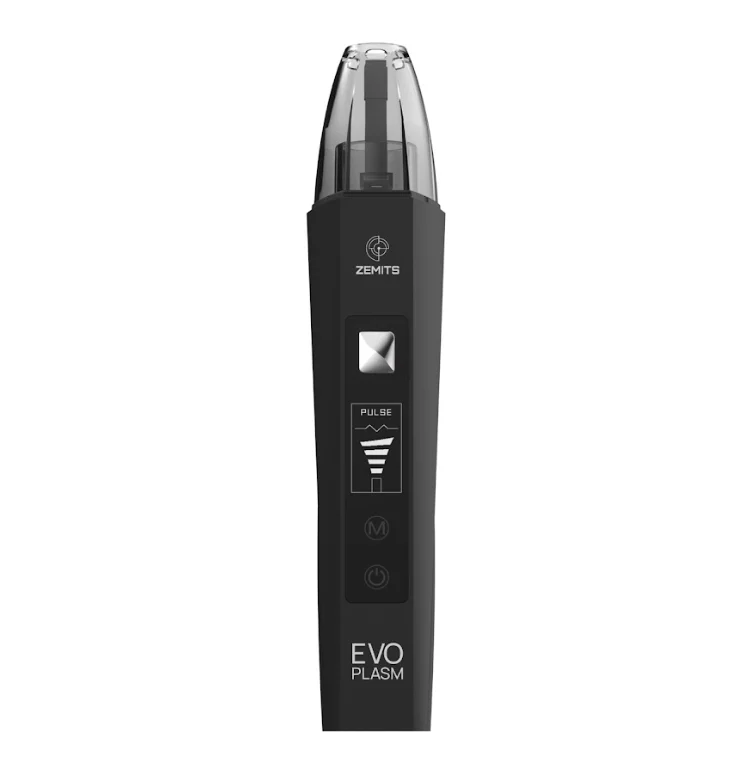
The landscape of the United Kingdom’s medical aesthetics market has witnessed a significant technological addition as Zemits, a global leader in advanced skincare and body contouring equipment, officially introduces the Zemits EvoPlasm. This strategic launch marks a pivotal moment for the brand as it seeks to fortify its presence in the British market, offering practitioners a versatile tool designed to bridge the gap between traditional skincare and high-performance medical-grade interventions. The EvoPlasm is engineered as a cold plasma device, a modality that has gained rapid traction for its ability to address a wide spectrum of skin concerns—ranging from acne and inflammation to advanced signs of aging—without the downtime or thermal damage often associated with traditional laser or plasma fibroblast treatments.
The introduction of the EvoPlasm comes at a time when the UK aesthetic sector is experiencing a paradigm shift toward "skin health first" philosophies. Practitioners are increasingly moving away from isolated, aggressive treatments in favor of cumulative, regenerative protocols that respect the skin’s biological integrity. Zemits has positioned the EvoPlasm not as a standalone novelty, but as a sophisticated "integrator" technology. According to the manufacturer, the device is specifically designed to be woven into existing clinical workflows, enhancing the efficacy of established modalities such as hydrodermabrasion, oxygen therapy, light-emitting diode (LED) phototherapy, chemical peels, and radiofrequency (RF) skin tightening.
The Science of Cold Plasma in Aesthetic Medicine
To understand the impact of the Zemits EvoPlasm launch, it is essential to examine the underlying science of cold atmospheric plasma (CAP). In physics, plasma is recognized as the fourth state of matter, consisting of ionized gas containing a balanced mix of electrons, ions, and neutral particles. While "thermal" plasma has been used in aesthetics for years—primarily for skin "shrinking" or fibroblast treatments that create controlled micro-burns on the surface—cold plasma operates at much lower temperatures, typically between 25°C and 45°C.
This low-temperature ionization allows the EvoPlasm to deliver therapeutic benefits without causing thermal trauma to the epidermis. When the device is applied to the skin, it generates a flow of reactive oxygen and nitrogen species (RONS). These molecules play a critical role in cellular signaling and sterilization. For patients suffering from acne or inflammatory conditions, the cold plasma acts as a potent antimicrobial agent, neutralizing P. acnes bacteria and reducing surface inflammation. Simultaneously, the ionization process increases the permeability of the skin’s lipid barrier, a phenomenon known as transient poration. This allows for significantly enhanced absorption of topical serums and active ingredients, making it an ideal precursor to restorative facial protocols.
Strategic Integration and Clinical Versatility
The primary value proposition of the Zemits EvoPlasm lies in its versatility. Unlike devices that are limited to a single indication, the EvoPlasm serves as a "force multiplier" for a clinic’s existing equipment. Zemits UK has highlighted several key treatment combinations that illustrate the device’s utility in a professional setting:
Synergistic Modalities
- Hydrodermabrasion and Oxygen Therapy: By utilizing cold plasma prior to or during these treatments, practitioners can ensure the skin is thoroughly sterilized and more receptive to the infusion of antioxidants and hyaluronic acid.
- Chemical Peels: Integrating cold plasma can help stabilize the skin’s response to acids, potentially accelerating the healing process and reducing the risk of post-inflammatory hyperpigmentation (PIH).
- Radiofrequency (RF) and Microneedling: When used in conjunction with energy-based tightening or collagen induction therapy, the EvoPlasm supports the inflammatory healing phase, promoting faster tissue regeneration and enhancing the overall lifting effect.
- LED Phototherapy: The combination of plasma ionization and specific light wavelengths creates a comprehensive approach to cellular rejuvenation, addressing both surface-level pathogens and deep-tissue ATP production.
Ulyana Danyleyko, the Director of Zemits UK, emphasized that the decision to bring EvoPlasm to the UK was driven by a need for "intelligent systems." She noted that modern practitioners are no longer satisfied with powerful but isolated machines; they require technology that fits into a holistic, multi-step patient journey. By offering a device that complements rather than replaces existing tools, Zemits is addressing the economic and operational realities of the modern aesthetic clinic.
Market Context and the UK Aesthetic Timeline
The UK aesthetic market is currently one of the most robust in Europe, with a projected compound annual growth rate (CAGR) of over 8% through 2030. This growth is fueled by a diversifying demographic, including a surge in male patients and younger "pre-juvenation" seekers. The launch of EvoPlasm aligns with these trends, particularly the demand for non-invasive treatments that offer visible results without the social "hideaway" period required by more aggressive lasers.
Zemits’ expansion into the UK has followed a calculated timeline. After establishing a strong foothold in the North American and European markets, the brand has spent the last several years tailoring its educational support and service infrastructure for the British practitioner. The launch of the EvoPlasm is a continuation of this expansion strategy. Looking ahead, the company has confirmed its participation in major industry milestones, including a high-profile exhibition at the CCR (Clinical Cosmetic Regenerative) expo in 2026. This long-term commitment suggests that Zemits views the UK not just as a sales territory, but as a hub for clinical innovation.
Data-Driven Benefits and Practitioner ROI
From a business perspective, the introduction of the EvoPlasm addresses the critical issue of Return on Investment (ROI) for clinic owners. In a saturated market, the ability to offer a "unique selling point" (USP) is vital. Cold plasma remains a relatively specialized offering in the UK, providing early adopters with a competitive edge.
Supporting data from clinical observations of cold plasma technology indicates several key benefits:
- Sterilization: Studies have shown that CAP can reduce bacterial load on the skin by up to 90% in a single session, making it a premier choice for acne management.
- Healing Acceleration: By stimulating microcirculation and the release of growth factors, cold plasma can reduce the downtime of aggressive treatments by an estimated 30-50%.
- Permeability: The temporary disruption of the stratum corneum allows for up to 10 times better penetration of high-molecular-weight ingredients compared to manual application.
For the practitioner, these data points translate into higher patient satisfaction and the ability to charge a premium for "Advanced Plasma Facials" or "Plasma-Enhanced Peels." Furthermore, the non-consumable nature of many cold plasma applications ensures that the overhead costs per treatment remain low, maximizing the profit margins for the clinic.
Official Responses and Industry Implications
The reaction from the aesthetic community has been largely positive, with many viewing the EvoPlasm as a bridge between the spa environment and the medical clinic. Industry analysts suggest that the move toward cold plasma reflects a broader "medicalization" of beauty, where consumers expect scientific validation for every step of their skincare routine.
Ulyana Danyleyko’s statement underscores this sentiment: "Zemits EvoPlasm was selected for the UK market because it offers versatility, treatment compatibility, and a sophisticated approach to skin support. It allows practitioners to enhance the value of their services while responding to patient demand for non-invasive, results-driven care."
This focus on "skin support" is crucial. In the past, the industry often focused on "skin destruction" (via ablation or deep peeling) to trigger a healing response. The EvoPlasm represents a shift toward "biostimulation"—supporting the skin’s natural functions rather than overriding them. This approach is particularly appealing to the growing segment of the population with sensitive skin or those who are wary of the "over-filled" or "over-processed" look.
Future Outlook: CCR 2026 and Beyond
As Zemits prepares for the upcoming years, the focus will likely remain on education and protocol development. The company’s planned appearance at CCR 2026 serves as a beacon for its long-term strategy, indicating that the EvoPlasm is just one component of a broader ecosystem of devices intended to redefine the UK standard of care.
The implications for the broader industry are clear: the future of aesthetics lies in the synergy of technologies. The launch of the EvoPlasm challenges other manufacturers to consider how their devices interact with the wider clinical environment. It also places a spotlight on the importance of the skin microbiome and the role of ionized gases in maintaining dermatological health.
In conclusion, the arrival of the Zemits EvoPlasm in the UK is more than a simple product launch; it is a reflection of the evolving priorities of the aesthetic industry. By prioritizing versatility, safety, and scientific rigor, Zemits is positioning itself as a vital partner for UK practitioners navigating an increasingly complex and demanding market. As the sector moves toward 2026 and beyond, the integration of cold plasma technology is expected to become a standard pillar of comprehensive skin rejuvenation strategies, offering patients a sophisticated path to health and vitality.
