
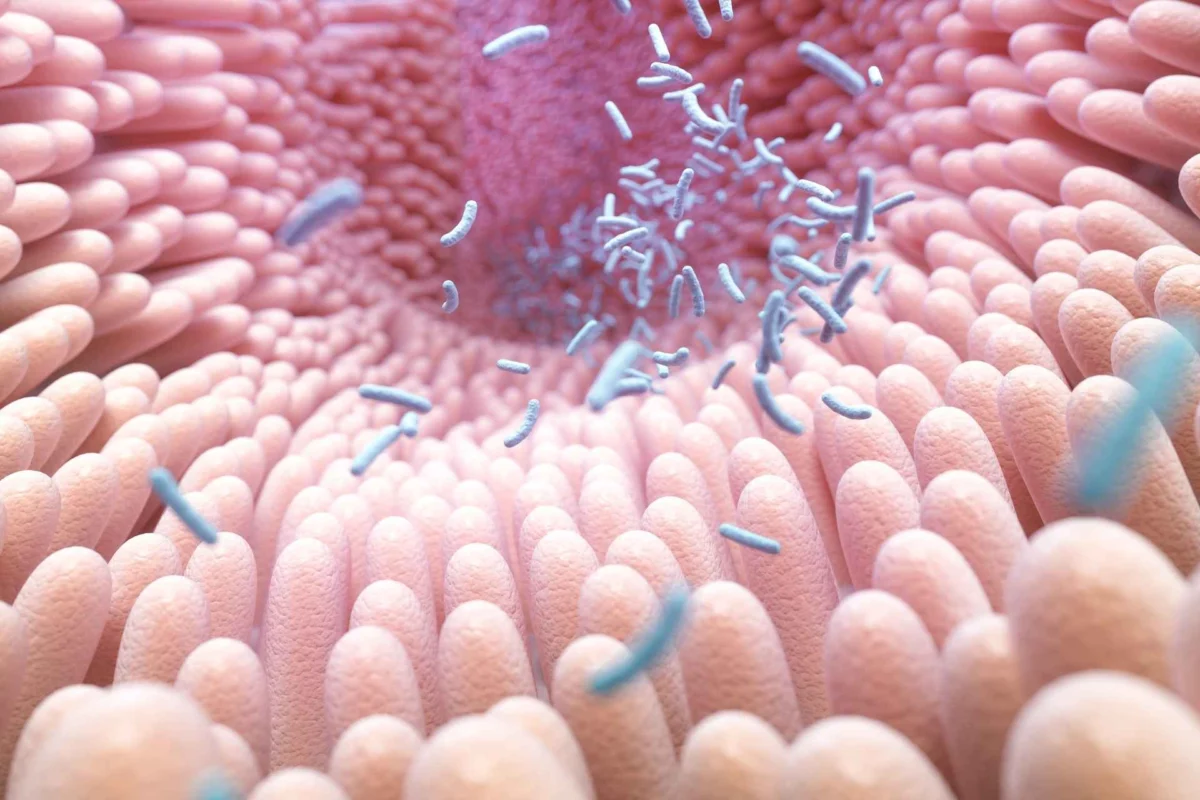
The human immune system serves as a complex and dynamic defense network, yet its efficacy varies significantly between individuals, often dictating why some people succumb to seasonal infections while others remain asymptomatic. While genetics were once thought to be the primary architect of immune health, a groundbreaking study involving 110 healthy adults has provided compelling evidence that the gut microbiota—the trillions of microorganisms residing in the digestive tract—plays a more dominant role in shaping baseline immune states than previously understood. This research, which analyzed the interplay between microbial populations and systemic immunity, suggests that the specific composition of an individual’s gut flora can predict their ability to resist viral infections and their likelihood of responding favorably to vaccines and cancer immunotherapies.
The Microbiota-Immune Axis: A New Frontier in Preventive Medicine
For decades, immunologists have sought to understand the "baseline" immune state—the steady-state level of immune activity present in an individual before they encounter a pathogen. This baseline is critical because it sets the stage for how the body reacts to threats. A baseline characterized by excessive inflammation can lead to tissue damage and autoimmune disorders, while a baseline that is too passive may result in a failure to clear infections or respond to immunization.
The recent study focused on 110 healthy volunteers, utilizing a multi-omics approach to bridge the gap between microbiology and systemic immunology. By simultaneously analyzing blood samples (to measure immune cell populations and signaling molecules) and stool samples (to sequence the microbial DNA and metabolic byproducts), researchers were able to map how specific bacterial communities influence the systemic environment. The findings indicate that the environment, specifically the gut microbiome, often overrides genetic predispositions in determining how the immune system is "tuned."
Chronology of the Research and Methodology
The study was conducted over an extended period to ensure that the observations were not merely "snapshots" of transient states but represented stable biological patterns. The research unfolded in several distinct phases:
- Participant Recruitment and Baseline Screening: 110 healthy adults were recruited, excluding those with chronic illnesses, recent antibiotic use, or restrictive diets that might temporarily skew the results.
- Sample Collection: Participants provided longitudinal samples of both blood and stool. This longitudinal approach allowed researchers to confirm that the immune and microbial profiles were consistent over weeks and months, rather than being a reaction to a single meal or a 24-hour stressor.
- High-Dimensional Analysis: Researchers utilized flow cytometry to identify specific immune cell subsets, such as T-cells, B-cells, and natural killer (NK) cells. Simultaneously, they performed 16S rRNA sequencing and metagenomic analysis on the stool samples to identify bacterial species and their functional genetic potential.
- Metabolic Profiling: The team analyzed microbial metabolic pathways, specifically looking for the production of metabolites like short-chain fatty acids (SCFAs), which are known to travel through the bloodstream and interact with immune receptors in distant organs.
- Data Integration: Using advanced computational models, the researchers correlated the microbial data with the immune data to identify recurring "signatures" or patterns of variation.
Supporting Data: Identifying Two Distinct Immune Patterns
The core of the study’s findings lies in the identification of two major patterns of immune variation among the participants. These patterns represent different ways the human body maintains its steady state.
The first pattern, which researchers linked directly to specific gut microbiota compositions, was characterized by several beneficial markers. Individuals falling into this category exhibited higher baseline antiviral immune activity. Specifically, their blood showed increased levels of interferon-stimulated genes, which act as a "first response" system against viral entry. Furthermore, these individuals possessed higher numbers of specialized immune cells, including mucosal-associated invariant T (MAIT) cells, which are known to bridge the gap between innate and adaptive immunity.
Crucially, this microbiota-linked pattern was also associated with lower levels of systemic inflammation. In the context of modern medicine, "low inflammation" combined with "high antiviral readiness" is considered the "gold standard" for immune health. This state suggests an immune system that is vigilant against external threats but remains calm enough to avoid the "cytokine storms" or chronic low-grade inflammation associated with metabolic syndrome and aging.
The second pattern identified in the study was less influenced by the gut microbiota and appeared to be more reflective of other environmental factors or perhaps subtle genetic differences. This group lacked the heightened antiviral readiness seen in the first group, suggesting they might be more susceptible to new viral strains or require more potent vaccine doses to achieve the same level of protection.
The Role of Microbial Metabolites
One of the most significant revelations of the research was the link between immune states and microbial metabolic pathways. It is not just the presence of certain bacteria that matters, but what those bacteria are doing. The study identified specific metabolic pathways—chemical factories within the gut—that produce immune-modulating molecules.
These metabolites, such as butyrate and propionate, serve as signaling molecules. They can exit the gut, enter the circulatory system, and "educate" immune cells in the bone marrow and spleen. The research demonstrated that individuals with the "high-readiness" immune pattern had gut profiles enriched with bacteria capable of producing these specific anti-inflammatory and pro-vigilance compounds. This provides a clear biochemical mechanism for how the gut can influence the entire body’s defense strategy.
Professional Perspectives and Clinical Implications
Leading experts in the field of mucosal immunology have noted that these findings could revolutionize the way we approach public health. If a person’s immune response is largely dictated by their gut bacteria, then "priming" the gut before medical interventions could become a standard procedure.
"We are moving toward a model of precision immunology," noted one senior researcher involved in the analysis of the data. "If we can identify that a patient has a ‘low-responder’ immune pattern based on their gut health, we might be able to prescribe a specific prebiotic or probiotic regimen for a month before they receive a flu shot or start a course of cancer immunotherapy. This would maximize the efficacy of the treatment."
In the realm of oncology, the implications are particularly profound. Cancer immunotherapies, such as checkpoint inhibitors, rely on the body’s T-cells to attack tumors. However, these drugs only work in a fraction of patients. The data from this study suggests that the "microbiota-linked" immune pattern provides the exact baseline conditions—low inflammation and high T-cell readiness—that these drugs require to be effective.
Broader Impact on Vaccine Development and Infection Resistance
The study also sheds light on the global variation in vaccine efficacy. It has long been observed that the same vaccine can have different success rates in different geographic regions. While nutrition and sanitation are factors, this research suggests that regional differences in the human microbiome—driven by local diets and environments—may be a primary cause.
By understanding the "ideal" microbial signature for vaccine response, pharmaceutical companies could potentially develop "adjuvant" treatments that target the gut. Rather than just changing the vaccine formula, doctors might change the host’s internal environment to make the vaccine more effective.
Furthermore, the discovery of a baseline antiviral state linked to the gut offers a new strategy for pandemic preparedness. During the early stages of a viral outbreak, when vaccines are not yet available, interventions aimed at shifting the population’s gut microbiota toward a more "antiviral-ready" state could serve as a critical layer of defense, potentially reducing the severity of infections across the population.
Conclusion and Future Directions
The study of 110 healthy adults provides a definitive link between the gut and the systemic immune system, proving that our internal microbial ecosystem is a master regulator of health. The stability of these patterns over time suggests that while the microbiome is influential, it is also a consistent feature of an individual’s biology, offering a reliable target for long-term health optimization.
Future research is expected to focus on interventional trials. The next logical step for scientists is to determine if they can "convert" an individual from a low-readiness immune pattern to a high-readiness pattern through dietary changes, fecal microbiota transplants (FMT), or designer probiotics. If successful, this would move the field from observation to active modulation, allowing clinicians to literally "shape" the immune system to better withstand the challenges of the 21st century.
As medicine moves toward more personalized approaches, the gut microbiota stands out as a modular and accessible component of human health. The findings of this study underscore a fundamental shift in medical thinking: to treat the blood and the lungs, one must first understand the gut.
