
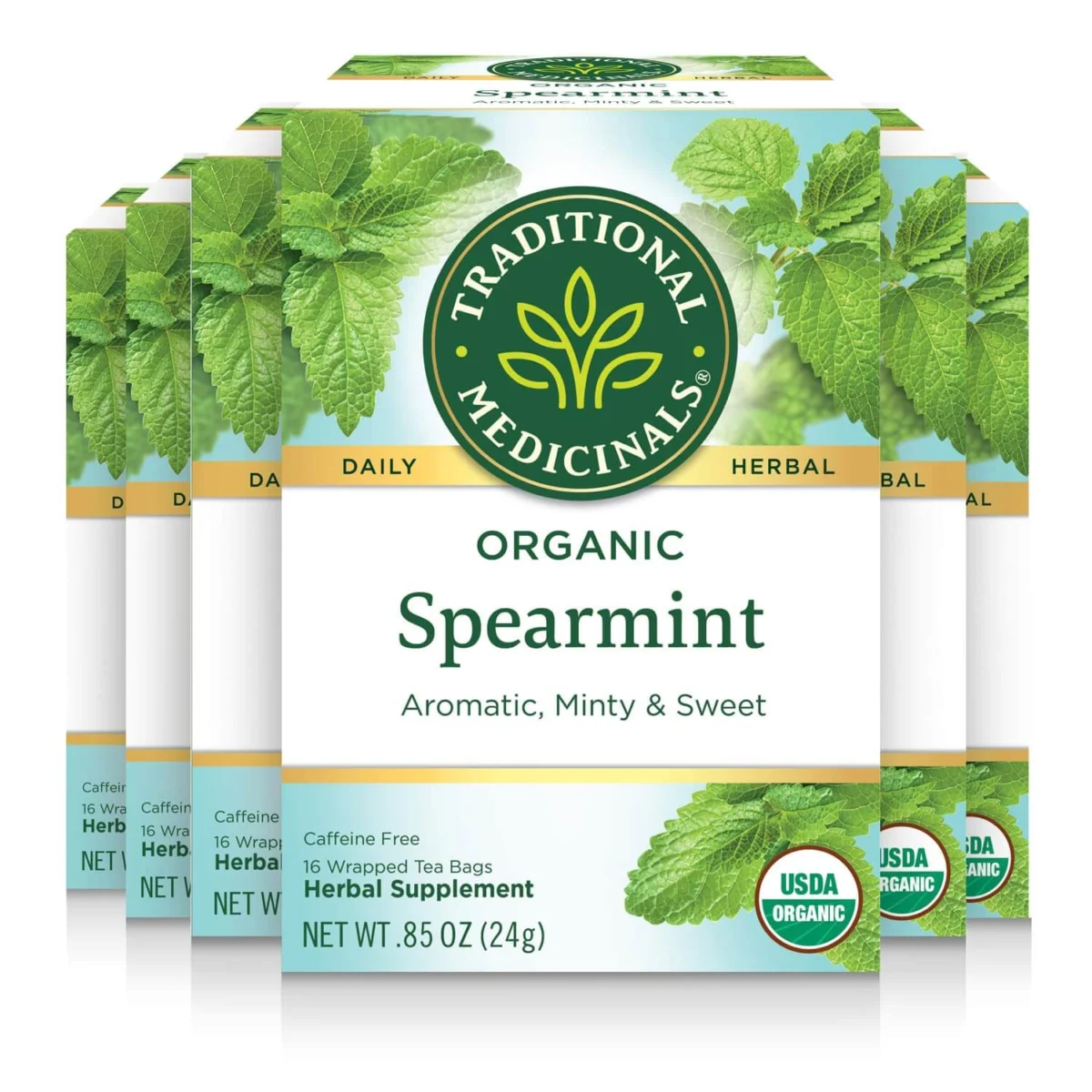
Polycystic Ovary Syndrome (PCOS) remains one of the most prevalent endocrine disorders among women of reproductive age, affecting approximately 8% to 13% of the global female population. Characterized by a complex interplay of hormonal imbalances, insulin resistance, and ovulatory dysfunction, the condition often presents a significant challenge for clinical management. While pharmacological interventions such as metformin and oral contraceptives are standard treatments, a growing body of clinical research suggests that spearmint tea (Mentha spicata) may serve as a potent, natural anti-androgenic agent. Recent studies and randomized controlled trials have highlighted the ability of this herbal infusion to significantly reduce testosterone levels, improve dermatological symptoms like hirsutism and acne, and support metabolic health, offering a complementary approach for those seeking to manage PCOS symptoms through lifestyle and dietary modifications.
Understanding the Clinical Context of PCOS and Hyperandrogenism
PCOS is fundamentally a disorder of hormone regulation, often identified by the "Rotterdam Criteria," which include irregular periods, polycystic ovaries visible on ultrasound, and hyperandrogenism. Hyperandrogenism—the presence of excess "male" hormones like testosterone—is responsible for many of the most distressing physical symptoms of the syndrome. These include hirsutism (excessive terminal hair growth in a male-pattern distribution), cystic acne, and androgenic alopecia (female-pattern hair loss).
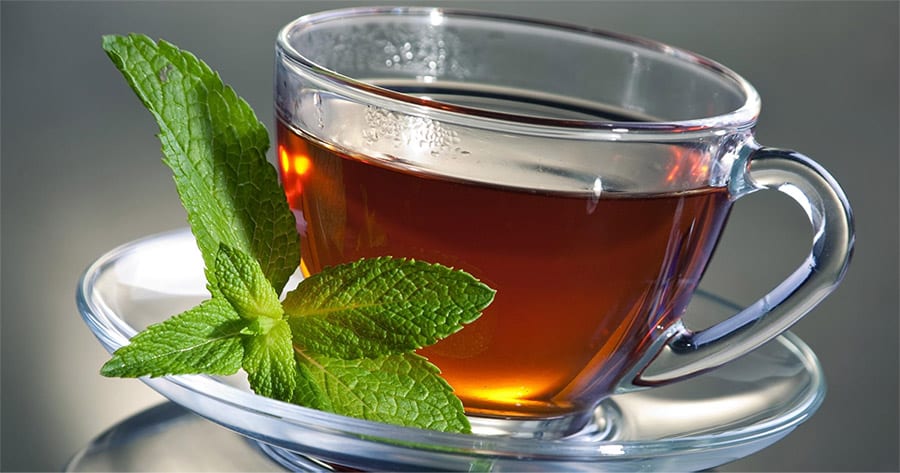
The traditional medical approach focuses on symptom suppression. However, the discovery of spearmint’s anti-androgenic properties has shifted the conversation toward botanical interventions. Spearmint tea works by influencing the hypothalamic-pituitary-ovarian axis, potentially reducing the production of free testosterone while simultaneously increasing the levels of luteinizing hormone (LH) and follicle-stimulating hormone (FSH), which are crucial for a healthy menstrual cycle.
A Chronology of Research: The Scientific Evidence for Spearmint Tea
The evolution of spearmint tea from a traditional digestive aid to a recognized hormonal therapy is marked by several key scientific milestones over the last two decades.
In the mid-2000s, preliminary pilot studies first suggested that spearmint might possess anti-androgenic properties after researchers observed reduced libido in men who consumed high quantities of the herb. This led to curiosity regarding its application for women with androgen-excess disorders.

The most cited study in this field occurred in 2009. Published in Phytotherapy Research, Dr. Paul Grant conducted a randomized controlled trial involving 42 women diagnosed with PCOS. The participants were divided into two groups: one consumed spearmint tea twice daily for one month, while the other received a placebo herbal tea. The results were statistically significant. Women in the spearmint group showed a marked decline in free and total testosterone levels over the 30-day period. Furthermore, their levels of LH and FSH increased, suggesting a move toward hormonal homeostasis. While the one-month duration was too short to show a clinical reduction in hair follicle density, the subjective reports from the participants indicated a perceived reduction in hirsutism.
In 2013, a systematic review and meta-analysis published in Human Reproduction Update explored the role of oxidative stress in PCOS. This research highlighted that women with PCOS are prone to higher levels of oxidative damage. This provided a secondary rationale for spearmint consumption, as the herb is rich in polyphenols and antioxidants that combat cellular stress.
By 2015, the American Academy of Dermatology (AAD) began acknowledging the role of spearmint in dermatological health. A study presented that year indicated that drinking two cups of organic spearmint tea daily could reduce inflammatory acne lesions by 25% after one month and by 51% after three months. This provided a clear timeline for patients regarding how long they might need to wait for visible skin improvements.

Most recently, in 2018, research published in the Journal of Alternative and Complementary Medicine expanded the scope of spearmint’s benefits to cognitive function. While not PCOS-specific, the study of 90 individuals with age-associated memory impairment found that spearmint extract improved working memory and mental focus, addressing the "brain fog" frequently reported by PCOS patients.
Supporting Data: Mechanisms of Action and Metabolic Impact
The efficacy of spearmint tea is rooted in its chemical composition, which includes carvone, limonene, and various flavonoids. These compounds are believed to interact with the endocrine system in several specific ways:
Reduction of Androgen Bioavailability
Spearmint tea appears to inhibit the enzymes responsible for testosterone synthesis in the ovaries. By reducing the concentration of free testosterone—the biologically active form of the hormone—spearmint helps mitigate the stimulation of hair follicles and sebaceous glands, thereby addressing hirsutism and acne at their source.

Insulin Sensitivity and Glucose Regulation
Insulin resistance is a hallmark of PCOS, affecting even those within a healthy weight range. High insulin levels can stimulate the ovaries to produce even more testosterone, creating a vicious cycle. While human data is still emerging, animal studies published in the Iranian Journal of Pharmaceutical Research (2017) demonstrated that spearmint extract significantly lowered blood sugar levels in diabetic rats. For women with PCOS, this suggests that spearmint may act as a mild insulin sensitizer, potentially lowering the risk of progression to Type 2 diabetes.
Menstrual Regularity and Ovarian Health
By normalizing the ratio of LH to FSH, spearmint tea may facilitate more regular ovulation. High androgen levels often lead to the development of multiple small, immature follicles on the ovaries (the "cysts" in PCOS). As testosterone levels drop, the hormonal environment becomes more conducive to the maturation of a single dominant follicle, potentially improving fertility and cycle regularity.
Clinical Recommendations: Dosage, Preparation, and Safety
For those looking to integrate spearmint tea into their management plan, consistency is the primary factor for success. Medical experts and researchers generally suggest the following protocol:
- Dosage: The standard clinical dose used in successful trials is two cups (approximately 250ml each) per day.
- Concentration: Approximately 1 gram of dried spearmint leaves (or one standard tea bag) should be used per 12 ounces of water.
- Steeping Time: To ensure the extraction of active volatile oils and polyphenols, the tea should be steeped in boiling water for at least 5 to 10 minutes.
- Temperature: The tea can be consumed hot or cold, as the active compounds remain stable.
Cautions and Contraindications
Despite being a natural product, spearmint tea is not suitable for everyone. It is known to relax the lower esophageal sphincter, which can exacerbate symptoms of gastroesophageal reflux disease (GERD) or chronic heartburn. Furthermore, because of its potent effect on hormones, it should not be used during pregnancy or breastfeeding without strict medical supervision. There are also rare concerns regarding hepatotoxicity (liver strain) if spearmint is consumed in extreme, concentrated supplement forms, though this is generally not a risk with standard tea consumption.
Broader Implications and the Future of PCOS Care
The growing interest in spearmint tea reflects a broader shift in the medical community toward "Integrative Functional Medicine." As patients become more vocal about the side effects of hormonal birth control and insulin-sensitizing drugs, the validation of botanical alternatives provides a more holistic toolkit for clinicians.
Medical professionals are increasingly viewing PCOS not just as a reproductive issue, but as a lifelong metabolic condition. In this context, the antioxidant and anti-inflammatory properties of spearmint tea offer benefits that go beyond mere hair and acne management. By reducing oxidative stress and potentially aiding cognitive function, spearmint addresses the mental health and long-term wellness aspects of the syndrome.

However, researchers emphasize that spearmint tea should not be viewed as a "magic bullet." It is most effective when used as part of a comprehensive "PCOS-friendly" lifestyle, which includes a low-glycemic diet, regular physical activity, and stress management. The data suggests that while hormonal changes can be detected in the blood within 30 days, the physical manifestations—particularly hair growth patterns—may take six months or longer to show visible improvement due to the nature of the hair growth cycle.
Conclusion
The evidence supporting spearmint tea as a therapeutic aid for PCOS is compelling. From its proven ability to lower testosterone to its potential roles in glucose regulation and cognitive support, it represents a low-risk, high-reward intervention. As the medical community continues to investigate the long-term impacts of spearmint on human metabolic health, it remains a recommended adjunct therapy for women navigating the complexities of Polycystic Ovary Syndrome. By combining ancient herbal wisdom with modern clinical validation, spearmint tea offers a bridge toward more natural and sustainable hormonal health.
