

Polycystic Ovary Syndrome (PCOS) remains one of the most prevalent endocrine disorders among women of reproductive age, affecting an estimated 8% to 13% of the global female population. For those navigating the complexities of this condition, the transition into pregnancy requires a specialized approach to nutrition and supplementation. Medical experts and reproductive endocrinologists emphasize that the management of PCOS during the prenatal and preconception phases is critical, not only for the successful conception of a child but also for the long-term health of both the mother and the developing fetus. The selection of a prenatal vitamin tailored to the specific metabolic needs of the PCOS patient is a cornerstone of this clinical strategy, addressing common deficiencies in Vitamin D, folate, and essential fatty acids while mitigating the risks of pregnancy-related complications such as gestational diabetes and pre-eclampsia.
The Pathological Context of PCOS and Pregnancy
PCOS is characterized by a triad of symptoms: irregular menstrual cycles, hyperandrogenism (elevated levels of male hormones), and the presence of polycystic ovaries on ultrasound. At its core, the condition is frequently driven by insulin resistance, which affects between 50% and 70% of women with the disorder. This metabolic dysfunction creates a unique set of challenges during pregnancy. Women with PCOS are statistically more likely to experience early pregnancy loss, gestational hypertension, and metabolic disturbances.

Clinical research indicates that nutritional status is a primary modifiable factor in these outcomes. Because PCOS often involves chronic low-grade inflammation, the demand for specific antioxidants and micronutrients is significantly higher than in the general population. Prenatal vitamins serve as a "nutritional insurance policy," ensuring that the body has the requisite building blocks to support a healthy gestational environment despite the underlying hormonal imbalances.
A Chronology of Nutritional Intervention: From Planning to Parturition
The timeline for starting a prenatal vitamin regimen is a critical factor in reproductive success. Reproductive health organizations, including the American College of Obstetricians and Gynecologists (ACOG), recommend that supplementation begin at least three months prior to attempted conception.
The Preconception Phase
During the preconception stage, the primary goal is to optimize egg quality and regulate ovulation. In women with PCOS, high levels of oxidative stress can damage oocytes (eggs). Supplements containing Coenzyme Q10 (CoQ10) and Myo-inositol are often integrated into preconception vitamins to improve mitochondrial function in the eggs and enhance insulin sensitivity.

The First Trimester
The first 28 days of pregnancy are the most vital for the development of the neural tube. Because many women do not realize they are pregnant until several weeks after conception, having a steady baseline of folic acid or folate is essential. For women with PCOS, this period also requires careful monitoring of blood glucose levels, as the hormonal shifts of early pregnancy can exacerbate existing insulin resistance.
The Second and Third Trimesters
As the fetus grows, the demand for iron and calcium increases exponentially. Iron supports the expansion of maternal blood volume, while calcium is diverted to the development of the fetal skeletal system. In the final stages of pregnancy, the focus shifts to preventing late-stage complications like pre-eclampsia, where Vitamin D and Omega-3 fatty acids play a protective role.
Essential Nutrients: A Data-Driven Analysis for PCOS Patients
While standard prenatal vitamins provide a broad spectrum of nutrients, those managing PCOS must look for specific concentrations and forms of vitamins to address their unique metabolic profile.

Folate vs. Folic Acid
Folate, a B-vitamin (B9), is necessary for DNA synthesis and the prevention of neural tube defects like spina bifida. The American Pregnancy Association recommends a minimum of 400 micrograms (mcg) daily. However, a significant portion of the population carries a mutation in the MTHFR gene, which hinders the body’s ability to convert synthetic folic acid into its active form. Given the higher prevalence of metabolic issues in PCOS, many practitioners recommend "methylated folate" (5-MTHF), which is more readily bioavailable.
Vitamin D and Follicular Development
Research suggests that approximately 67% to 85% of women with PCOS are deficient in Vitamin D. This deficiency is linked to poorer pregnancy outcomes and increased insulin resistance. Vitamin D acts more like a hormone than a vitamin, influencing the anti-Müllerian hormone (AMH) and supporting healthy follicle development. Clinical guidelines often suggest a daily intake of 4,000 IU for pregnant women, though PCOS patients may require higher doses under medical supervision to reach optimal serum levels.
Iron and Anemia Prevention
Pregnancy increases the body’s iron requirement to 27 milligrams (mg) per day. Iron is a key component of hemoglobin, which carries oxygen to the fetus. Women with PCOS, particularly those who have experienced heavy or prolonged menstrual bleeding prior to pregnancy, may start their journey with depleted iron stores, making supplementation vital to prevent maternal anemia and low birth weight.
Calcium and Bone Density
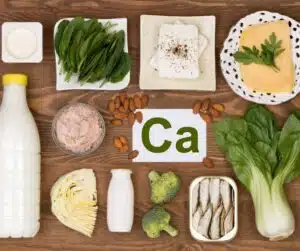
If maternal calcium intake is insufficient, the body will demineralize the mother’s own bones to provide for the fetus. A daily intake of 1,000 mg is recommended. For women with PCOS, maintaining bone density is especially important as they may be at a different risk profile for osteoporosis later in life depending on their lifetime estrogen exposure.
Omega-3 Fatty Acids (DHA and EPA)
Omega-3s are critical for fetal brain and eye development. For the PCOS patient, the benefits are two-fold: Omega-3s have been shown to lower androgen levels and reduce systemic inflammation. A minimum of 300 mg of DHA daily is the standard recommendation to support both the baby’s neurological development and the mother’s cardiovascular health.
Market Analysis: Leading Prenatal Supplements for PCOS
The supplement industry offers a variety of formulations, but only a few are recognized for their rigorous testing and specific utility for PCOS.
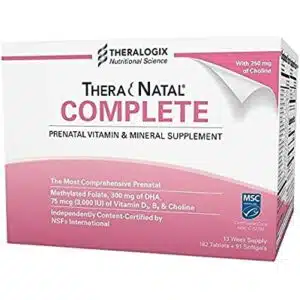
- TheraNatal Complete (Theralogix): This product is frequently cited by specialists due to its independent verification by NSF International. It includes methylated folate and a higher-than-average dose of Vitamin D. Its companion product, TheraNatal OvaVite, includes CoQ10, specifically targeting egg quality for the preconception phase.
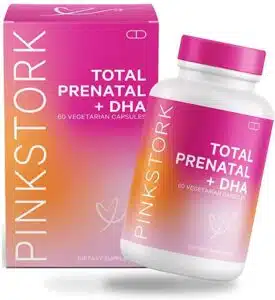
- Pink Stork Total Prenatal: This formulation is noted for including a comprehensive B-complex and trace minerals like selenium and chromium. Chromium is particularly relevant for PCOS as it plays a role in glucose metabolism and insulin signaling.
- Nature Made Prenatal with Folic Acid + DHA: As a USP-verified option, this supplement provides a cost-effective alternative that meets the foundational requirements for DHA and folic acid, making it a reliable choice for the general population and those with well-managed PCOS.
Managing Risks: Gestational Diabetes and Pre-eclampsia
The broader implications of prenatal supplementation in PCOS extend to the prevention of high-risk obstetric conditions. Women with PCOS face a three-fold increase in the risk of developing gestational diabetes mellitus (GDM). While vitamins alone cannot eliminate this risk, the inclusion of Inositol—specifically a 40:1 ratio of Myo-inositol to D-chiro-inositol—has been shown in clinical trials to significantly improve glucose tolerance in pregnant women.
Furthermore, the risk of pre-eclampsia (high blood pressure during pregnancy) is significantly higher in the PCOS population. Maintaining adequate levels of Vitamin D and calcium is a recognized strategy in reducing the incidence of hypertensive disorders of pregnancy. Medical professionals advise that prenatal vitamins should be viewed as part of a holistic care plan that includes regular glucose monitoring and a low-glycemic index diet.
Broader Implications and Medical Consensus
The medical community is increasingly recognizing that the "one-size-fits-all" approach to prenatal care is insufficient for women with endocrine disorders. The use of targeted prenatal vitamins for PCOS represents a shift toward precision medicine in obstetrics. By addressing the specific deficiencies and metabolic hurdles associated with Polycystic Ovary Syndrome, healthcare providers can improve birth outcomes and reduce the burden of pregnancy complications.
Statements from the American Pregnancy Association and other advocacy groups underscore that while supplements are essential, they must be paired with lifestyle interventions. Weight management, stress reduction, and endocrine-disrupting chemical avoidance are all factors that work synergistically with prenatal vitamins to ensure a healthy pregnancy.
As research continues to evolve, the focus is expanding toward the "developmental origins of health and disease" (DOHaD). This theory suggests that the nutritional environment provided by a mother with PCOS can influence the child’s risk of developing metabolic syndrome or PCOS themselves later in life. Therefore, high-quality prenatal supplementation is not merely about the nine months of gestation; it is an investment in the health of the next generation.
In conclusion, for women with PCOS, the journey to motherhood requires proactive nutritional planning. By understanding the roles of folate, Vitamin D, and Omega-3s, and by selecting high-quality, evidence-based supplements, patients can navigate the challenges of PCOS and foster a healthy environment for their developing children. Medical consultation remains paramount, as individual needs may vary based on the severity of symptoms and specific laboratory findings.
