
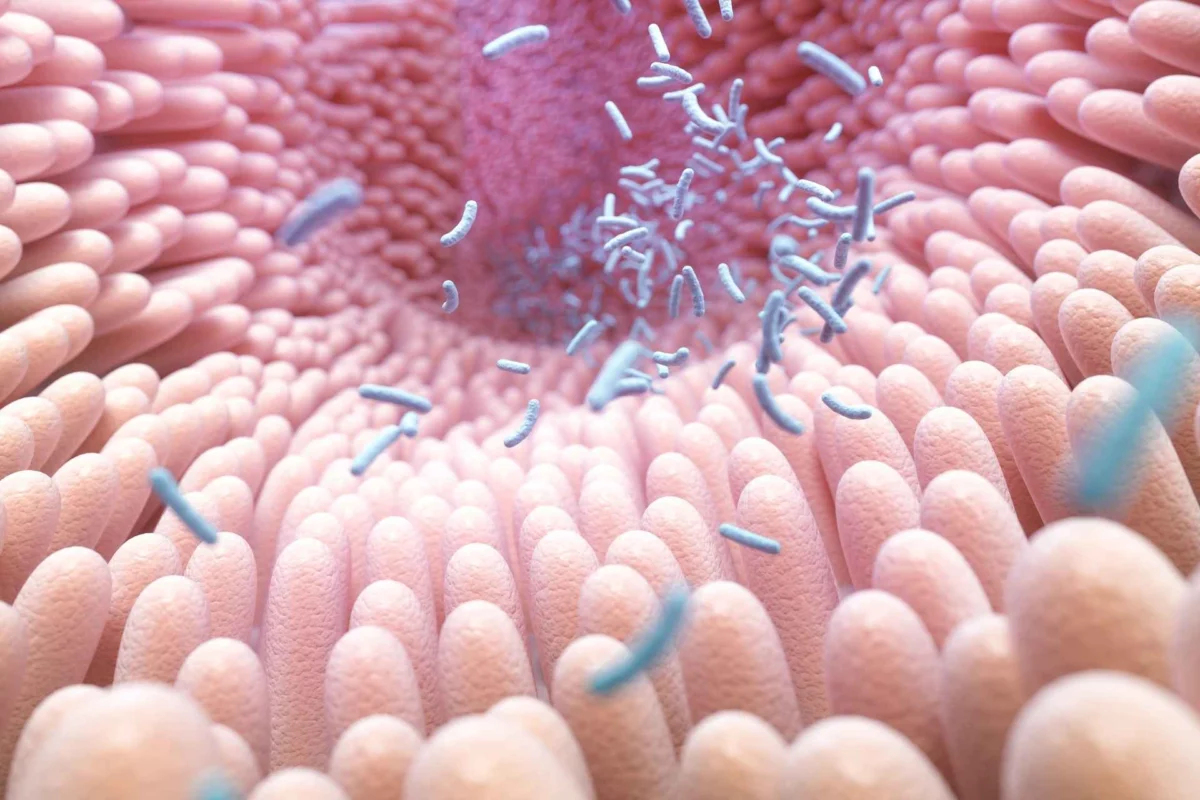
A comprehensive study published in the journal Cell has established a definitive link between the composition of the human gut microbiota and the baseline activity of the immune system, particularly regarding antiviral defenses. Led by Joel Babdor and a team of researchers at the University of California, San Francisco (UCSF), the investigation involved 110 healthy adults and utilized multi-omic analysis to determine how microbial diversity influences the body’s readiness to fight infection. The findings suggest that the specific makeup of a person’s gut bacteria can dictate their "baseline immune state," a discovery that carries profound implications for the efficacy of vaccines, the success of cancer immunotherapies, and the management of autoimmune disorders. While it has long been understood in animal models that environmental factors—specifically the gut microbiome—play a more significant role than genetics in shaping immunity, this study provides critical evidence of how these mechanisms function within a healthy human population.
The Scientific Foundation of Baseline Immunity
In the field of immunology, the "baseline state" refers to the activity level of the immune system when it is not actively fighting a known pathogen. This state is not uniform across the population; some individuals maintain a "primed" immune system with higher levels of circulating signaling molecules, while others exist in a more quiescent state. The UCSF study sought to bridge the gap in understanding why these variations exist among healthy individuals who share similar environments. By collecting blood and stool samples alongside detailed health surveys, the research team was able to map the intricate relationships between immune cell populations, gut microbes, and the metabolites they produce.
The researchers identified that even among healthy participants, there were stark differences in immune cell types and bacterial species. The most significant finding was the correlation between the gut microbiota and the interferon response. Interferons are proteins released by host cells in response to the presence of viruses, acting as a critical first line of defense. The study revealed that individuals with a specific gut microbial signature exhibited higher baseline expression of interferon-related genes and elevated levels of interferon-signaling molecules in their blood. This "high-alert" state essentially prepares the body to respond more rapidly and effectively to viral threats.
Chronology of Microbiome and Immunology Research
The understanding of the microbiome’s influence on human health has evolved rapidly over the last two decades. In the early 2000s, research was primarily focused on the gut’s role in digestion and basic metabolic functions. However, by the 2010s, studies involving "germ-free" mice—animals raised in sterile environments without any bacteria—showed that a lack of gut microbes led to severely underdeveloped immune systems. These early animal models proved that microbes were necessary for the maturation of T-cells and B-cells.
By 2015, clinical observations in humans began to suggest that the microbiome influenced how patients responded to new classes of cancer drugs, specifically immune checkpoint inhibitors. Patients with higher microbial diversity often saw better tumor shrinkage than those with depleted microbiotas. Despite these observations, the specific biological "bridge" between the gut and the blood remained elusive. The UCSF study, published in 2024, represents a pivotal moment in this chronology, moving from broad correlations toward a specific understanding of how microbial products like short-chain fatty acids (SCFAs) regulate systemic interferon signatures in healthy humans.
Supporting Data: Metabolites and Specialized Immune Cells
The UCSF research team utilized advanced computational tools to analyze the "metabolome"—the set of small-molecule chemicals found within a biological sample. A key data point emerged regarding short-chain fatty acids, such as butyrate, acetate, and propionate. These are the byproducts of bacterial fermentation of dietary fibers in the colon. The study found that participants with higher concentrations of these SCFAs in their stool also tended to possess more specialized immune cells and a more robust interferon response profile.
Furthermore, the data indicated that these immune and microbial traits were remarkably stable over time. When participants were re-tested, their baseline immune states remained consistent, suggesting that the gut-immune axis is a durable feature of individual physiology rather than a fleeting reaction to a recent meal or minor illness. This stability is crucial for clinical applications, as it suggests that the microbiome provides a "set point" for the immune system that could potentially be adjusted through long-term dietary or probiotic interventions.
Implications for Vaccinology and Cancer Therapy
The practical applications of these findings are most apparent in the realm of preventative and curative medicine. The researchers noted that the high-interferon patterns identified in the "primed" group are the same patterns observed in individuals who respond exceptionally well to the influenza vaccine. Vaccination relies on the immune system’s ability to recognize a weakened or dead pathogen and mount a memory response. If a person’s baseline immune state is already optimized via their gut microbiota, their body may be more efficient at "learning" from the vaccine, leading to stronger and longer-lasting protection.
In the context of oncology, the study provides a potential explanation for the high variability in immunotherapy outcomes. Cancer immunotherapy often works by "releasing the brakes" on the immune system so it can attack tumor cells. However, if a patient’s baseline immune activity is low due to an unfavorable gut microbiome, the therapy may have less "fuel" to work with. By identifying the specific microbes associated with high interferon activity, clinicians may eventually be able to use "microbiome-informed precision immunotherapy." This could involve treating a patient with specific bacterial strains or fiber-rich diets prior to starting cancer treatment to ensure their immune system is in the optimal state to respond to the drugs.
Potential for Therapeutic Intervention and Public Health
The study’s authors envision a future where the microbiome is a standard target for therapeutic benefit. Unlike genetics, which are fixed, the microbiome is plastic and can be modified. This opens the door for dietary interventions as a legitimate form of medical treatment. For instance, if a specific profile of fiber-fermenting bacteria is linked to better antiviral defense, public health initiatives could focus on dietary guidelines that promote these specific microbial populations to reduce the population-wide risk of viral outbreaks.
While the UCSF study was relatively small, with 110 participants, its depth of analysis provides a "data resource" for other scientists. The research community has reacted with cautious optimism, noting that while the clinical significance of these patterns requires further validation in larger, more diverse cohorts, the link between the gut and systemic interferon activity is a major step forward. Experts in the field suggest that the next phase of research will involve "colonization" studies, where specific microbes are introduced to human subjects to see if their baseline immune states can be intentionally shifted.
Fact-Based Analysis of Broader Impacts
The discovery that the gut microbiota influences baseline immunity shifts the paradigm of how we view health and disease. Traditionally, the immune system was viewed as a reactive force that only "woke up" in the presence of a threat. We now understand it to be a dynamic system in constant dialogue with the trillions of bacteria residing in the digestive tract. This dialogue determines the "thermostat" setting of our internal defenses.
This research also touches on the "hygiene hypothesis," which suggests that modern, hyper-sanitized environments have led to a decrease in microbial diversity, potentially contributing to the rise in autoimmune and allergic diseases. By showing that specific microbes are necessary for a healthy baseline immune state, the study reinforces the idea that maintaining a diverse internal ecosystem is essential for systemic health.
Furthermore, the findings may explain why certain populations or age groups are more susceptible to infections. If elderly populations, who often have lower gut microbial diversity, also have lower baseline interferon activity, this could explain their increased vulnerability to viruses like influenza or COVID-19. Addressing gut health could therefore become a cornerstone of geriatric medicine and pandemic preparedness.
Conclusion and Future Outlook
The study led by Joel Babdor at UCSF provides a foundational map of the gut-immune axis in humans. By establishing that gut microbes and their metabolites are intrinsically linked to the body’s interferon responses, the research provides a biological basis for why individuals react differently to vaccines and diseases. As the medical community moves toward more personalized approaches, the "microbiome-informed" model of care appears increasingly viable.
Future research will likely focus on determining whether these findings hold true across different ethnicities, climates, and diets, as the current study was limited to a specific demographic. Additionally, the quest to identify the "ideal" microbiome for immune health continues. While "high-alert" interferon states are beneficial for fighting viruses and cancer, researchers must also investigate whether an over-primed immune system could lead to chronic inflammation or autoimmune issues. Balancing this delicate ecosystem will be the primary challenge of the next generation of immunological research. For now, the data from UCSF stands as a significant contribution to our understanding of the invisible forces that govern human health from within.
