
The transition from the vibrant energy of summer to the more subdued tones of autumn and winter often heralds a period of less sunshine, colder temperatures, and a general shift in lifestyle. However, for the discerning fashion-conscious individual, this seasonal change presents a compelling opportunity to refresh one’s wardrobe, particularly with the acquisition of new, seasonally appropriate footwear. As footwear often represents a significant investment, understanding the prevailing trends ensures that these purchases are both stylish and enduring. This season, a diverse array of footwear styles are poised to dominate, ranging from rugged, utilitarian designs to technologically advanced and sustainably sourced options.
The Enduring Appeal of Hiking Boots: From Trail to Urban Terrain
The rugged aesthetic of hiking boots has transcended their original purpose, establishing themselves as a formidable trend in urban fashion. The allure lies not only in their robust construction and inherent durability but also in the sense of preparedness they evoke. As stylist and personal shopper Daniel Johnson notes, "Very much a solid investment, other than looking good, hiking boots blend nicely into a city commute. They’re a much more suitable replacement to wellington boots and don’t blur the style as much between town and country." This sentiment underscores their versatility, allowing wearers to navigate city streets with a sense of security, as if ready for any unexpected terrain.
Styling these substantial boots requires a considered approach to maintain a balanced silhouette. Experts advise against pairing them with overly slim-fit trousers, such as skinny jeans, as this can create a disproportionate look. Instead, layering on the upper body with pieces like wool blousons offers a cohesive and stylish ensemble. The key is to avoid an overtly technical appearance unless embarking on an actual outdoor expedition, ensuring the look remains grounded in contemporary fashion rather than pure outdoor adventure gear. This trend reflects a broader movement towards utilitarianism and practicality in menswear, where functionality meets high fashion.
The market has responded with a surge of luxury hiking boot options. Brands are reinterpreting classic hiking silhouettes with premium materials like supple suede and durable leather, often incorporating advanced waterproofing and enhanced grip soles. This fusion of traditional craftsmanship and modern materials ensures that these boots are not only aesthetically pleasing but also built to withstand the elements. For instance, models featuring Goodyear welt construction, a hallmark of high-quality footwear, offer superior longevity and the potential for resoling, aligning with the growing consumer demand for sustainable and repairable products.
Sustainability and Natural Materials: A Conscious Approach to Footwear
In an era increasingly defined by environmental awareness and a desire for ethical consumption, the footwear industry is witnessing a significant pivot towards sustainability and the use of natural materials. This trend is fueled by a growing consumer consciousness, influenced by movements like Extinction Rebellion and the proliferation of clothing rental services, all advocating for a "buy less, buy better" philosophy. This has led to a resurgence of interest in heritage shoemakers who have honed their craft over centuries, prioritizing quality, longevity, and responsible sourcing.

Daniel Willis, a footwear designer at John Lewis, observes, "There is an overall trend toward sustainability and authenticity. Consumers are looking for a more considered approach to what they buy: less fast fashion, more product with purpose." This sentiment highlights a departure from disposable fashion towards pieces that possess intrinsic value and are built to last.
The focus on natural materials is evident in the use of vegetable-tanned leather, which undergoes a less chemically intensive tanning process, resulting in a material that ages beautifully and is more environmentally friendly. Natural crepe soles, derived from latex, offer comfort and flexibility while also being a biodegradable option. Beyond the materials themselves, the construction methods are also paramount. Repairable constructions, such as the aforementioned Goodyear welt, allow for soles to be replaced, significantly extending the lifespan of the shoe. Furthermore, the integration of durable Vibram soles, renowned for their exceptional grip and longevity, ensures that these sustainable choices do not compromise on performance.
This trend extends to the revival of classic shoe silhouettes, reimagined with these eco-conscious principles. From timeless brogues to enduring loafers, brands are infusing these heritage designs with natural materials and ethical manufacturing processes. The implications of this trend are far-reaching, encouraging a more mindful consumption pattern and pushing the industry towards greater environmental accountability. Consumers are increasingly scrutinizing the origins of their products, demanding transparency and a commitment to ethical practices from the brands they support.

3D Technology: Pioneering the Future of Footwear Design
The integration of 3D technology into footwear manufacturing represents a significant leap forward, ushering in an era of unprecedented innovation in design and functionality. While the concept might evoke images of science fiction, its application in footwear is already yielding tangible benefits, particularly in enhancing cushioning and customisation. The primary application of 3D printing in this context involves the creation of intricate sole structures, engineered for optimal shock absorption and personalized comfort.
John Brotherhood, head of buying at Footpatrol, elaborates on the impact of this technological advancement: "Advances in technology are seeing brands looking for ways to utilise these innovative production processes to create a newness that pushes the boundaries of current footwear design." This pursuit of novelty is driving brands to explore the creative potential of additive manufacturing.
Adidas has been at the forefront of this revolution, notably with the release of its first mass-market 3D printed shoe in 2018. This milestone demonstrated the viability of 3D printing for large-scale production, paving the way for other industry leaders. Companies like Stella McCartney and New Balance are now actively incorporating 3D printed components into their designs, signaling a broader industry embrace of this transformative technology. The evolution of 3D printing in footwear is not merely about novelty; it offers the potential for highly customized footwear, tailored to the unique biomechanics of individual wearers, which could revolutionize athletic performance and everyday comfort.

The implications of this trend extend beyond aesthetics and comfort. 3D printing allows for the creation of complex geometries that are difficult or impossible to achieve with traditional manufacturing methods. This opens up new avenues for material innovation and structural design, potentially leading to lighter, more durable, and more energy-efficient footwear. As the technology continues to mature, we can anticipate even more groundbreaking applications, from entirely 3D-printed shoes to personalized insoles that address specific foot conditions.
Chunky Soles: A Bold Statement in Streetwear and Beyond
The resurgence of chunky soles in footwear is a testament to the enduring influence of streetwear on broader fashion trends. While the concept of an exaggerated sole has appeared in various forms over the years, the current iteration is characterized by its boldness and versatility, extending beyond just sneakers.
Ridwane Ettoubi, founder of London sneaker store Presented By, remarks, "Chunky footwear has had a resurgence as we know, but super thick-soled sneakers like the Yeezy V3 are going to bang-on-trend this season. The more outdoors and robust look is something that’s been slowly growing across the fashion world, and now it’s finally seeped into streetwear." This observation highlights how the trend has evolved from a niche streetwear phenomenon to a mainstream fashion statement.

The appeal of chunky soles lies in their ability to add a substantial, fashion-forward edge to an outfit. They provide a visual anchor and can transform the proportions of an ensemble. This trend is not limited to athletic-inspired footwear. Classic silhouettes such as leather loafers are now being reimagined with hefty cleat soles, offering a rugged yet sophisticated aesthetic. Similarly, Chelsea boots are featuring more pronounced, lug-like soles, reminiscent of workwear boots, providing enhanced traction and a contemporary update.
This trend reflects a broader shift in aesthetic preferences, moving away from minimalist designs towards more statement-making pieces. The chunky sole offers a sense of grounding and robustness, aligning with a desire for footwear that is both stylish and practical. The variety of interpretations, from athletic-inspired sneakers to more refined dress shoes, ensures that this trend appeals to a wide range of personal styles. As the fashion cycle continues, the chunky sole is likely to remain a prominent feature, evolving in its design and application.
Patchwork Sneakers: Embracing Experimentation and Individuality
Patchwork, often associated with handcrafted quilts and a bohemian aesthetic, has emerged as a surprisingly influential trend in the world of sneakers. This season, designers are drawing inspiration from the eclectic nature of patchwork, creating sneakers that are both visually dynamic and deeply individualistic. The appeal lies in the unexpected combinations of materials, colors, and patterns, resulting in footwear that stands out from the crowd.

Ettoubi notes, "Patchwork or panelled sneakers will go mad this season. It’s experimental, it’s different, and it looks cool. That’s what people are into now, something different." This highlights a growing desire among consumers for unique and expressive fashion choices, moving away from mass-produced uniformity.
Brands are embracing this trend by incorporating a variety of textures and fabrics, from suede and leather to canvas and denim, often in contrasting hues and finishes. This creates a visually rich and engaging aesthetic. Some brands are even taking this trend a step further by integrating DIY elements, such as Velcro patches, allowing wearers to customize their sneakers and further express their individuality. This interactive approach to design fosters a sense of personal connection with the product.
The patchwork sneaker trend aligns with a broader cultural appreciation for artisanal craftsmanship and unique design. It encourages a more playful and experimental approach to styling, inviting wearers to mix and match different elements of their wardrobe to complement the intricate details of their footwear. As consumers increasingly seek to express their personal style, the patchwork sneaker offers a canvas for creativity and self-expression.

Retro Runners with a Twist: Nostalgia Meets Modern Innovation
The enduring appeal of vintage sportswear continues to influence contemporary fashion, with retro runners experiencing a significant revival this season. However, these are not mere reproductions of past designs; they are modern interpretations that blend nostalgic aesthetics with innovative materials and updated performance features. The result is footwear that bridges the gap between past and present, offering both style and comfort.
Richard Jones, a buying manager at Selfridges, observes, "This trend has been going from strength to strength over the past couple of seasons, with brands referencing traditional performance footwear and updating it with new materials. With new technology frequently hitting the market and new styles quickly reaching cult status, I predict this trend to stick around for a while." This suggests a sustained interest in the fusion of retro design and contemporary functionality.
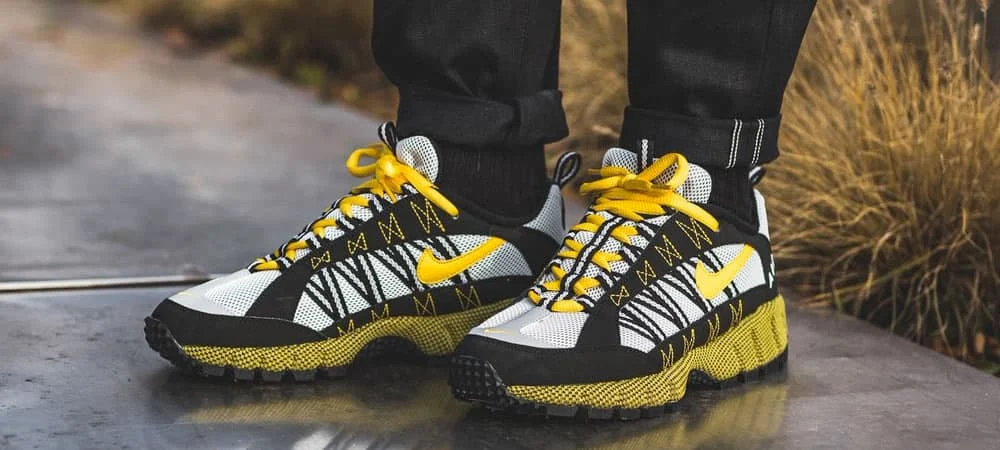
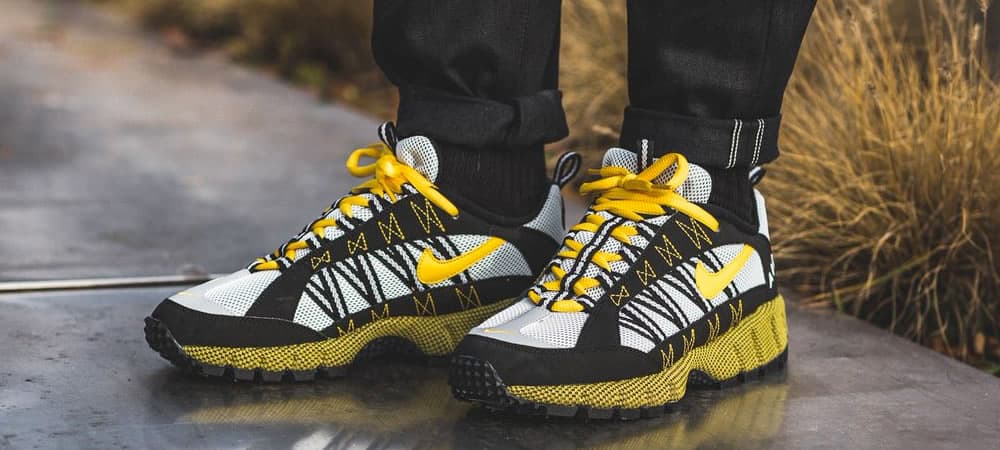
These updated retro runners often feature muted colorways, making them highly versatile and easy to integrate into a variety of outfits. Their classic sporty silhouette lends itself well to casual styling, effortlessly pairing with cuffed selvedge jeans, crew neck sweatshirts, and dad caps for an everyday ensemble. The key to styling them successfully lies in embracing a relaxed and effortless aesthetic.

The integration of new materials, such as advanced cushioning technologies and breathable mesh fabrics, ensures that these retro-inspired shoes offer the comfort and performance expected of modern athletic footwear. This fusion of vintage appeal and cutting-edge technology makes them a compelling choice for those seeking both style and substance. The longevity of this trend is further supported by the constant innovation within the athletic footwear market, where new styles quickly gain traction and cultural significance.
Whiteout Maximalism: Bold, Bright, and Unapologetic
In a decisive shift away from subtle minimalism, the trend of "Whiteout Maximalism" ushers in an era of bold, attention-grabbing footwear. This style is characterized by oversized, often brightly colored sneakers that make a powerful visual statement. It represents a rejection of understated aesthetics in favor of unapologetic maximalism, reminiscent of early 2000s fashion.
Stylist Harriet Byczok, who has worked with numerous A-list celebrities, notes, "The trend for bulky kicks isn’t going anywhere. Some of the wackier colorways can look a bit try-hard, but opting for a box-fresh white pair will allow the shape to do the talking." This advice suggests that while vibrant colors can be striking, a clean white iteration of the maximalist sneaker allows its form and silhouette to be the primary focus, offering a more universally wearable interpretation of the trend.

These "beetle-bruiser" style shoes, as they are colloquially known, possess an inherent edginess that dictates the rest of the outfit. The advice is to pair these statement sneakers with equally bold, contemporary pieces. Cropped trousers and logo hoodies are recommended as complementary items, creating a cohesive and fashion-forward look. The implication is that this style demands a confident and modern approach to dressing, steering clear of more traditional or conservative pairings.
The resurgence of these voluminous sneaker styles reflects a broader cultural embrace of unapologetic self-expression and a departure from restrictive fashion norms. As fashion continues to evolve, the "Whiteout Maximalism" trend serves as a bold declaration of individuality and a celebration of striking design. The emphasis on shape and volume suggests a move towards footwear as a central element of an outfit, rather than a mere accessory.
