
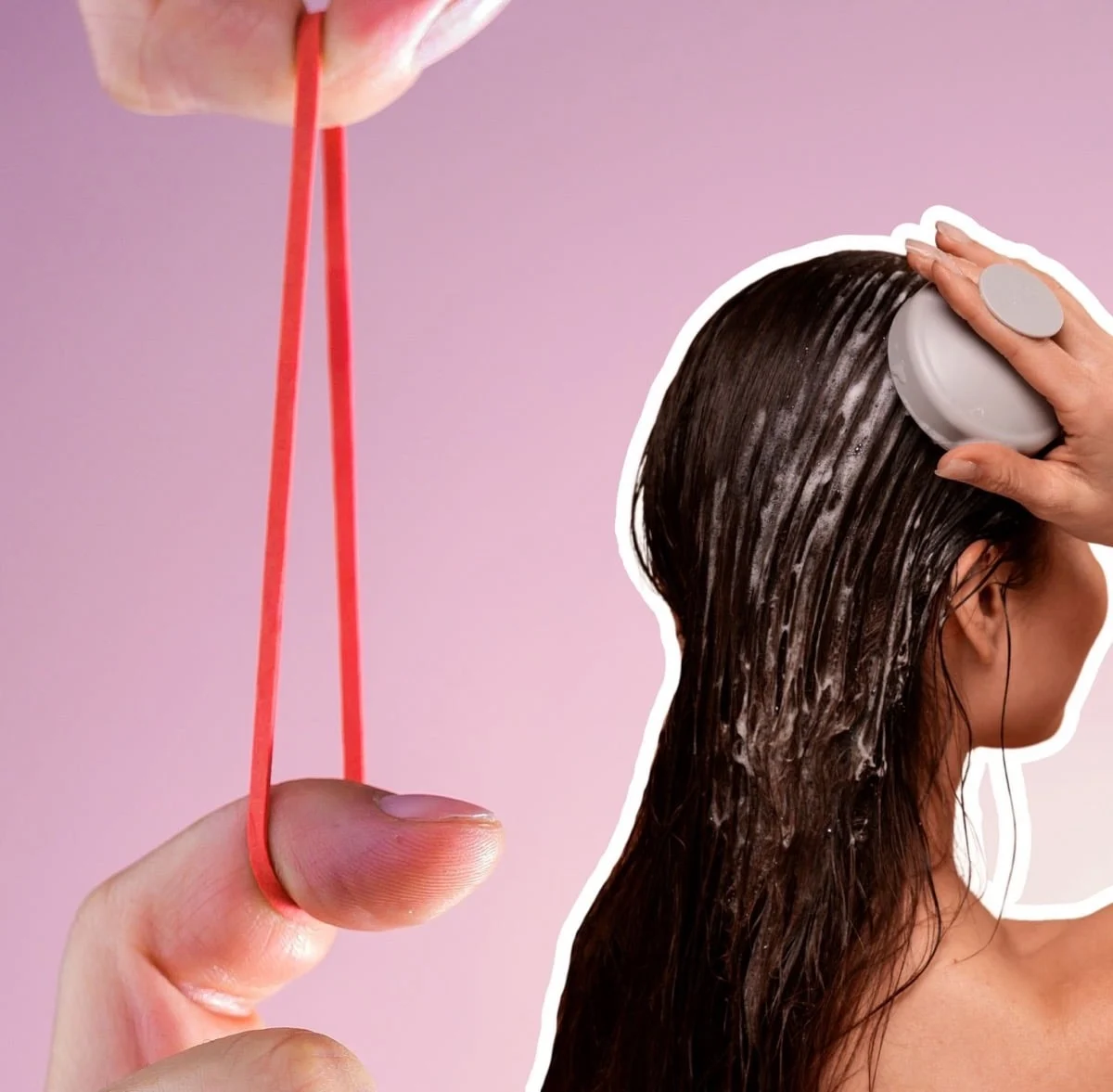
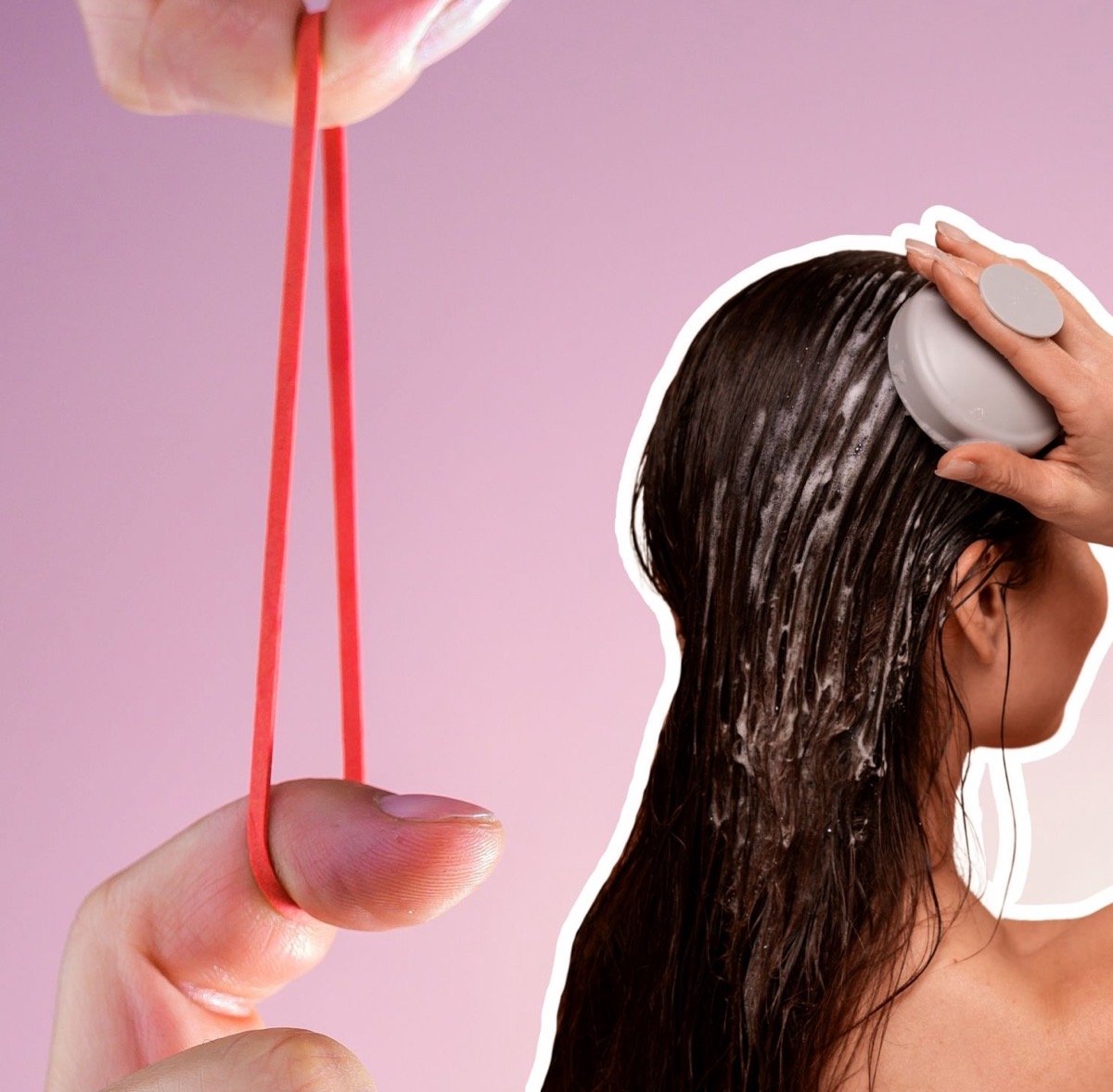
The widespread belief that repeated wetting and drying inherently damages hair, often termed "hygral fatigue," is a persistent myth that lacks robust scientific evidence, according to leading cosmetic scientists and trichologists. This misconception, prevalent in popular hair care discourse and even occasionally referenced in academic papers, has influenced daily hair routines for many, suggesting that frequent washing could lead to weakened strands. However, a closer examination of hair’s molecular structure and water interaction reveals that this concern is largely unfounded.
Understanding the Hair’s Interaction with Water
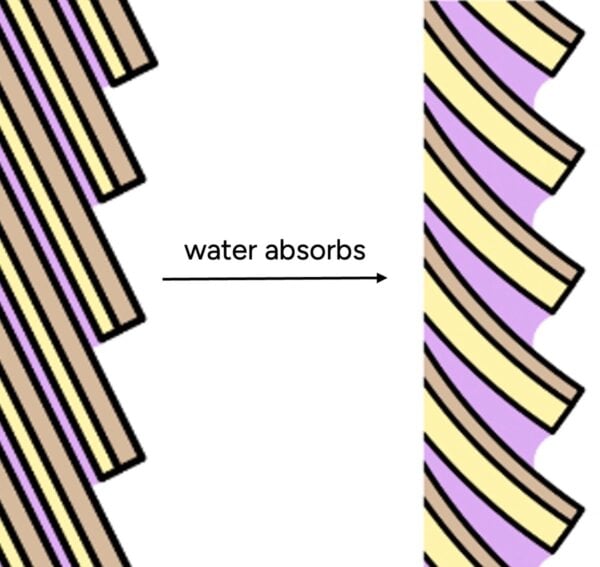
Hair, fundamentally composed of keratin proteins, interacts with water in a dynamic yet reversible manner. The core of this interaction lies in hydrogen bonds, temporary molecular connections that form and break readily. When hair becomes wet, water molecules penetrate the outer cuticle layers and the inner cortex, disrupting existing hydrogen bonds within the keratin structure. This process causes the hair shaft to swell, making it more elastic and pliable. As the hair dries, the water evaporates, and the hydrogen bonds reform, returning the hair to its original dry state. This cycle of swelling and deswelling is a natural part of hair’s interaction with its environment, particularly humidity and washing.
The popular notion of "hygral fatigue" posits that this repeated swelling and deswelling weakens the hair over time, akin to stretching a rubber band until it loses its elasticity or snaps. Proponents of the myth suggest that the constant "stress" on the hair’s structure leads to cumulative damage, manifesting as brittleness, breakage, and dullness. This has often been cited as a reason to limit hair washing frequency, especially for those with fragile or textured hair types.
However, scientific experts, including cosmetic chemist Michelle Wong of Lab Muffin Beauty Science, argue that this analogy is fundamentally flawed when applied to hair. Unlike the permanent chemical bonds broken in a rubber band during stretching, the hydrogen bonds in hair are temporary and readily reform. Wong likens this process to joining and unjoining Lego pieces – the individual components do not wear down or degrade through repeated assembly and disassembly. The electrons and protons involved in hydrogen bonds are incredibly durable, meaning the molecular infrastructure of hair is not "fatigued" by the mere ingress and egress of water molecules.
Debunking the Evidence: The Case of the "Bulges"
While the scientific community generally dismisses "hygral fatigue," a few peer-reviewed studies have been cited as potential support for the concept, though their interpretations are often questioned by other experts. One such study, published in 2011 by Lee et al. in Annals of Dermatology, investigated the effects of different hair drying methods. Researchers compared air drying with blow drying at varying temperatures and distances, observing the structural changes in hair samples.
The study concluded that blow drying at a low temperature caused the least damage. Crucially, the researchers reported seeing "bulges" in the air-dried hair samples, which they attributed to damage caused by prolonged water swelling. This finding was then interpreted by some as evidence that leaving hair wet for extended periods, as occurs during air drying, could be detrimental due to the sustained presence of water.
However, this interpretation has faced significant skepticism. Air drying is a common and generally accepted method for hair care, and if it consistently caused such noticeable structural damage, it would be widely reported across numerous hair studies and clinical observations. The absence of widespread reporting of these "bulges" in other hair research suggests that the observations in the Lee et al. study might be anomalous or attributable to other factors. Experts argue that the bulges could have resulted from pre-existing damage in the specific hair samples used, such as prior chemical treatments or extensive sun exposure, which were not fully controlled or accounted for. Without extensive replication and further investigation, the findings from this single study do not provide conclusive evidence for "hygral fatigue" as a general phenomenon.
The Coconut Oil Conundrum: Sealing Out Water?
Another avenue through which the concept of "hygral fatigue" has gained traction is in studies exploring the protective effects of certain oils, particularly coconut oil. Several papers have proposed that coconut oil could mitigate "hygral fatigue" by forming a barrier that prevents hair from absorbing excessive water. These studies often highlight coconut oil’s ability to penetrate the hair shaft, suggesting it might fill internal voids and thereby reduce water uptake.
Experiments using techniques like dynamic vapor sorption (DVS) have shown that hair treated with coconut oil, when exposed to varying humidities, tends to absorb a smaller percentage of its weight in water compared to untreated hair or hair treated with other oils like mineral or sunflower oil. Researchers interpreted this as coconut oil "blocking" water absorption, thereby protecting the hair from the supposed damage of repeated wetting and drying.
However, this interpretation, too, has been challenged. Hair scientist Trefor Evans points out a potential experimental flaw: when coconut oil is applied to hair, it adds weight to the hair fiber. If the amount of absorbed water is then expressed as a percentage of the total weight (hair + oil), the resulting percentage will naturally appear smaller, even if the absolute amount of water absorbed remains the same. This statistical artifact could lead to an erroneous conclusion about coconut oil’s water-blocking capabilities.
Furthermore, from a structural perspective, it is highly improbable that any topical oil could completely seal the hair shaft against water molecules. The hair’s cuticle layers, often described as overlapping scales, present numerous tiny gaps and edges. Water molecules, being extremely small, can readily penetrate these microscopic openings. The idea of "sealing" hair against water is largely inconsistent with the physical realities of hair structure and molecular interactions. The water content of hair is primarily dictated by the ambient relative humidity, and while products can temporarily influence surface properties, they cannot fundamentally alter this intrinsic relationship.
The True Benefits of Coconut Oil and Proper Hair Care
Despite the debunking of its role in preventing "hygral fatigue," coconut oil is not without benefits for hair health. Its effectiveness lies not in blocking water, but in its ability to act as a lubricant on the hair’s surface, smoothing the cuticle and reducing friction during mechanical processes like combing and brushing. This lubrication helps protect the hair from physical damage, which is a significant contributor to breakage and split ends.
Moreover, some research suggests that coconut oil, due to its molecular structure, can penetrate deeper into the hair cortex than many other oils. Once inside, it may fill gaps within the oily components of the hair’s cell membrane complex – the "mortar" between the "bricks" of keratin cells. By reinforcing this internal structure, coconut oil can help reduce internal cracking and strengthen the hair from within, making it more resilient to mechanical stress. This internal fortification is a distinct mechanism from preventing water absorption and is a genuine benefit.
Beyond the Myth: Real Hair Damage and Prevention
If repeated wetting and drying do not inherently damage hair, what then are the real culprits behind hair damage, particularly when hair is wet? The primary cause of damage to wet hair is mechanical stress. When hair is wet, the cuticle scales are slightly raised, and the hair becomes more elastic and vulnerable to friction. Aggressive actions like rough towel drying, vigorous brushing, or combing with inappropriate tools can snag and break the hair shaft, leading to cuticle damage, split ends, and overall weakening. High heat styling on wet hair can also cause significant damage by rapidly boiling water within the hair shaft.
Key Recommendations for Healthy Hair Care:
- Gentle Handling: Always treat wet hair with extreme care. Use a wide-tooth comb or a wet brush designed for detangling, starting from the ends and working your way up.
- Drying Techniques: Pat hair gently with a soft towel (microfiber towels are excellent) rather than rubbing vigorously. If blow-drying, use a low heat setting and move the dryer constantly to avoid concentrating heat on one area. Air drying is generally safe, but ensuring the hair doesn’t stay wet for excessively long periods (e.g., sleeping with soaking wet hair) can help minimize the potential for fungal growth or prolonged cuticle swelling which, while not damaging in itself, might make the hair slightly more vulnerable to other mechanical stresses if not handled carefully.
- Conditioning: Regular use of conditioners is crucial. Conditioners smooth the cuticle, reduce friction, and provide a protective layer, making hair easier to detangle and less prone to mechanical damage. Ingredients like silicones, often unfairly maligned, are highly effective at providing slip and protection.
- Washing Frequency: The frequency of hair washing should be based on individual needs and lifestyle, not on fear of "hygral fatigue." Washing hair regularly removes dirt, oil, and product buildup, contributing to a healthier scalp and hair environment. For some, this might mean daily washing; for others, a few times a week.
In conclusion, the concept of "hygral fatigue" as inherent damage from repeated wetting and drying is a misconception not supported by current scientific understanding of hair’s molecular behavior. While wet hair is indeed more fragile and susceptible to mechanical damage, the water itself is not the destructive agent. Focus should remain on gentle handling, appropriate drying methods, and consistent conditioning to maintain hair health, rather than on avoiding water out of unsubstantiated fears. Scientific communication continues to play a vital role in dispelling such beauty myths, empowering individuals with evidence-based practices for effective hair care.
