
Polycystic Ovary Syndrome (PCOS) remains one of the most prevalent endocrine disorders among women of reproductive age, affecting approximately 8% to 13% of the global female population. For many, the diagnosis serves as a significant hurdle to natural conception, often characterized by irregular menstrual cycles, ovulatory dysfunction, and hormonal imbalances. However, emerging clinical evidence and nutritional research suggest that a structured approach to diet and lifestyle can significantly mitigate these symptoms, offering a viable pathway to pregnancy for those previously diagnosed with infertility.
In the landscape of reproductive health, PCOS is often identified when patients experience difficulty conceiving. While the diagnosis can be psychologically taxing, medical professionals emphasize that the condition is manageable through targeted interventions. Data from reproductive health organizations indicate that while women with PCOS may take longer to conceive on average, many achieve successful pregnancies through a combination of dietary adjustments, weight management, and micronutrient supplementation.

The Pathophysiology of PCOS and Fertility
To understand how diet impacts fertility in the context of PCOS, it is necessary to examine the underlying hormonal mechanisms. The condition is primarily defined by hyperandrogenism—an excess of "male" hormones such as testosterone—and insulin resistance. These factors create a feedback loop that disrupts the delicate process of folliculogenesis, often preventing the release of a mature egg during the menstrual cycle.
Insulin resistance is a cornerstone of the disorder, occurring in approximately 70% of women with PCOS regardless of their Body Mass Index (BMI). When the body becomes less responsive to insulin, the pancreas compensates by producing higher levels of the hormone. This hyperinsulinemia directly stimulates the ovaries to produce excess testosterone, which in turn inhibits normal ovulation. Consequently, nutritional strategies focused on insulin sensitivity are considered the primary defense against PCOS-related infertility.
Dietary Interventions: Managing Insulin and Testosterone
Clinical nutritionists advocate for a "Low Glycemic Index (GI)" approach to manage the insulin spikes that exacerbate PCOS symptoms. By consuming complex carbohydrates that digest slowly, patients can maintain stable blood glucose levels. This prevents the rapid surge of insulin that triggers androgen production.

The integration of protein with carbohydrate consumption is a critical component of this strategy. Protein slows the absorption of glucose into the bloodstream, further stabilizing the metabolic response. For women attempting to conceive, this hormonal stabilization is often the first step in restoring a regular ovulatory cycle. Experts suggest that focusing on whole foods, fiber-rich vegetables, and lean proteins can create a biological environment more conducive to reproductive health.
The Estrogen Equation: Environmental and Dietary Factors
Estrogen dominance or deficiency is another hallmark of PCOS that complicates the journey to pregnancy. Hormonal balance is frequently disrupted by external factors, including xenoestrogens and dietary hormones. Xenoestrogens are synthetic compounds found in plastics, cosmetics, and industrial chemicals that mimic natural estrogen in the body, potentially leading to endocrine disruption.
Dietary sources of estrogen also play a significant role. There is ongoing clinical debate regarding the impact of phytoestrogens, particularly those found in soy products. Phytoestrogens possess a molecular structure similar to human estrogen and can bind to estrogen receptors. The "lock and key" theory suggests that these plant-based compounds can occupy receptors, preventing the body’s own estrogen from binding, which may lead to an increase in free-circulating estrogen or a decrease in overall production as the body perceives an excess.
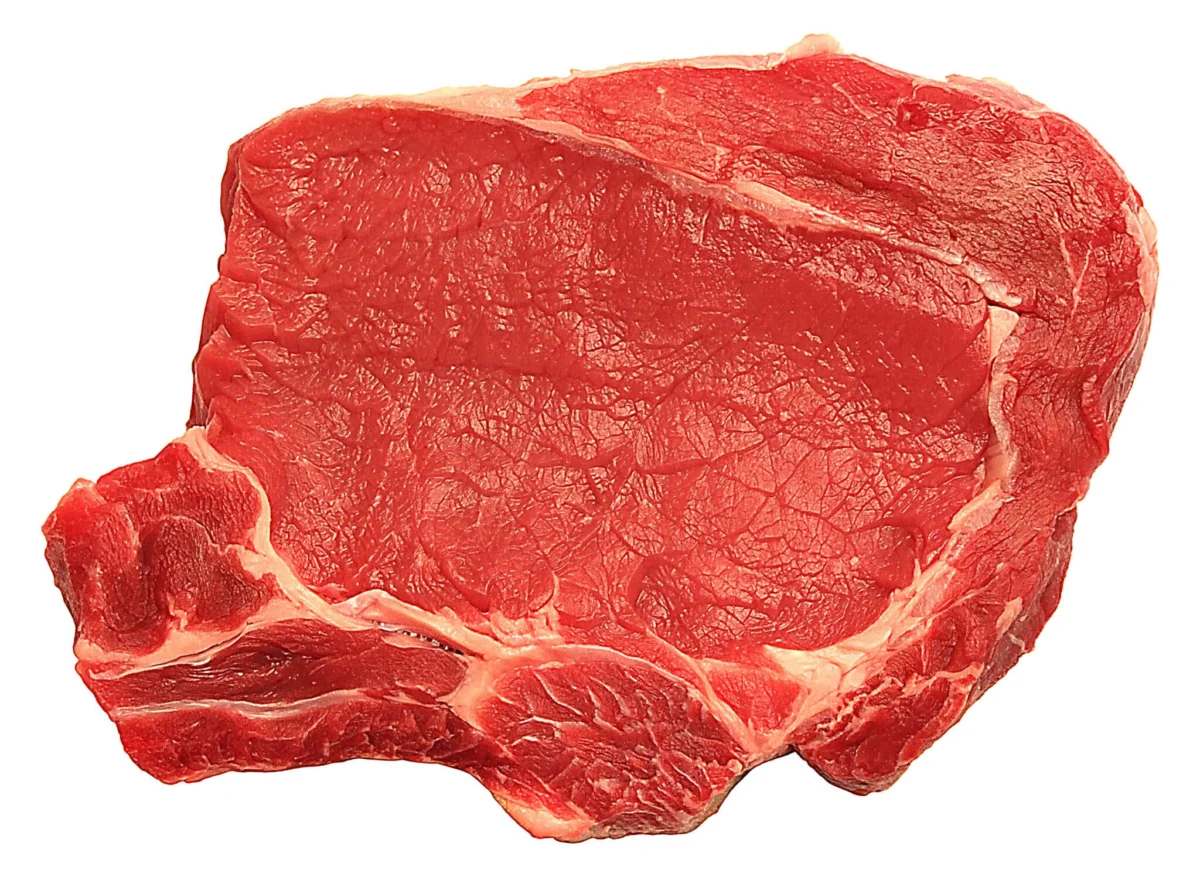
Furthermore, conventional animal products often contain residual hormones used to accelerate growth in livestock. For women with an already disordered endocrine system, the ingestion of these exogenous hormones can further complicate hormonal signaling. Consequently, many health experts recommend a transition to organic, pasture-fed meats to minimize exposure to synthetic hormones and antibiotics, though the higher cost of these products remains a barrier for some patients.
Weight Management as a Clinical Catalyst
Weight loss is frequently cited as a first-line treatment for PCOS-related infertility. Research conducted by the American Society for Reproductive Medicine (ASRM) indicates that even a modest reduction in body weight can yield significant improvements in reproductive outcomes. Clinical data suggests that losing as little as 5% to 10% of total body weight can restore regular menstrual cycles and improve the rate of spontaneous ovulation.
This improvement is largely due to the reduction of adipose tissue, which is metabolically active and can contribute to insulin resistance and estrogen production. While weight loss is notoriously difficult for women with PCOS due to metabolic hurdles, the focus on a high-protein, low-GI diet serves a dual purpose: it manages the hormonal triggers of the condition while facilitating a sustainable caloric deficit.
Micronutrient Optimization and Supplementation
Supplements form a foundational pillar of the PCOS pregnancy plan, addressing specific nutrient deficiencies common in women with the disorder. These deficiencies can impede egg quality, uterine lining development, and overall hormonal synthesis.
Chromium and Insulin Sensitivity
Chromium is a trace mineral that plays a vital role in the metabolism of glucose. It enhances the action of insulin and has been shown to improve insulin sensitivity in women with PCOS. By lowering circulating insulin levels, chromium indirectly reduces testosterone production, thereby improving the chances of regular ovulation. Medical professionals caution that patients already taking insulin-sensitizing medications, such as Metformin, should consult their physicians before beginning chromium supplementation to avoid hypoglycemia.
Vitamin D and Calcium
Vitamin D deficiency is exceptionally common among the PCOS population. This vitamin acts more like a pro-hormone, influencing insulin signaling, follicle maturation, and mood regulation. Studies have demonstrated that the combination of Vitamin D and Calcium supplementation can help regulate the menstrual cycle and increase the number of mature follicles, directly enhancing fertility.
The Role of B-Vitamins
Vitamin B6 is essential for maintaining progesterone levels and regulating blood sugar. A deficiency in B6 can lead to an irregular luteal phase, the second half of the menstrual cycle critical for the implantation of a fertilized egg. Furthermore, Vitamin B9, or Folic Acid, is a non-negotiable requirement for preconception and early pregnancy. It is vital for the development of the neural tube and the prevention of congenital disabilities such as spina bifida. Most practitioners recommend a high-quality B-complex supplement to ensure comprehensive coverage.
Omega-3 Fatty Acids
Omega-3 fatty acids, found in fish oil and certain plant seeds, are essential components of hormone production. Clinical trials have shown that Omega-3 supplementation can significantly lower testosterone levels in women with PCOS. Beyond fertility, these essential fatty acids provide anti-inflammatory benefits, which can alleviate other symptoms of the syndrome, such as acne and hirsutism.
Chronology of Treatment and Expectations
The timeline for improving fertility through diet and lifestyle typically follows a progressive trajectory.

- Diagnosis and Baseline Assessment: Identification of PCOS through ultrasound and blood panels (LH/FSH ratio, testosterone, and fasting insulin).
- Phase One (Weeks 1-8): Implementation of a low-GI diet and the introduction of foundational supplements. During this period, many women report improved energy levels and a reduction in sugar cravings as insulin stabilizes.
- Phase Two (Months 3-6): Weight loss of 5-10% often occurs here. This is the window where many women see the return of regular menstrual cycles and positive ovulation tests.
- Phase Three (Months 6+): Sustained hormonal balance. This is the period where conception rates increase significantly as egg quality improves and the uterine environment becomes more receptive to implantation.
Expert Reactions and Broader Implications
The medical community has increasingly moved toward an "integrative" approach to PCOS. While pharmaceutical interventions like Clomiphene or Letrozole remain common for inducing ovulation, the consensus among reproductive endocrinologists is that these medications are far more effective when supported by a healthy metabolic foundation.
"Managing PCOS is not just about achieving a pregnancy; it is about long-term metabolic health," states the general medical consensus. Women with PCOS are at a higher risk for gestational diabetes, preeclampsia, and Type 2 diabetes later in life. Therefore, the dietary changes made to improve fertility also serve as a preventative measure against future chronic illnesses.
The broader impact of these findings is significant. As more women successfully manage PCOS through nutrition, the reliance on expensive assisted reproductive technologies (ART), such as In Vitro Fertilization (IVF), may decrease for a subset of the population. This shift empowers patients to take control of their reproductive health through accessible, albeit disciplined, lifestyle changes.

In conclusion, the journey to pregnancy with PCOS is often characterized by a need for radical self-education and lifestyle overhaul. By focusing on the scientific link between insulin, testosterone, and nutrition, women can significantly alter their hormonal profile. While the challenges of PCOS are undeniable, the combination of clinical nutrition, targeted supplementation, and weight management provides a robust framework for achieving a healthy pregnancy and ensuring long-term maternal wellness.
