
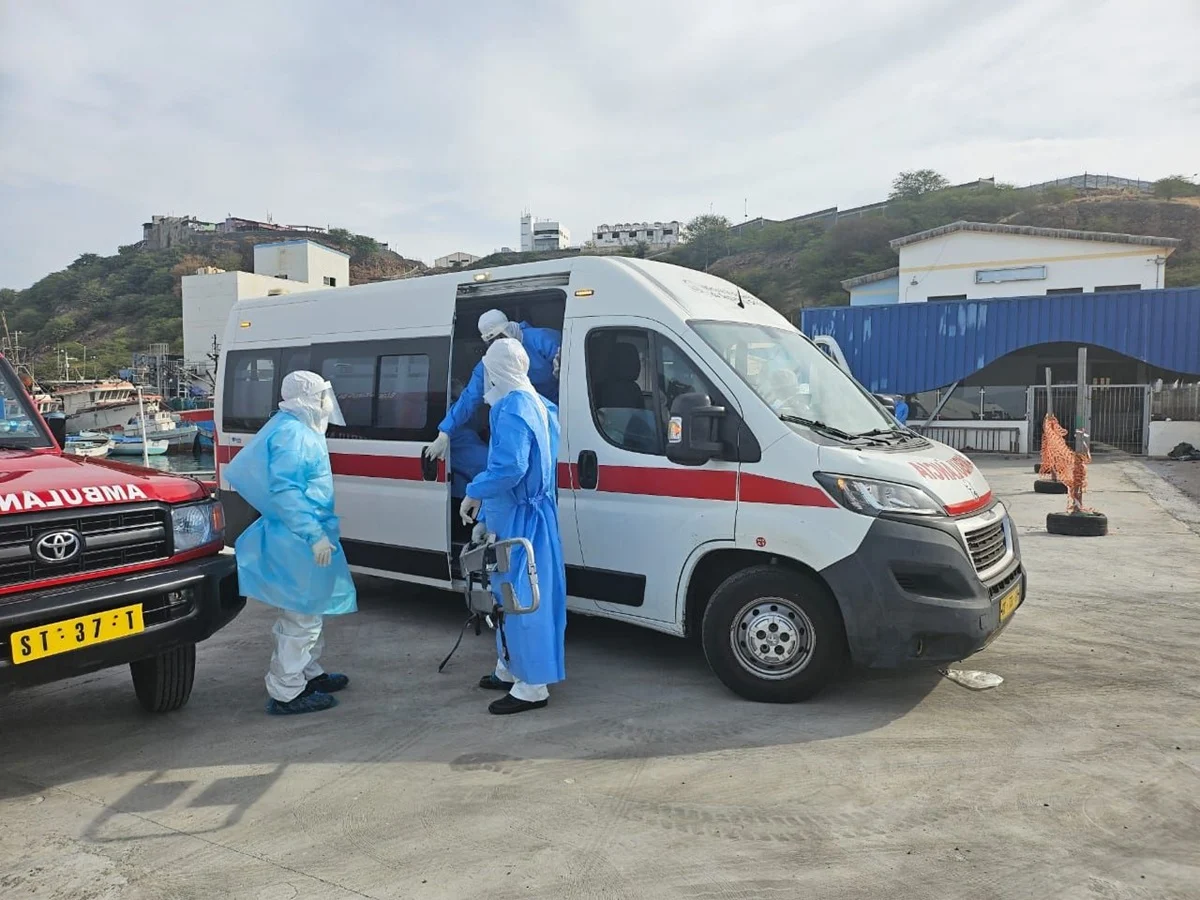
In a formal briefing conducted at the World Health Organization (WHO) headquarters, Director-General Dr. Tedros Adhanom Ghebreyesus alerted the international community to a concentrated cluster of hantavirus cases identified aboard the MV Hondius, a prominent polar expedition cruise vessel. The outbreak, which has already resulted in significant morbidity and three recorded fatalities, has prompted an immediate multi-national response coordinated under the framework of the International Health Regulations (IHR). As of the latest reports, eight individuals have been identified as part of this cluster, with five cases laboratory-confirmed as being caused by the Andes virus (ANDV).
The situation remains dynamic as health officials work to contain the spread of a pathogen known for its high case fatality rate and its unique status among hantaviruses as being capable of human-to-human transmission. While Dr. Tedros characterized the public health risk to the general global population as "low," the localized risk to passengers and crew remains a priority for the organization. The WHO is currently overseeing a complex operation involving diagnostic logistics, expert medical assessments, and the development of safe disembarkation protocols to prevent the virus from moving beyond the confines of the vessel and its immediate contacts.
Understanding the Pathogen: The Andes Virus Strain
The identification of the Andes virus as the causative agent in this cluster is a detail of significant concern for epidemiologists. Hantaviruses are a family of viruses spread mainly by rodents and can cause varied disease syndromes in people worldwide. In the Americas, they are primarily known for causing Hantavirus Pulmonary Syndrome (HPS), a severe and sometimes fatal respiratory disease.
However, the Andes virus, which is endemic to South America—particularly Argentina and Chile—is distinct from other hantavirus strains such as the Sin Nombre virus found in North America. The primary differentiator is the Andes virus’s documented ability to undergo limited person-to-person transmission. While most hantaviruses require the inhalation of aerosolized viral particles from rodent excreta (urine, saliva, or droppings), the Andes virus can be transmitted through close, prolonged contact between humans. This characteristic necessitates more stringent isolation and contact-tracing measures than would typically be required for other zoonotic outbreaks.
Historically, the Andes virus has a case fatality rate (CFR) ranging from 25% to 40%. The current cluster on the MV Hondius, with three deaths among eight suspected cases, reflects a CFR of 37.5%, aligning with historical data regarding the severity of HPS. The incubation period for the virus can be exceptionally long, ranging from one to six weeks, which complicates the identification of the source of infection and the monitoring of potentially exposed individuals.
Chronology of the Outbreak and Immediate Response
The timeline of the current crisis began on Saturday, May 2, 2026, when the WHO was officially notified of a cluster of severe respiratory illnesses among the passengers and crew of the MV Hondius. The vessel, known for its excursions to remote polar regions and the southern tips of South America, was at sea when the first symptoms were reported.
Upon notification, the WHO activated its emergency response protocols under the International Health Regulations. On May 3, preliminary laboratory results from the ship’s medical facilities suggested hantavirus, which was later confirmed as the Andes strain through more sophisticated testing. By May 4, the WHO had initiated the deployment of a specialized medical expert to the ship to lead an on-board assessment.
The Organization’s response has been multifaceted. Recognizing the lack of specialized diagnostic equipment in many regional ports, the WHO facilitated the shipment of 2,500 diagnostic kits from Argentina to laboratories in five surrounding countries. This move is designed to create a "diagnostic safety net," ensuring that any passengers who may have already disembarked or crew members who are relocated can be tested rapidly.
The International Health Regulations and Global Solidarity
Dr. Tedros emphasized that the management of the MV Hondius incident is a textbook example of the necessity of the International Health Regulations. These regulations are a legally binding instrument of international law that requires WHO Member States to report certain diseases and health items to the WHO. The goal is to help the international community prevent and respond to acute public health risks that have the potential to cross borders and threaten people worldwide.
"This event demonstrates why the IHR exist," Dr. Tedros stated during the press conference. "It demonstrates the importance of global cooperation and solidarity in responding to health threats that know no borders."
The coordination involves health ministries from multiple nations, particularly those where the ship has docked or where passengers reside. By utilizing the IHR framework, the WHO ensures that information regarding the health status of the passengers is shared transparently, preventing unilateral and potentially harmful border closures while maintaining rigorous health surveillance.
Medical and Logistics Operations on the MV Hondius
The deployment of a WHO expert to the MV Hondius marks a critical phase in the containment strategy. The expert is tasked with conducting a comprehensive medical audit of all individuals on board. This includes not only those exhibiting symptoms—such as fever, myalgia (muscle aches), and sudden respiratory distress—but also asymptomatic individuals who may be in the incubation phase.
The current priorities, as outlined by the Director-General, are three-fold:
- Clinical Care: Ensuring that the eight identified patients receive high-level supportive care. Since there is no specific vaccine or antiviral treatment for Andes virus HPS, management relies heavily on early intensive care, including mechanical ventilation and oxygen therapy.
- Dignity and Safety: Protecting the remaining passengers and crew. This involves implementing strict hygiene protocols and physical distancing where possible, while ensuring that those on board are not stigmatized and are kept informed of the situation.
- Containment: Preventing the virus from reaching the mainland. The WHO is currently drafting operational guidance for the safe and respectful disembarkation of the vessel. This includes "step-by-step" instructions for health screenings upon arrival and the logistical requirements for onward travel, ensuring that no individual enters a commercial flight or public transport system while potentially infectious.
Supporting Data and Public Health Risk Assessment
Despite the severity of the symptoms and the fatalities recorded, the WHO’s current assessment of the public health risk remains "low" for the general population. This assessment is based on the nature of the Andes virus transmission. Unlike highly contagious respiratory viruses like influenza or SARS-CoV-2, the Andes virus does not spread easily through casual contact or casual proximity in well-ventilated areas. It requires "close and prolonged" contact, often within a household or, in this case, potentially within the shared quarters of a maritime vessel.
Data from previous Andes virus outbreaks, such as the 2018–2019 outbreak in Chubut, Argentina, suggest that while person-to-person transmission is possible, it usually occurs in "superspreading" events or within very tight social circles. In the Chubut event, 34 cases were confirmed, and the outbreak was eventually contained through the use of mandatory "fine-mesh" contact tracing and selective isolation.
The WHO is utilizing this historical data to model the potential trajectory of the MV Hondius cluster. The primary concern remains the incubation period. Because symptoms can take up to 42 days to manifest, the WHO warned that "it’s possible that more cases may be reported" in the coming weeks, even after the ship has been cleared or passengers have been quarantined.
Broader Implications for the Maritime and Tourism Industry
The outbreak on the MV Hondius raises significant questions regarding biosafety protocols in the expedition cruise industry. These vessels often visit remote areas where medical facilities are limited and exposure to local fauna—including the long-tailed pygmy rice rat (Oligoryzomys longicaudatus), the primary reservoir for the Andes virus—is possible during shore excursions.
Industry analysts suggest that this incident may lead to a re-evaluation of rodent control and health screening at ports of call in the Patagonia and Andean regions. Furthermore, it highlights the need for cruise ships to be equipped with more advanced rapid-diagnostic capabilities for regional endemic diseases.
The incident also underscores the vulnerability of the "cruise bubble" concept. While ships are often viewed as isolated environments, the high density of people and the shared infrastructure mean that a single introduction of a pathogen like the Andes virus can lead to a localized crisis. The WHO’s involvement ensures that the response is dictated by science and international law rather than panic, setting a precedent for how future maritime health emergencies should be handled.
As the situation evolves, the WHO has committed to providing regular updates and continues to work with the Argentine government and other regional partners to strengthen laboratory capacities. The focus remains on the safe resolution of the current cluster and the prevention of further transmission as the MV Hondius prepares for its next phase of medical evaluation and eventual disembarkation.
