
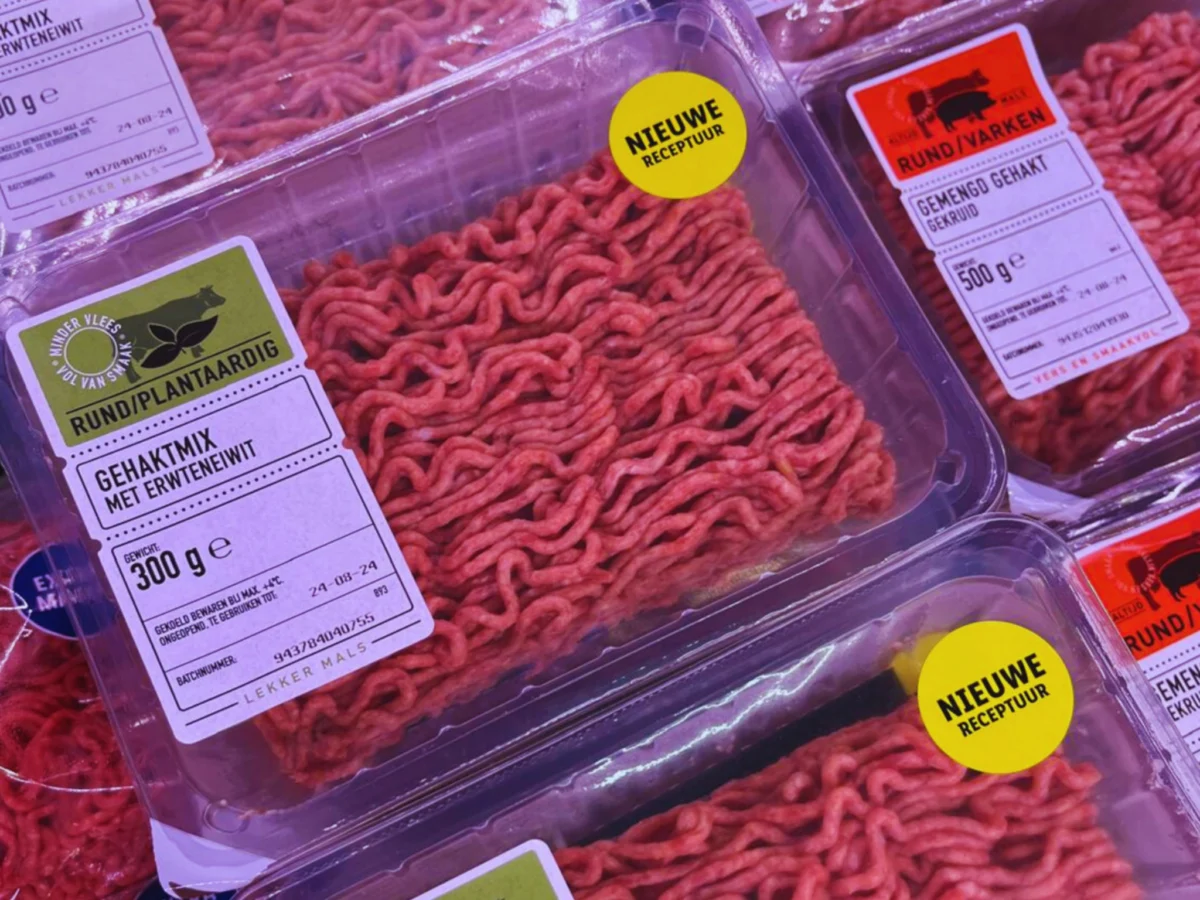
In Europe’s two largest markets for alternative proteins, around three in five consumers are open to buying blended meat if their taste and price meet expectations. Last year, a large survey in the UK and Germany found that half of respondents want to change their diets by either reducing meat intake or eating more plant-based foods. So it should come as no surprise, then, that consumers in these countries – the two biggest regions for alternative proteins in Europe – are open to trying blended meat. These proteins combine meat with alternative proteins, such as plant-based or fermentation-derived options, reducing the climate and health harms associated with conventional meat. A new poll by Meatless, a blended meat subsidiary of German food company Beneo, suggests that around 60% of Brits and Germans would be willing to buy these "balanced protein" products, if they tasted good and were offered at an acceptable price point. "As one of the first suppliers to focus on hybrid solutions, Meatless has long believed in the power of combining meat and plants," said Niels E Hower, managing director of Meatless. "Our survey confirms that this pragmatic approach of reducing meat by maintaining great taste is key."
The Rise of Blended Proteins: A Pragmatic Approach to Dietary Change
The increasing interest in blended meat products, which ingeniously combine conventional animal protein with plant-based or fermentation-derived alternatives, signals a significant shift in consumer preferences across Europe. This trend is particularly pronounced in the United Kingdom and Germany, identified as the continent’s leading markets for alternative proteins. A recent comprehensive survey conducted by Meatless, a subsidiary of the German food giant Beneo, has illuminated the considerable consumer appetite for these "balanced protein" offerings. The poll, which surveyed 3,500 consumers across the UK, Germany, and the Netherlands, revealed that approximately 60% of respondents in the UK and Germany expressed a willingness to purchase blended meat products, provided they meet stringent criteria for taste and affordability.
This burgeoning acceptance is underpinned by a broader societal movement towards dietary change. Findings from a large-scale survey conducted last year indicated that a significant half of consumers in both the UK and Germany aspire to modify their eating habits, either by consciously reducing their meat consumption or by increasing their intake of plant-based foods. This collective desire for dietary evolution creates fertile ground for innovative protein solutions like blended meat, which offer a bridge between traditional meat consumption and more sustainable, health-conscious eating patterns.
Niels E Hower, Managing Director of Meatless, articulated the company’s long-held conviction in this hybrid approach. "As one of the first suppliers to focus on hybrid solutions, Meatless has long believed in the power of combining meat and plants," Hower stated. "Our survey confirms that this pragmatic approach of reducing meat by maintaining great taste is key." This sentiment highlights a crucial aspect of blended meat’s appeal: its ability to offer familiar sensory experiences while incorporating more sustainable and potentially healthier components.
Consumer Drivers: Taste, Price, and Familiarity Reign Supreme
The Meatless poll delved deeper into the specific factors influencing consumer purchase intent for blended meat. A key takeaway is that the positive perception of the traditional meat component plays a more significant role in driving initial interest than the inclusion of plant-based ingredients. This suggests that consumers are drawn to the inherent qualities of meat – its flavour, texture, and cultural significance – and view the integration of alternative proteins as a way to enhance these attributes or mitigate their perceived drawbacks.
For blended meat products to achieve widespread adoption, several fundamental requirements must be met. Realistic taste and texture are paramount, forming the bedrock of consumer acceptance. Beyond these core sensory attributes, factors such as high quality, credible meat certifications, and the availability of premium cuts also emerge as strong motivators for consumers. These elements signal to shoppers that blended meat products are not a compromise but a refined alternative that upholds the standards they expect from their protein sources.
In Germany, specific messaging around product composition also holds considerable sway. Claims such as "additive- or preservative-free" rank among the most important drivers for consumers considering blended meat. This indicates a strong preference for clean-label products and transparency regarding ingredients. Consequently, clear communication about meat quality and the absence of artificial additives are crucial strategies for food manufacturers aiming to capture the German market. Furthermore, considerations around animal welfare and the origin of ingredients are also significant factors in consumer decision-making within Germany.
Across the Atlantic, in the UK, nutritional aspects are particularly influential. The descriptor "high-protein" emerged as a leading statement driving purchase intent, especially among Gen Z and millennial demographics, for whom it was the most compelling factor. This underscores the importance of health-forward marketing and clear communication about the protein content and overall nutritional profile of blended meat products. Highlighting these benefits is essential to resonate with health-conscious consumers and drive consumption in the UK market.
Product Formats: Sausages Lead the Pack
When it comes to the preferred formats for blended meat, sausages emerge as the clear frontrunner in both the UK and Germany. In the UK, nearly half of respondents expressed a preference for blended meat in sausage form, followed by minced meat (33%) and burgers (15%). This trend is mirrored in Germany, where 52% of consumers favour sausages, with minced meat (27%) and burgers (11%) trailing behind. This preference for sausages suggests that consumers are most receptive to blended proteins in familiar and versatile applications that are staples in everyday cooking.
The survey also highlighted a significant proportion of consumers identifying as flexitarian in both countries – approximately 40% in the UK and around 50% in Germany. This demographic, which actively seeks to reduce meat consumption without entirely eliminating it, represents a prime target audience for blended meat products. Notably, when presented with a choice between 100% meat and blended protein options, a substantial number of British consumers opted for the latter across all tested formats. Similarly, German consumers leaned towards blended proteins in nearly every format, further reinforcing the market’s receptiveness to these hybrid products.

Economic Tailwinds: The Impact of Rising Meat Prices
The growing interest in blended meat is further amplified by the increasing cost of conventional animal protein. Since 2020, the average price of meat in British supermarkets has escalated at a rate more than six times faster than that of shelf-stable beans. This significant price disparity has contributed to a notable decline in retail volumes of fresh meat, falling by 40 tonnes below pre-pandemic levels.
A similar economic dynamic is unfolding in Germany, where meat prices have surged at a rate more than three times faster than plant-based protein alternatives. This price differential has made vegan options more affordable than processed meat for many German consumers. Consequently, plant-based shopping baskets are now, on average, more economical across most German supermarkets.
This economic pressure on traditional meat is a powerful catalyst for the adoption of blended proteins. Meatless, recognizing the cost-saving potential of blended meat, has developed a sophisticated cost calculator for manufacturers. This tool allows businesses to meticulously compare existing product formulations with blended alternatives, analyzing potential savings in terms of cost, carbon footprint, saturated fat content, and energy consumption. By quantifying these benefits, Meatless aims to accelerate the transition towards more sustainable and economically viable protein solutions.
Market Expansion and Retailer Involvement
The trend towards blended meat is not confined to consumer perception; it is actively being embraced by the retail sector across Europe. Several major retailers have begun launching their own private-label products that combine animal and plant proteins, making these innovative options more accessible to a wider consumer base.
The Netherlands is at the forefront of this market shift, with blended proteins in that country being approximately 4.4% cheaper than conventional meat and dairy products. This significant price advantage is likely contributing to its pioneering role. German supermarkets have also demonstrated a strong engagement with the blended meat category, further indicating its growing prominence in the European food landscape.
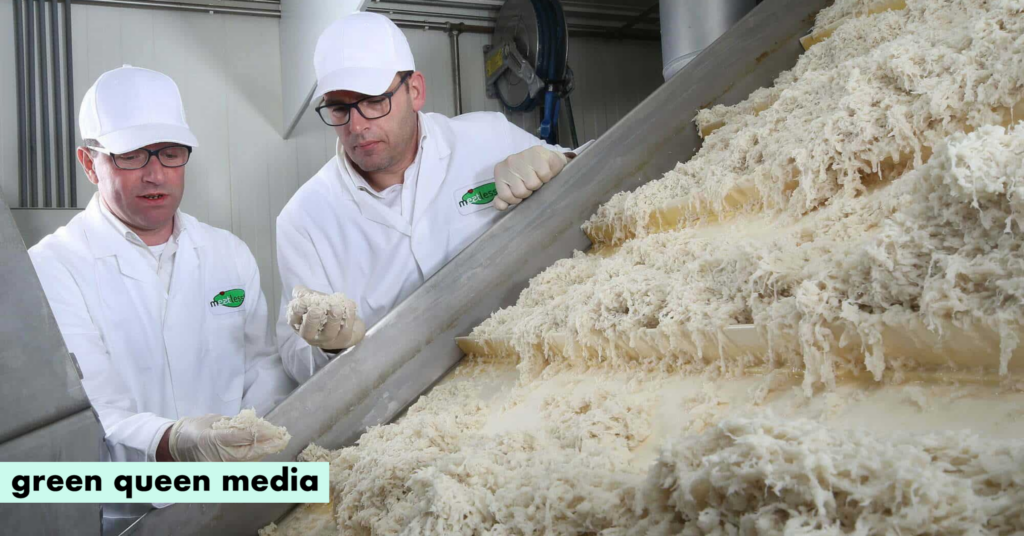
Meatless, which was acquired by Beneo in 2022, plays a crucial role in this ecosystem. The company specializes in producing texturates derived from ingredients such as fava beans, rice, and mycoprotein. These texturates are then supplied to manufacturers, enabling them to develop blended meat products that deliver a familiar meaty flavour while offering enhanced juiciness and improved nutritional profiles. The ingredients developed by Meatless are reported to reduce associated costs by over 15% and emissions by an impressive 90%, presenting a compelling value proposition for both producers and consumers.
"We are supporting our customers in creating products that fit seamlessly into everyday eating habits and are confident that hybrid will establish itself as a concept that is here to stay, helping to overcome sustainability and availability challenges of the meat category," a spokesperson from Meatless stated, emphasizing the long-term potential and strategic importance of blended proteins in addressing global food system challenges.
Broader Implications and Future Outlook
The increasing consumer acceptance and market growth of blended meat have significant implications for the future of food. It represents a pragmatic pathway towards achieving broader sustainability goals within the food industry. By reducing reliance on conventional meat production, blended proteins can contribute to lower greenhouse gas emissions, reduced land and water usage, and a decreased impact on biodiversity.
Furthermore, the focus on nutritional enhancement and the potential for cleaner ingredient profiles align with growing consumer demand for healthier food options. The ability to create products that are both palatable and nutritionally superior offers a compelling advantage in a competitive market.
The success of blended meat also underscores the importance of innovation and adaptability within the food sector. Companies that can effectively respond to evolving consumer preferences and market dynamics, while simultaneously addressing environmental and health concerns, are poised for sustained growth. The collaborative efforts between ingredient suppliers like Meatless, food manufacturers, and retailers will be instrumental in shaping the future of protein consumption in Europe and beyond. As the economic pressures on traditional meat continue to mount and consumer awareness of sustainable alternatives grows, blended meat is likely to solidify its position as a mainstream and influential category in the global food market.
