
The year 2022 marked a pivotal period for discussions surrounding food and nutrition, culminating in significant policy initiatives and ongoing dialogues about public health. At the forefront of these conversations was the White House Conference on Hunger, Nutrition, and Health, an event of profound historical significance, being the first of its kind since 1969. This landmark conference spurred the development of a comprehensive national strategy, aiming to eradicate hunger and significantly elevate levels of healthy eating and physical activity by the year 2030. While this ambitious plan introduces numerous promising avenues, such as enhancing nutrition assistance programs and potentially integrating medically tailored meals into Medicare coverage, experts from Harvard’s Department of Nutrition have also highlighted critical omissions. These include the urgent need to shield children from the pervasive influence of unhealthy food marketing and the imperative to reform the global food system in light of escalating climate change concerns. As Drs. Frank Hu, Walter Willett, and Lilian Cheung articulated in their reflection, "To have a significant impact, the administration must bring together the public and private sectors, along with philanthropists, academia, and individuals to develop truly sustainable food systems that support both public and planetary health."
This sentiment underscores the complex and multifaceted challenge of creating a food environment that not only ensures sufficient sustenance for current and future populations but also makes the healthiest dietary choices both accessible and economically viable for everyone. In the interim, the pursuit of well-being continues, with an emphasis on incremental yet impactful changes that individuals can integrate into their daily lives. This ongoing commitment to fostering healthier habits is reflected in the release of comprehensive guides and resources designed to empower individuals and communities.
The White House Conference on Hunger, Nutrition, and Health: A Historical Revisit and Modern Strategy
The White House Conference on Hunger, Nutrition, and Health convened in September 2022, marking a significant moment in the nation’s ongoing efforts to address food insecurity and improve public health. The conference’s preceding discussions and subsequent national strategy represent a renewed commitment to tackling deeply entrenched issues that affect millions of Americans. The original 1969 White House Conference on Food, Nutrition, and Health is credited with catalyzing significant legislative action, including the expansion of food stamp programs and the establishment of the Special Supplemental Nutrition Program for Women, Infants, and Children (WIC). The 2022 iteration sought to build upon this legacy by identifying contemporary challenges and proposing forward-thinking solutions.
The Biden-Harris Administration’s National Strategy on Hunger, Nutrition, and Health, released in conjunction with the conference, outlines five pillars: improving nutrition for Americans to prevent chronic disease, increasing physical activity, enhancing food security, promoting equity, and accelerating research. Key proposals within the strategy include:
- Expanding access to nutrition assistance: This involves strengthening programs like SNAP (Supplemental Nutrition Assistance Program) and WIC, aiming to increase benefit adequacy and reach more eligible individuals and families.
- Promoting medically tailored meals: The strategy explores pathways to cover medically tailored meals under Medicare, recognizing the critical role of diet in managing chronic health conditions. This could represent a significant shift in how healthcare systems approach nutrition as a therapeutic intervention.
- Addressing food insecurity: Efforts are underway to reduce food insecurity by supporting community-based initiatives and improving the efficiency of food distribution networks.
- Encouraging healthy eating and physical activity: The strategy calls for increased access to healthy foods in underserved communities and promotion of physical activity programs.
Expert Perspectives and Noteworthy Omissions
While the national strategy has been lauded for its comprehensive approach and ambitious goals, it has also drawn constructive criticism from public health experts. The Harvard Department of Nutrition’s analysis highlighted several areas where the strategy could be further strengthened.
One significant omission identified is the lack of robust measures to protect children from the pervasive marketing of unhealthy foods. The proliferation of advertising for high-sugar, high-fat, and high-sodium products, particularly through digital media and in proximity to schools, is a major contributor to childhood obesity and the development of poor eating habits at an early age. Experts advocate for stricter regulations on food marketing targeted at children, similar to those in place in other developed nations.
Furthermore, the strategy’s engagement with the food system’s role in climate change was noted as an area requiring deeper integration. The production, transportation, and consumption of food have significant environmental footprints, contributing to greenhouse gas emissions, deforestation, and water pollution. A truly sustainable food system, as emphasized by Drs. Hu, Willett, and Cheung, must address these interconnected issues of public and planetary health. This involves promoting sustainable agricultural practices, reducing food waste, and encouraging diets that are both healthy and environmentally responsible.
The call for collaboration across sectors—public, private, philanthropic, academic, and individual—is crucial. Such a multi-stakeholder approach is essential for developing and implementing transformative solutions that can create lasting change.
Data and Evidence Supporting the Need for Action
The urgency of addressing hunger, nutrition, and health is underscored by compelling data:
- Food Insecurity: In 2021, an estimated 33 million people, including 9 million children, lived in food-insecure households in the United States, according to the USDA. This highlights the persistent challenge of ensuring everyone has consistent access to adequate food.
- Chronic Diseases: Diet-related chronic diseases, such as obesity, type 2 diabetes, heart disease, and certain cancers, remain leading causes of death and disability in the U.S. The Centers for Disease Control and Prevention (CDC) reports that obesity affects approximately 42% of American adults. Poor dietary patterns are a significant risk factor for these conditions.
- Childhood Obesity: The prevalence of childhood obesity has reached epidemic proportions. Data from the CDC indicates that approximately 19.7% of children and adolescents aged 2-19 years are obese. This trend has long-term implications for individual health and healthcare costs.
- Health Disparities: Food insecurity and diet-related diseases disproportionately affect certain demographic groups, particularly low-income communities and communities of color, exacerbating existing health inequities.
These statistics paint a clear picture of the widespread impact of nutrition-related issues and the critical need for effective, evidence-based interventions.
The Role of Accessible Resources: The Healthy Living Guide
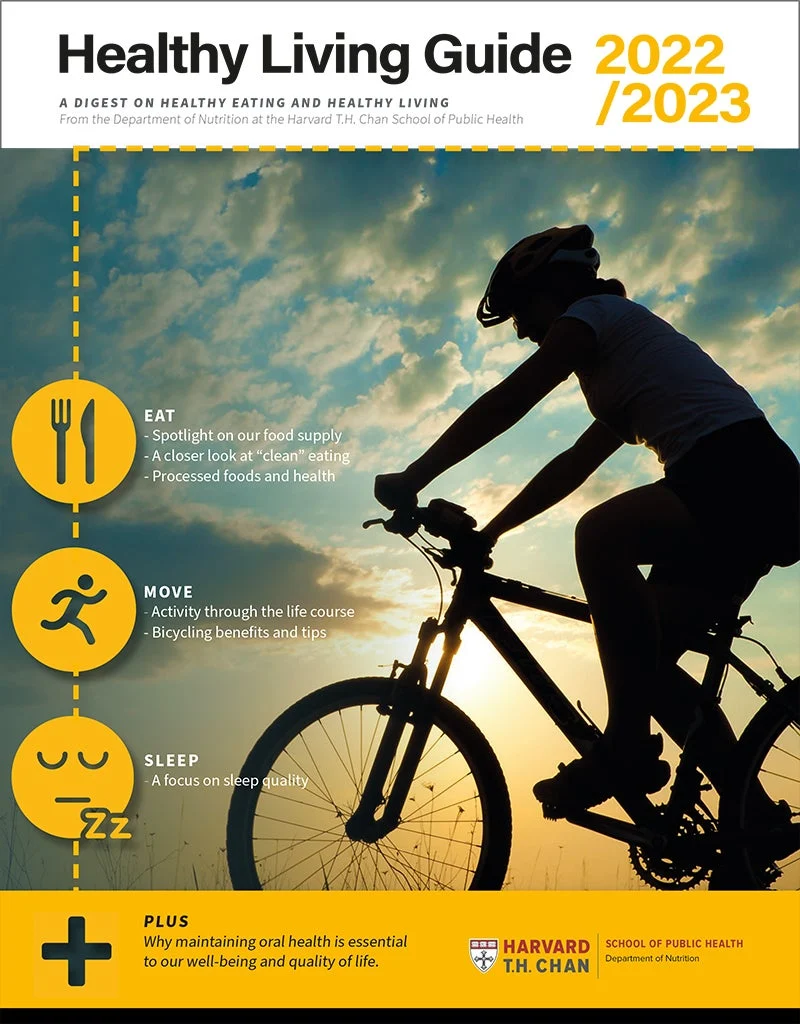
In parallel with policy-level initiatives, the dissemination of practical, accessible information plays a vital role in empowering individuals to make healthier choices. The "Healthy Living Guide," a publication from Harvard’s Department of Nutrition, serves as a valuable resource in this regard. These guides typically offer actionable advice, summaries of key research, and practical tips for incorporating healthy eating and physical activity into daily routines.
The latest edition, covering 2022-2023, builds upon previous iterations, providing readers with updated information and tools. Such resources are particularly important for individuals who may lack access to formal nutritional counseling or who are seeking to supplement existing health information. The inclusion of printable tip sheets and summaries makes the information more digestible and easier to implement.
The "Healthy Living Guide" often features content derived from extensive research conducted by leading nutrition scientists, translating complex scientific findings into understandable guidance. This approach democratizes access to credible health information, enabling a broader audience to benefit from the latest understanding of nutrition and well-being.
A Timeline of Progress and Ongoing Challenges
The journey towards a healthier food system and population has been marked by several key milestones:
- 1969: The first White House Conference on Food, Nutrition, and Health is held, leading to significant policy changes.
- Ongoing: Numerous dietary guidelines and public health campaigns are launched by government agencies and non-profit organizations.
- 2010: The Affordable Care Act includes provisions aimed at improving nutrition labeling and promoting healthier food environments.
- 2015: The Dietary Guidelines for Americans are updated, emphasizing a shift towards more plant-based diets and reduced intake of added sugars and saturated fats.
- 2022 (September): The White House Conference on Hunger, Nutrition, and Health convenes, resulting in the release of a new national strategy.
- 2022-2023: The publication of resources like the "Healthy Living Guide" aims to translate policy goals into individual action.
Despite these efforts, significant challenges persist. The food industry’s powerful influence, economic disparities that limit access to healthy foods, and deeply ingrained dietary habits all present substantial hurdles. Furthermore, the evolving landscape of food production, including the impacts of climate change and emerging technologies, requires continuous adaptation and innovation in policy and practice.
Broader Implications for Public and Planetary Health
The intertwined nature of food, health, and the environment means that advancements in nutrition policy and practice have far-reaching implications. A national strategy that effectively tackles hunger and promotes healthy eating can lead to:
- Reduced Healthcare Costs: By preventing and managing diet-related chronic diseases, societies can significantly lower healthcare expenditures.
- Improved Economic Productivity: A healthier population is a more productive workforce, contributing to economic growth.
- Enhanced Social Equity: Ensuring equitable access to nutritious food and promoting healthy lifestyles can help close health disparities.
- Environmental Sustainability: A shift towards sustainable food systems can mitigate the environmental impact of food production, contributing to climate change resilience.
The commitment to developing truly sustainable food systems, as advocated by Harvard nutrition experts, is not merely an environmental concern but a fundamental requirement for ensuring the long-term health and well-being of both people and the planet. The dialogue initiated by the White House Conference, coupled with the practical guidance offered by resources like the "Healthy Living Guide," represents a crucial step in this ongoing and vital endeavor. The year 2023, therefore, stands as a period where the translation of ambitious strategies into tangible, everyday actions will be paramount.
