
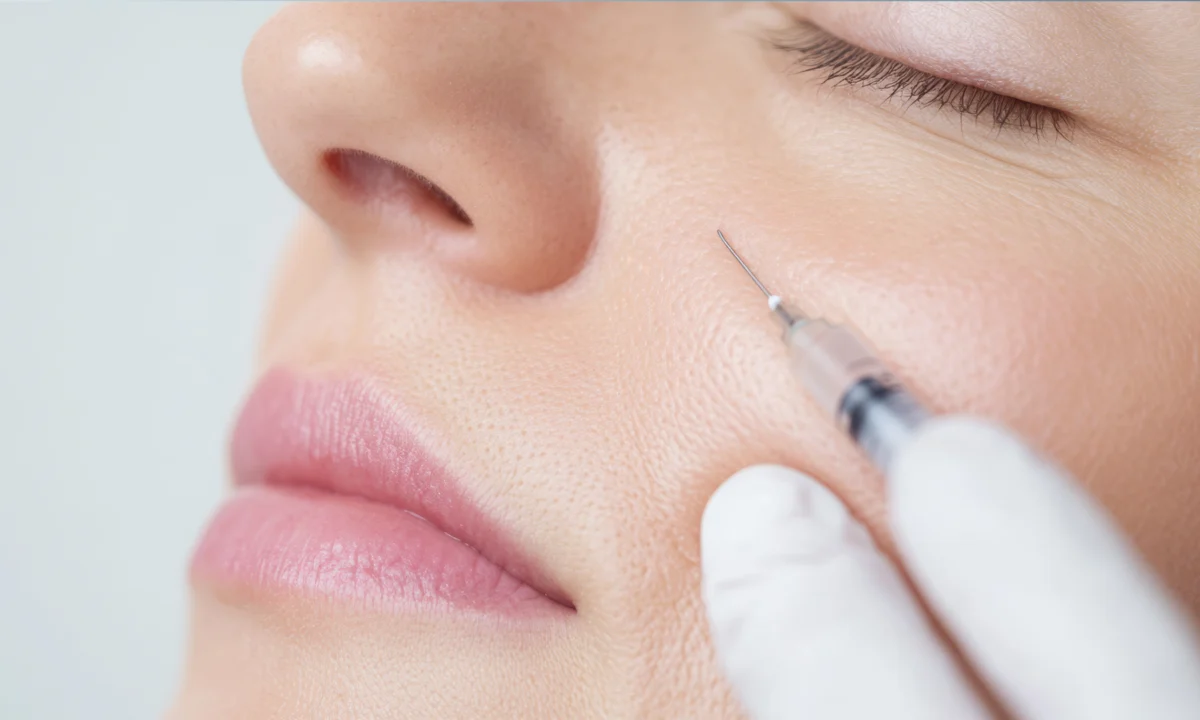
The aesthetic industry is witnessing a significant demographic pivot as younger generations increasingly integrate clinical treatments into their long-term wellness routines, according to the latest annual skin quality report released by Teoxane. The comprehensive study, titled Gen Z Comes of Age in Aesthetics, provides a detailed examination of the evolving UK market, revealing that the appetite for non-surgical interventions is no longer confined to older demographics seeking to reverse the signs of aging. Conducted by Norstat, an independent European data collection agency, the research surveyed 2,500 participants across the United Kingdom to gauge shifting attitudes, motivations, and consumption patterns within the medical aesthetics sector. The findings underscore a transformative period for the industry, characterized by a notable rise in treatment uptake among millennials and a burgeoning curiosity among Generation Z, who increasingly view aesthetic procedures through the lens of preventative healthcare and skin quality enhancement.
Primary Findings and Demographic Shifts in the UK Market
The data presented in the Teoxane report indicates a rapid acceleration in the adoption of aesthetic treatments over a remarkably short period. Since January 2025, general treatment uptake among the millennial cohort—typically defined as those born between 1981 and 1996—has climbed from 23% to 30%. This 7% increase in less than a year suggests that the "tweakment" culture has moved beyond early adopters and into the mainstream of millennial self-care. However, the most striking revelations involve Generation Z, specifically those aged 18 to 25. Interest in dermal fillers within this younger bracket has surged from 30% to 49%, representing a near-majority interest level in a demographic that was previously considered a peripheral market for injectable treatments.
The report further clarifies the scale of this engagement by noting that 70% of all individuals who expressed a likelihood of considering future aesthetic treatments fall within the 18-25 age range. This indicates that the future pipeline of the aesthetics industry is heavily weighted toward the youngest legal consumers. Current participation rates are also higher than historical averages; the study found that 28% of individuals aged 18-34 have already undergone at least one dermal filler procedure. This high penetration rate among young adults reflects a broader cultural shift where aesthetic interventions are normalized alongside traditional skincare and dermatological consultations.
Chronology of Aesthetic Evolution: From Correction to Prevention
To understand the context of the Gen Z Comes of Age in Aesthetics report, it is necessary to examine the chronological shift in the UK’s aesthetic landscape over the last decade. Historically, the dermal filler market was dominated by "corrective" procedures—restoring lost volume in the cheeks or filling deep nasolabial folds for patients in their 40s, 50s, and 60s. The mid-2010s saw the rise of the "beautification" era, driven largely by social media trends, where younger patients sought to alter facial contours, such as lip augmentations and jawline sculpting.
By the early 2020s, a new phase emerged, often referred to by industry experts as "prejuvenation." This trend involved the use of low-dose neurotoxins and light dermal fillers to prevent the formation of static wrinkles. The 2025 Teoxane report suggests the industry has now entered a fourth phase: the "Skin Quality" era. In this current stage, the primary objective has shifted from changing the shape of the face to optimizing the health and appearance of the skin itself. This evolution explains why the 18-25 demographic is entering the market with such intensity; they are not necessarily looking to look older or significantly different, but rather to maintain a perceived "ideal" skin state indefinitely.
The Motivation Pivot: Skin Quality as the New Gold Standard
A central theme of the Teoxane report is the changing motivation behind seeking professional aesthetic help. While volume replacement was once the primary driver for filler treatments, the current data shows that 35% of all respondents now cite improvements in radiance and texture as their primary reason for seeking treatment. This motivation is even more pronounced among younger patients, rising to 47% among the 18-25-year-old group.
This shift toward "skin quality" represents a move away from the "frozen" or "overfilled" aesthetics of previous years. Instead, patients are looking for treatments that offer hydration from within. Teoxane, a company known for its focus on Resilient Hyaluronic Acid (RHA), has positioned its products to meet this demand, emphasizing the ability of fillers to move naturally with the face while improving the skin’s light-reflecting properties. The report identifies that younger audiences increasingly view these treatments as "lifelong skin health management." This terminology is significant as it aligns aesthetics with dentistry or high-end fitness—a recurring maintenance requirement rather than a one-off luxury or a corrective necessity.
Supporting Data and Market Analysis
The surge in interest among Gen Z is supported by broader economic and digital data. The UK aesthetics market is currently estimated to be worth over £3 billion, with non-surgical treatments accounting for approximately 75% of that value. The Teoxane report’s finding that 49% of Gen Z is interested in fillers aligns with the "Zoom Effect" and the "Selfie Culture," where constant exposure to high-definition imagery has increased individual awareness of skin texture and minor imperfections.
Furthermore, the data regarding the 18-34 demographic—where 28% have already had fillers—suggests that the barrier to entry has lowered significantly. This is likely due to several factors:
- Increased Accessibility: The proliferation of aesthetic clinics across high streets and medical hubs.
- Information Transparency: The wealth of educational content available on platforms like TikTok and Instagram, where practitioners "demystify" the procedure.
- Product Innovation: The development of "skin boosters" and lighter fillers that offer subtle results without the commitment of traditional structural fillers.
Analysis of the 70% figure—representing those aged 18-25 likely to consider future treatments—suggests a high "lifetime value" for aesthetic brands. If patients begin their journey in their early 20s with a focus on skin quality, they are likely to remain within the aesthetic ecosystem for decades, transitioning through different treatment modalities as they age.
Official Responses and Professional Perspectives
While the Teoxane report highlights growth and interest, it also prompts a discussion on the responsibilities of practitioners and manufacturers. Industry analysts suggest that the rise in Gen Z interest necessitates a higher standard of psychological screening and ethical consultation. Inferred reactions from medical bodies, such as the British College of Aesthetic Medicine (BCAM) and the Joint Council for Cosmetic Practitioners (JCCP), emphasize that while the trend toward "skin health" is positive, the young age of the participants requires a cautious approach.
Practitioners have noted that the "lifelong skin health management" mindset mentioned in the report is a double-edged sword. On one hand, it encourages patients to take better care of their skin through sun protection and professional guidance. On the other hand, it may lead to "filler fatigue" or over-treatment if not managed by a qualified medical professional. The consensus among ethical practitioners is that the focus should remain on "less is more," particularly for the 18-25 demographic whose skin is still naturally rich in collagen and elastin.
Teoxane’s decision to commission this report via Norstat reflects a strategic move to lead the conversation on skin quality. By highlighting that nearly half of Gen Z is interested in their sector, the company is signaling to the wider medical community that the future of aesthetics lies in biostimulation and hydration rather than just structural augmentation.
Broader Impact and Industry Implications
The implications of the Gen Z Comes of Age in Aesthetics report are far-reaching. For the manufacturing sector, it signals a need for continued R&D in products that can improve skin texture without adding unwanted volume. For clinics, it suggests a need to rebrand services from "anti-aging" to "skin optimization" to better resonate with the 18-34 demographic.
The report also touches upon the "democratization" of aesthetics. With 30% of millennials now engaging in treatments, aesthetics is moving toward being a standard component of the grooming routine, similar to professional hair care or orthodontics. This mainstreaming of the industry is likely to drive further regulation in the UK, as the government continues to move toward a licensing scheme for non-surgical cosmetic procedures to ensure the safety of this growing and increasingly younger patient base.
Ultimately, the Teoxane report confirms that the aesthetic industry is undergoing a generational handover. As Gen Z enters the market with a focus on "radiance," "texture," and "lifelong management," the industry must adapt its messaging and clinical practices. The shift from "fixing a problem" to "managing an asset" (the skin) marks a sophisticated turn in consumer psychology, one that will define the trajectory of the UK’s aesthetic market for the next decade. The data serves as a roadmap for practitioners and manufacturers alike, highlighting that the future of the industry is young, skin-quality focused, and increasingly proactive about long-term aesthetic health.
