
Unraveling the "Hydrated Hair" Paradox in Haircare Marketing
For decades, the beauty industry has championed "hydrating" hair products, leading consumers to believe that increased water content equates to softer, smoother, and healthier-looking hair. This pervasive narrative is deeply ingrained, despite scientific understandings that often contradict it. Cosmetic scientists, as highlighted by Dr. Michelle Wong of Lab Muffin Beauty Science, frequently encounter resistance when attempting to demystify these concepts, noting that the commercial imperative often overrides scientific accuracy in product messaging. This divergence between marketing and molecular reality creates a significant challenge for consumer education and informed product selection. The term "hydrated hair" itself, in the context of feeling soft and smooth, is largely a misnomer, as empirical studies reveal a counterintuitive truth: hair perceived as "healthy" often contains less water than hair described as rough or damaged.
The Molecular Architecture of Hair and Water’s Influence
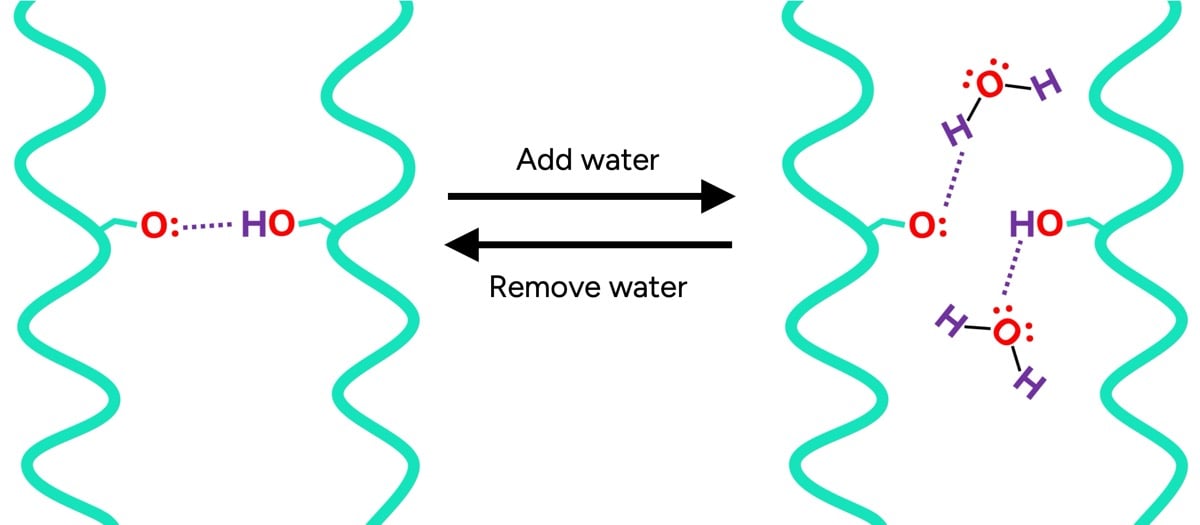
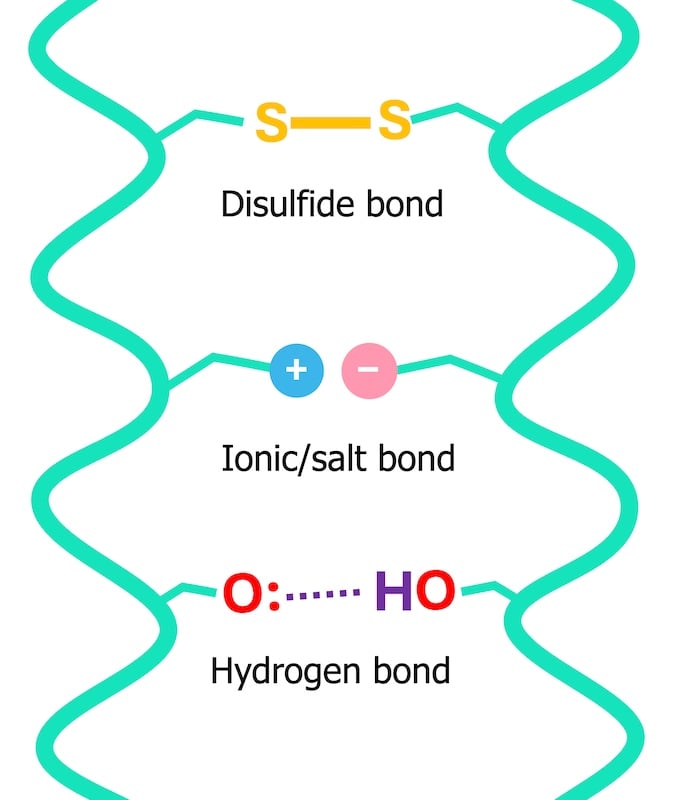
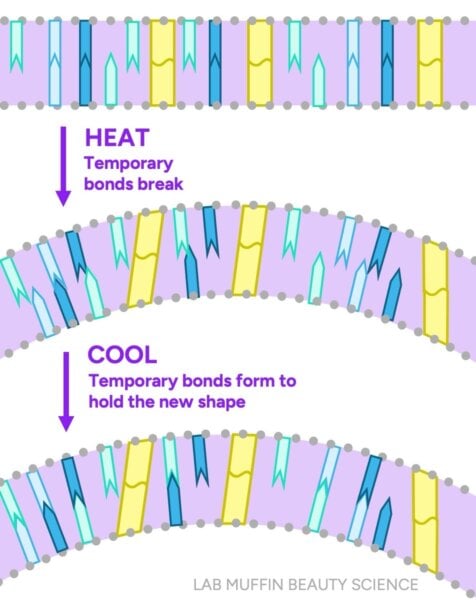
To grasp the true impact of water, it’s essential to understand hair’s fundamental structure. Hair is primarily composed of keratin proteins, held together by various chemical bonds that impart its strength and shape. These bonds fall into two main categories: permanent and temporary. Permanent bonds, such as disulfide bonds, are strong covalent links that largely determine hair’s natural texture (straight, wavy, curly) and require chemical treatments (like perms or relaxers) to alter. Temporary bonds, however, are far more dynamic and susceptible to environmental factors, especially water. These include hydrogen bonds and salt bonds, which act like molecular "handshakes" between protein chains within the hair’s cortex, the innermost and thickest layer.
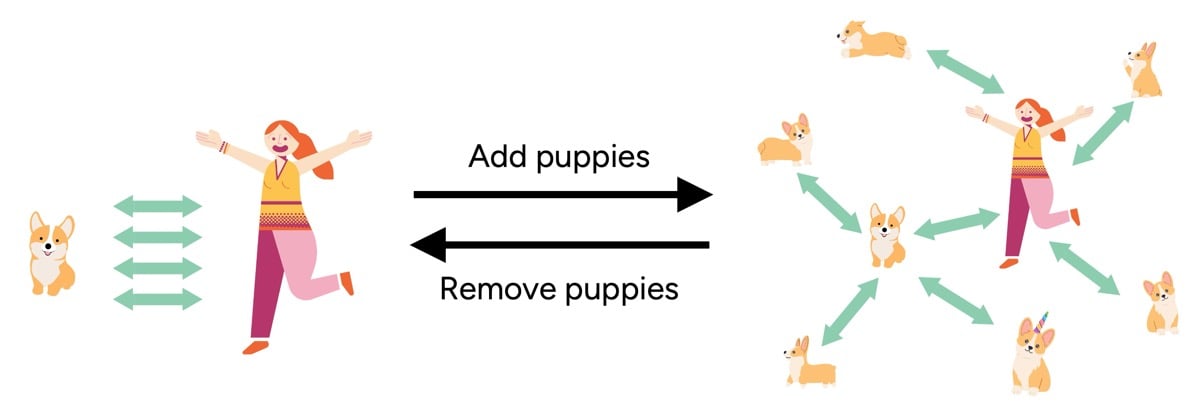
In dry hair, a multitude of these temporary bonds tightly link protein strands, contributing to its stiffness and resilience. When water is introduced, its highly polar nature allows it to form new hydrogen bonds with the hair proteins. This process, known as hydrogen bond disruption, means that protein strands begin to "hold hands" with water molecules instead of exclusively with each other. Consequently, wet hair possesses significantly fewer internal protein-to-protein bonds, rendering it weaker and more elastic. This alteration in molecular bonding explains why wet hair can stretch considerably more than dry hair before breaking, yet also why it is more vulnerable to damage if mishandled. The analogy of "friendly puppies" interacting with a dog and its owner effectively illustrates how water molecules can intercede and weaken the existing bonds between hair proteins.
Water’s Dual Role in Detangling: A Texture-Dependent Conundrum
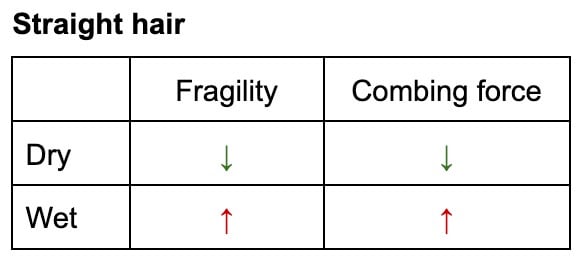
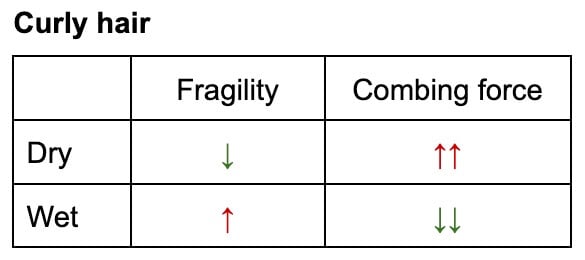
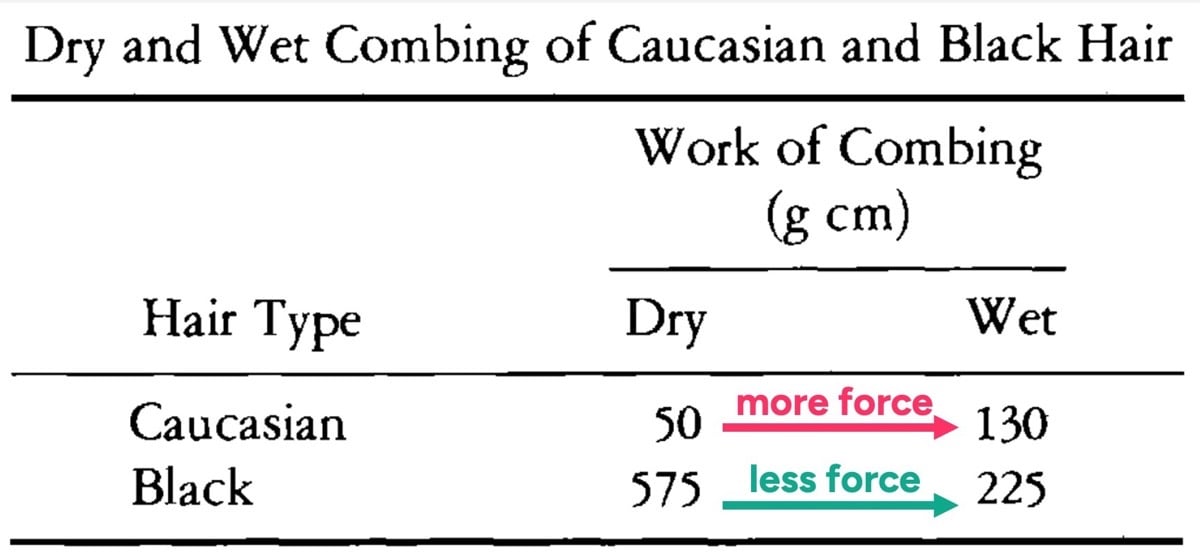
The impact of water on hair strength and elasticity has profound implications for daily hair care practices, particularly detangling. For straight hair, the reduction in internal bonds when wet makes it weaker and more susceptible to breakage during combing. Furthermore, water’s inherent stickiness increases friction between individual strands, exacerbating tangling and making the detangling process more damaging. Therefore, for individuals with straight hair, detangling in a dry or slightly damp state, often aided by a detangling spray or light oil, is generally recommended to minimize mechanical stress.
Conversely, for curly and coily hair types, wet detangling can be less damaging. While wet hair is inherently weaker, the increased elasticity and flexibility offered by water allow the hair to stretch and untangle with less resistance. The natural structure of curls often leads to more extensive tangling in the dry state, requiring greater force to separate strands. When wet, the hair’s ability to loosen its shape and the lubricating effect of conditioner often outweigh the reduced tensile strength, making the detangling process smoother and reducing overall breakage. This texture-dependent response to water underscores the complexity of hair science and the need for personalized hair care routines. Even humidity, which introduces ambient water molecules, can influence the ease of combing, with studies indicating varying damage levels based on hair type and moisture conditions.
The Sensory Illusion: Why Less Water Often Feels Better
One of the most counterintuitive findings in hair science is that hair perceived as soft, smooth, and "healthy" (often equated with "hydrated" in marketing terms) actually possesses a lower water content than hair that feels rough or "dry." A notable study involving 50 participants revealed that hair with less water was consistently rated as more moisturized, smoother, less tangled, and less damaged. This sensory paradox can be explained by examining the hair’s outermost layer: the cuticle.
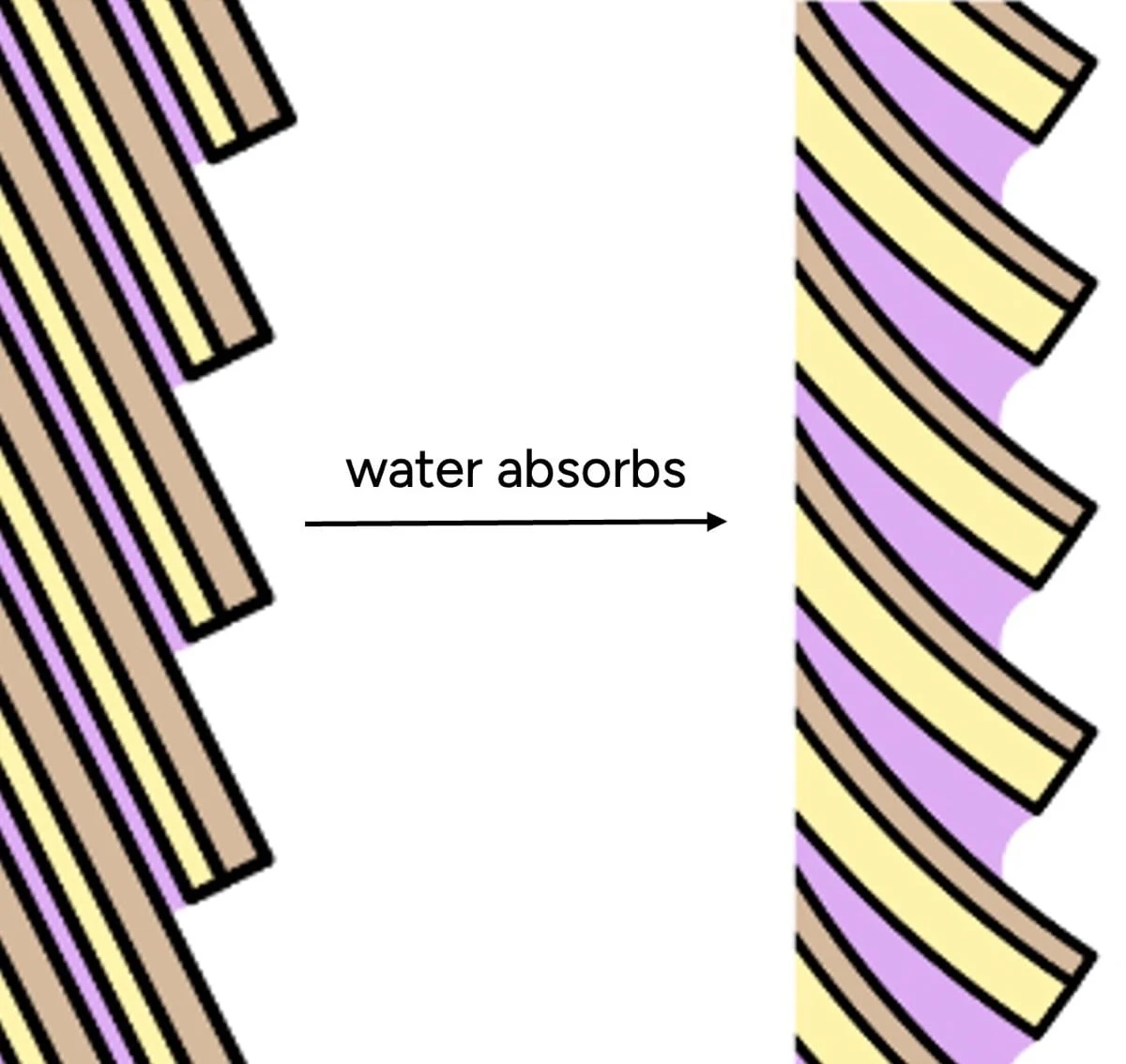
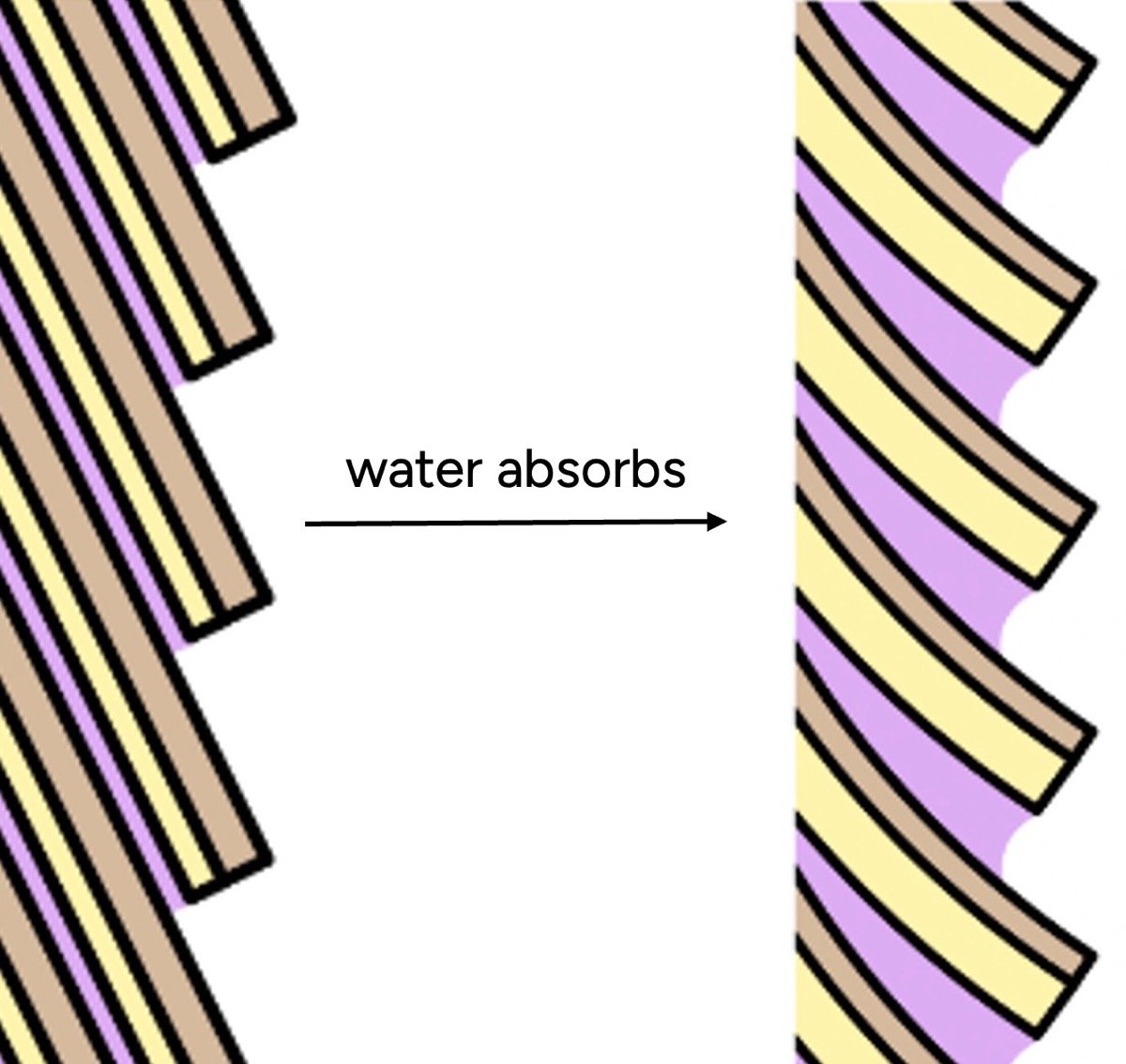
The cuticle consists of overlapping, scale-like cells that typically lie flat against the hair shaft when dry, creating a smooth surface. However, when exposed to water, these cuticle scales absorb moisture and swell. Critically, different parts of the cuticle—specifically the endocuticle (underside of the scale) and the cell membrane complex (the "glue" between scales)—absorb water at varying rates and to different extents. This differential swelling causes the scales to lift and become dislodged, resulting in a microscopic surface that is bumpy and rough. Moreover, water itself has a sticky, high-friction quality, which we intuitively use when wetting fingers for better grip. Therefore, hair with higher water content feels rougher and "grippier" due to the elevated cuticle scales and increased surface friction, leading our brains to interpret this sensation as "dry" or damaged, despite the presence of more moisture.
The True Mechanisms of "Hydrating" Products and Hair Washing
Given the scientific understanding, how do products marketed as "hydrating" actually work, and why does freshly washed hair often feel superior? The answer lies not in infusing hair with more water, but in managing its surface properties and structural state.
Most "hydrating" hair products primarily function as conditioners. They contain emollients and occlusives, such as silicones, fatty alcohols, and natural oils, which deposit a thin, lubricating film on the hair cuticle. This film effectively smooths down the raised cuticle scales, reduces friction between strands, and restores the hair’s surface to a smoother, softer state, mimicking the natural F-layer (a protective oily layer) found on undamaged hair. The sensation of smoothness and reduced tangling is then perceived as "hydration."
The benefits observed after a full wash-and-condition routine are multifaceted:
- Enhanced Conditioning Agent Distribution: Water acts as an excellent vehicle for spreading conditioning ingredients evenly across the hair shaft. A rinse-off conditioner, diluted by water, can coat hair more uniformly than a concentrated leave-in product applied to already dry or damp hair.
- Hair Shape Resetting: Water is highly effective at breaking temporary hydrogen and salt bonds within the hair cortex. This "resets" the hair’s shape, allowing it to return to its natural configuration or be more easily styled into a new one. This explains why washing hair removes heat styling and why humidity can disrupt a carefully crafted hairstyle. The combination of heat, water, and shampoo (which lowers surface tension, allowing water to penetrate more effectively) puts hair into a maximally flexible state, priming it for styling.
- Curl Clumping and Definition: For curly and coily hair, water plays a crucial role in forming well-defined curl clumps. Due to surface tension, water coats individual strands and creates an adhesive effect, causing parallel strands to "zip" together. These larger, aligned clumps feel smoother and colder to the touch when dry, which consumers often interpret as a sign of "hydration."
- Microscopic Cuticle Realignment: Rapid drying, especially with hot tools, can cause uneven shrinkage and buckling of cuticle scales, leading to a rough, damaged appearance. Soaking hair in water and allowing it to dry naturally can help reset these buckled scales, restoring a smoother surface. This effect also applies to hair that has been slightly stretched, as water helps the cuticle return to its original, unbuckled state.
Crucially, none of these beneficial effects are solely about increasing the permanent water content within the hair. Instead, they relate to water’s ability to temporarily alter hair’s structure and facilitate the even distribution of protective agents, which then improve hair’s feel and appearance once dry.
Finding the Optimal Water Balance: A Middle Ground for Hair Health
Just as with skin, there is an ideal moisture content for hair. Hair that is too wet, especially if repeatedly saturated and dried, can be fragile and more prone to damage. Conversely, hair that is excessively dry becomes stiff, brittle, and lacks flexibility. This brittleness makes it less shock-absorbent, meaning it can develop microscopic cracks and eventually break under normal mechanical stresses like brushing. The phenomenon is observable in nails, which share similar protein structures; dry nails tend to crack and split more easily than wet, flexible ones.
Moreover, very dry hair is more susceptible to static electricity. In low humidity environments, hair readily loses electrons through friction, leading to static charge build-up and flyaways. Water, being polar and conductive, helps to dissipate these charges, reducing static. Therefore, the goal is not maximum "hydration" (high water content) but rather maintaining a balanced moisture level that allows hair to be flexible, strong, and smooth.
Practical Strategies for Managing Hair’s Water Content and Feel
Achieving this "happy medium" involves a combination of practices and products that manage water’s interaction with hair:
- Conditioners and Oils: These are paramount. Conditioners smooth the cuticle, reduce friction, and protect the hair shaft. Oils can further seal the cuticle and help retain moisture, preventing excessive drying or swelling.
- Humectants: Ingredients like glycerin or hyaluronic acid attract and hold water from the environment. In moderately humid conditions, they can help maintain hair’s flexibility. However, in very high humidity, they can draw too much water into the hair, leading to frizz and swelling, while in very low humidity, they can draw moisture out of the hair, potentially making it drier. Their efficacy is highly dependent on ambient humidity.
- Protein Treatments: Proteins can temporarily patch up damaged areas on the hair shaft, improving its strength and reducing porosity. By filling gaps, they can help regulate how quickly water enters and leaves the hair, indirectly influencing its overall water content and integrity.
- Protective Styling: Styles that minimize manipulation and exposure to harsh environmental conditions can reduce physical stress on hair, allowing it to maintain its natural moisture balance.
Beyond the Hype: A Scientifically Informed Approach
In conclusion, water is neither inherently "good" nor "bad" for hair; it is a powerful solvent and structural modulator. Its effects are context-dependent, influenced by hair type, environmental humidity, and how hair is handled. The concept of "hygral fatigue" – the idea that water itself damages hair through repeated swelling and shrinking – is largely considered a myth by current scientific consensus, provided hair is treated gently.
Consumers should prioritize products that smooth the hair cuticle, reduce friction, and help maintain its structural integrity, rather than focusing solely on "hydration" claims. A routine that incorporates effective conditioning, appropriate detangling methods for one’s hair type, and intelligent use of humectants and emollients will yield the soft, smooth, and resilient hair that consumers seek, regardless of marketing terminology. Understanding the true science empowers individuals to make informed decisions and build hair care routines that genuinely promote hair health and vitality.
References
Evans T. Consumer vs. scientific language: relating in vivo to in vitro. Cosmetics & Toiletries. 2013;128(5):300-304.
Epps J, Wolfram LJ. Letter to the editor. J Soc Cosmet Chem. 1983;34:213-214.
Gamez-Garcia M. Moisture in the cuticle sheath: effects on hair mechanical and cosmetic properties. J Cosmet Sci. 2021;72:687-696.
Kamath YK, Hornby SB. Effect of chemical and humectant treatments on the mechanical and fractographic behavior of Negroid hair. J Soc Cosmet Chem. 1985;36:39-52.
Kaushik V, Chogale R, Mhaskar S. Single hair fiber assessment techniques to discriminate between mineral oil and coconut oil effect on hair physical properties. J Cosmet Dermatol. 2021;20(4):1306-1317. doi:10.1111/jocd.13724
Robbins CR. Chemical and Physical Behavior of Human Hair. 5th ed. Springer Berlin Heidelberg 2012.
Wong M. Hair, hydration and water: the real science. Lab Muffin Beauty Science. January 28, 2026. Accessed June 10, 2026. https://labmuffin.com/hair-hydration-and-water-the-real-science/
