

Polycystic Ovary Syndrome (PCOS) remains one of the most prevalent endocrine disorders among women of reproductive age, affecting an estimated 8% to 13% of the global female population. Characterized by hormonal imbalances, ovulatory dysfunction, and metabolic complications, the condition often requires a multi-faceted management approach. Recent clinical reviews and nutritional studies have increasingly identified the Mediterranean diet—a traditional eating pattern originating from the olive-growing regions of the Mediterranean basin—as a potent non-pharmacological intervention. Although specific research directly linking PCOS to the Mediterranean diet was historically limited, a growing body of evidence now suggests that this dietary framework significantly mitigates the chronic inflammation, insulin resistance, and infertility associated with the syndrome.
Metabolic Foundations and the Role of Insulin Sensitivity
A primary driver of PCOS symptoms is insulin resistance, a condition where the body’s cells do not respond effectively to insulin, leading to elevated blood glucose and compensatory hyperinsulinemia. Data suggests that between 50% and 70% of women diagnosed with PCOS exhibit some degree of insulin resistance, regardless of their Body Mass Index (BMI). This metabolic dysfunction is a precursor to weight gain, irregular menstrual cycles, and a heightened risk of cardiovascular disease.
According to research published in Fertility and Sterility (Ovalle & Azziz, 2002), the relationship between insulin and androgen production is a central pillar of PCOS pathology. High levels of insulin stimulate the ovaries to produce excess testosterone, which in turn causes acne, hirsutism (excessive hair growth), and male-pattern baldness. The Mediterranean diet, which emphasizes low-glycemic index (GI) carbohydrates, healthy fats, and high fiber intake, has been shown to enhance insulin sensitivity. A study in Nutrients (Martín-Peláez et al., 2020) confirmed that adherence to this diet helps stabilize blood glucose levels and lowers fasting insulin, providing a metabolic environment similar to that achieved through pharmaceutical interventions like Metformin or supplements such as Inositol.
Chronic Inflammation and Hormonal Regulation
Chronic low-grade systemic inflammation is considered a hallmark of PCOS, contributing to both metabolic and reproductive disturbances. Unlike acute inflammation, which is a temporary response to injury, the systemic inflammation seen in PCOS patients is persistent and can exacerbate insulin resistance. The Mediterranean diet is inherently anti-inflammatory due to its high concentration of antioxidants, polyphenols, and Omega-3 fatty acids.
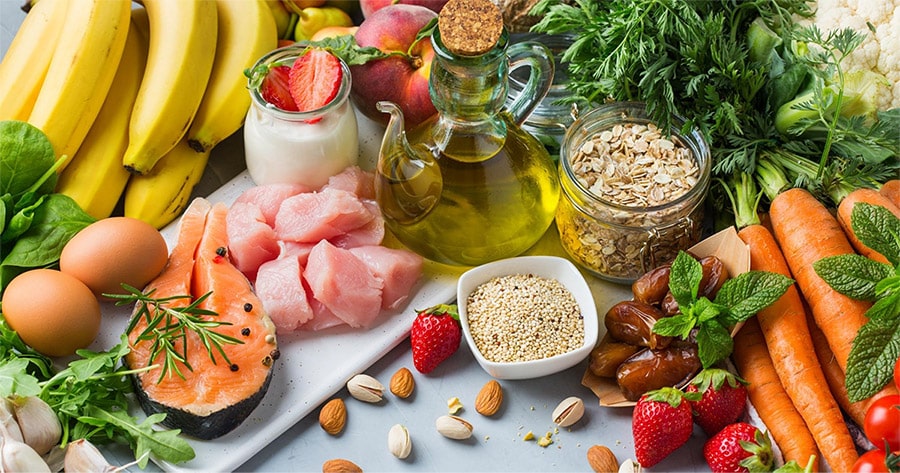
Research highlighted in Endocrine, Metabolic & Immune Disorders – Drug Targets (Casas et al., 2014) indicates that the immune-protective effects of the Mediterranean diet can significantly reduce markers of systemic inflammation. By lowering these inflammatory markers, patients often experience a secondary improvement in hormonal balance. Specifically, the high intake of healthy oils and Omega-3s found in fish and nuts has been linked to a reduction in serum testosterone levels. A study by Barrea et al. (2019) observed that women with PCOS who did not adhere to Mediterranean dietary patterns tended to have significantly higher testosterone levels and more severe clinical symptoms of hyperandrogenism compared to those who followed the diet closely.
Impact on Fertility and Reproductive Success
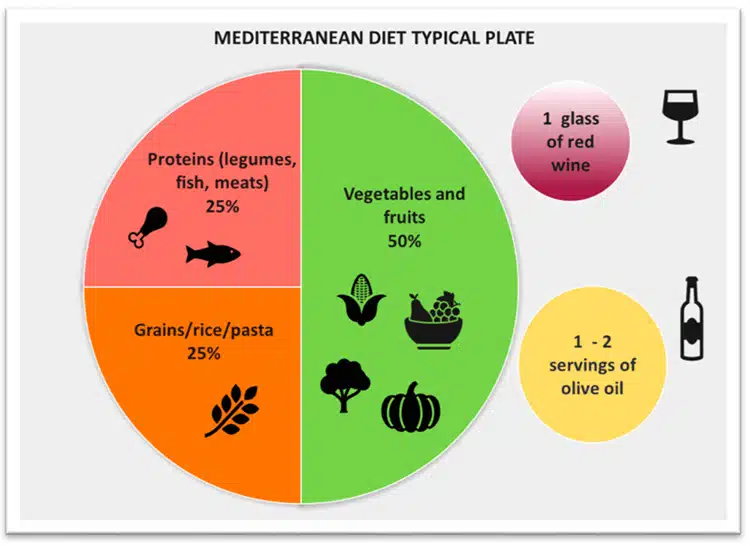
For many women with PCOS, infertility is the most distressing symptom. The syndrome is a leading cause of ovulatory dysfunction, making conception difficult. However, nutritional interventions have shown remarkable promise in improving reproductive outcomes. A landmark study published in Human Reproduction examined the impact of the Mediterranean diet on women undergoing Invitro Fertilization (IVF). The findings revealed that women with high adherence to the diet—characterized by high consumption of vegetables, fruits, whole grains, legumes, fish, and olive oil—had a 65-68% greater likelihood of achieving a successful pregnancy and live birth compared to those with low adherence.
The benefits of the diet extend beyond the female partner. Research suggests that the nutrient density and antioxidant profile of the Mediterranean diet may also improve semen quality, suggesting that the diet serves as a holistic "fertility diet" for couples attempting to conceive. By improving the metabolic environment and reducing oxidative stress, the diet supports both natural conception and assisted reproductive technologies.
Gut Microbiome Diversity and Liver Health
Emerging research into the gut-brain-axis has revealed that women with PCOS often possess a less diverse gut microbiome compared to their healthy counterparts. A lack of microbial diversity is linked to increased intestinal permeability and further metabolic complications. According to a 2019 report in F1000Research (Nagpal et al.), the Mediterranean diet promotes a healthy and diverse microbiome. The high fiber content from plant-based foods acts as a prebiotic, fueling beneficial bacteria that produce short-chain fatty acids, which are essential for metabolic health.
Furthermore, PCOS is closely associated with Non-Alcoholic Fatty Liver Disease (NAFLD). Due to the high prevalence of insulin resistance, the liver in PCOS patients often accumulates excess fat, leading to inflammation and potential scarring. A 12-month study documented in Nutrients (Torres et al., 2019) found that the Mediterranean diet improved liver fat markers and insulin sensitivity in patients with NAFLD. Notably, these improvements were observed even in the absence of significant weight loss, suggesting that the nutrient composition of the diet provides therapeutic benefits independent of caloric restriction.
Comparative Analysis: Mediterranean vs. Western Dietary Patterns
The efficacy of the Mediterranean diet is often contrasted with the "Western diet," which is prevalent in many industrialized nations. The Western diet is characterized by a high intake of red meats, refined sugars, trans fats, and highly processed "convenience" foods. These elements are known to trigger inflammatory responses and spike insulin levels, directly worsening PCOS symptoms.
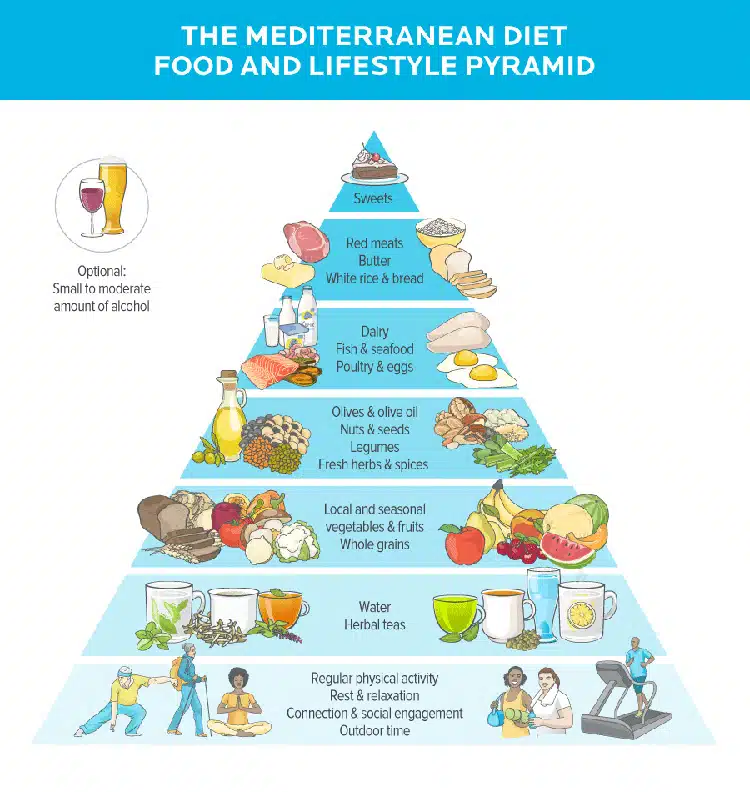
In contrast, the Mediterranean framework emphasizes:
- Monounsaturated Fats: Primarily from extra virgin olive oil, which serves as the principal fat source.
- Plant-Based Proteins: Prioritizing legumes, beans, and nuts over animal proteins.
- Lean Marine Proteins: Frequent consumption of fish, providing essential Omega-3 fatty acids.
- Complex Carbohydrates: Whole grains and fibrous vegetables that prevent rapid glucose spikes.
- Minimal Processing: A focus on whole, seasonal, and locally sourced foods.
The exclusion of white breads, sugary beverages, and excessive red meat makes the Mediterranean diet a naturally low-glycemic approach, which is vital for managing the hormonal "rollercoaster" experienced by many women with PCOS.
The Mediterranean Lifestyle and Behavioral Factors
Journalistic analysis of the Mediterranean diet often overlooks the "lifestyle" components that accompany the eating pattern. The Mediterranean way of life emphasizes physical activity, adequate rest, and social connectivity during meals. For women with PCOS, who often struggle with high levels of cortisol and stress, these lifestyle factors are crucial.
Eating slowly and mindfully—a common practice in Mediterranean cultures—has been shown to improve satiety signals. Many women with PCOS experience disruptions in hunger hormones like ghrelin and leptin, leading to frequent cravings. By adopting a slower pace of consumption and focusing on nutrient-dense foods high in fiber and healthy fats, patients can better manage appetite and reduce the psychological stress associated with restrictive dieting. Furthermore, the emphasis on local and seasonal produce encourages a more diverse intake of micronutrients, which are essential for enzymatic processes involved in hormone synthesis.
Long-Term Health Implications and Disease Prevention
The implications of adopting a Mediterranean diet extend far beyond the immediate management of PCOS symptoms. Women with PCOS are at a significantly higher risk for long-term health complications, including Type 2 Diabetes, cardiovascular disease, and certain types of cancer. Approximately 33% of women with PCOS also meet the criteria for metabolic syndrome, a cluster of conditions that increase the risk of heart disease and stroke.
A systematic review in The American Journal of Medicine (Mancini et al., 2015) found that the Mediterranean diet is highly effective for long-term weight loss and cardiovascular protection. Moreover, its role in preventing Type 2 Diabetes in metabolically vulnerable populations is well-documented. Perhaps most significantly for long-term female health, research in Healthcare (Shaikh et al., 2019) suggests that the diet’s anti-inflammatory and antioxidant properties may help in the prevention and treatment of breast cancer, providing a protective shield against multiple comorbidities associated with hormonal imbalances.
Conclusion and Clinical Outlook
While pharmacological treatments like hormonal contraceptives and insulin sensitizers remain standard care for PCOS, the medical community is increasingly recognizing the Mediterranean diet as a foundational therapy. The diet’s ability to address the root causes of the syndrome—inflammation and insulin resistance—rather than merely masking symptoms, makes it a sustainable and effective strategy for long-term health.
The transition to a Mediterranean eating pattern does not require radical restriction but rather a shift in focus toward whole, plant-based foods and high-quality fats. As research continues to evolve, the integration of these dietary principles into standard PCOS treatment protocols offers hope for improved fertility, better metabolic health, and an enhanced quality of life for millions of women worldwide. Clinical experts recommend a gradual implementation, focusing on increasing vegetable and healthy fat intake while slowly reducing processed sugars, to ensure long-term adherence and success.
