
Proactive measures beyond vaccination are increasingly recognized as critical components of a comprehensive strategy to mitigate the transmission of airborne pathogens and reduce the incidence of illness. As the understanding of respiratory disease dynamics evolves, individuals and public health bodies are focusing on environmental controls and personal protective equipment to create safer indoor spaces and minimize infection risks. This shift in perspective, largely driven by insights gained during the recent global pandemic, emphasizes a multi-layered approach to public health.
The Evolving Science of Airborne Transmission
The traditional understanding of respiratory disease transmission, often termed "droplet dogma," long held that pathogens primarily spread through large respiratory droplets expelled by coughing or sneezing, which would quickly fall to the ground within a few feet. This led to widespread recommendations for handwashing, surface disinfection, and maintaining a "six-foot rule." However, extensive scientific research, particularly from early 2021, rigorously debunked this singular focus, demonstrating that many respiratory viruses, including SARS-CoV-2, are predominantly transmitted through aerosols – microscopic particles that can remain suspended in the air for extended periods and travel much further than larger droplets.
This scientific re-evaluation underscores that respiratory illnesses behave more like smoke spreading through an environment rather than projectiles. Consequently, strategies effective against surface contamination or large droplets, such as hand sanitizers and plexiglass barriers, offer limited protection against airborne pathogens. The implication is profound: efforts to prevent sickness must prioritize measures that address the quality and movement of the air we breathe. This includes ventilation, filtration, and personal respiratory protection.
The Pervasive Threat of Long-Term Health Impacts
Beyond acute illness, the long-term health consequences of respiratory infections, particularly those like COVID-19, have become a significant public health concern. Conditions such as Long COVID can manifest with a wide array of debilitating symptoms affecting multiple organ systems, including the cardiovascular, neurological, and respiratory systems, even in individuals who were previously healthy and fit. Research suggests that these effects can persist for months or even years, leading to chronic disability and reduced quality of life. The complex pathophysiology of Long COVID means that effective treatments or cures are likely to be years, if not decades, away, highlighting the paramount importance of prevention. Furthermore, evidence indicates that severe infections can temporarily, or even more persistently, dysregulate the immune system, potentially increasing susceptibility to subsequent infections. Therefore, the notion that "getting sick helps your immune system" is largely a misconception when it comes to pathogenic microbes; beneficial microbes contribute to immune health, not recurrent infections.
Ventilation: Monitoring Air Quality with CO2
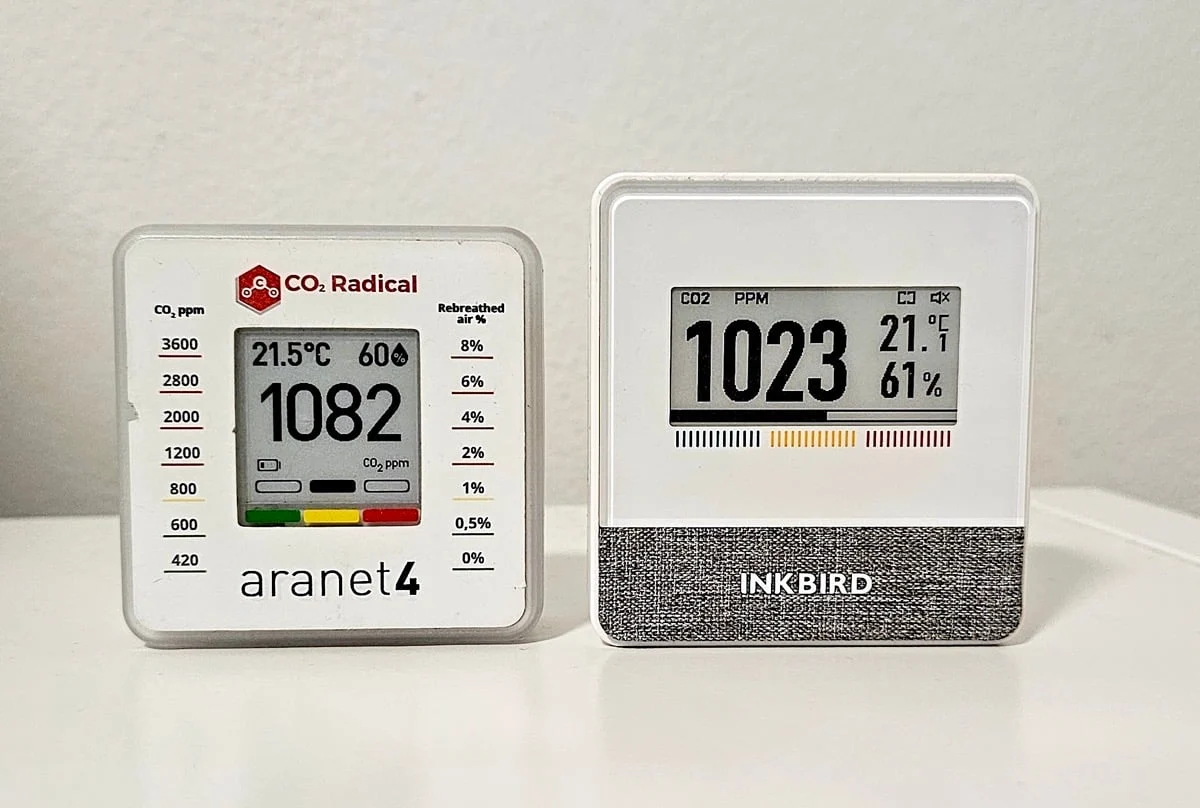
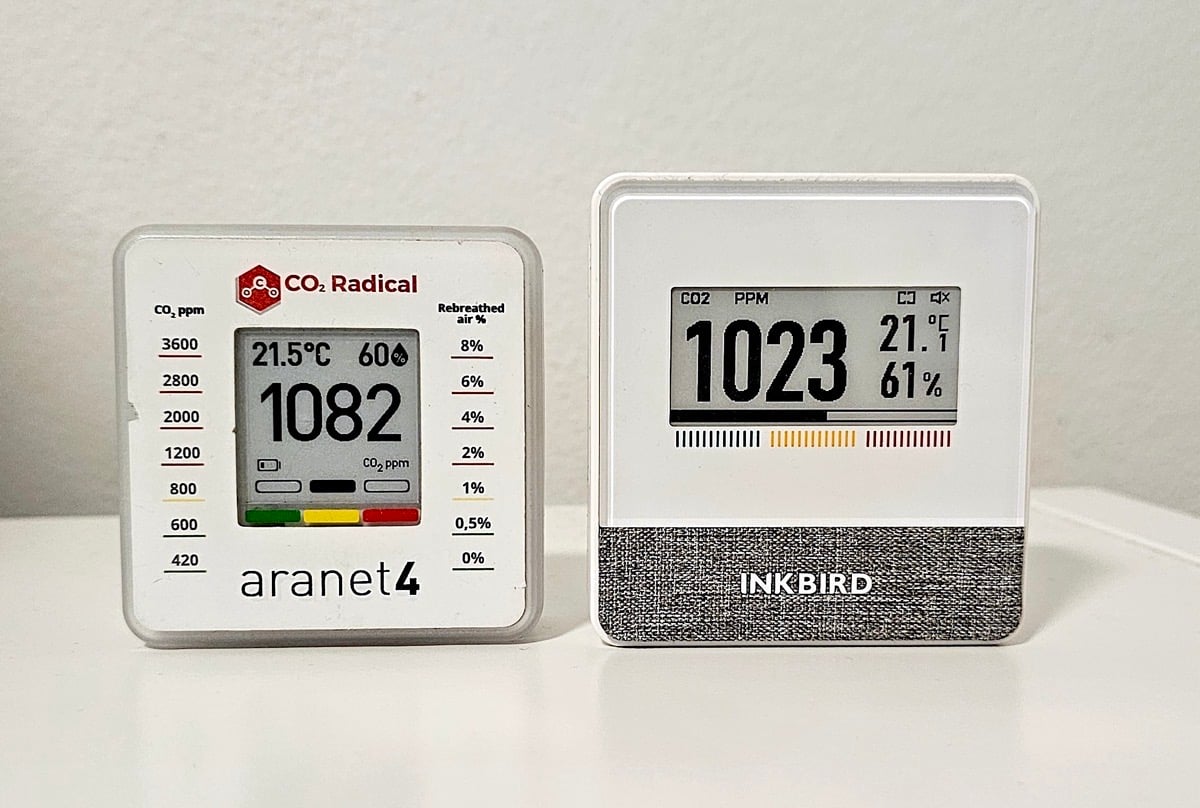
Effective ventilation is a cornerstone of airborne pathogen control. It refers to the process of introducing fresh outdoor air into an indoor space and removing stale indoor air, thereby diluting airborne contaminants, including viral particles. While outdoor environments inherently offer superior ventilation, indoor settings vary dramatically. Portable carbon dioxide (CO2) monitors have emerged as a practical and accessible tool for assessing indoor air quality and, by extension, the effectiveness of ventilation.
CO2 is a byproduct of human respiration. Higher concentrations of CO2 in an indoor space indicate a greater accumulation of exhaled air from occupants. Since exhaled air can contain infectious aerosols, CO2 levels serve as a reliable proxy for the concentration of shared, potentially contaminated air. A baseline outdoor CO2 level is typically around 400-450 parts per million (ppm). In well-ventilated indoor spaces, CO2 levels should ideally remain below 600-800 ppm. Levels exceeding 1000 ppm suggest poor ventilation and a significantly elevated risk of airborne transmission. For instance, some experts recommend thresholds:
- Below 600 ppm: Generally considered good ventilation, with lower risk.
- 600-1000 ppm: Moderate ventilation, warranting increased awareness.
- Above 1000 ppm: Poor ventilation, indicating a higher risk, where additional precautions like respirators are advisable.
The utility of CO2 monitors extends beyond public health, offering insights into general indoor air quality that can impact comfort and cognitive function. For example, CO2 accumulation in bedrooms overnight can lead to morning grogginess, with levels potentially reaching 3000 ppm or higher in unventilated rooms. While CO2 monitors provide crucial data, it is important to note that their readings may not fully capture the cleanliness of air in spaces employing active air filtration systems, such as HEPA filters, which remove particulates but do not reduce CO2. Commercial aircraft, for example, often have high CO2 levels while on the ground due to inactive filtration systems, but significantly improved air quality during flight when advanced HEPA filtration is operational.
Advanced Respiratory Protection: The Role of Respirators
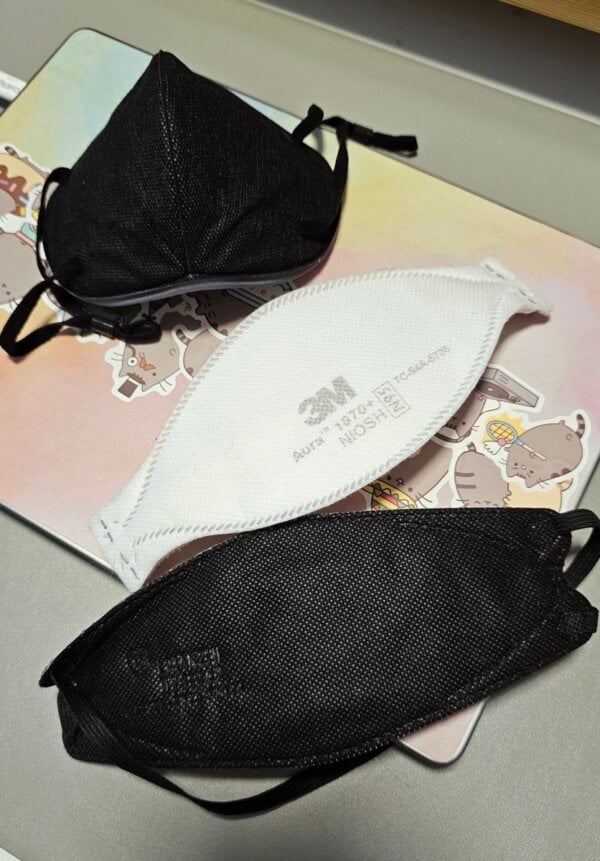
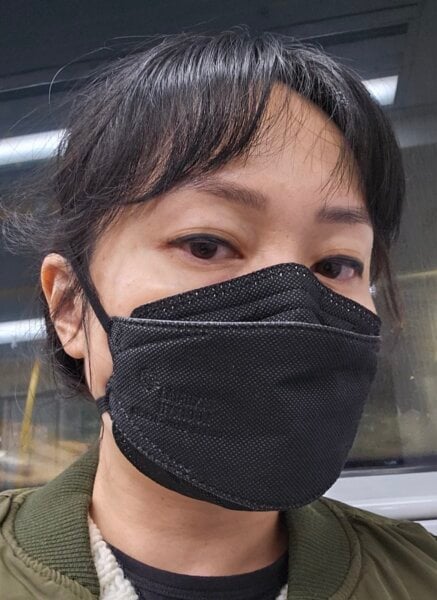
For situations where ventilation cannot be guaranteed or is known to be inadequate, personal respiratory protection in the form of N95, P2, KN95, or FFP2 respirators offers a highly effective defense against airborne pathogens. Unlike surgical masks or cloth masks, which primarily protect others from the wearer’s exhalations, respirators are designed to protect the wearer by filtering at least 95% (for N95/P2) or 100% (for KN100) of airborne particles when properly fitted.
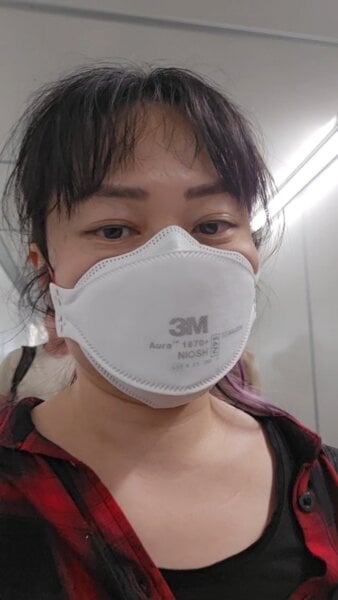
Key considerations for respirator use include:
- Fit is paramount: The efficacy of a respirator depends critically on achieving a tight seal against the wearer’s face, preventing air from bypassing the filter material. While formal fit testing is standard for occupational use, individuals can perform a "seal check" to ensure a good fit. This involves inhaling sharply and checking for air leakage around the edges of the mask.
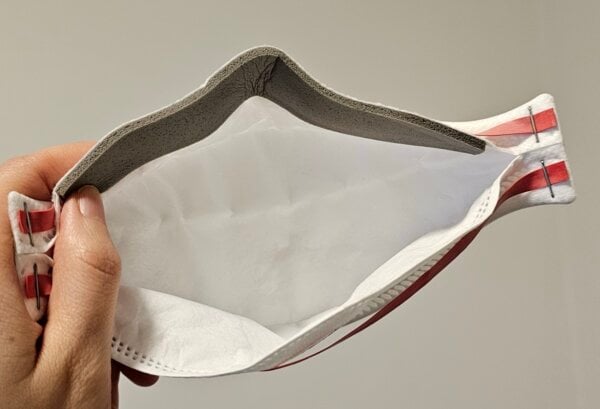
- Comfort and design: Soft, boat-shaped N95s (like the 3M Aura series) are often preferred for their comfort and ability to fit a wide range of face shapes, minimizing pressure points and allowing for easier breathing compared to rigid cup-style masks. Head straps generally provide a more secure seal than ear loops, though innovative designs like those with internal frames and gaskets (e.g., Zimi Air) can achieve excellent seals even with ear loops.
- Reusability: Contrary to popular belief, N95 respirators are not single-use items for general public use. They can be reused until the filter material becomes noticeably difficult to breathe through or the mask no longer maintains a proper seal.
- Specific applications: Respirators are highly recommended in high-risk environments such as healthcare settings, crowded public transport (buses, planes, trains, especially during boarding/disembarking when ventilation systems may be inactive), pharmacies, and during periods of high community transmission. They also offer a bonus benefit of keeping nasal passages moist in dry environments like airplane cabins, potentially preventing nosebleeds.
Innovative Air Purification Technologies
Beyond general room air purifiers, specialized technologies are emerging to enhance localized air quality:
- Laminar Air Flow Purifiers: Traditional air purifiers typically produce turbulent airflow, meaning the clean air jet quickly mixes with the surrounding ambient air. Laminar airflow purifiers, such as the AirFanta 4Lite, are designed to maintain a consistent, unidirectional stream of clean air for a greater distance. This creates a "personal clean air zone," allowing individuals to breathe significantly cleaner air even in a moderately contaminated environment, making them suitable for activities like dining indoors where masks cannot be worn. Wearable versions are also being developed, although their clean air zones are typically smaller and not a substitute for a well-fitted respirator.
- Far-UVC Technology (222 nm): This represents a potentially groundbreaking approach to airborne pathogen inactivation. Far-UVC light at a specific wavelength of 222 nanometers has been shown to effectively kill airborne bacteria and viruses, including coronaviruses, while causing minimal harm to human skin and eyes, unlike conventional germicidal UVC (254 nm) which is dangerous with direct exposure. This technology is still under development and rigorous testing, with safety and efficacy dependent on precise wavelength control and appropriate product design. However, it holds promise for applications in public spaces like waiting rooms, restaurants, and transportation hubs, offering a continuous disinfection method for ambient air. Responsible manufacturers are crucial in ensuring the safety and effectiveness of such devices.
Conventional Air Purifiers and Filtration Systems
High-efficiency particulate air (HEPA) filters are the gold standard for removing airborne particles, including viral aerosols, allergens, and smoke, from indoor spaces. These devices are invaluable for improving air quality in homes, offices, classrooms, and hotel rooms with central air systems that may not provide sufficient fresh air exchange.
- CADR (Clean Air Delivery Rate): When selecting an air purifier, the CADR is a critical metric, indicating how quickly the purifier can clean a room of a specific size. Higher CADR values signify more effective filtration for larger spaces or faster cleaning in smaller ones.
- Placement: For optimal performance, air purifiers should be placed away from walls and obstructions to allow for unimpeded air circulation.
- DIY solutions: For those seeking cost-effective options, DIY air purifiers using box fans and MERV-rated filters (often called Corsi-Rosenthal boxes) have been shown to be surprisingly effective in laboratory and real-world settings.
Supplemental Protective Measures
While not primary defenses against airborne transmission, certain adjunctive practices can offer additional layers of protection or help manage symptoms if infection occurs:
- Nasal Rinses: The ancient practice of nasal irrigation, typically performed with saline solutions using a neti pot or squeeze bottle, is primarily studied for its efficacy in reducing the duration and severity of common cold symptoms and managing allergies. The theoretical benefit in preventing infection lies in its ability to physically rinse away viral particles trapped in nasal mucus before they can establish a full infection. While unlikely to be a standalone preventive measure, it is a low-risk practice that some individuals incorporate after potential high-exposure events.
- Nasal Sprays: Certain nasal sprays contain active ingredients that may, in theory, create a physical barrier or possess antiviral properties to block viruses from binding to nasal cells or to inactivate them on contact. However, the inconsistent delivery of sprays and varying efficacy across different formulations mean they are not considered a reliable primary protective measure. Research into effective antiviral nasal sprays is ongoing, but current options are best viewed as supplementary.
Broader Implications and Public Health Context
The integration of these individual and environmental strategies into daily life has broader implications for public health. By empowering individuals with tools and knowledge to assess and improve their immediate environments, there is a potential to collectively reduce community transmission rates of respiratory diseases. This proactive approach complements traditional public health interventions like vaccination and disease surveillance.
The ongoing evolution of scientific understanding, particularly concerning pathogen transmission and long-term health effects, underscores the necessity for adaptable and evidence-based public health guidance. Resources from organizations like Clean Air Stars, academic researchers, and public health communicators play a vital role in disseminating accurate information and practical advice. The goal is to foster a culture of informed decision-making, where individuals can strategically deploy a range of tools—from ventilation assessments and respirators to air purifiers and emerging technologies—to navigate a world where airborne pathogens remain a persistent challenge, ultimately aiming for a healthier and more resilient society.
