

Hyaluronic acid (HA), alongside its common derivative sodium hyaluronate, stands as a cornerstone ingredient in both the cosmetic and medical fields, revered for its unparalleled capacity to retain moisture. This naturally occurring glycosaminoglycan is intrinsically woven into the fabric of the human body, with a significant concentration found within the extracellular matrix—the intricate scaffold supporting skin cells. Present in both the superficial epidermis and the deeper dermis, HA plays a pivotal role in maintaining skin hydration, facilitating essential metabolic processes, aiding in skin repair mechanisms, and offering crucial protection against environmental aggressors like free radicals and UV radiation. Its ubiquitous presence and multifaceted functions underscore its importance not merely as a cosmetic additive but as a fundamental component of physiological health.
The Biological Role of Hyaluronic Acid: A Deeper Dive
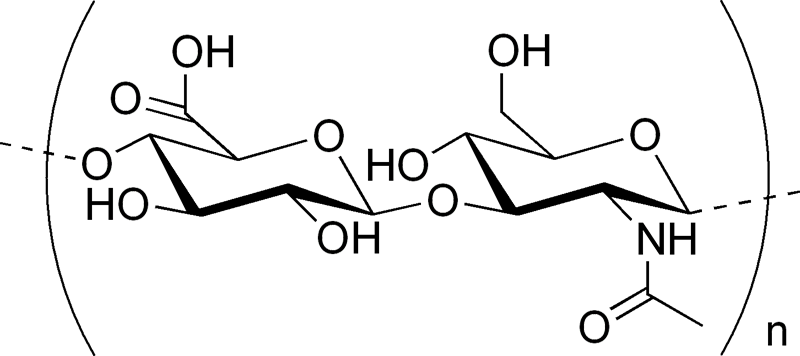
Chemically, hyaluronic acid is a linear polysaccharide composed of repeating disaccharide units of D-glucuronic acid and N-acetyl-D-glucosamine. This specific arrangement, coupled with its highly polar nature due to numerous hydroxyl and carboxyl groups, grants HA its extraordinary hygroscopic properties—the ability to attract and hold water molecules. In fact, HA can bind water molecules up to 1,000 times its own weight, a characteristic that is central to its biological and cosmetic efficacy. This remarkable water-binding capacity is what keeps skin firm, plump, and supple. Within the skin, HA contributes to tissue repair and regeneration by regulating cell proliferation and migration, influencing inflammatory responses, and acting as a scaffold for cellular organization. It also forms a viscoelastic network that provides lubrication and shock absorption in joints, and plays a role in ocular health, among other physiological systems.
While a common misconception has long suggested that hyaluronic acid levels precipitously decline with age, contributing to the thinner, drier appearance of mature skin, contemporary research offers a more nuanced understanding. Studies now indicate that the total amount of hyaluronic acid in the skin does not necessarily decrease significantly with age. Instead, its distribution within the skin layers may alter, and its structural integrity or molecular size could be affected by both intrinsic (natural aging) and extrinsic (environmental factors like sun exposure) aging processes. This redistribution can still lead to a compromised barrier function and reduced hydration, contributing to visible signs of aging.
A Journey Through Time: The Discovery and Evolution of Hyaluronic Acid’s Understanding
The story of hyaluronic acid began in 1934 when Karl Meyer and John Palmer isolated a novel substance from the vitreous humor of bovine eyes. They named it "hyaluronic acid" from the Greek word "hyalos" (glassy) and "uronic acid" (referring to its uronic acid content). For decades, HA remained largely a subject of academic curiosity, with early research focusing on its structural and physiological roles, particularly in connective tissues and joint fluid.
The first significant therapeutic application emerged in the 1970s and 80s, primarily in ophthalmology. Endothelial damage during cataract surgery was a major concern, and the discovery of HA’s viscoelastic properties made it an ideal candidate for ophthalmic surgery, where it could protect delicate tissues. This marked its transition from a biochemical curiosity to a clinically valuable substance. Following its success in ophthalmology, its applications expanded into orthopedics for treating osteoarthritis, where injectable HA could supplement the synovial fluid, reducing pain and improving joint mobility.
The 1990s witnessed the dawn of HA’s widespread adoption in aesthetic medicine, particularly with the introduction of injectable dermal fillers designed to plump wrinkles and restore facial volume. This period also saw its gradual integration into topical skincare formulations, driven by a growing understanding of its powerful hydrating properties. Initially, high molecular weight HA dominated the market, but advancements in biotechnology allowed for the production of different molecular sizes, leading to a more sophisticated approach to its use in cosmetics and medicine in the 21st century. This chronological progression highlights a continuous evolution in both the scientific understanding and practical application of this versatile molecule.
Hyaluronic Acid in Skincare: The Humectant Powerhouse
In the realm of skincare, hyaluronic acid is predominantly prized for its extraordinary ability to act as a humectant. Humectants are substances that attract and draw water from the environment (the air) and from deeper skin layers to the stratum corneum (the outermost layer of the skin). This influx of moisture significantly hydrates the skin, improving its elasticity and texture. One of the most noticeable effects of dehydrated skin is the exacerbation of fine lines and wrinkles. By intensely hydrating the skin’s surface, hyaluronic acid can visibly plump these lines, creating a smoother, more radiant complexion that appears dramatically younger and less fatigued. This makes it a staple in moisturizers, serums, and masks.
While glycerin is another popular and often more economical humectant, it can sometimes impart a sticky or heavy sensation on the skin. Hyaluronic acid, particularly in well-formulated products, offers a lighter, more elegant feel. Often, cosmetic chemists will strategically combine HA with glycerin to harness the benefits of both while optimizing the user experience, achieving potent hydration without the undesirable tactile characteristics.
The efficacy of hyaluronic acid in skincare is also intricately linked to its molecular weight. HA is not a monolithic ingredient; it exists in various sizes, broadly categorized into high molecular weight (HMW HA) and low molecular weight (LMW HA). HMW HA, with its larger molecular size, primarily forms a hydrating film on the skin’s surface. This film acts like a breathable barrier, preventing transepidermal water loss (TEWL) and drawing moisture from the environment, providing immediate surface hydration and a smoothing effect. It’s excellent for plumping the very top layers of the epidermis.
Conversely, LMW HA is created by breaking down larger HA molecules into smaller fragments. The nomenclature can be confusing; "sodium hyaluronate" often refers to smaller fragments than "hyaluronic acid," but even within these classifications, a spectrum of molecular sizes exists. The main advantage of smaller molecules is their enhanced ability to penetrate the skin more effectively. This means LMW HA can deliver hydration to deeper layers of the epidermis, potentially contributing to more profound and sustained moisturization.
A significant debate has emerged regarding the potential of low molecular weight hyaluronic acid to act as an inflammatory signal within the skin. It is crucial to contextualize this discussion by recognizing that inflammation is not inherently detrimental; it is a complex biological process vital for wound healing and immune response. Studies conducted on skin and skin cells have indeed suggested that certain LMW HA fragments can stimulate immune cells and influence inflammatory pathways. However, this action is not always negative. Research has demonstrated that LMW HA can enhance the skin’s intrinsic ability to repair itself, bolster its defense mechanisms against microbial invaders, and even alleviate symptoms in conditions such as seborrheic dermatitis. The scientific community continues to explore the precise mechanisms and long-term implications of LMW HA on normal skin, striving for a comprehensive understanding that differentiates between beneficial immunomodulation and unwanted pro-inflammatory responses.
Despite its impressive hydrating capabilities and other subtle benefits, it is important to manage expectations regarding topical hyaluronic acid. It cannot replenish the body’s natural HA stores in the deeper dermis or systemic tissues. Even the smallest molecular weight HA can only penetrate into the lower epidermis, not reaching the dermis where much of the naturally occurring HA resides. Therefore, while topical HA is a fantastic hydrating ingredient that improves skin barrier function and overall skin health, its role is primarily surface-level and epidermal. Its anti-inflammatory and antioxidant activities, while present, are generally considered secondary to its primary function of hydration.
Beyond Topical Creams: Diverse Applications of Hyaluronic Acid
The utility of hyaluronic acid extends far beyond daily skincare routines, demonstrating its versatility across various medical and cosmetic disciplines.
Dermal Fillers: One of the most prominent non-skincare applications of HA is in aesthetic medicine, specifically as injectable dermal fillers. Brands like Juvéderm, Restylane, and Voluma utilize chemically modified hyaluronic acid, often cross-linked to enhance its stability and longevity, to plump up deep wrinkles, restore lost facial volume, augment lips, and sculpt facial contours. These procedures offer immediate and noticeable results, though they are temporary, lasting from several months to over a year, depending on the specific product and treatment area. While generally safe, these procedures must be performed by qualified medical professionals due to potential risks, including bruising, swelling, and, in rare cases, vascular complications. Macrolane, another HA-based filler, gained notoriety for its controversial use in larger volume enhancements, such as breast and buttock augmentation, before its use in such applications became more restricted in many regions due to safety concerns and imaging interference.
Medical Field: HA’s biocompatibility and unique viscoelastic properties make it invaluable in several medical specialties.
- Ophthalmology: It is widely used in eye drops for dry eye syndrome and as a viscoelastic agent during ophthalmic surgeries, such as cataract extraction and corneal transplantation, to protect delicate eye tissues and maintain space.
- Orthopedics: Intra-articular injections of HA are a common treatment for osteoarthritis, a condition characterized by the breakdown of cartilage and reduction of synovial fluid in joints. HA injections, often referred to as "viscosupplementation," help to lubricate the joint, reduce pain, and improve mobility by mimicking the natural lubricating properties of healthy synovial fluid.
- Wound Healing: HA plays a crucial role in various stages of wound healing, promoting cell migration, proliferation, and tissue remodeling. HA-based dressings and gels are increasingly used to accelerate the healing of chronic wounds, burns, and surgical incisions.
Makeup Primers: Dehydrated hyaluronic acid spheres are ingeniously incorporated into certain makeup formulations, particularly skin-smoothing primers. These dry, micro-sized spheres are suspended in anhydrous (water-free) formulas. Upon application, the product settles into fine lines and wrinkles. The HA spheres then begin to absorb any available moisture from the skin and the ambient air, swelling in the process. This expansion effectively plumps up and camouflages lines and imperfections, creating a smoother canvas for makeup application and a more youthful appearance.
Oral Supplements: The market is flooded with oral hyaluronic acid supplements, marketed for everything from skin hydration to joint health. However, the scientific evidence supporting the efficacy of orally ingested HA is considerably weaker and more controversial than for topical or injectable forms. A key challenge lies in whether HA can survive the harsh digestive environment and, if it does, whether it can be efficiently absorbed into the bloodstream and subsequently delivered to target tissues like the skin or joints in a bioavailable form. While some preliminary studies suggest potential benefits, robust, large-scale clinical trials are still needed to definitively establish the bioavailability and therapeutic efficacy of oral HA supplements. Many experts remain skeptical, advising consumers to approach these claims with caution.
Sourcing and Sustainability: From Rooster Combs to Biofermentation
The origins of hyaluronic acid can be a significant consideration for consumers, particularly those with dietary or ethical preferences. Historically, one of the primary sources for commercial hyaluronic acid was animal-derived, specifically from rooster combs. These structures contain a remarkably high concentration of HA, approximately 15 times more than human skin, making them an efficient natural reservoir. However, this source presents ethical concerns for vegetarians, vegans, and individuals adhering to certain religious dietary laws.
In response to these concerns and driven by advancements in biotechnology, biofermentation has emerged as the dominant and preferred method for producing hyaluronic acid. This process involves cultivating specific strains of bacteria (such as Streptococcus equi or Bacillus subtilis) in a nutrient-rich medium. These bacteria naturally produce HA as a byproduct of their metabolic processes. The HA is then purified from the bacterial culture. Biofermentation offers several advantages: it is a sustainable, scalable, and animal-free production method, addressing ethical concerns. Moreover, it allows for greater control over the molecular weight of the produced HA, which is critical for tailoring ingredients to specific cosmetic and medical applications. The shift towards biofermentation reflects a broader industry trend towards more ethical and sustainable ingredient sourcing.
Expert Perspectives and Consumer Guidance
Dermatologists and cosmetic chemists widely endorse hyaluronic acid as a safe and effective hydrating ingredient, provided consumers understand its limitations and how to best incorporate it into their routines. Dr. Michelle Wong, a prominent cosmetic chemist and science communicator, emphasizes the ingredient’s hydrating prowess, stating, "Hyaluronic acid is a fantastic hydrating ingredient, and hydration is fantastic for improving how well your skin functions." She cautions against the misconception that topical HA can replenish the body’s natural stores, clarifying that its primary benefits are localized to the epidermis.
Experts advise consumers to look for products that specify the molecular weight of HA, as a blend of different sizes can offer comprehensive hydration, targeting both surface and deeper epidermal layers. For instance, a high molecular weight HA can provide immediate plumping and barrier support, while a low molecular weight HA might offer longer-term hydration benefits. Combining HA with occlusive ingredients (like petrolatum or shea butter) or emollients (like ceramides or fatty acids) in a complete moisturizer is often recommended, especially in dry climates, to seal in the moisture that HA attracts and prevent it from evaporating from the skin’s surface, which can paradoxically lead to increased dryness if not properly formulated or layered.
The Great Water-Holding Myth: A Correction in Scientific Literature
In the pursuit of scientific accuracy, it is imperative to challenge and correct long-standing misconceptions, even those perpetuated in peer-reviewed literature. A classic "fun fact" regarding hyaluronic acid’s water-holding capacity—the claim that "1 gram of hyaluronic acid can hold onto 6 liters of water"—has been widely cited across various platforms, including some scientific publications. However, as documented by Lab Muffin Beauty Science on November 25, 2025, this specific claim has been retracted from their content due to a lack of verifiable primary source data. The original source cited, an Int J Toxicol article, was found to have no direct reference for this assertion, rendering it questionable upon closer scrutiny.
This incident serves as a crucial reminder of the importance of critical evaluation in scientific communication. Even claims presented in well-respected journals or by esteemed authors should be viewed with a degree of skepticism if they appear tangential to the article’s core focus or lack robust direct supporting evidence. As Borchers and Pirrung highlighted in an article in the Journal of Cosmetic Science, such "myths are rampant throughout science" and require diligent fact-checking to ensure the integrity of scientific discourse. While hyaluronic acid undeniably possesses exceptional water-binding capabilities, the precise volumetric claims require careful substantiation to avoid propagating inaccurate information.
The Future of Hyaluronic Acid in Science and Aesthetics
The journey of hyaluronic acid from a biochemical discovery to a ubiquitous component in medicine and cosmetics is far from over. Ongoing research continues to explore novel applications, improved formulations, and a deeper understanding of its complex interactions within biological systems. Scientists are investigating new ways to stabilize HA, deliver it more effectively to specific skin layers, and combine it with other active ingredients for synergistic effects. The development of next-generation HA derivatives and cross-linking technologies promises even more tailored solutions for aesthetic concerns and medical conditions. Furthermore, research into the exact mechanisms by which different molecular weights of HA influence cellular behavior and inflammatory responses will continue to refine its therapeutic and cosmetic use.
In conclusion, hyaluronic acid stands as a testament to the power of scientific discovery and innovation. From its foundational role in human biology to its transformative impact on skincare, aesthetic medicine, and various medical therapies, HA’s journey reflects a continuous expansion of knowledge and application. Its ability to hydrate, repair, and protect has solidified its status as an indispensable ingredient, driving both scientific inquiry and consumer demand in the global market. As research progresses, hyaluronic acid is poised to maintain its prominence, offering ever more sophisticated solutions for health and beauty.
