
The 2026 Global Hepatitis Report, unveiled today by the World Health Organization (WHO) at the World Hepatitis Summit, provides a comprehensive assessment of the international community’s progress toward the 2030 goal of eliminating viral hepatitis as a public health threat. While the data reveals measurable successes in reducing new infections and lowering mortality rates in specific sectors, it also issues a stark warning: viral hepatitis remains one of the world’s most lethal infectious diseases, claiming approximately 1.34 million lives in 2024. This death toll, primarily driven by hepatitis B and C, places the disease on a comparable level of impact with tuberculosis and HIV/AIDS, emphasizing the persistent gap between medical capability and global health equity.
According to the latest estimates, viral hepatitis B and C are responsible for 95% of all hepatitis-related deaths globally. In 2024 alone, an estimated 1.1 million people died from complications related to hepatitis B, while 240,000 succumbed to hepatitis C. Most of these fatalities resulted from long-term complications including liver cirrhosis and hepatocellular carcinoma (primary liver cancer). Despite the availability of highly effective vaccines for hepatitis B and a curative treatment for hepatitis C, the report notes that 1.8 million new infections occur annually—averaging more than 4,900 new cases every single day.
A Decade of Global Action: Chronology and Progress
The current global strategy to combat viral hepatitis trace its origins to the 69th World Health Assembly in 2016. It was during this landmark gathering that WHO Member States first adopted the Global Health Sector Strategy on Viral Hepatitis, which set the ambitious target of eliminating the disease by 2030. The strategy aimed for a 90% reduction in new chronic infections and a 65% reduction in mortality.
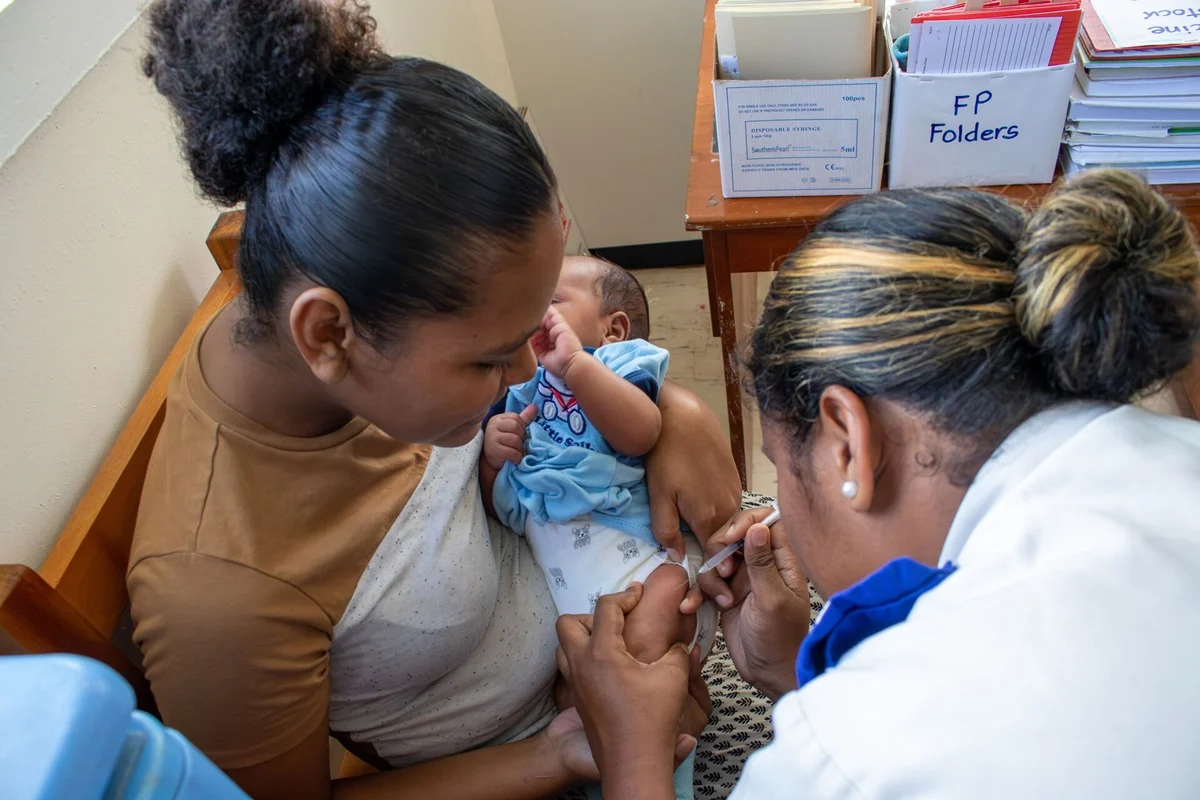
Since the adoption of these targets, the 2026 report documents significant strides. Since 2015, the annual number of new hepatitis B infections has dropped by 32% globally. This decline is largely attributed to the successful scale-up of childhood immunization programs. One of the most significant achievements highlighted is the reduction of hepatitis B prevalence among children under the age of five, which has fallen to 0.6% globally. This milestone is particularly noteworthy as 85 countries have already achieved or surpassed the 2030 target of 0.1% prevalence in this age group.
The report also tracks progress in the fight against hepatitis C. Since 2015, deaths related to hepatitis C have decreased by 12%. This progress coincides with the 2015 introduction and subsequent price reduction of Direct-Acting Antivirals (DAAs), a revolutionary 12-week oral treatment course that boasts a cure rate of approximately 95%. However, despite these medical breakthroughs, the transition from clinical availability to universal access remains incomplete.
The Global Burden: Regional Disparities and High-Impact Nations
The 2026 WHO data indicates that approximately 287 million people were living with chronic hepatitis B or C infections in 2024. However, the distribution of this burden is heavily concentrated in specific geographical regions and a handful of high-burden countries.
The WHO African Region faces the most acute challenge regarding hepatitis B. In 2024, the region accounted for 68% of all new hepatitis B infections worldwide. A critical factor in this high transmission rate is the low coverage of the hepatitis B birth-dose vaccination. The report finds that only 17% of newborns in the African Region received this vital first dose of the vaccine, which is essential for preventing mother-to-child transmission.
In contrast, hepatitis B mortality is highest in the African and Western Pacific Regions. Ten countries alone—Bangladesh, China, Ethiopia, Ghana, India, Indonesia, Nigeria, the Philippines, South Africa, and Viet Nam—accounted for 69% of the global hepatitis B death toll in 2024.
The landscape for hepatitis C is more geographically dispersed but remains concentrated in several large nations. In 2024, ten countries accounted for 58% of the global total of hepatitis C deaths: China, India, Indonesia, Japan, Nigeria, Pakistan, the Russian Federation, South Africa, the United States, and Viet Nam. Furthermore, the report highlights a specific challenge in the transmission of hepatitis C among people who inject drugs (PWID), a demographic that accounted for 44% of new infections globally in 2024. This statistic underscores the urgent need for expanded harm reduction services, safe injection practices, and decriminalization of health-seeking behaviors.
Bridging the Treatment Gap: A Call for Health Equity
The most concerning revelation of the 2026 report is the vast disparity between the number of people living with the disease and the number receiving care. Of the 240 million people living with chronic hepatitis B in 2024, fewer than 5% were receiving life-saving antiviral treatment. The situation for hepatitis C, while slightly better due to the curative nature of DAAs, remains inadequate; only 20% of those infected have been treated since the 2015 breakthrough.
Dr. Tedros Adhanom Ghebreyesus, WHO Director-General, addressed these gaps during the summit, stating, "Around the world, countries are showing that eliminating hepatitis is not a pipedream; it’s possible with sustained political commitment, backed by reliable domestic financing. At the same time, this report shows that progress is too slow and uneven. Many people remain undiagnosed and untreated due to stigma, weak health systems, and inequitable access to care. While we have the tools to eliminate hepatitis as a public health threat, urgent scale-up of prevention, diagnosis, and treatment is needed if the world is to meet the 2030 targets."
The report identifies several barriers to treatment, including the high cost of diagnostic tests in certain regions, a lack of decentralized care, and the persistent social stigma associated with the disease, which often prevents individuals from seeking testing. In many high-burden countries, hepatitis services remain siloed in specialist hospitals rather than being integrated into primary healthcare systems where they would be more accessible to the general population.
Proven Solutions and National Success Stories
Despite the sobering global statistics, the WHO report highlights several "beacons of hope"—countries that have demonstrated that elimination is achievable through innovative policy and investment.
Egypt stands as perhaps the most prominent success story. Once a country with one of the highest hepatitis C prevalence rates in the world, Egypt launched a massive national screening and treatment campaign. By providing free testing to millions and manufacturing affordable generic versions of DAAs, Egypt has moved toward the "Gold Tier" status on the path to elimination. Similarly, countries like Georgia, Rwanda, and the United Kingdom have made significant progress by implementing nationwide programs that provide universal access to screening and treatment, regardless of a patient’s socioeconomic status.
The WHO emphasizes that the tools for elimination are already at hand. These include:
- Universal Vaccination: Ensuring every infant receives the hepatitis B vaccine, including the crucial birth dose.
- Prevention of Mother-to-Child Transmission: Expanding the use of antiviral prophylaxis for pregnant women living with hepatitis B.
- Harm Reduction: Providing sterile needles and syringes and opioid agonist therapy for people who inject drugs.
- Blood Safety: Ensuring 100% screening of donated blood and practicing safe injections in healthcare settings.
- Testing and Treatment: Moving toward a "test and treat" model that simplifies the diagnostic journey and brings care to the community level.
Strategic Implications and Future Outlook
The 2026 report serves as a pivot point for global health policy. Dr. Tereza Kasaeva, Director of the WHO Department for HIV, TB, Hepatitis, and Sexually Transmitted Infections, emphasized the need for integration. "The data shows that progress is possible but also reveals where we are falling short. Every missed diagnosis and untreated infection due to chronic viral hepatitis represents a preventable death," Kasaeva noted. "Countries must move faster to integrate hepatitis services for people living with hepatitis B and C into primary care, and to reach the communities most affected."
The implications of failing to meet the 2030 targets are significant. Beyond the human cost of 1.34 million deaths annually, the economic burden of treating end-stage liver disease and liver cancer is immense. Analysis suggests that investing in early testing and treatment is significantly more cost-effective for national health budgets than managing the long-term complications of untreated chronic infections.
The WHO calls for a multi-pronged acceleration of efforts, particularly in the African and Western Pacific regions. Priority actions include scaling up treatment for chronic hepatitis B, expanding access to hepatitis C cures in the Eastern Mediterranean, and securing stronger political commitment to financing these initiatives.
As the World Hepatitis Summit continues, the international community faces a choice: continue with the current trajectory, which risks missing the 2030 goals, or commit to the aggressive scale-up of proven interventions. The 2026 Global Hepatitis Report makes it clear that while the path to elimination is fraught with challenges, the medical and strategic tools to end the epidemic are already in existence. The remaining hurdle is the political and financial will to ensure that these tools reach every individual, regardless of geography or economic status.
