
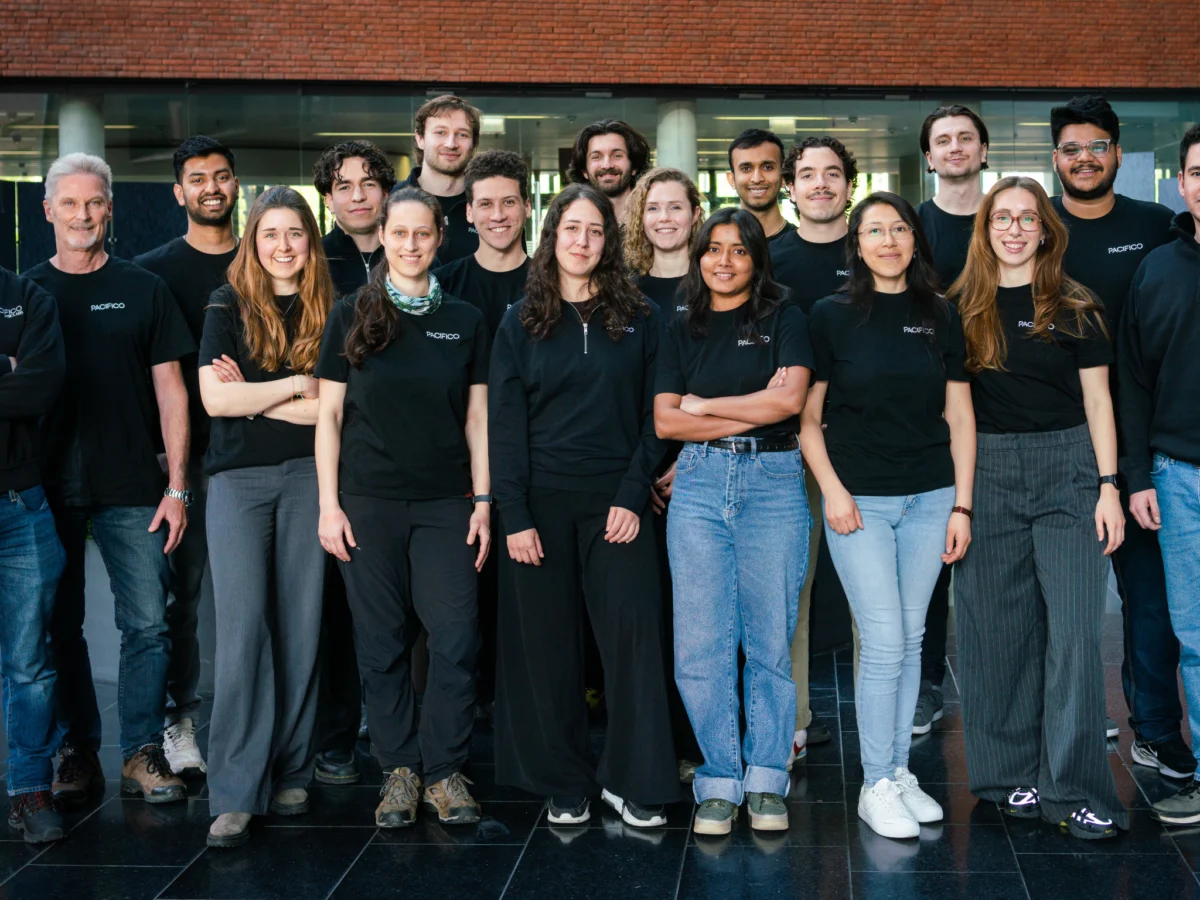
Pacifico Biolabs, a German-based innovator in the alternative protein sector, has successfully closed a €7 million ($8.1 million) Series A funding round. This significant investment will propel the company’s mission to scale up production and officially launch its novel, clean-label chicken alternative to the market. The funding round saw participation from prominent investors, including Stray Dog Capital, the Saxony-focused firm TFGS, Sprout & About Ventures, Simon Capital, FoodLabs, and a strategic partnership with a regional brewery.
The Leipzig-headquartered startup, initially focusing on seafood alternatives, has strategically pivoted to chicken production in response to substantial market demand. Co-founder and CEO Zac Austin explained the rationale behind this shift: "This move was driven by customer demand first and foremost: we spoke to a lot of customers who made clear they were looking for great chicken products. It also happened that we were able to produce an excellent chicken product." This customer-centric approach, coupled with the successful development of a high-quality product, has positioned Pacifico Biolabs for a promising market entry.
The newly acquired capital will be instrumental in several key areas. Pacifico Biolabs plans to significantly expand its production capacity to 200 tonnes per month at its facility in Saxony. This expansion is crucial for meeting anticipated demand and establishing a strong manufacturing base. Furthermore, the company intends to bolster its team, recruiting key talent to support its ambitious growth plans. A significant portion of the funding will also be allocated to forging commercial partnerships, with the ultimate goal of launching its mycelium-based chicken alternative in supermarkets across Germany, Austria, Switzerland, and the Nordic countries by the end of 2026.
Sören Schuster, managing director of TFGS, highlighted the company’s innovative approach to scaling: "Pacifico solves the industry’s scaling problem with an elegant, asset-light model. The combination of European sovereignty and high capital efficiency makes them a key player in the emerging bioeconomy." This endorsement underscores the strategic advantage of Pacifico Biolabs’ business model in a rapidly evolving market.
Mycelium Meat Production: A Unique Fermentation Strategy
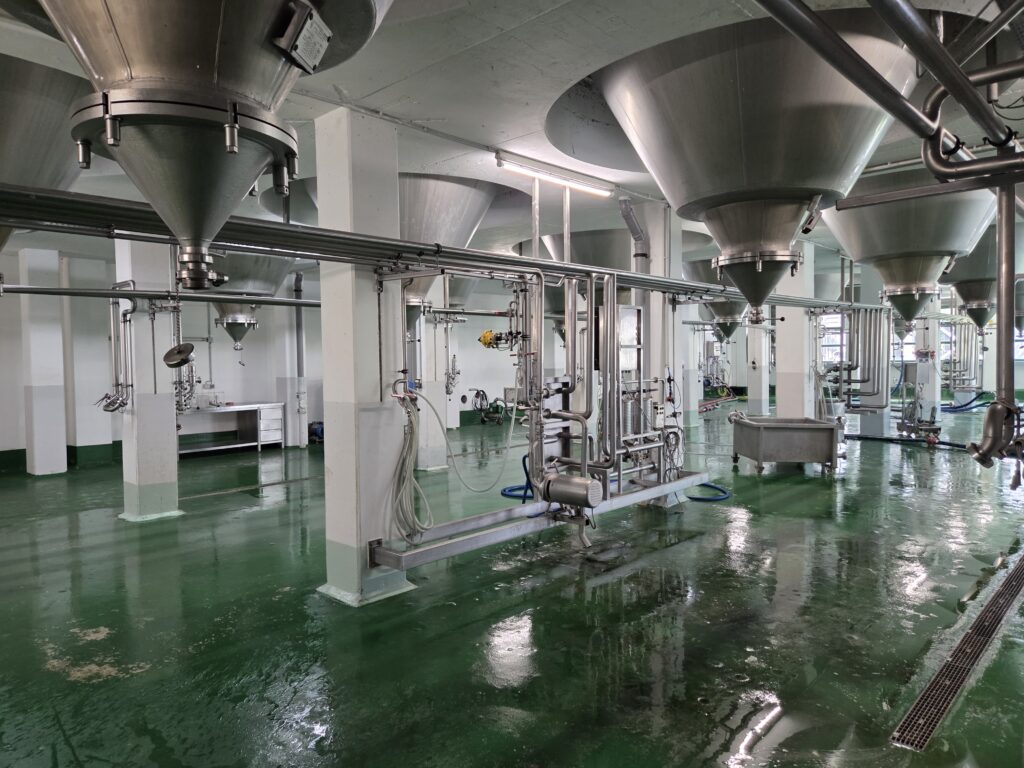
Pacifico Biolabs employs a unique biomass fermentation process to cultivate mycelium protein. This method involves feeding fungi a sugar-rich broth within fermentation tanks, transforming the microorganisms into a protein-rich biomass that closely mimics the texture and structure of whole-muscle meat. The resulting product is then harvested, shaped, and sliced, offering a versatile ingredient for various food applications. The company currently serves foodservice clients, as well as meat and alternative protein manufacturers and brands, demonstrating its broad market appeal.
A key differentiator for Pacifico Biolabs is its innovative use of fermentation tanks traditionally designed for beer brewing, rather than expensive, purpose-built bioreactors. This strategic choice significantly reduces capital expenditure and accelerates the path to commercialization. The decline in beer consumption across Europe, particularly in Germany, has created an opportunity for this approach. According to industry reports, beer sales in the EU have seen a consistent decline for five consecutive years, with German beer sales plummeting by a record 6% in 2025. This trend has resulted in many breweries having idle fermentation capacity.
Pacifico Biolabs is capitalizing on this surplus capacity, leveraging existing infrastructure to establish a low-cost, highly scalable manufacturing solution. This "asset-light" model bypasses the multi-year, capital-intensive process of constructing new production facilities. CEO Zac Austin elaborated on the cost savings: "This is a huge cost saver, particularly as it entirely mitigates the need to build a new dedicated production site. We do need to add some new equipment to a brewery site, but overall, we’re saving more than 95% of the capex versus other approaches." He further emphasized the operational efficiency, stating, "Additionally, the process is cheaper to run than other biomass fermentation processes we’ve seen, resulting in a lower cost and higher quality product."
This innovative manufacturing strategy has garnered attention from investors. Andréas Manzanares, principal at Stray Dog Capital, commented on the company’s potential: "By using existing infrastructure to produce clean-label, nutritious, and affordable meat alternatives that are indistinguishable from their animal counterparts, Pacifico offers a credible solution to a broken protein supply chain."
The Rise of Clean-Label and Anti-UPF Alternatives
The growing consumer demand for clean-label and minimally processed foods presents a significant tailwind for Pacifico Biolabs’ mycelium-based chicken alternative. Concerns about ultra-processed foods (UPFs) are on the rise, with polls indicating that 65% of consumers are concerned about their health impact, and 54% actively avoid plant-based meats due to their perceived ultra-processed nature. Pacifico Biolabs’ product, formulated with a minimal number of ingredients, directly addresses this consumer trend.
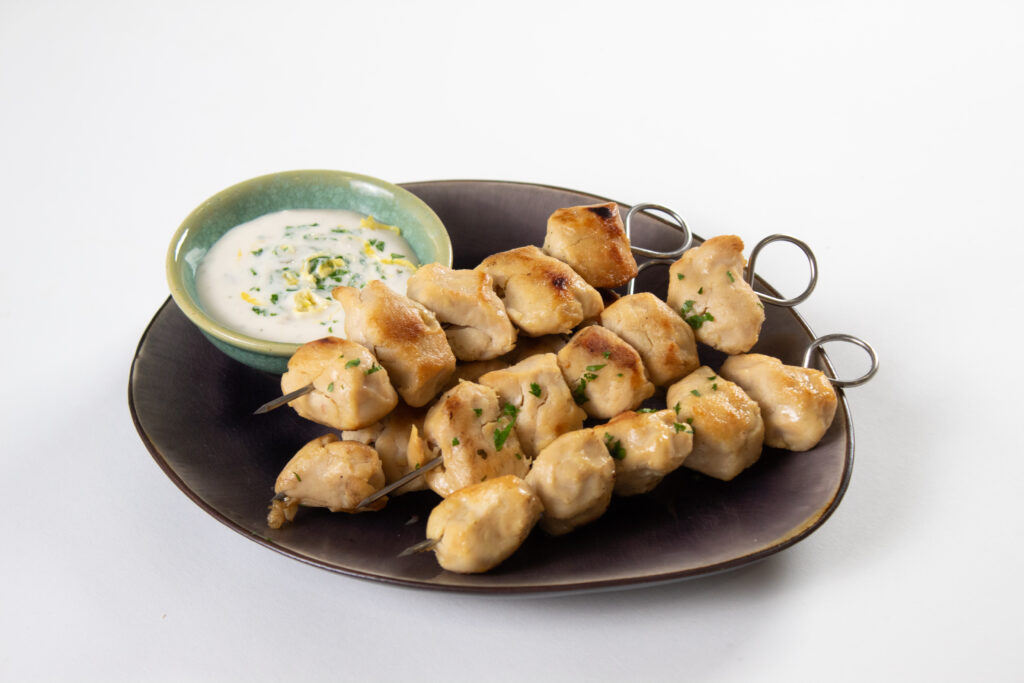
"Our product can be formulated with just fungi, but we have various formulations with different customers tailored to their specific application needs," explains Austin. "The huge advantage of our mycelium is that it’s naturally got the texture and structure just like chicken, so we don’t need to add a lot of other ingredients or processing steps to get to a great product." This inherent quality of mycelium reduces the reliance on extensive processing and additive ingredients, aligning perfectly with the clean-label ethos.
The environmental benefits of Pacifico Biolabs’ product are also substantial, contributing to the broader movement towards sustainable food systems. Animal agriculture is a major contributor to environmental challenges, responsible for an estimated 81-86% of the EU’s food-related greenhouse gas emissions and occupying 80% of its farmland, despite providing only a fraction of the food supply. In contrast, Pacifico Biolabs’ mycelium chicken requires up to 99% less land and 90% less water than conventional meat, while generating 90% fewer greenhouse gas emissions.
These environmental advantages are increasingly being recognized and supported by policymakers. Scientists have been urging the EU to bolster its support for alternative protein development, including fermentation-based products, to mitigate the environmental impact of the food system and ensure future food security. In line with this, the German government recently released a biotechnology roadmap aimed at fostering an innovation hub for novel proteins, signaling a growing commitment to the sector.
Pacifico Biolabs’ product boasts a nutritional profile that further enhances its appeal. It contains 30% protein, all essential amino acids, high fiber content, and is low in fat. This nutritional density, combined with its clean-label formulation, positions it as a compelling alternative for consumers seeking healthier and more sustainable protein options.
A Strategic Funding Trajectory
The current Series A funding round follows a series of successful previous investments. In 2024, Pacifico Biolabs secured $3.3 million in funding, and prior to that, a €680,000 non-dilutive investment from SAB, Saxony’s development bank. These earlier investments were crucial in enabling the company to develop its proprietary technology and prepare for market entry.
The success of this latest funding round is particularly noteworthy given the broader market trends in venture capital. Funding for fermentation startups experienced a significant downturn in the preceding year, with a 43.5% dip reported as part of a larger VC retreat from the alternative protein sector. Pacifico Biolabs’ ability to attract substantial investment in this challenging environment speaks to the strength of its business model and the confidence of its investors.
When asked about the key factors contributing to the success of their fundraising efforts, Austin attributed it to a clear and compelling narrative: "Our pitch has been focused on the scalability and economics of our production model, and the quality of our product, both of which are significant advantages." This emphasis on tangible strengths—efficient production, cost-effectiveness, and a superior product—resonated with investors seeking viable solutions in the alternative protein space.
While the company is currently focused on its chicken alternative, it has not abandoned its initial product ambitions. Pacifico Biolabs continues to develop its mycelium-based solutions for seafood and pork, indicating a long-term vision to address multiple protein categories within the alternative food market. The company’s strategic approach, leveraging existing infrastructure, focusing on clean-label attributes, and addressing the core challenges of cost, texture, and nutrition, positions it as a significant player in the future of protein. The successful Series A funding marks a pivotal moment, enabling Pacifico Biolabs to translate its innovative technology into a widely accessible, sustainable, and consumer-friendly food product.
