
The year 2021 presented a complex landscape as individuals and societies continued to adapt to the enduring realities of the COVID-19 pandemic. While a gradual return to pre-pandemic routines began to emerge, many also found themselves entrenched in new habits and hobbies cultivated during the extended periods of lockdown initiated in 2020. This dynamic shift has had a discernible impact on behaviors related to food and overall well-being, as evidenced by recent consumer surveys.
A comprehensive U.S. consumer survey conducted in 2021 indicated a notable decrease in certain pandemic-driven dietary patterns observed in the preceding year. Specifically, the proportion of Americans reporting an increase in snacking habits saw a significant decline, dropping from 32% in 2020 to 18% in 2021. Similarly, the number of individuals who stated they were "eating more in general" also diminished, falling from 20% in 2020 to 11% in 2021. This suggests a partial reversion towards pre-pandemic eating frequencies for a segment of the population.
However, the same survey also highlighted a contrasting trend: a reduction in home cooking. In 2020, 60% of consumers reported cooking more meals at home, a figure that decreased to 47% in 2021. This shift could be attributed to the reopening of restaurants and other food service establishments, allowing for a return to dining out. Concurrently, the survey underscored persistent and significant disparities in food security across the nation, a challenge that has been exacerbated by the economic fallout of the pandemic. Access to nutritious food remains a critical concern for many households, particularly those already facing financial precarity.
Beyond the realm of nutrition and daily habits, the COVID-19 pandemic continued to exert a wide-ranging and multifaceted influence on global health. The emergence of new viral variants throughout 2021 served as a stark reminder of the ongoing threat posed by the virus and underscored the critical urgency for intensified global vaccination efforts. This imperative is particularly pronounced in low- and lower-middle-income countries, where access to vaccines and healthcare infrastructure remains limited, creating a greater vulnerability to infection and severe outcomes.
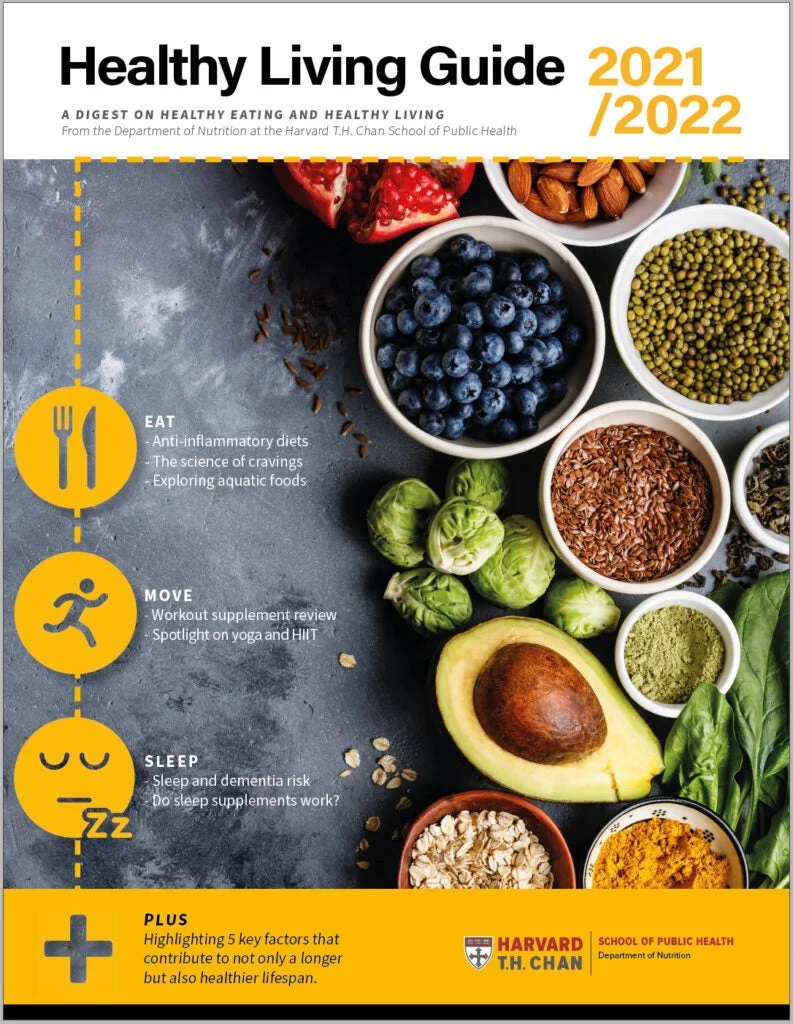
In response to these ongoing challenges and the persistent need for guidance on maintaining well-being, Harvard T.H. Chan School of Public Health’s Department of Nutrition, through its Nutrition Source initiative, released its annual "Healthy Living Guide." This publication aims to provide practical, evidence-based advice for individuals seeking to integrate healthy behaviors into their daily lives amidst the evolving pandemic landscape.
Revisiting Core Principles for a Healthier 2022
The 2021-2022 edition of the Healthy Living Guide reiterates and expands upon the foundational pillars of well-being: eating well, engaging in regular physical activity, and prioritizing adequate sleep. The guide draws upon selected research highlights and offers an in-depth examination of popular nutrition and lifestyle topics, providing readers with actionable insights and updated information. The publication’s release signals a continued commitment to empowering individuals with the knowledge and tools necessary for a healthier and more fulfilling life in the year ahead.
The Healthy Living Guide is available for download as a printable PDF, featuring accessible tip sheets and concise summaries of key information. For those seeking more comprehensive details, many of the articles referenced within the guide are also accessible online through direct links. This dual approach ensures that a broad audience can benefit from the latest recommendations and research findings.
Key Features and Focus Areas of the 2021-2022 Guide
The latest edition of the Healthy Living Guide delves into several critical areas designed to support individuals in their pursuit of optimal health. While the specific content is detailed within the downloadable PDF and associated online articles, the overarching themes represent a comprehensive approach to well-being. These include, but are not limited to:
- Evidence-Based Nutritional Guidance: The guide likely provides updated recommendations on macronutrient and micronutrient intake, emphasizing whole foods and plant-based diets. It may also address specific dietary patterns such as the Mediterranean diet, known for its cardiovascular and longevity benefits, and explore the role of dietary fiber, healthy fats, and lean proteins.
- Physical Activity Recommendations: Beyond general advice, the guide may offer insights into different types of exercise, including aerobic, strength training, and flexibility, and their respective health benefits. It could also address the importance of reducing sedentary behavior and incorporating more movement into daily routines, especially for those working from home.
- Sleep Hygiene and Its Impact: Recognizing the crucial role of sleep in overall health, the guide likely offers strategies for improving sleep quality and duration. This might include advice on establishing consistent sleep schedules, creating a conducive sleep environment, and managing common sleep disruptors like stress and screen time.
- Mindful Eating Practices: In an era of convenience and often rushed meals, the guide may highlight the benefits of mindful eating, encouraging individuals to pay attention to their hunger and satiety cues, savor their food, and foster a more positive relationship with eating.
- Addressing Food Security Challenges: While not a primary focus of individual lifestyle advice, the guide may acknowledge the broader societal issue of food security, perhaps by directing readers to resources or organizations working to combat hunger and improve access to nutritious food. This demonstrates a holistic understanding of health that extends beyond individual choices.
- Navigating Emerging Health Trends: The guide may also offer a balanced perspective on popular health and wellness trends, distinguishing between scientifically supported practices and those lacking robust evidence. This empowers consumers to make informed decisions about their health choices.
- Mental Health Integration: Increasingly, health guidance recognizes the interconnectedness of physical and mental well-being. The guide may touch upon the role of healthy eating, physical activity, and good sleep in supporting mental health, and potentially suggest resources for mental health support.
A Timeline of Pandemic-Related Dietary Shifts and Health Imperatives
The period from early 2020 to late 2021 saw profound shifts in global behaviors and priorities. Understanding this timeline provides crucial context for the findings presented in the Healthy Living Guide.
- Early 2020 (Q1-Q2): The onset of the COVID-19 pandemic led to widespread lockdowns, social distancing measures, and a significant disruption to daily life. This period saw a dramatic increase in home cooking as restaurants and public gathering spaces closed. Concerns about food availability and supply chain disruptions also led to increased stockpiling and a greater focus on pantry staples. Public health messaging heavily emphasized hygiene and reducing transmission.
- Mid-2020 to Early 2021 (Q3 2020 – Q1 2021): As lockdowns persisted and the "new normal" began to take shape, many individuals adopted new routines. Increased snacking and eating at home became more prevalent. The pandemic also highlighted existing health disparities, with frontline workers and vulnerable populations experiencing disproportionate impacts. Discussions around vaccine development gained momentum.
- Mid-2021 (Q2-Q3): With the rollout of vaccines in many parts of the world, there was a gradual easing of restrictions, allowing for a partial return to pre-pandemic activities. This period saw a potential decrease in home cooking as people began dining out more frequently. However, the emergence of new variants, such as Delta, prompted renewed caution and highlighted the ongoing need for public health measures and increased vaccination rates.
- Late 2021 (Q4): The year concluded with a continued interplay between the desire for normalcy and the ongoing public health concerns. Consumer surveys reflected these evolving behaviors, showing a decline in some pandemic-specific dietary habits while underscoring persistent challenges like food insecurity. The global push for equitable vaccine distribution intensified.
This chronological progression illustrates the dynamic nature of public health and individual behavior in response to a global crisis. The Healthy Living Guide serves as a vital resource, offering guidance that adapts to these changing circumstances.
Supporting Data: The Broader Landscape of Health and Nutrition
The insights from the U.S. consumer survey are part of a larger body of evidence that underscores the importance of healthy living, especially in the wake of the pandemic.
- Food Insecurity Statistics: According to the U.S. Department of Agriculture (USDA), in 2020, 10.5% of U.S. households (13.3 million households) were food insecure. This represents a significant portion of the population struggling to access adequate food. The pandemic has disproportionately affected low-income households, communities of color, and single-parent households, exacerbating existing inequalities.
- Prevalence of Chronic Diseases: The Centers for Disease Control and Prevention (CDC) reports that six in ten adults in the U.S. have a chronic disease, and four in ten adults have two or more chronic diseases. Conditions such as heart disease, type 2 diabetes, and obesity are strongly linked to diet and lifestyle. The pandemic has further highlighted the vulnerability of individuals with pre-existing conditions.
- Impact of Physical Activity: The World Health Organization (WHO) estimates that physical inactivity is responsible for an estimated 3.2 million deaths worldwide each year. Regular physical activity is crucial for maintaining cardiovascular health, managing weight, improving mental well-being, and reducing the risk of numerous chronic diseases.
- Global Vaccination Efforts: As of late 2021, while high-income countries had achieved high vaccination rates, many low- and lower-middle-income countries lagged significantly behind. The WHO has repeatedly called for greater equity in vaccine distribution, emphasizing that the pandemic cannot be effectively controlled until vaccination is widespread globally. This highlights the interconnectedness of global health.
Broader Impact and Implications: Navigating a Healthier Future
The information presented in the Healthy Living Guide and the data surrounding pandemic-related behaviors have several significant implications for individuals, public health initiatives, and the food industry.
For Individuals: The guide empowers individuals to make informed choices about their diet, physical activity, and sleep. By understanding current trends and evidence-based recommendations, people can proactively manage their health and build resilience against illness. The emphasis on core principles suggests a long-term approach to well-being, encouraging sustainable habits rather than short-term fixes.
For Public Health Initiatives: The guide serves as a valuable tool for public health organizations and educators. It can be used to develop targeted campaigns and educational materials that address specific concerns, such as improving nutrition in underserved communities or promoting physical activity in the workplace. The acknowledgment of food security disparities underscores the need for continued policy interventions and support systems.
For the Food Industry: The shifts in consumer behavior, such as the decrease in home cooking, signal evolving market demands. Food manufacturers and retailers may need to adapt their offerings to cater to these changes, potentially focusing on convenient, healthy meal solutions or expanding plant-based options. Understanding consumer preferences is crucial for developing products that align with healthier eating patterns.
For Global Health Equity: The persistent call for increased global vaccination rates, as highlighted by the emergence of new variants, underscores the interconnectedness of global health. The Healthy Living Guide, while focused on individual well-being, operates within a broader context where global health security is paramount.
The continued publication of resources like the Healthy Living Guide is essential in providing a beacon of reliable information in a complex and often overwhelming health landscape. By revisiting and reinforcing fundamental principles of healthy eating and living, and by acknowledging the evolving challenges presented by global events, such initiatives play a critical role in fostering a healthier future for individuals and communities worldwide. The drive for a healthy and fulfilling 2022, as articulated by the guide, is a shared aspiration that requires ongoing education, commitment, and collective action.
