
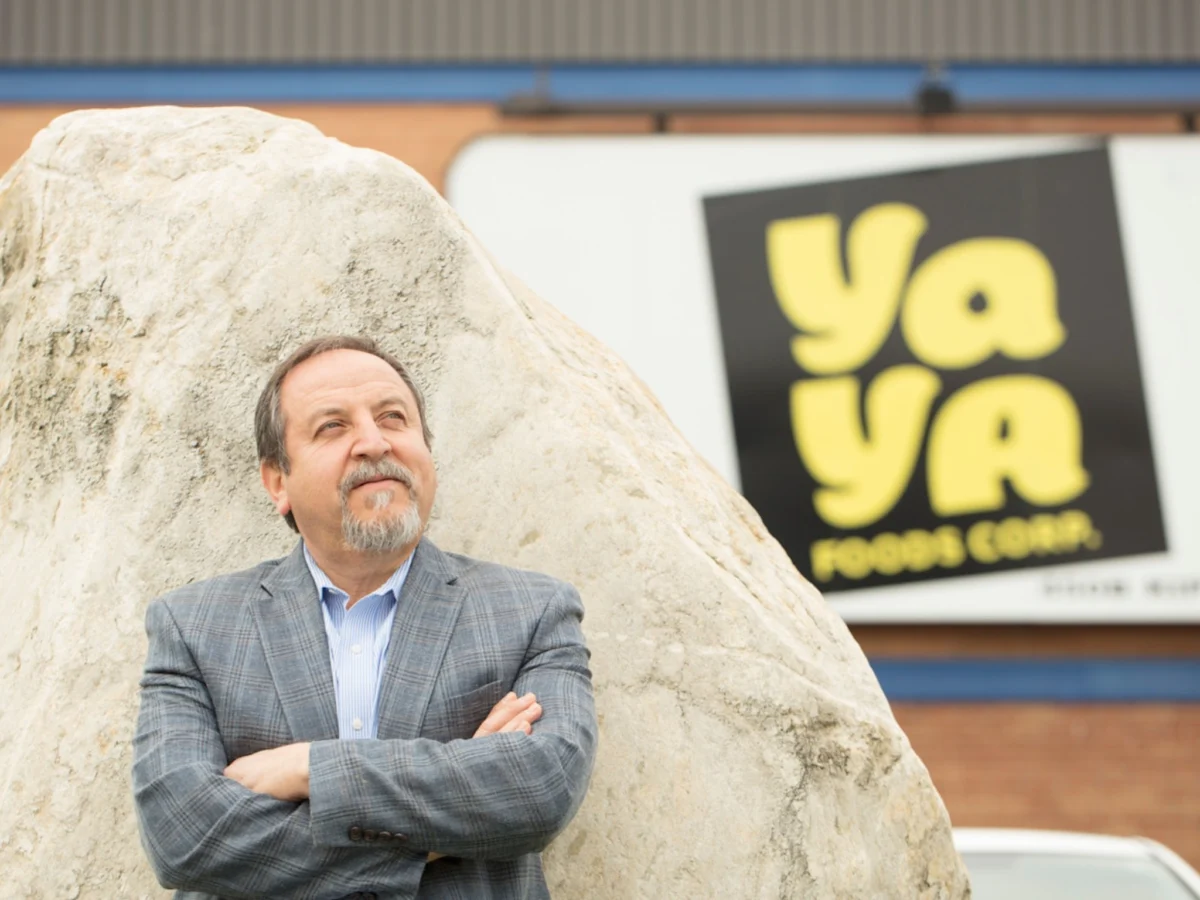
Michigan is set to become the epicenter of a significant advancement in plant-based milk production with the approval of a substantial grant for Fenton Food and Beverage, a new venture by the established owner of Ya Ya Foods Corp. This initiative will lead to the construction of a state-of-the-art $56.2 million factory dedicated to manufacturing plant-based milk using a groundbreaking technology that directly extracts milk from nuts using water. This facility is poised to be the first of its kind in North America, marking a pivotal moment for the burgeoning alternative dairy market.
The Michigan Strategic Fund (MSF) board has officially awarded a performance-based grant to Fenton Food and Beverage, a move that underscores the state’s commitment to fostering innovation in the food and beverage sector. The company’s significant investment of $56.2 million will be channeled into developing an industrial site equipped to produce key components for milk alternatives. This investment is expected to not only bolster Michigan’s manufacturing capabilities but also create a substantial number of new jobs, further stimulating the regional economy.
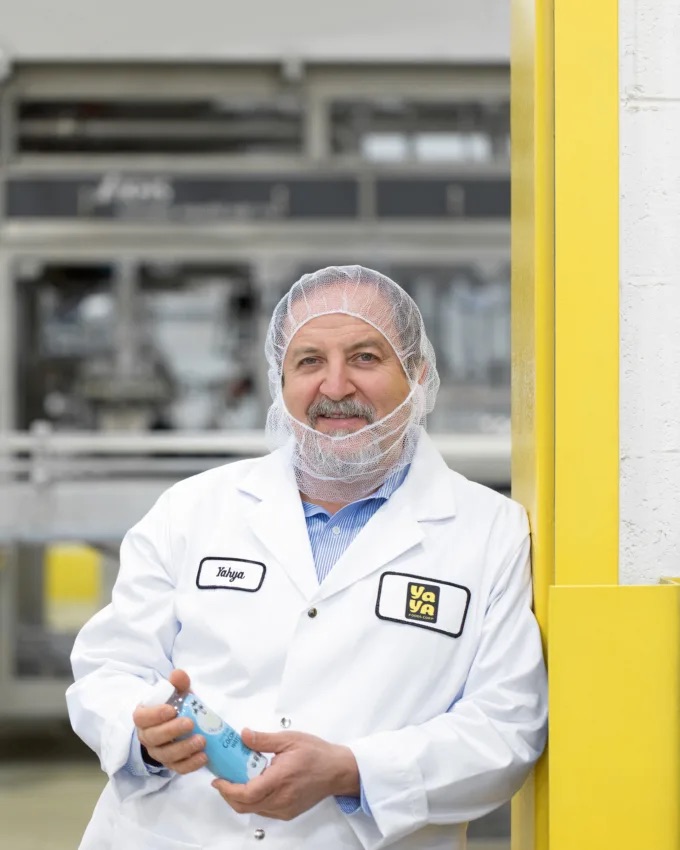
Fenton Food and Beverage is the brainchild of Yahya Abbas, the visionary founder and CEO of Ya Ya Foods Corp. Ya Ya Foods, a Canadian company with a distinguished history spanning over three decades, has established itself as a formidable player in the food and beverage manufacturing landscape. Currently, Ya Ya Foods holds the distinction of being the second-largest producer of plant-based milk in the United States. Its extensive co-manufacturing operations include a significant partnership with Oatly, the renowned Swedish oat milk giant, for whom Ya Ya Foods produces a considerable volume of its products.
The grant secured from the Michigan Strategic Fund amounts to $960,000. This financial support is contingent upon Fenton Food and Beverage fulfilling its commitment to generate at least 96 new jobs within the state. In addition to the direct grant, the MSF board has also approved a five-year tax exemption valued at $168,000, providing further financial incentive for the company’s expansion into Michigan. These incentives highlight a strategic effort by the state to attract and retain innovative businesses that contribute to job growth and economic development.
The new factory, the precise location of which is still under finalization, will be a testament to cutting-edge manufacturing processes. Its core innovation lies in a proprietary technology designed to extract milk directly from nuts using water. This method represents a departure from traditional approaches that often rely on processing plant-based ingredients into pastes. By directly extracting the milk, the new technology promises enhanced efficiency and potentially a more natural product composition. The facility is anticipated to span between 75,000 and 100,000 square feet, accommodating advanced production lines and research capabilities.
The Expertise Behind Fenton Food and Beverage
The establishment of Fenton Food and Beverage by Yahya Abbas leverages the extensive experience and infrastructure of Ya Ya Foods Corp. Ya Ya Foods operates as a comprehensive co-packing business, employing over 2,500 individuals. Its manufacturing portfolio is remarkably diverse, encompassing a wide array of products including still juice beverages, broths, various types of acidic and low-acid beverages, liquid foods, conventional dairy products, and, notably, plant-based milk.
Headquartered in a substantial 800,000 square foot facility in Toronto, Ya Ya Foods has demonstrated a consistent capacity for growth and strategic expansion. A significant development in its recent history was the acquisition of two of Oatly’s manufacturing plants located in Utah and Texas in 2023. This move was part of a strategic hybrid manufacturing partnership, wherein Oatly would produce its proprietary oat base and then transfer it to Ya Ya Foods for co-packing into finished Oatly products. This partnership underscores Ya Ya Foods’ deep integration within the plant-based milk supply chain and its established credibility with major industry players.
While Yahya Abbas holds ownership of both Ya Ya Foods and Fenton Food and Beverage, the operational structures of these two entities will remain distinct. However, the innovative plant-based milk components produced at the new Michigan facility are expected to be integrated into select Ya Ya Foods products, creating a synergistic relationship that enhances the overall product offering.
Job Creation and Operational Scope
Local media reports indicate that Fenton Food and Beverage is actively seeking to acquire a production facility in the range of 75,000 to 100,000 square feet. The company’s hiring plans are comprehensive, aiming to recruit a skilled workforce that includes operators, team leaders, mechanics, engineers, and warehouse personnel. This focus on a diverse range of roles signifies the complexity and scale of the operations planned for the new factory.
Tyler Rossmaessler, executive director of the Flint & Genesee Economic Alliance, provided further insight into the factory’s capabilities. "They’re going to be working on almond milk," Rossmaessler stated, as reported by WNEM-TV. He further elaborated on the facility’s versatility, noting, "But they’ll also be able to do short run other beverages. So, any entrepreneur or company that has a new product that they want tested in the market. They can run it through this facility as well." This dual capability suggests the factory will not only serve established brands but also act as an incubator for emerging beverage innovations, further solidifying Michigan’s position as a hub for food tech.
The grant awarded to Fenton Food and Beverage was part of a larger disbursement by the MSF this week, which collectively is expected to generate 650 new jobs and attract $97 million in capital investment across three different projects. Fenton Food’s investment constitutes the majority of this significant capital infusion, highlighting the substantial impact of this particular project.
Michigan Governor Gretchen Whitmer expressed enthusiasm for the state’s economic development trajectory, stating, "Michigan is on the move and open for business, competing for and winning big projects in industries like agribusiness and advanced manufacturing." Her remarks underscore the state’s strategic focus on attracting industries that offer high-growth potential and contribute to job creation.
Strategic Factors Driving Michigan’s Selection
The decision by Fenton Food and Beverage to establish its groundbreaking facility in Michigan was the result of a competitive selection process, with the state being among six Midwest and Southeast locations vying for the project. Officials cited several key factors that proved decisive for Fenton Food. The "availability of a productive labor force, a suitable building, and acceptable distribution channels" were identified as critical drivers behind the company’s choice.
Furthermore, Michigan’s strategic geographic location and its robust transportation infrastructure played a crucial role. The connectivity offered through Detroit Metro Airport, providing access to global cities, was a significant consideration for an international enterprise like Ya Ya Foods. The city of Fenton has also committed to supporting the project through vital infrastructure upgrades within a local business park, demonstrating a strong commitment from local government to facilitate the development.
Yahya Abbas himself expressed his satisfaction with the selection process and the outcome. "Michigan stood out early in our site selection process, and Fenton offered the right combination of access, workforce, and partnership," Abbas commented. He added, "We’re excited to move forward and build a strong, long-term operation here." This statement reflects confidence in Michigan’s business environment and its capacity to support the ambitious growth plans of Fenton Food and Beverage.
Broader Market Context and Future Implications
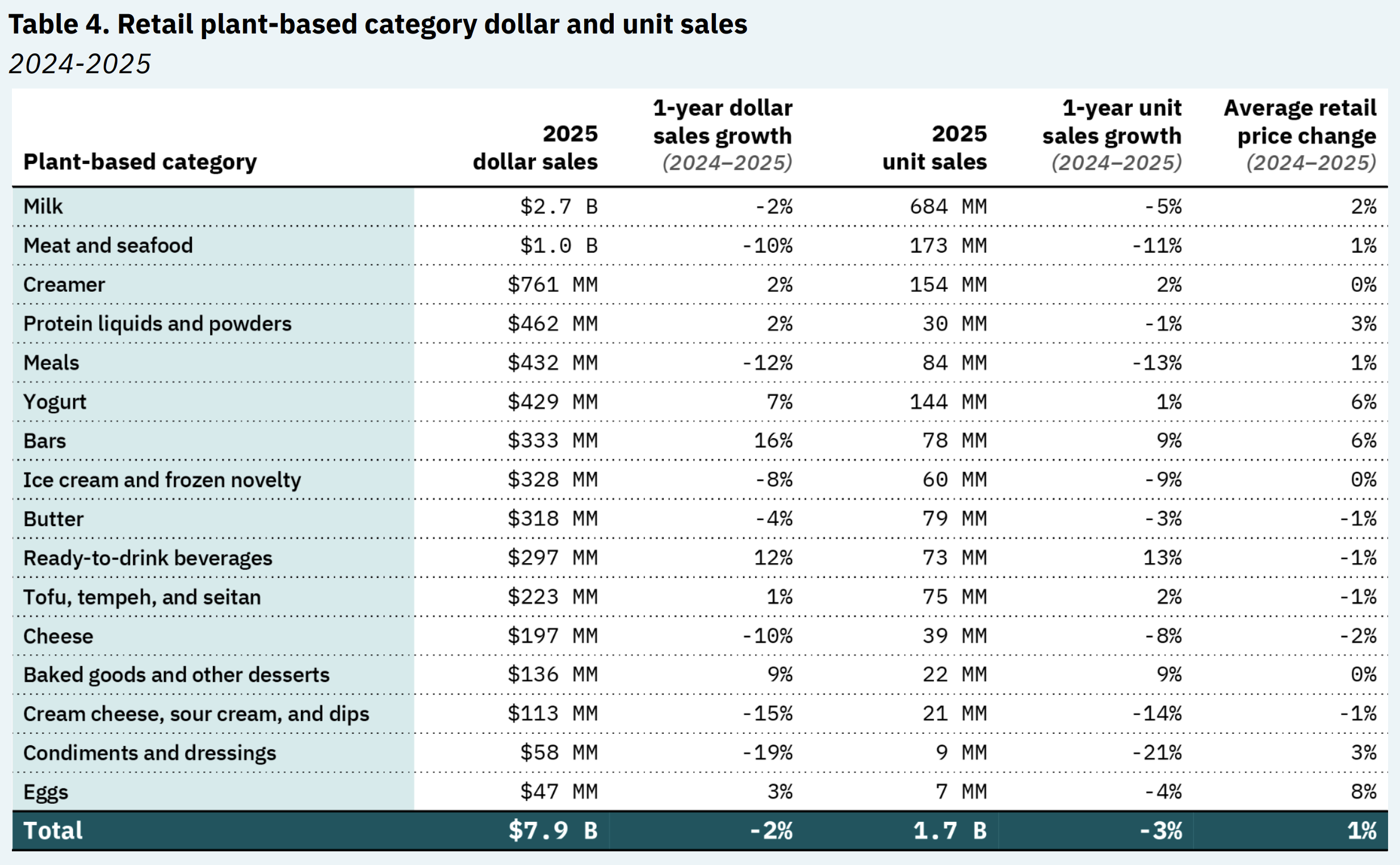
The establishment of this advanced plant-based milk manufacturing facility arrives at a critical juncture for the plant-based milk category in the United States. Recent data from SPINS, analyzed by the Good Food Institute, indicates a modest decline in retail sales of non-dairy milk, which fell by 2% to $2.7 billion in 2025. Despite this slight dip, plant-based milk remains the largest segment within the broader plant-based food sector.
However, the category is not monolithic. Specific segments within plant-based milk have shown resilience and growth. Soy milk and coconut milk, for instance, experienced a strong performance in 2025, with sales increasing by 4% and 27%, respectively. Beyond milk, other non-dairy products like creamers and yogurts also registered positive growth, with sales up by 2% and 7%, respectively. This indicates a nuanced market landscape where certain plant-based alternatives continue to gain consumer traction.
The industry has also seen recent shifts and adjustments. Earlier in May, Danone announced the closure of its 25-year-old plant-based dairy facility in New Jersey, a move that affected 114 jobs and produced products for its Silk and So Delicious Dairy-Free brands. Conversely, in a demonstration of sustained demand and strategic expansion, Oatly recently invested $16 million into a facility in Sweden, aiming to increase its production capacity by over 33% to meet growing global demand.
The development of Fenton Food and Beverage’s facility in Michigan, with its innovative technology and significant investment, could signal a renewed push for efficiency and novel production methods within the plant-based milk industry. The ability to directly extract milk from nuts using water offers a potential pathway to more sustainable and cost-effective production, which could be crucial for navigating the current market dynamics and driving future growth. The facility’s capacity for "short run other beverages" also positions it as a vital resource for smaller brands and innovators looking to enter the market, potentially fostering a more dynamic and diverse beverage ecosystem in Michigan. The project’s success will be closely watched as a bellwether for the future of plant-based food manufacturing in North America.
