

Polycystic Ovary Syndrome (PCOS) remains the most prevalent endocrine disorder among individuals of reproductive age, yet it is characterized by a significant diagnostic delay that leaves many patients without clinical answers for years. Research published in the journal Human Reproduction indicates that for a substantial portion of the population, the journey to a formal diagnosis can take upwards of two years and require consultations with at least three different medical professionals. Despite affecting between 8% and 13% of women globally, the complexity of the syndrome’s presentation often leads to clinical oversight, making the advent of accessible diagnostic tools a pivotal development in women’s healthcare.
The diagnostic challenges associated with PCOS are largely attributed to the heterogeneous nature of the condition. Because symptoms vary significantly between individuals—ranging from metabolic issues and infertility to dermatological concerns—standardized screening has historically been difficult to implement. However, the introduction of at-home diagnostic kits, such as the PCOS Home Test from Let’s Get Checked, is beginning to streamline the process, allowing patients to gather critical hormonal data from their own homes before engaging with specialized clinical teams.

The Clinical Framework: Understanding the Rotterdam Criteria
To understand why a PCOS diagnosis is often delayed, it is necessary to examine the international standards used by clinicians. Since 2003, the medical community has primarily relied on the Rotterdam criteria to identify the syndrome. A formal diagnosis requires the presence of at least two of the following three clinical features:
- Oligovulation or Anovulation: This is typically manifested as irregular menstrual cycles. Clinically, this is defined as having fewer than eight periods per year or experiencing cycles that last longer than 35 days.
- Hyperandrogenism: This involves elevated levels of "male" hormones, such as testosterone. It can be identified through biochemical testing (blood work) or clinical observation of symptoms like hirsutism (excessive hair growth on the face, chest, or back), severe adult acne, or androgenetic alopecia (thinning scalp hair).
- Polycystic Ovaries: Identified via ultrasound, this criterion is met when an ovary contains 12 or more follicles (measuring 2–9 mm in diameter) or has an increased ovarian volume.
A significant point of confusion for many patients is the name of the syndrome itself. "Polycystic" is frequently a misnomer; the "cysts" observed are actually small, immature follicles that have failed to develop and release an egg due to hormonal imbalances. Furthermore, approximately 20% of women may have polycystic ovaries visible on an ultrasound without meeting the other criteria for PCOS, meaning the imaging alone is not a definitive diagnostic tool.
The Traditional Diagnostic Journey and its Hurdles
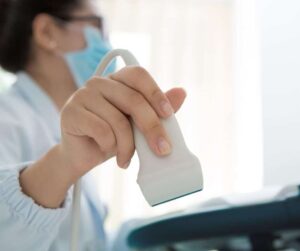
The standard path to a PCOS diagnosis typically begins in a primary care or gynecological setting. Physicians usually conduct a comprehensive review of medical history, a physical examination, and a series of pelvic ultrasounds and blood tests. The ultrasound, specifically the transvaginal variety, uses high-frequency sound waves to visualize the internal structure of the ovaries and the thickness of the uterine lining.

Beyond confirming the presence of follicles, doctors must perform a "diagnosis of exclusion." Because the symptoms of PCOS overlap with several other serious endocrine disorders, clinicians must rule out the following before confirming PCOS:
- Hypothyroidism: An underactive thyroid can disrupt menstrual cycles and cause weight gain.
- Hyperprolactinemia: Elevated levels of the hormone prolactin can inhibit ovulation.
- Non-classic Congenital Adrenal Hyperplasia: A genetic disorder that mimics the excess androgen production seen in PCOS.
- Cushing’s Syndrome: Overproduction of cortisol that can lead to weight gain and irregular cycles.
This exhaustive process of elimination is a primary driver of the multi-year diagnostic timeline. For many women, the repetitive nature of these tests, combined with the need for multiple specialist referrals, creates a barrier to timely intervention.
Innovation in Diagnostics: The Rise of At-Home Hormonal Testing
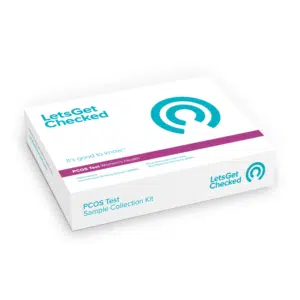
In response to the systemic delays in reproductive healthcare, the biotechnology sector has developed at-home testing solutions designed to provide laboratory-grade data without the initial need for an office visit. The Let’s Get Checked PCOS Home Test utilizes a capillary blood sample—obtained via a simple finger prick—to analyze the specific biomarkers associated with the syndrome.
This at-home kit targets a panel of key hormones that are essential for evaluating reproductive health:
- Testosterone (Total and Free): The primary androgen associated with PCOS symptoms.
- Sex Hormone Binding Globulin (SHBG): A protein that carries hormones through the blood; low levels often correlate with high levels of "free" or active testosterone.
- Luteinizing Hormone (LH) and Follicle-Stimulating Hormone (FSH): The ratio between these two hormones is often skewed in individuals with PCOS, frequently showing an LH level that is two to three times higher than FSH.
- Prolactin: Tested to ensure that high androgen levels are not caused by a pituitary gland issue.
- Anti-Müllerian Hormone (AMH): Often used as a marker for ovarian reserve, high levels of AMH are frequently found in women with polycystic ovaries.
Once the sample is collected, it is sent to a CLIA-certified and CAP-accredited laboratory. These are the same facilities used by hospitals and private clinics, ensuring that the results meet rigorous clinical standards. The data is then reviewed by a medical team, providing the patient with a "probable" diagnosis and a detailed report to share with their primary physician.
Procedural Requirements and Timing Constraints
The accuracy of hormonal testing is heavily dependent on the timing of sample collection. Hormones fluctuate throughout the menstrual cycle, and for results to be interpretable, they must be captured during the "baseline" period.
For individuals with regular cycles, the sample must be collected on Day 3, 4, or 5 of the menstrual cycle (with Day 1 being the first day of full menstrual flow). However, since irregular cycles are a hallmark of PCOS, many patients cannot predict their periods. In these instances, the protocol requires testing on any three consecutive days during a Monday-to-Friday window to ensure the lab can process the samples immediately.
A critical exclusion for this type of testing is the use of hormonal birth control. Combined oral contraceptives, patches, and certain IUDs work by suppressing the body’s natural hormone production to prevent ovulation. Consequently, any blood test taken while on these medications will reflect the synthetic hormones rather than the patient’s underlying endocrine function. Experts recommend being off hormonal contraceptives for at least three months before seeking a definitive PCOS blood panel.
Broader Health Implications and the Necessity of Early Intervention
Confirming a PCOS diagnosis is not merely about managing symptoms like acne or irregular periods; it is a vital step in long-term disease prevention. The hormonal imbalances characteristic of the syndrome have far-reaching effects on metabolic and cardiovascular health.

Statistical data highlights the following risks for individuals with undiagnosed or unmanaged PCOS:
- Type 2 Diabetes: More than 50% of women with PCOS develop type 2 diabetes or pre-diabetes before the age of 40, largely due to insulin resistance.
- Cardiovascular Disease: Patients are at a higher risk for hypertension (high blood pressure) and elevated LDL (bad) cholesterol, increasing the likelihood of heart attacks and strokes.
- Endometrial Cancer: Infrequent ovulation leads to a continuous buildup of the uterine lining without the regular "shedding" of a period, which significantly increases the risk of endometrial hyperplasia and cancer.
- Mental Health Disorders: There is a documented correlation between PCOS and higher rates of anxiety, depression, and eating disorders, often exacerbated by the physical symptoms of the condition.
By utilizing at-home testing to bypass the initial two-year waiting period, patients can initiate lifestyle interventions—such as targeted nutritional changes and exercise protocols—and medical treatments like metformin or spironolactone much earlier in the disease progression.
Analysis of the Shift Toward Patient-Led Diagnostics
The transition toward at-home testing represents a broader shift in the healthcare landscape toward "patient-led diagnostics." Medical professionals note that while an at-home test does not replace the need for a physician, it transforms the patient from a passive seeker of information into an active participant in their care.

The "probable diagnosis" provided by these kits serves as a catalyst. It provides the patient with empirical evidence to present to a doctor, which can prevent the "medical gaslighting" many women report experiencing when their symptoms are dismissed as mere stress or weight-related issues. When a patient arrives at a consultation with a validated lab report showing a 3:1 LH to FSH ratio and elevated free testosterone, the clinical conversation shifts immediately from "if" there is a problem to "how" to treat it.
Future Outlook for PCOS Management
As telemedicine continues to integrate with diagnostic technology, the barriers to reproductive healthcare are expected to diminish further. The Let’s Get Checked model, which includes a follow-up consultation with a nursing team for abnormal results, provides a bridge between raw data and clinical action.
For the millions of women currently navigating the "diagnostic odyssey" of PCOS, these advancements offer more than just convenience; they offer a reduction in the period of uncertainty. Early detection remains the most effective tool in mitigating the metabolic and reproductive complications of the syndrome, making accessible testing a cornerstone of modern women’s health. The ability to confirm a hormonal profile from home for a fraction of the cost of multiple specialist visits—currently priced at approximately $119 before discounts—is a significant step toward democratizing healthcare for a historically underserved population.
