
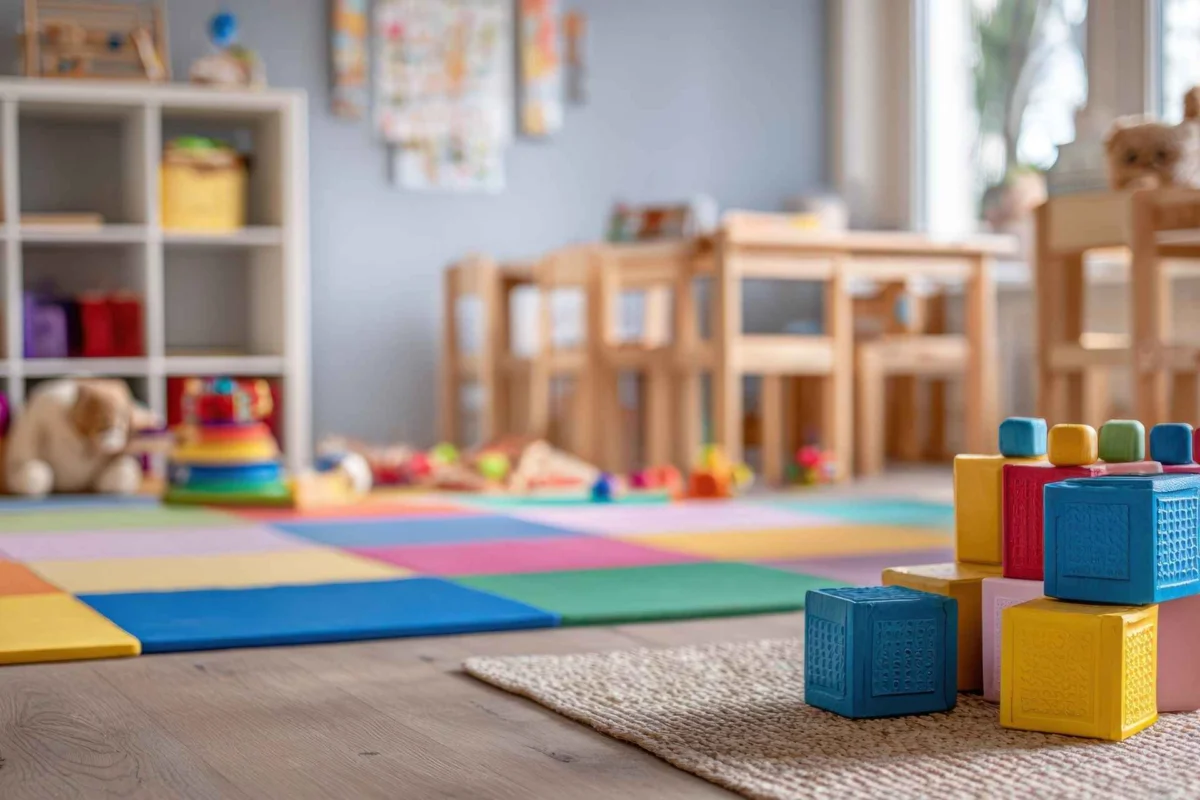
The traditional understanding of how infants develop their internal microbial ecosystems has long centered on the immediate family unit, particularly the mother. However, a landmark study published in the journal Nature has fundamentally shifted this perspective, revealing that social interactions within nursery settings play a far more significant role in shaping the infant gut microbiota than previously recognized. Researchers led by Liviana Ricci at the University of Trento in Italy have demonstrated that within just a few months of enrollment, the microbial communities of infants in daycare environments undergo a profound transformation, often becoming more influenced by their peers than by their own family members. This discovery redefines the nursery not just as a site for social and cognitive development, but as a critical biological "melting pot" that facilitates the transfer of essential bacterial strains, potentially influencing long-term health outcomes.
The Evolution of the Infant Microbiome: From Birth to Socialization
The human gut microbiota—the trillions of microorganisms living in the digestive tract—is vital for immune system calibration, metabolic health, and even neurological development. For decades, the scientific consensus held that the "founding" microbes of a child’s gut were primarily inherited during birth (vertical transmission) and through early skin-to-skin contact or breastfeeding. While these factors remain foundational, the Trento study highlights a secondary, horizontal wave of colonization that occurs when children enter group childcare settings.
The research team followed 43 infants throughout their first year of nursery attendance, employing advanced metagenomic sequencing to track the movement of specific bacterial strains. By analyzing more than 1,000 stool samples collected from the infants, their parents, siblings, caregivers, and even household pets, the scientists were able to map a complex web of microbial exchange. The data showed that while infants begin their lives with a microbiome closely mirroring their mothers, the introduction of a nursery environment introduces a high volume of new microbial inputs that quickly begin to dominate the gut landscape.
Chronology of Microbial Acquisition in Early Childhood
The study’s timeline provides a clear picture of how the infant gut matures and adapts to new social environments. In the earliest stages of life, the microbiome is relatively simple and highly sensitive to delivery methods—such as vaginal birth versus Cesarean section—and the use of antibiotics. However, the researchers observed a significant shift as the infants reached the 10-month mark.
By this age, the initial influences of birth mode and neonatal antibiotic exposure began to wane, giving way to environmental and social factors. As the infants transitioned into nursery care, a rapid increase in microbial diversity was observed. Within the first few months of interaction with peers, the "nursery signature" became evident. The researchers found that infants attending the same nursery began to share a significantly higher number of microbial strains with one another than they did with children in other childcare centers.
This transformation reached a tipping point where, in many cases, the bacteria acquired from nursery peers accounted for a larger portion of the infant’s gut composition than the strains inherited from family members. Perhaps most surprisingly, this shared microbial profile persisted even after significant interruptions in social contact, such as summer vacations. This suggests that the strains acquired in the nursery are not merely transient "visitors" but become established residents of the infant gut.
The Role of Siblings and Pets as Pre-Nursery Catalysts
Before entering a formal nursery setting, the study found that household composition serves as the primary determinant of microbial diversity. Infants with older siblings displayed a more diverse and "mature" gut microbiota earlier than only children. Siblings act as a bridge, bringing home microbes from their own social circles and schools, thereby "pre-training" the infant’s immune system and gut environment.
Household pets also contributed to this ecosystem, though to a lesser extent than human peers. The researchers identified several instances of strain sharing between infants and dogs or cats, further supporting the "hygiene hypothesis"—the idea that exposure to a diverse range of microbes in early life can help protect against allergies and autoimmune disorders. However, once the child entered the nursery, the sheer volume and frequency of peer-to-peer human contact quickly surpassed the microbial influence of pets.
Mapping the Transmission: From Peer to Parent
One of the most significant technical achievements of the study was the ability to use genetic tracking to reconstruct the path of bacterial transmission. The researchers were able to prove that microbes were not just moving from one baby to another, but were also being carried home.
The data revealed a "trickle-up" effect: a bacterial strain would be passed from Baby A to Baby B in the nursery, and subsequently, Baby B would introduce that strain into their own household, where it would eventually colonize the gut of Baby B’s parents. This finding suggests that nurseries serve as regional hubs for microbial exchange, influencing the microbiomes of entire communities. The nursery acts as a central node in a network of biological information, redistributing bacterial strains across various households that might otherwise have no direct contact.
Supporting Data and Taxonomic Shifts
The researchers utilized high-resolution strain-level analysis to distinguish between general species of bacteria and the specific, unique strains shared between individuals. This level of detail was necessary to confirm that the similarities observed were due to actual transmission rather than just similar diets or environments.
Key findings from the data include:
- Diversity Metrics: Infants in nurseries showed a 20-30% faster increase in taxonomic richness compared to infants cared for exclusively at home during the same period.
- Strain Sharing: By the end of the first year of nursery, peer-to-peer strain sharing was approximately 50% higher than the baseline sharing observed between unrelated infants at the start of the study.
- Persistence: Following a two-month summer break, over 70% of the "nursery-specific" strains remained present in the infants’ guts, indicating successful long-term colonization.
The study also noted a shift in the types of bacteria being shared. While early infancy is dominated by Bifidobacterium species (often associated with breast milk digestion), the nursery interactions accelerated the introduction of Bacteroides and other genera more commonly found in adult microbiotas. This acceleration suggests that social interaction effectively "ages" the microbiome toward a more robust, adult-like state.
Scientific and Public Health Implications
The implications of this research are far-reaching for both pediatrics and public health policy. For years, daycare centers have been viewed primarily as breeding grounds for pathogens and respiratory infections. While the transmission of illnesses remains a concern, this study provides a more nuanced view of the "germs" found in nurseries.
"Overall, our results reveal the centrality of social factors in shaping the infant microbiome via inter-individual microbial transmission," the researchers stated in their report. By recontextualizing social interactions as a "key to building a healthy microbiome," the study suggests that the benefits of early socialization may extend deep into the biological development of the child.
From a public health perspective, this research may lead to new guidelines for nursery hygiene that balance the need to prevent infection with the need to allow for beneficial microbial exchange. Overly sterile environments in childcare settings could potentially hinder the natural diversification of the infant gut, which is essential for the development of a resilient immune system.
Future Research and Limitations
While the study provides a detailed look at the "how" and "when" of microbial sharing, questions remain regarding the long-term health outcomes of these nursery-acquired strains. Future longitudinal studies will be required to determine if children with high nursery-driven microbial diversity have lower rates of asthma, obesity, or inflammatory bowel disease later in life.
Additionally, the study focused on a specific cohort in Italy. Researchers noted that cultural factors—such as local diets, typical household sizes, and even the architectural design of nurseries—could influence the rates of transmission. Expanding this research to different geographic and socioeconomic regions will be vital to understanding the global applicability of these findings.
Conclusion: A New Paradigm for Early Development
The University of Trento’s study marks a significant milestone in microbiome research, elevating the role of social environment to the same level of importance as genetics and diet. It underscores the fact that humans are not isolated biological islands but are part of a continuous, fluid exchange of life.
As babies crawl, play, and interact in the shared spaces of a nursery, they are doing more than just learning to socialize; they are actively constructing the internal biological systems that will support them for the rest of their lives. This research confirms that the "village" required to raise a child is not just a social necessity, but a biological imperative, providing the microbial diversity essential for a healthy start in life.
