
The pervasive notion that hair requires "hydration" to achieve softness, smoothness, and a "healthy" appearance has long dominated the beauty industry, influencing product marketing and consumer perception. However, a deeper dive into the science reveals a more nuanced and often counterintuitive relationship between water and hair, challenging ingrained beliefs held by both the public and some hair care professionals. This article aims to demystify the complex interactions, explaining why the widely promoted concept of "hydrated hair" as typically understood is largely a myth, and how true hair health is maintained.
Debunking the "Hydrated Hair" Myth
For decades, the beauty industry has championed "hydrating" hair products, leading consumers to believe that infusing hair with more water directly translates to desirable attributes like softness and manageability. Yet, according to leading cosmetic scientists and hair experts, this premise is fundamentally flawed. In numerous industry lectures, scientists have openly acknowledged the difficulty in re-educating consumers on this topic, often advised to simply align with market trends rather than challenge deeply entrenched popular beliefs. This commercial pragmatism has allowed the "hydration" myth to persist, despite scientific findings suggesting otherwise.
The term "hydration" itself is borrowed from skin care, where increasing water content in the stratum corneum (the outermost layer of skin) demonstrably improves flexibility and appearance. However, hair, being a non-living protein filament, responds to water very differently. Understanding this divergence is crucial for effective hair care.
The Molecular Dynamics: Water and Hair Bonds
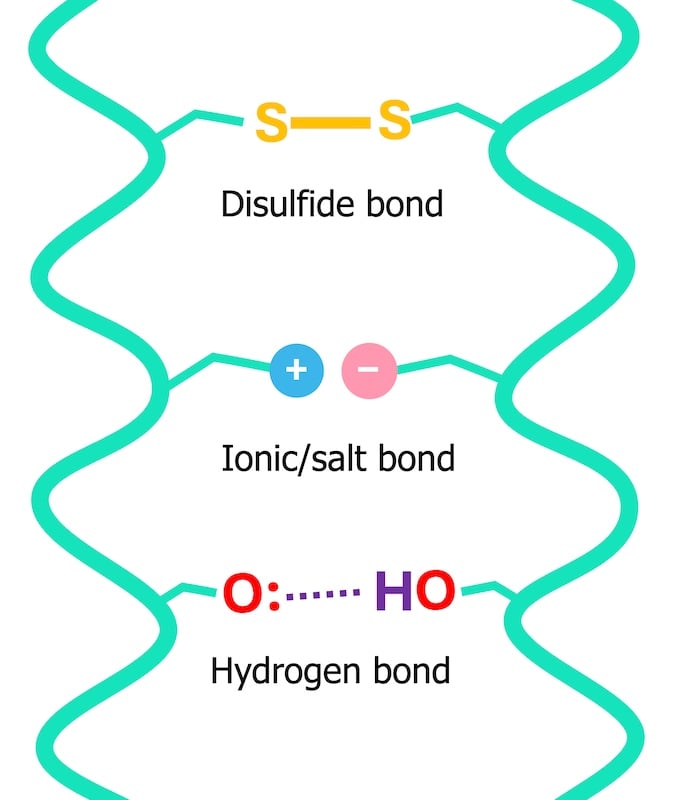
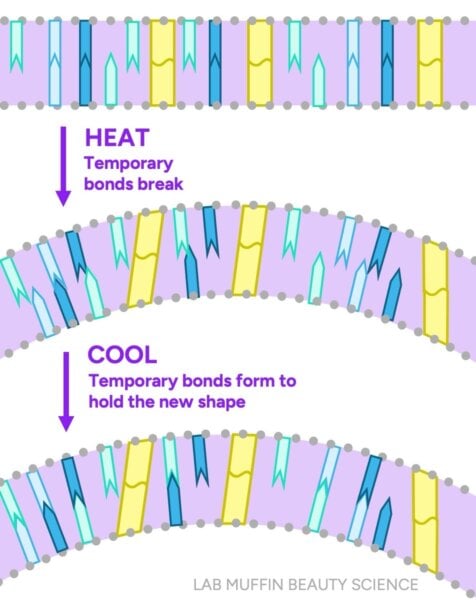
Hair’s structural integrity and shape are fundamentally governed by bonds between its protein constituents, primarily keratin. These bonds fall into two main categories: permanent bonds (disulfide bonds, which are strong and dictate the hair’s natural curl pattern) and temporary bonds (hydrogen bonds and salt bonds). The temporary bonds are particularly sensitive to water and are responsible for hair’s flexibility and ability to be styled.
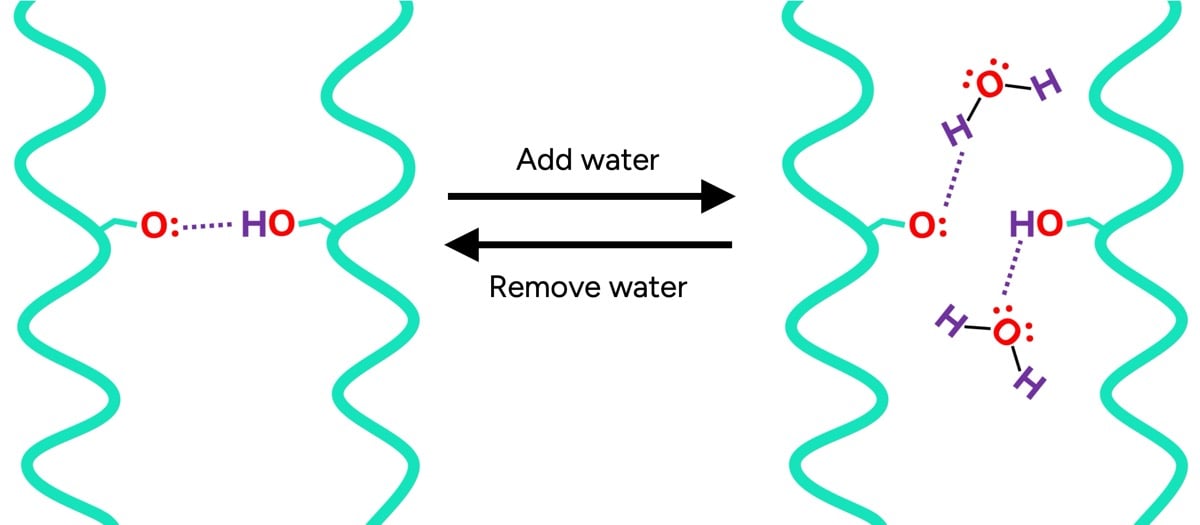
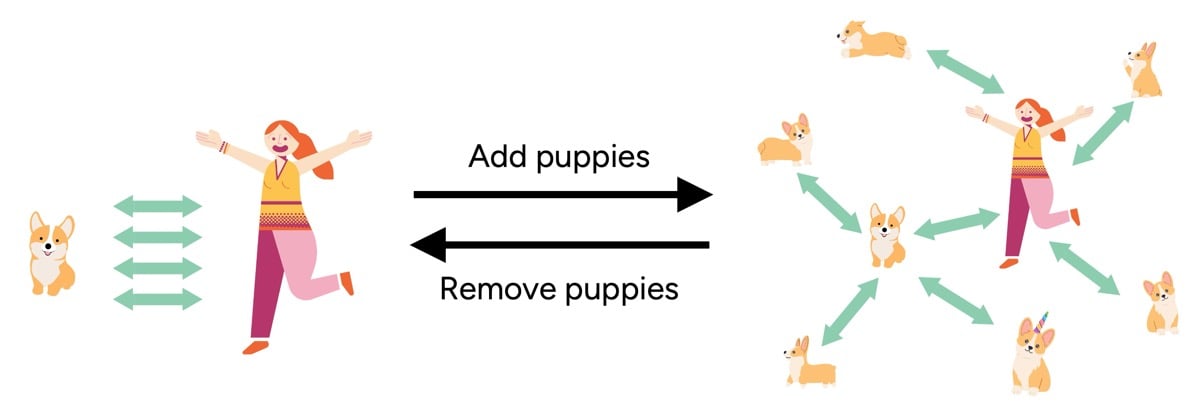
In dry hair, numerous temporary hydrogen bonds form between adjacent protein chains, effectively "holding hands" at a molecular level and contributing to the hair’s stiffness and strength. When water is introduced, these protein-protein hydrogen bonds are disrupted. Water molecules, being highly polar, readily form new hydrogen bonds with the hair proteins. This competitive bonding means that proteins in wet hair interact less with each other and more with water molecules, leading to a significant reduction in the overall number of inter-protein bonds. Consequently, wet hair possesses fewer internal structural connections, making it inherently weaker and more elastic compared to its dry state.
To illustrate, imagine a tightly woven fabric representing dry hair, where fibers are extensively interconnected. Introducing water is akin to dissolving some of these interconnections, making the fabric looser and more pliable but also more fragile. This molecular interaction is key to understanding why hair behaves differently when wet.
Water’s Dual Impact on Detangling: Hair Type Matters
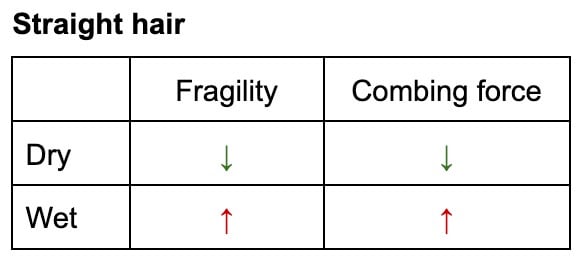
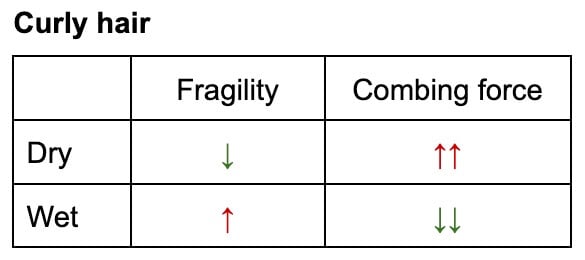
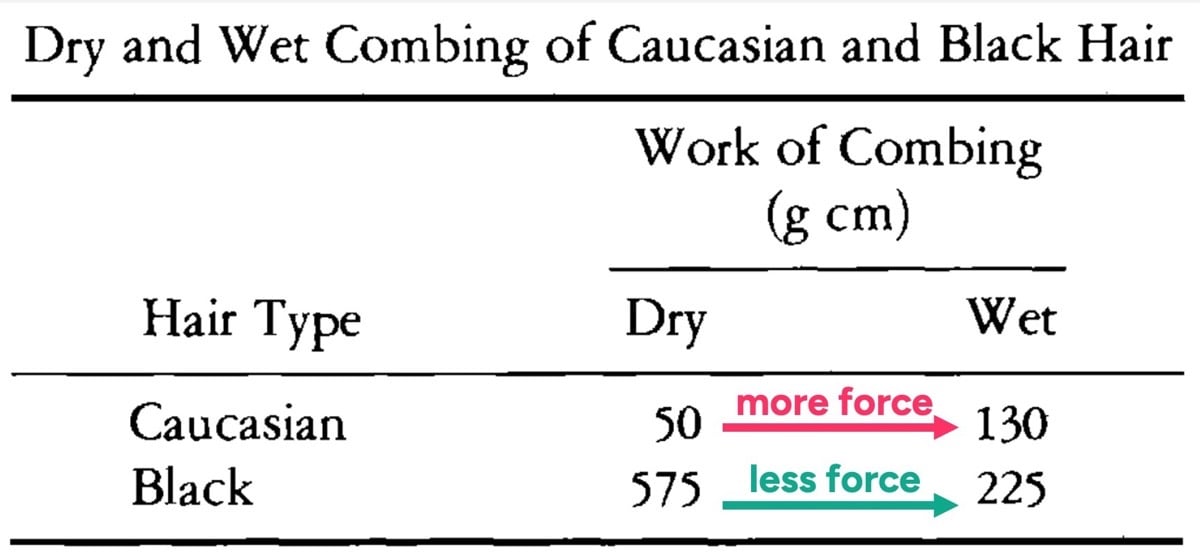
The weakened state of wet hair has critical implications for daily hair care practices, particularly detangling. For straight hair, the reduced number of bonds in its wet state means it is more susceptible to damage during combing. While it may feel stretchier, the increased friction between strands caused by water’s inherent stickiness, combined with its reduced tensile strength, makes wet detangling more damaging than dry detangling. Studies, such as those by Epps and Wolfram, have demonstrated that the force required to comb straight hair significantly increases with higher humidity and wetness, leading to greater cuticle damage and breakage.
Conversely, for curly and coily hair, wet detangling can be less damaging. Despite the inherent weakness of wet hair, the looser structure of curls allows for reduced resistance during combing. The presence of water helps to lubricate the strands and allows them to glide past each other more easily, minimizing the physical force needed to untangle knots. This is often why individuals with curly hair prefer to detangle in the shower with conditioner, as the combination of lubrication and temporary bond disruption aids in gentle manipulation.
This paradoxical behavior underscores that water is not universally "good" or "bad" for hair; its impact is highly dependent on hair type and how it is managed. Even ambient humidity can influence hair’s susceptibility to damage, mimicking the effects of direct wetting.
The Tactile Illusion: Why "Dry" Hair Feels Better
Perhaps the most counterintuitive aspect of hair and water interaction is how water content affects tactile perception. Common consumer wisdom dictates that "hydrated" hair should feel soft and smooth. However, scientific studies have consistently shown the opposite: hair with lower water content often feels more moisturized, smoother, and less damaged to human touch.
A notable study cited in Cosmetics & Toiletries involved 50 participants evaluating hair samples with varying water content. The overwhelming majority perceived the hair with less water as feeling more moisturized and smoother. This perceptual disconnect stems from the microscopic architecture of the hair cuticle, the outermost layer composed of overlapping scales.
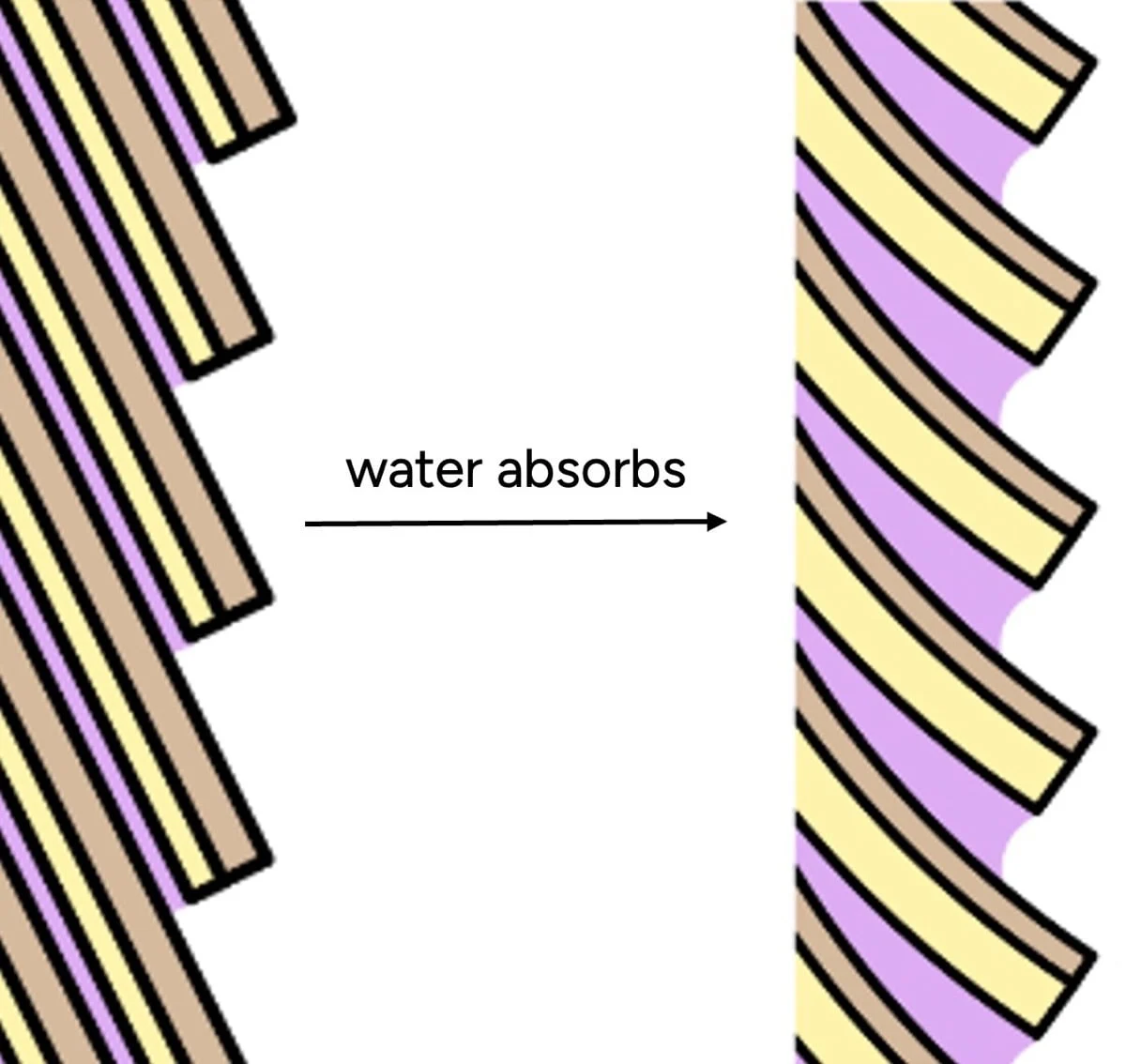
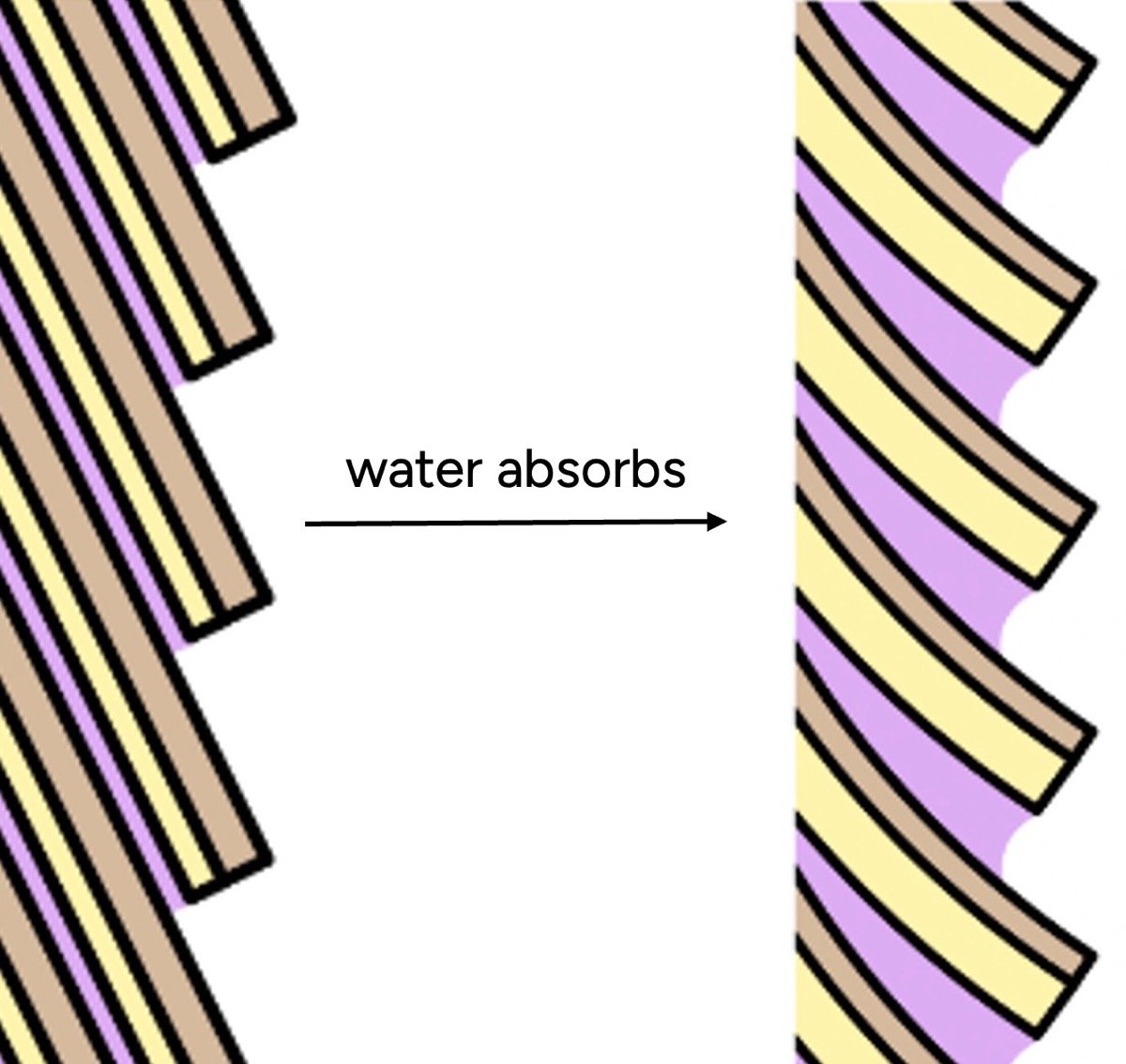
When dry, these cuticle scales lie relatively flat, creating a smooth surface. Upon contact with water, the cuticle scales absorb moisture and swell. Critically, different parts of the scale swell at different rates: the underside (endocuticle) and the intercellular glue (cell membrane complex) absorb significantly more water than the outer surface. This differential swelling causes the scales to lift and buckle, transforming the hair’s surface into a microscopically bumpy and rough texture. Furthermore, water itself is sticky and increases surface friction, a property we exploit when wetting fingers for better grip. Thus, a hair strand saturated with water becomes rougher and grippier at a microscopic level, which our brains interpret as "dry" or "damaged" because most other materials we encounter feel smoother when wet.
Beyond "Hydration": The True Role of Conditioning Products
Given the scientific understanding, how do "hydrating" hair products actually work? The answer lies not in increasing the hair’s internal water content, but in conditioning its surface. Most products marketed for "hydration" primarily function as conditioners. They contain oily ingredients, such as silicones, fatty alcohols, and natural oils, which deposit a thin, smooth film onto the hair cuticle.
This conditioning layer serves several vital purposes:
- Surface Smoothing: It fills in the gaps and flattens the lifted cuticle scales, counteracting the roughness caused by water swelling.
- Reduced Friction: It provides a lubricating layer, reducing friction between individual hair strands and between hair and external objects (like combs or hands).
- Protection: It forms a protective barrier against environmental aggressors and mechanical stress.
Undamaged hair naturally possesses an outermost oily layer, the F-layer, which provides similar benefits. Damage to hair, through chemical treatments, heat styling, or mechanical stress, strips away this F-layer. Conditioners essentially act as a synthetic replacement, mimicking the natural protective and smoothing properties of healthy hair. Therefore, the desirable sensation of "hydrated" hair is, in scientific terms, a result of effective conditioning and surface smoothness, not increased internal water.
The Restorative Power of Washing: Reshaping and Realignment
The experience of freshly washed and conditioned hair feeling significantly better than hair merely treated with a leave-in product is often attributed to hydration. While water plays a crucial role, it’s not about sustained water absorption, but rather its transient ability to reset and reshape the hair’s structure.
Several mechanisms contribute to this post-wash improvement:
- Even Distribution of Conditioners: Water acts as an excellent vehicle for spreading conditioning ingredients evenly across every strand. A rinse-off conditioner, diluted and distributed by water, can coat hair more uniformly than a concentrated leave-in product applied to already dry or damp hair.
- Temporary Bond Resetting: Water is highly effective at breaking the temporary hydrogen and salt bonds within the hair cortex. This "super floppy" state allows hair to be easily manipulated and styled. When the hair dries, these bonds reform in the new, desired shape. This is why humidity can disrupt a hairstyle – water molecules from the air penetrate the hair, breaking existing temporary bonds and allowing the hair to revert to its natural state.
- Enhanced Curl Clumping: For curly and coily hair, water’s surface tension facilitates self-assembly. Water molecules coating wet strands cause them to stick together, forming larger, well-defined curl clumps. These aligned clumps present a smoother, more uniform surface, which can feel colder and smoother to the touch, further contributing to the perception of "hydration" once dry. This is akin to how satin feels cooler than rougher cotton due to its smooth surface facilitating faster heat transfer from the hand.
- Microscopic Cuticle Realignment: Rapid drying, especially with high heat, can cause uneven shrinkage and buckling of cuticle scales, leading to a rough, uneven surface. Soaking hair in water and allowing it to dry naturally can reset this buckling, allowing the scales to lie flatter and smoother. This is a physical reshaping process, not an act of permanent hydration.
Crucially, none of these beneficial effects rely on hair retaining a higher water content in its final dry state. Instead, they leverage water’s ability to temporarily soften and reshape hair, allowing conditioning agents to perform optimally and for the hair’s structure to reset into a more desirable form.
Striking a Balance: The Ideal Water Content for Hair
While "hydration" as popularly conceived is misleading, hair does require a certain optimal level of internal moisture to function best. This "sweet spot" is analogous to skin: too wet, and it becomes fragile and easily damaged; too dry, and it turns stiff and brittle. Typical healthy hair contains about 10-15% water by weight, depending on humidity.
The negative effects of extreme water levels include:
- Too Much Water (Over-wetting): As discussed, wet hair is weaker, more elastic, and its surface is rougher due to cuticle swelling. This increased fragility can lead to "hygral fatigue" if hair is repeatedly saturated and dried without proper care, although the concept of water itself causing catastrophic damage has been largely debunked as a myth; rather, it’s the handling of wet hair that causes damage.
- Too Little Water (Excessive Dryness):
- Increased Static Build-up: In very low humidity environments (e.g., airplane cabins), hair becomes highly susceptible to static electricity. This occurs because dry hair readily loses electrons when rubbed against other materials, and without sufficient water to dissipate these charges, static builds up, causing flyaways.
- Brittleness and Reduced Shock Absorbency: Severely dry hair, with an excess of internal protein-protein bonds and insufficient flexibility, becomes brittle. It cannot effectively absorb mechanical shock from brushing or styling without developing microscopic cracks that eventually lead to breakage. This phenomenon is readily observable in fingernails, which are structurally similar to hair; dry nails crack and split more easily than wet, flexible nails.
Practical Applications: Managing Hair’s Water Content and Feel
Achieving the "happy medium" of hair water content, or at least making hair act like it has an ideal content, involves strategic product use and gentle practices:
- Emollients and Occlusives: These ingredients, found in conditioners and leave-in treatments, form a barrier on the hair surface, preventing excessive water loss in dry conditions or sealing in a beneficial level of moisture. Examples include silicones, natural oils (like coconut oil, which has been shown to penetrate hair shafts), and fatty alcohols.
- Humectants: Ingredients like glycerin or hyaluronic acid attract water from the air, helping hair maintain its moisture balance in moderately humid environments. However, in very dry conditions, humectants can draw moisture out of the hair, potentially causing dryness.
- Gentle Handling: Always treat wet hair with extreme care due to its weakened state. Use wide-tooth combs and apply ample conditioner to reduce friction during detangling.
- Mindful Drying: Avoid excessively hot or aggressive blow-drying, which can lead to uneven cuticle drying and buckling. Air-drying or using diffusers on lower heat settings can help maintain cuticle integrity.
Conclusion: Embracing Scientific Literacy in Hair Care
Water’s interaction with hair is a multifaceted scientific phenomenon, far more intricate than the simple "hydration" narrative suggests. It is neither inherently beneficial nor detrimental but rather a powerful tool that, when understood, can be leveraged for optimal hair health and styling. The desirable qualities of soft, smooth, and manageable hair are primarily achieved through effective conditioning, which smooths the cuticle, reduces friction, and allows hair’s structure to reset.
Consumers should prioritize products that focus on conditioning, strengthening, and protecting the hair’s outer surface, rather than being swayed solely by "hydrating" claims. The myth of "hygral fatigue" – the idea that water itself irrevocably damages hair – is largely unsubstantiated; rather, it is the mechanical stress applied to weakened wet hair that causes damage. By treating hair gently, especially when wet, and employing conditioning agents, individuals can foster true hair health, regardless of marketing terminology.
The ongoing challenge for the beauty industry and cosmetic science remains to bridge the gap between complex scientific realities and accessible consumer language, fostering a more informed approach to hair care that empowers individuals with factual knowledge.
References:
- Robbins CR. Chemical and Physical Behavior of Human Hair. 5th ed. Springer Berlin Heidelberg 2012.
- Evans T. Consumer vs. scientific language: relating in vivo to in vitro. Cosmetics & Toiletries. 2013;128(5):300-304.
- Epps J, Wolfram LJ. Letter to the editor. J Soc Cosmet Chem. 1983;34:213-214.
- Gamez-Garcia M. Moisture in the cuticle sheath: effects on hair mechanical and cosmetic properties. J Cosmet Sci. 2021;72:687-696.
- Kamath YK, Hornby SB. Effect of chemical and humectant treatments on the mechanical and fractographic behavior of Negroid hair. J Soc Cosmet Chem. 1985;36:39-52.
- Kaushik V, Chogale R, Mhaskar S. Single hair fiber assessment techniques to discriminate between mineral oil and coconut oil effect on hair physical properties. J Cosmet Dermatol. 2021;20(4):1306-1317. doi:10.1111/jocd.13724
