

Polycystic Ovary Syndrome (PCOS) remains the most prevalent endocrine disorder among women of reproductive age globally, yet it is characterized by a diagnostic process that many patients and clinicians describe as unnecessarily protracted and complex. Clinical research, including a seminal study published in the journal Human Reproduction, indicates that nearly 50% of women with PCOS remain undiagnosed, and for those who do receive a clinical confirmation, the journey often spans more than two years and requires consultations with at least three different healthcare providers. This delay in diagnosis represents a significant gap in women’s healthcare, particularly as early intervention is critical for managing the long-term metabolic and reproductive risks associated with the condition.
The standard diagnostic framework for PCOS has historically relied on the Rotterdam criteria, established in 2003. To receive a formal diagnosis, a patient must present with at least two of three specific clinical markers: oligo-ovulation or anovulation (irregular or absent menstrual cycles), clinical or biochemical signs of hyperandrogenism (elevated male hormones), and the presence of polycystic ovaries as visualized via ultrasound. However, the subjective nature of symptoms such as acne, hirsutism, and weight gain, coupled with the varied presentation of the syndrome across different phenotypes, often leads to clinical "gaslighting" or the misattribution of symptoms to lifestyle factors.

The Diagnostic Odyssey: A Chronology of Patient Barriers
The timeline for a typical PCOS diagnosis often begins in late adolescence or early adulthood, when menstrual irregularities or skin concerns first manifest. Data from the Monash University Center for Health Research and Implementation suggests that the "diagnostic odyssey" for PCOS follows a predictable but frustrating pattern.
In the first stage, patients typically present to a general practitioner with complaints of irregular cycles or difficulty losing weight. Because these symptoms overlap with other conditions, such as thyroid dysfunction or simple stress, they are frequently dismissed or treated symptomatically—often with the prescription of oral contraceptives—without an underlying hormonal investigation.
The second stage occurs when symptoms persist or worsen, leading to a second or third medical opinion. It is often at this juncture, sometimes years after the initial presentation, that a referral to an endocrinologist or gynecologist is made. The third stage involves the actual diagnostic testing, which may include transvaginal ultrasounds and extensive blood panels. By the time a diagnosis is confirmed, many women have already experienced significant psychological distress, including anxiety and depression, stemming from the uncertainty of their health status.

Innovations in Decentralized Diagnostics
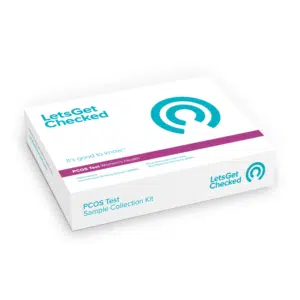
In response to these systemic delays, the healthcare industry has seen a surge in decentralized diagnostic tools designed to empower patients and streamline the path to clinical care. One notable development is the introduction of specialized at-home screening kits, such as the PCOS Home Test from Let’s Get Checked. These kits represent a shift toward patient-initiated screening, allowing individuals to gather baseline hormonal data without the immediate need for a clinical appointment.
The at-home testing process utilizes a capillary blood sample collected via a finger prick. This sample is then analyzed in a CLIA-certified laboratory—the same high-standard facilities used by hospitals and private clinics. The screening typically measures a comprehensive panel of hormones, including:
- Testosterone: High levels can indicate hyperandrogenism.
- Sex Hormone-Binding Globulin (SHBG): Often low in women with PCOS, leading to higher levels of free testosterone.
- Luteinizing Hormone (LH) and Follicle-Stimulating Hormone (FSH): An elevated LH-to-FSH ratio is a common indicator of the syndrome.
- Anti-Mullerian Hormone (AMH): Often elevated in women with polycystic ovaries.
- Prolactin: Measured primarily to rule out pituitary issues that mimic PCOS symptoms.
While these tests provide a "probable" diagnosis or a hormonal profile suggestive of PCOS, they are positioned as a bridge to, rather than a replacement for, traditional clinical consultation. Once the results are reviewed by a medical team, patients are provided with a report that can be presented to their primary physician, effectively bypassing the "watch and wait" period that often characterizes the early stages of the diagnostic journey.

The Role of Clinical Imaging and Differential Diagnosis
Despite the convenience of blood-based screening, the medical community emphasizes that a comprehensive diagnosis must still account for physical markers. The transvaginal ultrasound remains a cornerstone of PCOS assessment. In a clinical setting, an ultrasound allows a sonographer to identify "string of pearls" follicles—small fluid-filled sacs that fail to release an egg.
It is a common medical misconception that the presence of these cysts is required for a diagnosis; under the Rotterdam criteria, a woman can have "polycystic ovaries" without having the syndrome, or she can have the syndrome without the cysts if she meets the other two criteria. Furthermore, clinicians must perform a "differential diagnosis" to rule out mimicking conditions. These include:
- Cushing’s Syndrome: Overproduction of cortisol that causes weight gain and hair growth.
- Congenital Adrenal Hyperplasia (CAH): A genetic disorder affecting the adrenal glands.
- Hypothyroidism: An underactive thyroid that can disrupt menstrual cycles.
- Hyperprolactinemia: Elevated prolactin levels that can halt ovulation.
The integration of at-home hormonal data with professional physical exams and differential screening is increasingly seen as the gold standard for modern reproductive healthcare.
Broader Implications for Long-term Health
The push for faster PCOS diagnosis is not merely a matter of patient convenience; it is a clinical necessity driven by the severe long-term health implications of the disorder. PCOS is a systemic metabolic condition, not just a reproductive one. Women with the syndrome face a significantly higher risk of developing Type 2 diabetes, with some studies suggesting that more than 50% of women with PCOS will become diabetic or pre-diabetic before age 40.
Furthermore, the hormone imbalances associated with PCOS are linked to:
- Cardiovascular Disease: Hypertension and high LDL cholesterol are more prevalent in this population.
- Endometrial Cancer: Irregular periods can lead to a thickening of the uterine lining, increasing the risk of malignancy over time.
- Non-Alcoholic Fatty Liver Disease (NAFLD): Linked to insulin resistance, a core component of PCOS.
- Sleep Apnea: Particularly in patients who experience PCOS-related weight gain.
By identifying the condition earlier—potentially through accessible tools like at-home tests—healthcare systems can implement preventative strategies, such as metformin therapy, lifestyle interventions, and regular glucose monitoring, to mitigate these life-threatening risks.

Economic and Social Impact
The socioeconomic burden of undiagnosed or late-diagnosed PCOS is substantial. A 2022 economic analysis suggested that the cost of PCOS to the U.S. healthcare system exceeds $8 billion annually. This figure includes the costs of treating complications like diabetes and infertility, as well as the loss of productivity due to the psychological impact of the condition.
From a social perspective, the symptoms of PCOS—specifically hirsutism (excessive facial and body hair) and androgenetic alopecia (thinning hair)—can be devastating to a woman’s self-esteem and social integration. The delay in diagnosis often means women suffer these symptoms for years without knowing they are the result of a treatable hormonal imbalance. The rise of at-home testing and digital health platforms provides a layer of privacy and autonomy for women who may feel stigmatized by their symptoms or who lack easy access to specialized reproductive clinics.
The Future of Reproductive Health Management
As healthcare continues to move toward a personalized medicine model, the diagnostic pathway for PCOS is expected to become even more streamlined. Experts predict that the future will involve a "hybrid" approach: initial patient screening through digital health apps and at-home kits, followed by targeted, data-informed consultations with specialists.

The Let’s Get Checked PCOS test, currently priced at approximately $119 (with various discounts available through advocacy groups), represents a democratization of diagnostic data. While it does not eliminate the need for a doctor, it transforms the patient from a passive seeker of answers into an informed participant in their own care.
For the millions of women worldwide currently navigating the "two-year wait," these advancements offer more than just data; they offer a shortcut to treatment and a reduction in the period of uncertainty that has defined the PCOS experience for generations. The transition from a reactive to a proactive diagnostic model is essential for improving the quality of life and long-term health outcomes for women living with this complex hormonal disorder.
