
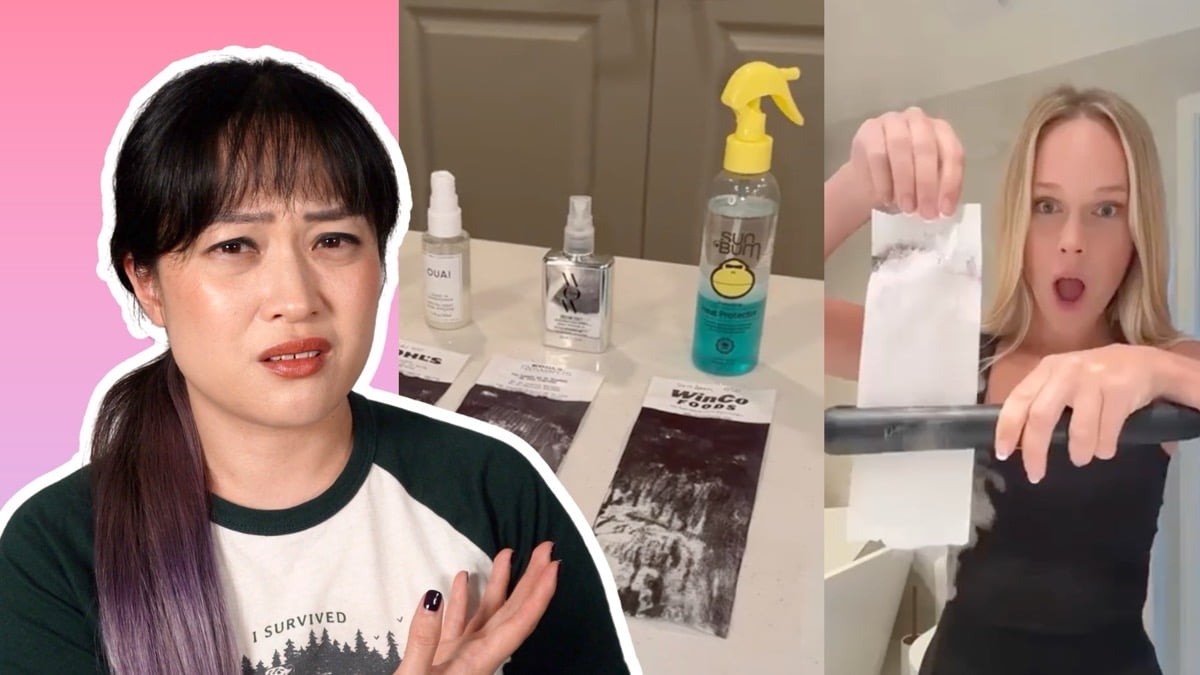
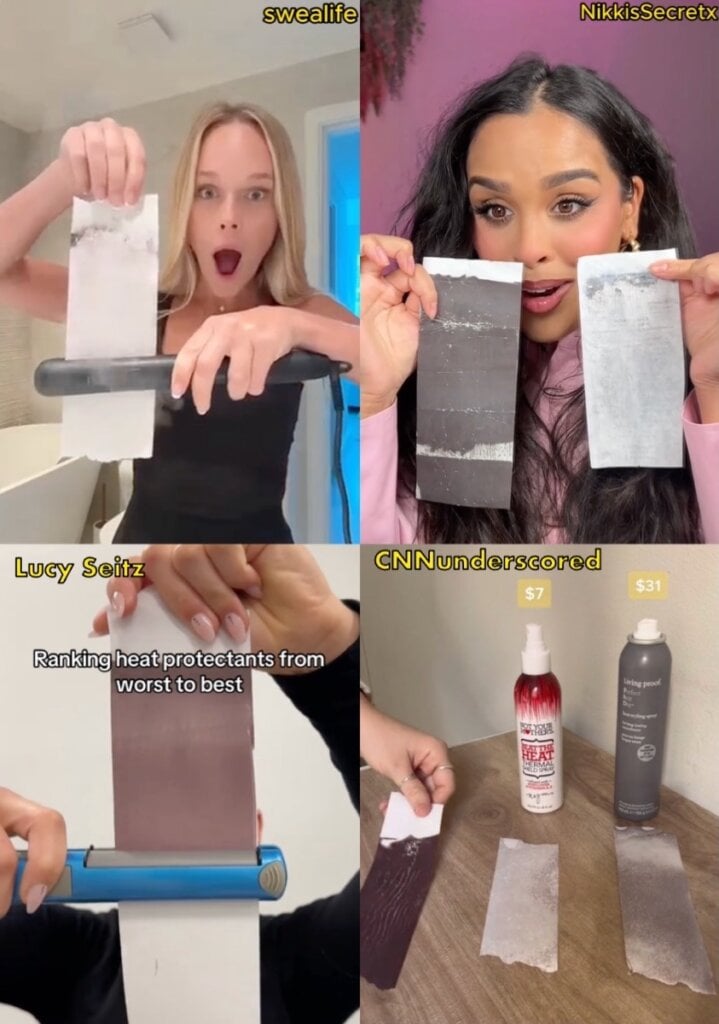
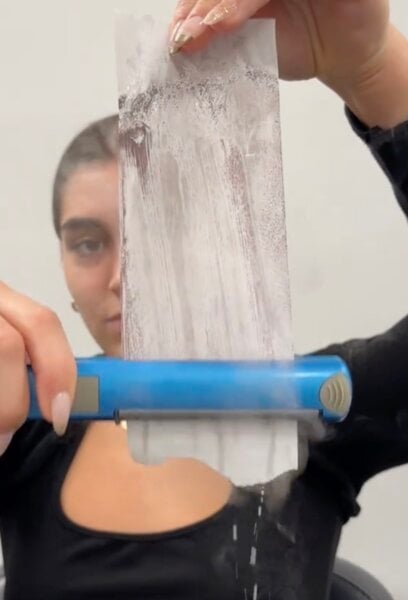
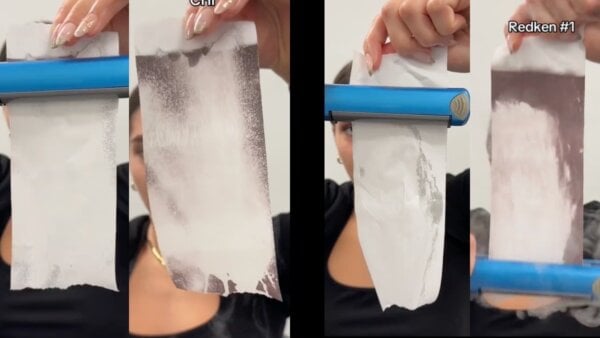
The burgeoning world of online beauty trends has seen countless DIY experiments captivate audiences, with one particular test for heat protectants on thermal paper receipts gaining significant traction across social media platforms. The premise appeared straightforward: spray a heat protectant onto a thermal receipt, apply a flat iron, and observe the result. Receipts that remained white were quickly hailed as evidence of effective heat protection, while those that darkened indicated a product’s failure. However, a rigorous scientific investigation by Dr. Michelle Wong of Lab Muffin Beauty Science has systematically dismantled this popular viral test, revealing that its seemingly logical methodology is fundamentally flawed and provides no accurate insight into a product’s ability to protect hair from thermal damage.
The Rise of the Receipt Test: A Digital Phenomenon
In an era dominated by short-form video content, particularly on platforms like TikTok, beauty hacks and product tests frequently go viral, appealing to a consumer base eager for immediate, visual proof of product efficacy. The thermal receipt test emerged as a compelling example of this phenomenon. Thermal paper, commonly used for cash register receipts, is engineered to darken when exposed to heat, due to a thermochromic coating. The intuitive leap made by content creators was that if a heat protectant genuinely worked, it would prevent this darkening, much like it would theoretically shield hair from a hot styling tool. This perceived "surface validity" lent credibility to the test, distinguishing it from other easily dismissible beauty experiments involving non-biological substrates like fruit or paper. The test quickly proliferated, influencing countless purchasing decisions as users shared their results and endorsed products based on the receipt’s reaction.
Initiating the Scientific Inquiry: Replication and Initial Observations
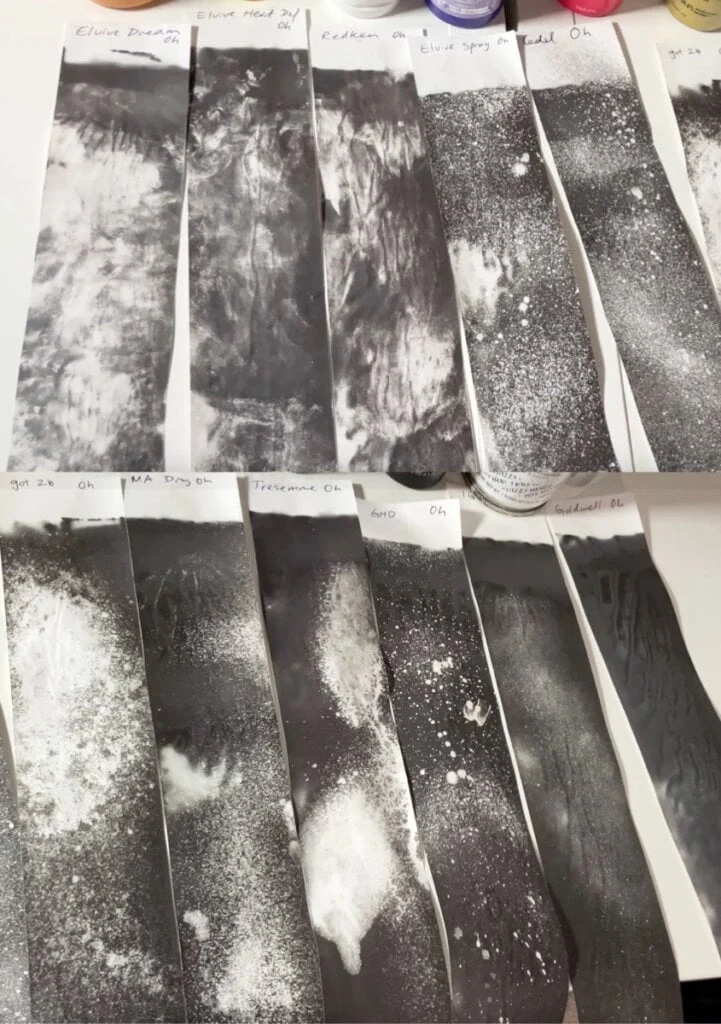
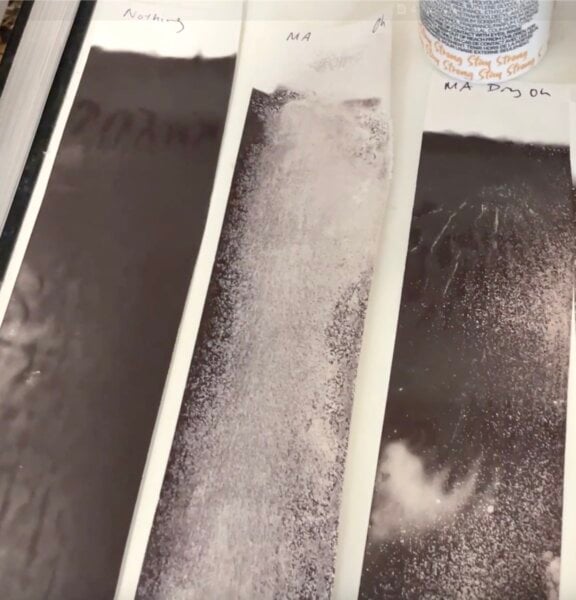
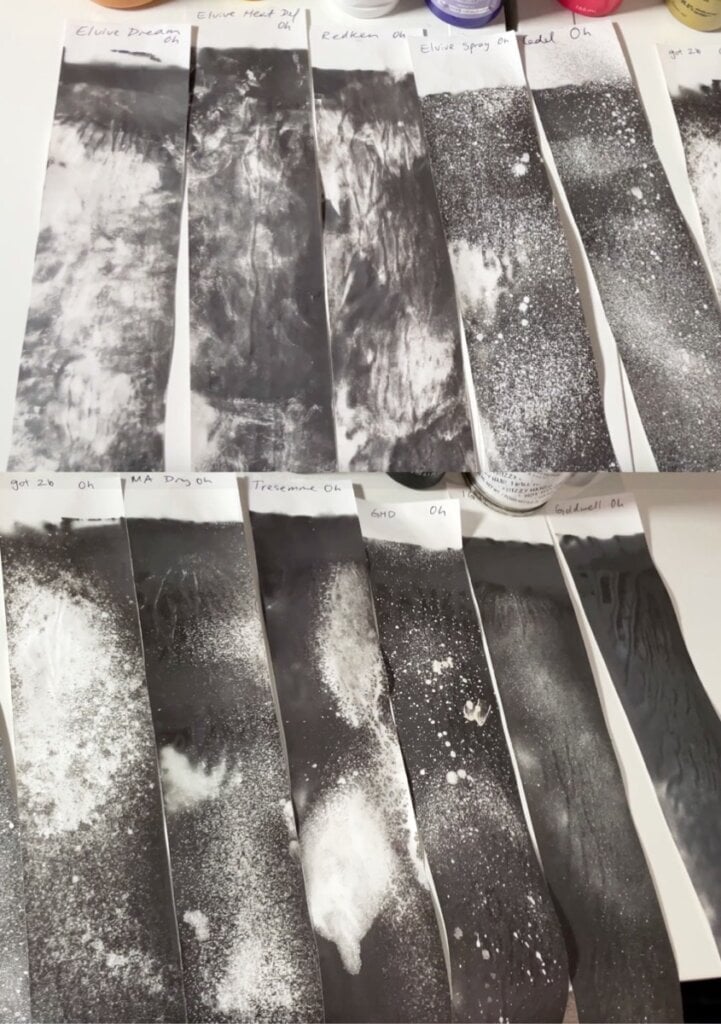
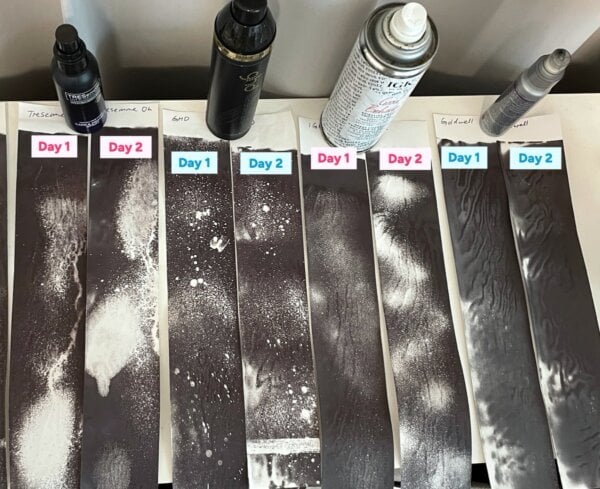
Dr. Wong’s investigation commenced with an attempt to replicate the viral test, meticulously documenting the process to identify underlying mechanisms. Her initial experiments involved applying various heat protectants – a selection of 7 pump sprays, 1 propellant spray, and 3 cream products, chosen for their diverse formulations and heat protection claims – to thermal paper receipts. A standard flat iron, set to 170°C (338°F), was then applied. Early observations quickly highlighted inconsistencies. When one product, the Marc Anthony spray, was applied and immediately subjected to heat, it crackled and smoked, indicating the presence of moisture. This observation led to a crucial modification: all subsequent receipt applications were allowed a drying period of approximately 15 minutes before heat application, mirroring attempts by some content creators to refine their methods.
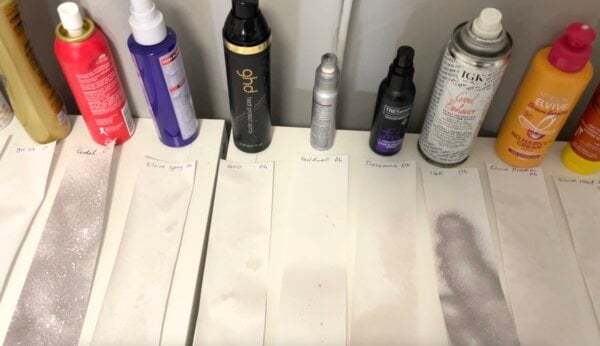
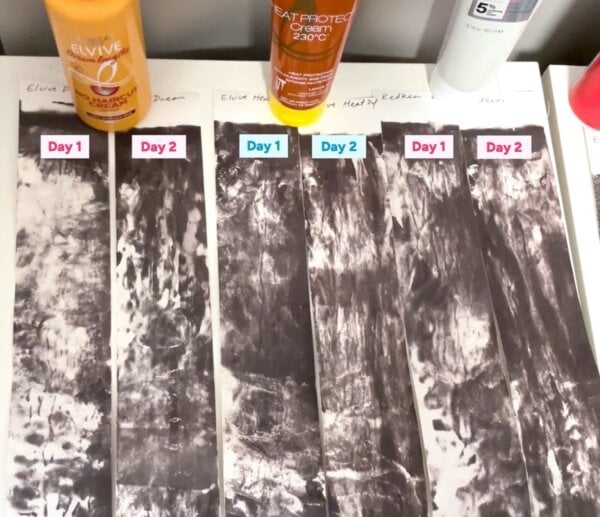
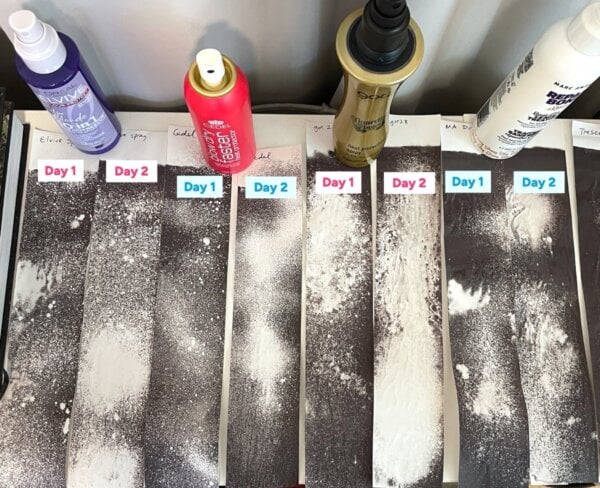
The immediate impact of drying time was stark. Receipts tested instantly after application showed significantly darker results compared to those allowed 15 minutes to dry, even with the same product. This suggested that residual moisture played a role in buffering the heat, a factor often overlooked in viral demonstrations. Furthermore, the creams generally produced the lightest results, which Dr. Wong attributed to their thicker application providing greater insulation and potentially retaining more moisture due to their formulation. Conversely, two sprays, Goldwell and IGK, yielded the darkest receipts. These products were notable for having water much lower on their ingredient lists, implying less water content to absorb heat. These initial findings pointed towards a complex interplay of product volume, drying time, and formulation characteristics rather than a simple measure of heat protection.
The Puzzling Role of Water and the "Bubble Hair" Phenomenon
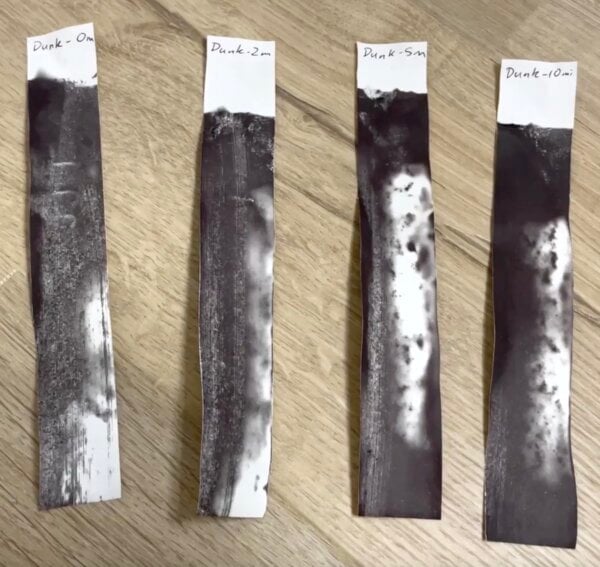
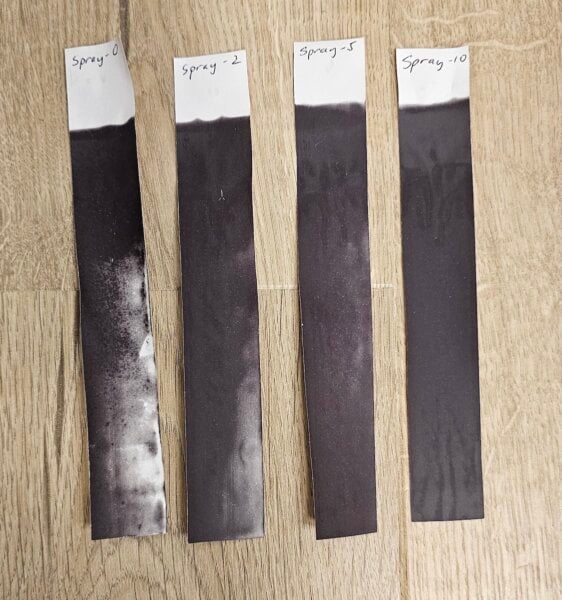
To isolate the effect of water, Dr. Wong conducted dedicated water tests. Receipts were either fully dunked in water or sprayed, then subjected to the flat iron immediately, or after 2, 5, or 10 minutes of drying. The results were revealing: dunked receipts remained largely white across all drying times, suggesting a substantial cooling effect from the saturation of water. Surprisingly, the receipt tested immediately after dunking was slightly less white, a nuance attributed to the water not having fully penetrated the paper to maximize its cooling capacity. Sprayed receipts, with less water, showed a clearer progression: white at 0 minutes, grey at 2 minutes, and black by 5 minutes. This definitively confirmed water’s significant, albeit time-dependent, cooling influence.
While water clearly cooled the receipts, this observation paradoxically underscored the test’s irrelevance for hair protection. In the context of hair styling, water is not a "heat protectant"; in fact, it can be highly detrimental. When wet hair is exposed to high heat from styling tools, the trapped water can explosively evaporate, creating steam that forms internal voids within the hair shaft, a phenomenon known as "bubble hair." This process severely compromises the hair’s structural integrity, leading to brittleness and breakage. Therefore, a product that "works" on a receipt by virtue of its water content is, in reality, promoting a mechanism of hair damage. The goal of a true heat protectant is not to block heat entirely, but to distribute it evenly, reduce friction, and protect the hair’s keratin structure, none of which are assessed by the thermal receipt test.
An Unexpected Complication: Thermal Paper’s True Temperature Threshold
The investigation took a critical turn with the discovery of a significant misconception regarding thermal paper’s activation temperature. Initial searches had suggested a temperature range similar to hair straighteners (150-185°C), reinforcing the test’s apparent validity. However, deeper research, particularly into technical specifications and a German Wikipedia article, revealed a much lower activation range: 40 to 80°C for initial color development, and 70 to 120°C for applicable density. This was a profound "spanner in the works," as hair typically doesn’t sustain significant damage until temperatures exceed 100°C. If receipts were reacting at 50°C, the test would be entirely irrelevant to hair protection.
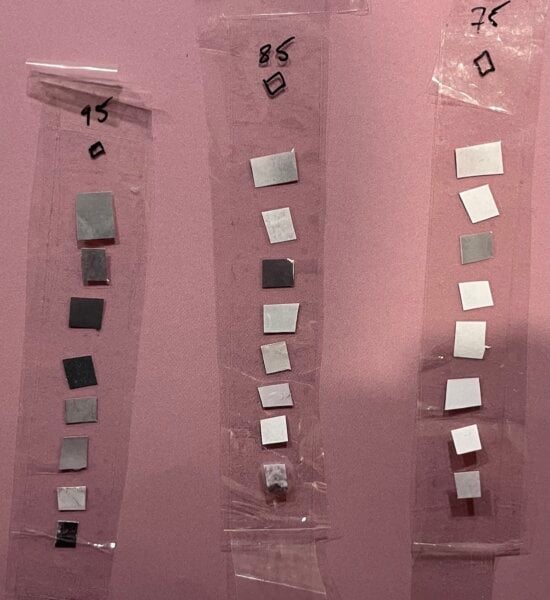
To resolve this discrepancy, Dr. Wong conducted specific receipt temperature tests. Various thermal receipts were dipped into precisely cooled boiling water at different temperatures. After some methodological refinements (such as preventing paper bits from falling off and avoiding adhesive that interfered with color change), a clear pattern emerged: most receipts turned black around 95°C. This finding, while aligning the receipt’s color change threshold more closely with the temperature at which hair damage occurs, did not validate the test. Instead, it shifted the focus to what in the heat protectant products might be interfering with this temperature-induced reaction.
Unveiling the True Mechanism: Solvent Action and Ink Dissolution
With the temperature discrepancy clarified, earlier unexplained observations began to coalesce around a new hypothesis: heat protectants that "work" in this test do so by dissolving the ink layer on the receipt. Thermal paper’s ink system is complex, composed of a leuco dye, a developer, and a sensitizer, all embedded within a binder and a solvent system. When heated, the solvent melts, allowing the dye and developer to mix and produce the visible color. This ink layer is fragile and highly susceptible to disruption.
Dr. Wong observed that some receipts turned grey immediately after being sprayed, even before heat was applied. This phenomenon, initially subtle in some viral videos, became more pronounced in her experiments, particularly with alcohol-rich sprays. Alcohol, being an excellent solvent for oily substances, was theorized to be dissolving the thermal ink components. If the ink layer was dissolved too much, the components would be unable to properly react and form the dark color upon heating, or even erase pre-formed ink. This explained why products with high alcohol content or strong surfactants (which are also solvents for oily compounds) yielded lighter or even "erased" results.
Confirmatory Experiments: Proof of Solvent Action
To definitively test the solvent hypothesis, Dr. Wong conducted a series of confirmatory experiments using common household and beauty products known for their solvent or surfactant properties:
-
Alcohol, Water, and Glycerin: Drops of pure methylated spirits (alcohol), alcohol-water mixtures, and alcohol-water-glycerin mixtures were applied to receipts. All kept the receipts light after heating (following a 30-minute drying period). Crucially, diluted alcohol made the receipt even whiter than pure alcohol. This supported the idea that humectants like water and glycerin prolong alcohol’s presence on the receipt, allowing more time for the solvent to disrupt the ink layer. This also explained why some spray products appeared lighter on Day 2 of testing (after 24 hours of drying), as the solvent action had more time to work. Water and glycerin alone, being less effective solvents for oily receipt inks, did not significantly disturb the color.
-
Other Alcohol-Containing Products: Perfume, which has a high alcohol content, immediately turned receipts grey and kept them white upon heating. Dry shampoo also caused immediate greying but was less effective at preventing darkening upon heating, likely because its volatile alcohol components evaporated too quickly to maintain prolonged solvent action.
-
Surfactants: Many heat protectants, especially creams and emulsions, contain surfactants (emulsifiers) to mix oil and water components. Micellar water and water with detergent, both rich in surfactants, effectively kept receipts white after application and heating. This confirmed that surfactants, like alcohol, can dissolve the thermal ink layer. Moisturizing creams (e.g., CeraVe Moisturising Cream) and cream sprays (e.g., Laneige Cream Skin) also kept receipts white, further corroborating the role of emulsifiers. Even sunscreens, often formulated with both alcohol and surfactants, prevented darkening.
-
Volatile Silicones: A two-phase eye makeup remover, primarily composed of cyclopentasiloxane (a volatile silicone), had minimal impact on the receipt. This was consistent with the hypothesis, as volatile silicones are too oily and evaporate too quickly to effectively dissolve the ink layer, explaining why some silicone-based heat protectants might "fail" the receipt test despite being effective on hair.
-
Propellants: Testing compressed air (a common propellant like HFC-152a) showed no effect on the receipt, ruling out propellants as a primary cause of ink dissolution.
-
Erasing Pre-Formed Ink: The most compelling evidence came from testing the ability of these substances to erase pre-darkened thermal ink. Alcohol, perfume, sunscreen, micellar water, and moisturizers were all largely successful in lightening or erasing areas of black ink, directly demonstrating their capacity to disrupt the ink layer after it had formed.
Conclusions: The Test is Flawed
Dr. Michelle Wong’s comprehensive investigation unequivocally concludes that the viral heat protectant receipt test is fundamentally flawed and provides no meaningful information about a product’s efficacy in protecting hair. The observed "protection" on receipts is primarily due to the solvent action of ingredients like alcohol and surfactants dissolving the thermal ink layer, and to a lesser extent, the cooling effect of residual water – both mechanisms entirely unrelated, and often counterproductive, to actual hair protection.
Heat protectants are not designed to "block" heat from reaching the hair. Instead, they function by forming a protective film (often with silicones or polymers) that helps to spread heat more evenly across the hair shaft, reducing localized hot spots. They can also provide a barrier against moisture loss, smooth the hair cuticle to prevent mechanical damage from styling tools, and in some cases, contain hydrolyzed proteins that reinforce hair structure. The "bubble hair" phenomenon underscores why water is detrimental, not beneficial, when styling with hot tools.
Implications for Consumers and the Beauty Industry

This scientific debunking carries significant implications for both consumers and the beauty industry. For consumers, it serves as a crucial reminder to approach viral beauty hacks with skepticism and to prioritize evidence-based information. Relying on such misleading tests can lead to misinformed purchasing decisions, potentially causing users to dismiss genuinely effective products (like the Amika product that "failed" the receipt test but has rigorous hair testing data) or, worse, to use products that are actually detrimental to hair health under the false impression of protection.
For the beauty industry, it highlights the ongoing challenge of combating misinformation in the digital age. Reputable brands invest heavily in scientific testing on actual hair swatches, often utilizing sophisticated instrumental tests that measure parameters like tensile strength, cuticle damage, and moisture retention under controlled heat conditions. These instrumental tests, sometimes involving specialized equipment like the "hamster wheel" machine shown by brands like Amika, provide genuine data on performance.
Consumers seeking effective heat protectants should look beyond superficial viral tests and instead seek out products from brands that clearly articulate their testing methodologies. Packaging claims such as "instrumental test," "protects up to X degrees," or "versus non-conditioning shampoo alone" are indicators of scientific validation. Key ingredients to look for include silicones (e.g., dimethicone, cyclopentasiloxane), polymers (e.g., PVP, acrylates copolymer), and hydrolyzed proteins (e.g., hydrolyzed wheat protein). Furthermore, it is critical to ensure that any water-based heat protectant is fully dry on the hair before applying hot styling tools to prevent the "bubble hair" effect. The thermal receipt test, while visually compelling, is ultimately a distraction from the true science of hair care.
How to cite:
Wong M. Investigating the viral heat protectant test. Lab Muffin Beauty Science. September 9, 2025. Accessed May 13, 2026. https://labmuffin.com/investigating-the-viral-heat-protectant-test/
