

Hyaluronic acid (HA), alongside its derivative sodium hyaluronate, stands as a cornerstone ingredient in contemporary skincare and makeup, revered for its unparalleled hydrating properties. This naturally occurring glycosaminoglycan is intrinsically woven into the fabric of the human body, predominantly residing within the extracellular matrix—the intricate scaffolding that supports the body’s cells. While ubiquitous, HA is particularly concentrated in the epidermis and the deeper dermis, where it plays a multifaceted role crucial for maintaining skin hydration, facilitating metabolic processes, aiding in skin repair mechanisms, and providing vital protection against environmental aggressors such as free radicals and UV radiation. Its presence extends beyond the skin, influencing joint lubrication, ocular health, and overall tissue function, underscoring its profound biological importance.
The Scientific Foundation: Understanding Hyaluronic Acid’s Biological Role
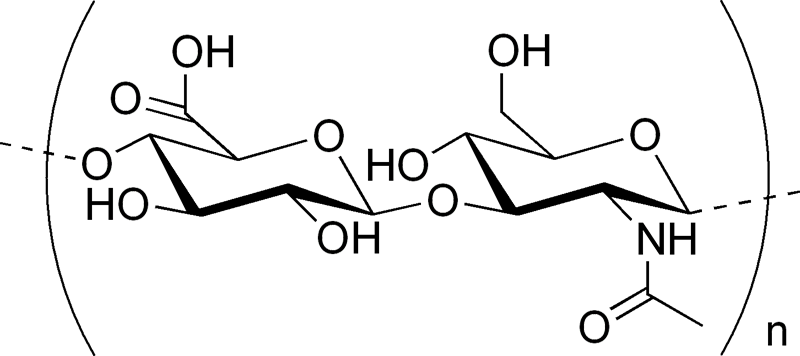
At its core, hyaluronic acid is a polysaccharide belonging to the family of glycosaminoglycans (GAGs). Its unique chemical structure, characterized by alternating units of D-glucuronic acid and N-acetyl-D-glucosamine, bestows upon it an extraordinary capacity to bind and retain water molecules. This highly polar nature allows a single HA molecule to hold several hundred times its weight in water, a property that is fundamental to its biological functions. In the skin, this remarkable water-holding ability contributes significantly to its firmness, plumpness, and overall elasticity.
Historically, it was hypothesized that a decrease in the skin’s natural hyaluronic acid levels directly contributed to the visible signs of aging, such as thinning and dryness. However, more recent research has refined this understanding. Current scientific consensus suggests that while the overall amount of hyaluronic acid in the skin may not drastically diminish with age, its distribution and molecular weight profile undergo significant changes. These redistributions, influenced by both intrinsic aging processes and extrinsic environmental factors like sun exposure, contribute to alterations in skin appearance and function. This evolving understanding highlights the complexity of skin aging and HA’s dynamic role within it.
Beyond the skin, HA is a critical component of synovial fluid, providing lubrication and shock absorption in joints, thereby facilitating smooth movement and preventing cartilage degradation. It is also found in the vitreous humor of the eye, maintaining its shape and clarity, and plays essential roles in various other tissues, including the umbilical cord, connective tissues, and even in some bacterial capsules. Its involvement in processes like cell proliferation, migration, and differentiation further cements its status as a vital biological molecule.
Hyaluronic Acid in Skincare: The Humectant Powerhouse
In the realm of topical skincare, hyaluronic acid is primarily celebrated for its efficacy as a humectant. Humectants are substances that attract and retain moisture from the atmosphere and deeper layers of the skin, drawing it to the skin’s surface. Incorporated into a wide array of products such as moisturizers, serums, and masks, HA significantly boosts skin hydration. This intensive moisturization has a profound cosmetic impact, as well-hydrated skin appears visibly plumper, smoother, and more radiant. Crucially, by mitigating the effects of dehydration—which often manifests as fine lines and wrinkles—HA can impart a dramatically younger and less fatigued appearance to the skin.
While glycerin is another widely used and more economical humectant, it can sometimes be perceived as sticky or heavy on the skin. Hyaluronic acid, by contrast, offers a lighter, more elegant feel, and is frequently combined with glycerin in formulations to achieve an optimal balance of hydration and sensorial experience.
A key aspect of HA’s utility in skincare lies in the diversity of its molecular weights. Not all hyaluronic acid used in cosmetic formulations is identical. It is broadly categorized into high molecular weight (HMW-HA) and low molecular weight (LMW-HA), with intermediate forms also existing.
- High Molecular Weight HA: Characterized by larger molecular sizes, HMW-HA primarily functions on the skin’s surface. It forms a breathable, viscoelastic film that acts as a protective barrier, preventing trans-epidermal water loss (TEWL) and drawing moisture from the air to the outermost layers of the stratum corneum. This surface-level hydration helps to smooth the skin’s texture and temporarily diminish the appearance of fine lines.
- Low Molecular Weight HA (and Sodium Hyaluronate): These are smaller fragments of the HA molecule, obtained by enzymatic or chemical cleavage of HMW-HA. Due to their reduced size, LMW-HA molecules are capable of penetrating deeper into the epidermis. This allows for hydration at more profound levels within the skin, contributing to internal moisture retention and potentially influencing cellular processes in the lower epidermis. The term "sodium hyaluronate" often refers to a salt form of hyaluronic acid with a typically smaller molecular size, enhancing its skin penetration capabilities.
- Oligomeric HA: Even smaller fragments, sometimes referred to as ultra-low molecular weight HA, are designed for maximum penetration, aiming to influence deeper epidermal layers and potentially interact with cellular receptors.
There has been scientific discourse regarding the potential for very low molecular weight HA to act as an inflammatory signal. However, it is crucial to contextualize this. Inflammation is not inherently detrimental; it is a fundamental part of the body’s defense and repair mechanisms. Studies have indicated that LMW-HA can play a beneficial role in processes such as enhancing the skin’s self-repair capabilities, bolstering its defense against microbial attacks, and even aiding in conditions like seborrheic dermatitis. Further research is ongoing to fully elucidate the nuanced effects of different molecular weights of HA on normal skin physiology.
Despite its impressive hydrating capabilities, it is important for consumers to maintain realistic expectations about topical HA. Even low molecular weight HA can only penetrate into the lower epidermis, meaning it cannot replenish the body’s deeper, natural HA stores in the dermis or other tissues. Its primary benefit remains exceptional hydration, which, in turn, supports optimal skin barrier function and overall skin health. While some antioxidant and mild anti-inflammatory activities have been observed, the overwhelming majority of its benefits in topical applications are attributed to its unparalleled hydrating power.
Beyond Topical Applications: A Versatile Medical and Aesthetic Tool
Hyaluronic acid’s utility extends far beyond surface-level skincare, permeating various medical and aesthetic fields due to its biocompatibility, biodegradability, and unique physical properties.
- Dermal Fillers (Injectables): One of the most prominent non-surgical cosmetic applications of HA is in injectable dermal fillers. Chemically modified, cross-linked HA is precisely injected into the skin to plump up deep wrinkles, restore lost volume, and enhance facial contours. Brands like Juvéderm, Restylane, and Voluma utilize varying cross-linking technologies to produce gels of different viscosities and durations, tailored for specific aesthetic goals, from fine lines to significant volume restoration in areas like the cheeks and lips. The effects are temporary, typically lasting from six months to two years, and can be reversed with hyaluronidase, an enzyme that breaks down HA.
- Ophthalmology: HA has been a staple in ophthalmology for decades. It is a key ingredient in many artificial tear formulations, providing effective lubrication and moisture retention for individuals suffering from dry eye syndrome. Furthermore, its viscoelastic properties make it invaluable during various ophthalmic surgeries, such as cataract extraction, where it helps maintain space, protect delicate tissues, and facilitate surgical maneuvers.
- Orthopedics (Viscosupplementation): In the field of orthopedics, HA is utilized for viscosupplementation in the treatment of osteoarthritis. Injections of HA directly into affected joints, most commonly the knee, aim to supplement the diminished natural synovial fluid, thereby improving joint lubrication, reducing pain, and enhancing mobility. While efficacy can vary, it offers a non-surgical option for some patients to manage symptoms.
- Wound Healing and Tissue Regeneration: HA plays a crucial role in the natural wound healing cascade. Its presence in the extracellular matrix provides a scaffold for cell migration and proliferation, facilitating tissue repair and regeneration. As such, HA-based dressings and gels are increasingly employed in medical settings to promote faster and more efficient healing of various types of wounds, including burns and chronic ulcers.
- Makeup and Primers: Dehydrated hyaluronic acid spheres are ingeniously incorporated into anhydrous (water-free) makeup formulations, particularly skin-smoothing primers. When applied to the skin, these dry spheres settle into fine lines and wrinkles. Upon contact with the skin’s natural moisture and atmospheric humidity, the HA spheres begin to absorb water and swell, effectively plumping up the skin from within and optically blurring imperfections, creating a smoother canvas for makeup application.
- Oral Supplements: Oral hyaluronic acid supplements are available in nutrition stores, often marketed for skin hydration and joint health. However, the efficacy of these supplements remains a subject of debate within the scientific community. A significant challenge lies in whether HA can survive the digestive process intact and, if so, whether it can be efficiently absorbed into the bloodstream and then delivered to target tissues like the skin or joints in a biologically active form. While some preliminary studies suggest potential benefits, conclusive evidence from large-scale, robust clinical trials demonstrating widespread and significant advantages is largely lacking, prompting caution regarding their claims.
Sourcing and Sustainability: Ethical and Practical Considerations
The manufacturing origin of hyaluronic acid is an important consideration, particularly for ethically conscious consumers. Historically, hyaluronic acid was primarily sourced from animal tissues, predominantly rooster combs, which are rich in the compound—containing approximately 15 times more HA than human skin. The image of a rooster comb might seem unusual to some, but it underscores the diverse origins of cosmetic ingredients.
However, modern advancements have largely shifted production towards biofermentation. This method involves cultivating specific bacterial strains (such as Streptococcus equi) in a nutrient-rich medium, which naturally produce hyaluronic acid as a byproduct. Biofermentation offers several advantages:
- Scalability and Consistency: It allows for large-scale, consistent production with precise control over molecular weight.
- Purity: The resulting HA is often of high purity, with minimal risk of contamination from animal proteins.
- Ethical Considerations: It provides a vegan-friendly and cruelty-free alternative, addressing the concerns of consumers who prefer not to use animal-derived ingredients.
As consumer demand for transparent and ethically sourced ingredients grows, biofermented hyaluronic acid has become the industry standard, making it widely accessible in products across various price points.
The Expanding Market and Future Horizons
The global market for hyaluronic acid has witnessed exponential growth, driven by increasing consumer awareness of its benefits and its expanding applications across cosmetics, medicine, and nutraceuticals. Valued at billions of dollars, the market is projected to continue its upward trajectory, fueled by innovations in formulation, delivery systems, and a deeper understanding of HA’s biological interactions.
Product innovation continues to be a hallmark of the HA market. Manufacturers are developing sophisticated formulations that combine different molecular weights of HA to target various layers of the skin, creating synergistic effects with other active ingredients. Research is also exploring advanced delivery systems, such as encapsulated HA and nanoparticles, to optimize its penetration and bioavailability for both topical and systemic applications.
The future of hyaluronic acid in science and industry looks promising, with ongoing research delving into new therapeutic uses, exploring its potential in drug delivery systems, and further unraveling its complex roles in cellular signaling and tissue engineering. As scientific understanding deepens, HA is poised to solidify its position not just as a beauty staple, but as a critical component in various biotechnological and medical advancements.
Expert Perspectives and Dispelling Common Misconceptions
Dermatologists and cosmetic chemists widely endorse hyaluronic acid as a highly effective hydrating ingredient. They often recommend applying HA serums to damp skin to maximize its water-attracting capabilities, followed by an occlusive moisturizer to seal in the moisture and prevent evaporation, particularly in dry climates. Experts consistently emphasize the importance of setting realistic expectations; while HA is an exceptional hydrator, it is not a singular solution for all skin concerns, nor does it replace the need for a comprehensive skincare routine that includes sun protection and other targeted actives.
One prevalent "fun fact" regarding HA—that "1 gram of hyaluronic acid can hold onto 6 liters of water"—has been widely circulated, even appearing in some peer-reviewed literature. However, this specific claim has been debunked through scientific scrutiny. As noted in a correction published on November 25, 2025, the original source cited for this statistic lacked a verifiable reference, and subsequent analysis by experts in cosmetic science has demonstrated it to be questionable. This serves as a salient reminder of the importance of critical evaluation, even of seemingly authoritative claims within scientific discourse, highlighting that "myths are rampant throughout science" and constant verification is necessary for accuracy.
In conclusion, hyaluronic acid has cemented its status as an indispensable ingredient, both in the sophisticated formulations of modern skincare and makeup, and as a vital therapeutic agent in various medical applications. Its remarkable ability to attract and retain water underpins its multifaceted benefits, from plumping and hydrating the skin to lubricating joints and aiding in wound repair. As scientific research continues to unravel its complexities and expand its potential, hyaluronic acid remains a dynamic and celebrated molecule, continuously evolving at the forefront of beauty and biomedical innovation.
