
Affiliate Disclosure: This article may contain affiliate links, meaning a small commission is received for purchases made through them.
How to cite: Wong M. Does water damage hair? The myth of “hygral fatigue”. Lab Muffin Beauty Science. January 28, 2026. Accessed April 30, 2026. https://labmuffin.com/does-water-damage-hair-the-myth-of-hygral-fatigue/
The pervasive belief that repeatedly wetting and drying hair inherently causes damage, often termed "hygral fatigue," is a widely circulated myth that lacks substantial scientific backing, according to recent insights from cosmetic science and trichology. This misconception has influenced countless hair care routines, leading many to limit washing frequency based on unsubstantiated fears. However, a deeper dive into the molecular mechanics of hair reveals that water’s interaction with hair, while transformative, is largely reversible and non-damaging under normal conditions.
Understanding Hair’s Molecular Architecture and Water Interaction
To comprehend why the "hygral fatigue" myth is flawed, it is crucial to understand the intricate structure of human hair and how it interacts with water at a molecular level. Hair is primarily composed of keratin, a fibrous protein. Each strand consists of three main layers: the cuticle, the cortex, and the medulla (though the medulla is not always present in finer hair).
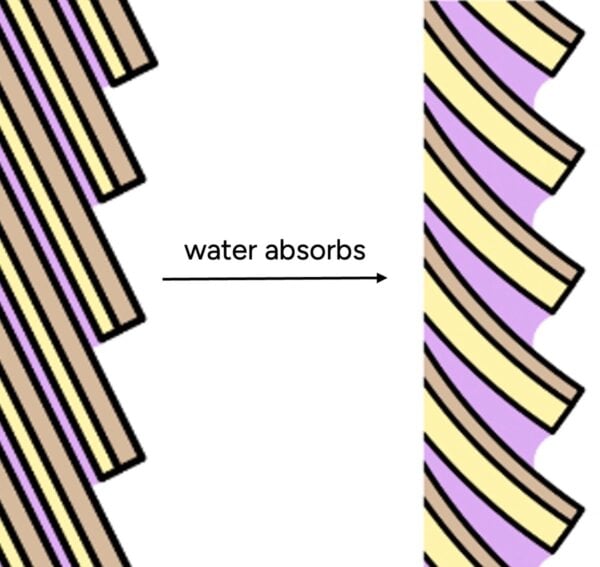
The cuticle is the outermost protective layer, resembling overlapping scales or shingles on a roof. When hair becomes wet, these scales can slightly lift, allowing water to penetrate. This lifting, often visualized as the "pinecone" effect, is a temporary, reversible process that facilitates water absorption without causing structural compromise.
Beneath the cuticle lies the cortex, the thickest part of the hair strand, which gives hair its strength, elasticity, and color. The cortex is made up of bundles of keratin proteins, held together by various types of chemical bonds:
- Disulfide bonds: These are strong, permanent covalent bonds that contribute significantly to hair’s structural integrity and dictate its natural shape (straight, wavy, curly). They are highly stable and are not broken by water.
- Ionic bonds (salt bonds): These weaker bonds are sensitive to pH changes and can be temporarily broken by water. They readily reform as the hair dries and the pH returns to normal or the water evaporates.
- Hydrogen bonds: These are the most abundant and perhaps the most relevant to water interaction. Hydrogen bonds form between keratin protein chains within the cortex, contributing to hair’s flexibility and shape retention. When water enters the hair, it disrupts these existing hydrogen bonds, forming new hydrogen bonds between water molecules and keratin proteins. This process allows hair to become more pliable, softer, and to swell.
The swelling of hair upon wetting, and its subsequent contraction upon drying, is a natural consequence of water entering and exiting the hair shaft. This phenomenon, known as hydro-expansion, typically results in a 10-15% increase in hair diameter and up to 2% in length. This transformation, while noticeable, is not inherently damaging. The hydrogen bonds that are broken by water reform readily as the hair dries, effectively restoring the hair’s original molecular configuration and structural integrity. This process is akin to a zipper opening and closing smoothly, rather than a material being repeatedly torn and repaired.
The Cell Membrane Complex (CMC) acts as an intercellular "mortar" between the cortical cells and between the cuticle layers. It is composed of lipids and proteins and plays a crucial role in maintaining hair’s cohesion and contributing to its hydrophobic properties. While water can penetrate the CMC, its primary role is to maintain structural integrity rather than being directly susceptible to "fatigue" from water absorption cycles.
The Genesis and Persistence of the ‘Hygral Fatigue’ Myth
The concept of "hygral fatigue" suggests that the repeated cycle of hair swelling (from water absorption) and shrinking (from drying) leads to cumulative damage, eventually weakening the hair shaft and making it prone to breakage. This idea has gained considerable traction in popular beauty discourse and has, at times, been referenced in academic papers without rigorous foundational evidence.
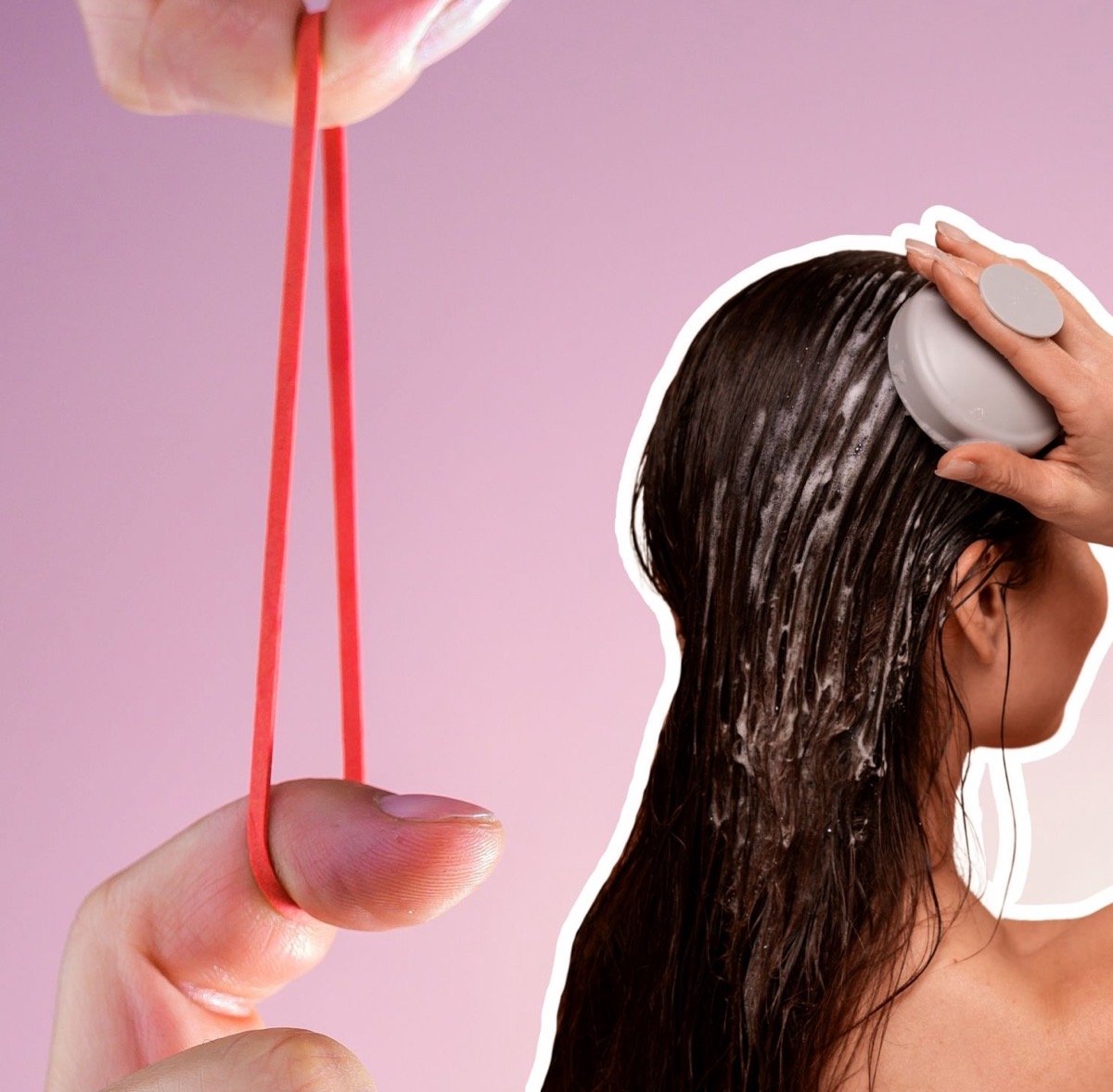
One plausible reason for the myth’s widespread acceptance and persistence lies in anecdotal observations and misinterpretations of hair behavior. It is a well-established fact that wet hair is mechanically more fragile than dry hair. This fragility, however, is not due to structural damage caused by water molecules themselves, but rather a consequence of altered physical properties. When hair is wet, the increased pliability and reduced friction between cuticle scales make it more susceptible to damage from physical forces like aggressive combing, brushing, or vigorous towel drying. This observed mechanical vulnerability might have been misinterpreted over time as water causing intrinsic damage, rather than simply making hair more susceptible to external mechanical stress.
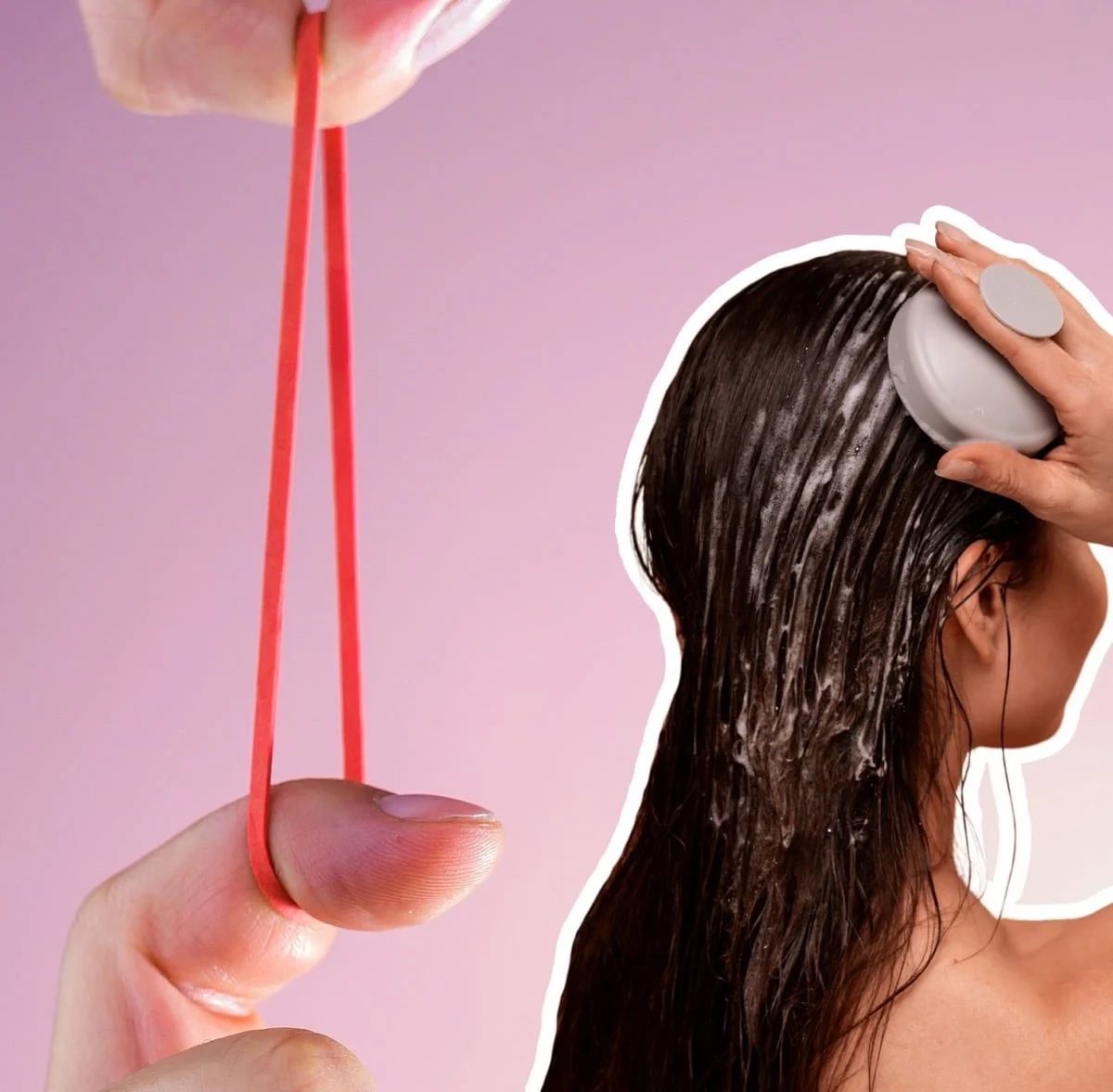
The analogy often used to explain "hygral fatigue" – stretching a rubber band repeatedly until it snaps – is fundamentally flawed when applied to hair’s molecular structure. Rubber bands, typically made of synthetic polymers, incur irreversible damage when stretched beyond their elastic limit, breaking permanent covalent bonds that do not reform. In contrast, hair’s interaction with water primarily involves the breaking and reforming of temporary hydrogen bonds. These bonds are incredibly resilient; the atoms involved (hydrogen, oxygen, nitrogen) do not "wear out" from repeatedly forming and breaking these weak interactions. A more accurate analogy, as proposed by some scientists, would be the reversible joining and unjoining of high-quality Lego bricks, where the components remain intact despite repeated assembly and disassembly. The integrity of the chemical bonds involved in hair hydration cycles ensures its long-term resilience.
Scrutinizing the Scientific Literature: Weak Evidence for Water-Induced Damage
Despite its widespread acceptance in some circles, studies purporting to demonstrate "hygral fatigue" often present unconvincing evidence or suffer from significant methodological limitations. A critical re-evaluation of these studies reveals a lack of robust data to support the myth.
Re-examining the 2011 Hair Drying Study
One frequently cited study, published in 2011 by Lee Y. et al. in Annals of Dermatology, investigated the effects of different hair drying methods. Researchers compared air drying with blow drying at varying temperatures. The study concluded that blow drying at a low temperature caused the least damage. Crucially, they observed "bulges" in the air-dried hair samples, which they attributed to prolonged water swelling and subsequent damage.
However, this interpretation has been met with considerable skepticism within the hair science community. Air drying is a standard and universally accepted procedure in hair research and daily life, and such distinct "bulges" are not commonly reported as a pervasive consequence of air drying. If air drying inherently caused this type of damage, it would be a ubiquitous observation across countless other hair studies and in everyday hair experiences. It is far more probable that the bulges observed in the Lee et al. study were an artifact specific to their experimental setup. Potential explanations could include pre-existing damage to the particular hair samples used (e.g., prior chemical treatments, excessive sun exposure, or mechanical stress not accounted for), limitations in the imaging or sample preparation techniques, or simply a statistical anomaly due to limited sample size or insufficient replication. Without extensive replication and rigorous control for confounding variables, drawing definitive conclusions about water-induced damage from such isolated observations remains highly tenuous and does not establish a general principle of "hygral fatigue."
The Role of Coconut Oil: Misinterpretations of Water Absorption
Several studies have explored the protective effects of coconut oil on hair, with some suggesting it can prevent "hygral fatigue" by blocking water absorption. These studies often reference "hygral fatigue" without providing primary evidence for its occurrence, simply assuming its validity as a premise for their investigations into protective measures.
Experiments involving Dynamic Vapour Sorption (DVS) apparatus have been used to measure water absorption in oil-treated hair. In these tests, hair samples coated with different oils (e.g., coconut, mineral, sunflower) are exposed to varying humidities, and their weight change (due to water absorption) is precisely measured. Some findings indicated that coconut-oiled hair showed the smallest percentage increase in weight compared to untreated or other oil-treated samples, leading researchers to conclude that coconut oil effectively blocked water absorption.
However, this interpretation overlooks a critical methodological detail, as meticulously highlighted by prominent hair scientist Trefor Evans. When hair is coated with oil, its initial weight increases. If the same absolute amount of water is absorbed by both untreated and oil-treated hair, the percentage increase in weight will appear smaller for the oil-treated hair because the denominator (total weight of hair + oil) is larger. This mathematical artifact can lead to the erroneous conclusion that oil is blocking water, when in reality, it might simply be diluting the observed percentage change. This highlights the importance of precise data interpretation and control in scientific experiments.
Furthermore, the very structure of hair makes complete water blockage highly improbable. The cuticle, with its overlapping scales, presents numerous microscopic gaps at its edges. Water molecules, being extremely small and polar, can readily penetrate these spaces through capillary action and diffusion. It is highly unlikely that any topical hair treatment, including oils, could form a perfectly impervious seal against water ingress or egress, especially considering the hair’s continuous interaction with environmental humidity. The water content of hair is primarily dictated by the ambient relative humidity, and while oils can slow down the rate of water exchange, they cannot prevent it entirely.
Actual Benefits of Coconut Oil and Implications for Hair Care
While the claim that coconut oil prevents "hygral fatigue" by blocking water is scientifically questionable, this does not negate its genuine and well-documented benefits for hair health. Oils, including coconut oil, primarily function as lubricants on the hair surface. They smooth down the cuticle, reduce inter-fiber friction, and provide a protective barrier against mechanical damage from styling, combing, and environmental aggressors.
What distinguishes coconut oil is its unique molecular structure. Unlike many other oils, coconut oil, rich in lauric acid, has a smaller molecular size and a linear shape. This characteristic allows it to penetrate deeper into the hair shaft, particularly into the hydrophobic regions of the cortex and the cell membrane complex (CMC), which is crucial for maintaining intercellular cohesion. This deeper penetration means coconut oil can potentially fill gaps and reinforce the lipid matrix within the hair fiber, leading to improved strength and reduced protein loss during washing and manipulation. Therefore, coconut oil’s protective qualities stem from its lubricating and penetrating abilities, not from an ability to "seal out" water.
This refined scientific understanding has significant implications for modern hair care practices and consumer education:
- Washing Frequency Reassessment: The debunking of "hygral fatigue" liberates individuals from the unfounded fear of washing their hair frequently if their scalp type or lifestyle demands it. Daily washing, when performed gently and with appropriate products, is not inherently damaging due to water exposure itself. It allows for better scalp hygiene and product delivery.
- Emphasis on Gentle Handling: The critical takeaway remains that wet hair is mechanically more vulnerable. Therefore, gentle handling during all stages of washing, conditioning, towel drying (e.g., blotting with a microfibre towel instead of vigorous rubbing), and detangling (using a wide-tooth comb, starting from the ends and working upwards) is paramount to prevent breakage. The damage often attributed to "hygral fatigue" is more likely a result of mechanical stress on weakened, wet hair.
- Optimizing Product Efficacy: Hair care product development should focus on delivering ingredients that genuinely lubricate, strengthen, condition, and protect the hair’s surface and internal structure. Marketing claims should prioritize benefits based on validated scientific mechanisms rather than promoting "water-blocking" as a primary defense against a non-existent threat. Conditioners, for instance, work by smoothing the cuticle and reducing friction, making hair easier to manage, reducing tangles, and minimizing mechanical damage.
- Informed Consumer Choices: Empowering consumers with accurate scientific information helps them make better choices about their hair care routines and products. This shift moves away from marketing claims based on myths and towards effective, evidence-based practices, fostering greater trust in the beauty industry.
Expert Consensus and Future Directions
The prevailing scientific consensus among cosmetic chemists, trichologists, and hair scientists is clear: repeated wetting and drying of hair does not cause cumulative, irreversible damage in the form of "hygral fatigue." The molecular interactions between water and keratin are largely reversible and resilient, representing a natural and non-destructive aspect of hair physiology. While wet hair requires careful handling due to its increased mechanical fragility, the water itself is not a destructive agent in the cyclical process of hydration and dehydration.
Continued research in hair science focuses on understanding the nuanced interactions of various ingredients with hair, optimizing product formulations for diverse hair types and concerns, and developing advanced techniques for assessing hair health. The emphasis remains firmly on evidence-based practices, rigorous scientific methodology, and the continuous effort to debunk persistent myths to ensure effective and safe hair care for all. This scientific rigor is essential for advancing the understanding of hair and improving consumer well-being.
This article is adapted from insights presented by Michelle Wong, Ph.D., through her platform Lab Muffin Beauty Science, including her video on hair hydration and Part 1 of her series on hair and water.
References
Robbins CR. Chemical and Physical Behavior of Human Hair. 5th ed. Springer Berlin Heidelberg 2012.
Lee Y, Kim YD, Hyun HJ, Pi LQ, Jin X, Lee WS. Hair shaft damage from heat and drying time of hair dryer. Ann Dermatol. 2011
